You turn on the bathroom sink, and the water takes ages to drain. Or perhaps you flush the toilet, and an unpleasant sewage smell wafts through the house. Every homeowner dreads these moments. A slow drain, a foul odor, or a completely backed-up toilet often signals a problem deep within your plumbing system. When these frustrating issues arise, the solution usually lies in a specific but frequently overlooked part of your home’s plumbing.
Many homeowners do not even realize their property has a drain cleanout until they face a messy emergency. You might have walked past a strange capped pipe in your yard or noticed a plastic fitting in your basement without giving it a second thought. However, that small access point is actually the gateway to your home’s main sewer line. Knowing where it is and how it functions can be the difference between a quick fix and a devastating plumbing disaster.
For over three decades, MD Sewer & Plumbing Services has helped families navigate these exact emergencies. As a trusted, family-owned plumbing company serving Maryland since 1989, we have seen firsthand how proper maintenance and knowledge can protect a home. We are dedicated to helping our neighbors resolve their plumbing challenges with speed, precision, and honesty.
Schedule Service Online
Get a free estimate so you know what you're signing up for
"*" indicates required fields
For Emergency Services Call: 410-255-9300
Understanding your drain cleanout will save you time, reduce your stress, and keep your repair costs manageable when a plumbing backup inevitably happens. Plumbers use this access point to quickly diagnose and clear blockages, minimizing damage to your property. Don’t Wait — Fix It Fast with MD Sewer & Plumbing.
Photo by Caleb Wright on Unsplash
What Is a Drain Cleanout?
Understanding the Purpose of a Drain Cleanout
A drain cleanout is a designated access point to your home’s plumbing and sewer system. It serves as a direct, easily accessible entry way into the main sewer line, which carries wastewater from your home to the municipal sewer system or your private septic tank. By providing this direct route, it allows plumbers to remove severe blockages without dismantling your indoor plumbing fixtures. For more detailed definitions, you can read The Spruce’s guide to plumbing cleanouts.
Most cleanouts are constructed from durable materials designed to withstand moisture and pressure. You will typically find them made of cast iron in older homes or black ABS plastic and white PVC in newer constructions. The assembly usually consists of a cleanout pipe extending from the main line, topped with a threaded cap and a threaded plug. This threaded design creates a watertight seal that keeps sewer gases and wastewater inside the pipe, while still allowing a professional to open it using a wrench when necessary.
Key Points to Include
Having a functional drain cleanout provides several massive advantages for property maintenance. First, it helps plumbers inspect and clear clogs incredibly fast. Instead of guessing where a blockage might be located, technicians can open the cap and insert diagnostic equipment or cleaning tools directly into the main artery of your plumbing system.
Second, it dramatically reduces the need to remove toilets or cut into your drywall. Without a cleanout, a plumber might have to unbolt a toilet from the floor to feed a snake into the drain, which adds labor time and potential mess. Finally, this swift access can help prevent costly damage to the home and plumbing system. Releasing pressure at the cleanout can stop wastewater from overflowing onto your bathroom floors or soaking into your carpets.
What Does a Sewer Cleanout Look Like Outside?
Identifying an Outdoor Drain Cleanout
If your cleanout is located outside, it generally appears as a white PVC or black ABS pipe sticking a few inches above the ground. It is usually a capped pipe near the foundation of the house or closer to the property line. The top of the pipe features a plastic cap or a prominent square nut that can be gripped and turned with a heavy-duty wrench.
Homeowners often find these access points in the yard, sometimes partially obscured by grass or mulch. You might spot one near lawn decorations, tucked behind a bush, or placed along sidewalks and driveways. In some municipalities, the cleanout is situated very close to the municipal sewer line near the street. If you are having trouble visualizing it, this article offers an excellent visual overview of sewer cleanouts.
Mention Common Locations
The exact location of an outdoor cleanout largely depends on the climate and the foundation of your home. You will frequently find them near a slab foundation, protruding just enough to be noticeable. They are generally placed along the home’s main drainage line, representing the shortest path from the house to the municipal connection.
In warmer climates where pipes do not freeze, building codes often require the cleanout to be located outside the house. Conversely, in older homes, the cleanout pipe might be hidden under years of landscaping or entirely buried under a few inches of dirt.
Optional Educational Tip: If you suspect your cleanout is buried, you can use a long screwdriver to carefully probe the soft ground around your foundation. Gently pushing the tool into the soil can help you locate the hard plastic or metal cap without doing heavy digging.
Protect your home from costly plumbing repairs by finding your cleanout before an emergency strikes.
Where Is the Drain Cleanout Located Inside the House?
Indoor Sewer Cleanout Locations
Not all cleanouts are located in the yard. In fact, many homes have cleanouts located safely inside the house. This is especially common in colder climates where freezing temperatures could damage exposed outdoor pipes or make them impossible to open during the winter.
You will typically find indoor cleanouts in unfinished areas of the home. The most common indoor locations include the basement, the utility room, and the garage. You might also find a cleanout access point near a floor drain in a laundry room. They are usually situated near the point where the main plumbing stack meets the foundation wall before exiting the home. You can learn more about finding your indoor access points through The Spruce’s tips on locating cleanouts.
Additional Talking Points
Locating an indoor cleanout can sometimes feel like a treasure hunt. Cleanouts may be hidden in dimly lit areas, tucked behind boxes in storage rooms, or concealed behind removable access panels in finished basements. It is highly recommended to grab a flashlight and trace the large vertical pipes downward to see where they meet the floor or foundation wall.
It is also worth noting that some larger homes may have more than one cleanout access point. You might have a primary cleanout in the basement and a secondary one outside, or separate cleanouts for different branches of your plumbing system.
Why Drain Cleanouts Matter for Your Plumbing System
Faster Access to the Main Sewer Line
Drain cleanouts matter because they give plumbing professionals direct access to the main sewage line. The main line is the vital pathway that carries all the wastewater away from your sinks, showers, and toilets. When a clog occurs here, the entire house suffers.
Because the cleanout provides a wide, direct opening, it drastically speeds up inspections, drain cleaning, and repairs. Plumbers do not have to waste time disassembling your interior fixtures. They can get straight to the root of the problem, diagnosing the issue and applying the right solution immediately.
Preventing Bigger Plumbing Emergencies
Routine maintenance utilizing the drain cleanout can help you avoid catastrophic scenarios. By having a plumber regularly check and clear the line, you can significantly reduce the risk of sewage backups inside your living space.
This access helps prevent wastewater overflow, which can destroy flooring and create severe health hazards. It also allows professionals to catch tree root intrusion early. Tree roots naturally seek out the moisture and nutrients inside sewer pipes, and if left unchecked, they can crush the pipe entirely. Catching these roots early lowers long-term repair costs and extends the lifespan of your plumbing. For more on maintaining this vital system, read This Old House’s guide to sewer line maintenance.
Protecting Homes With Septic Systems
Homes with a septic tank or septic system also benefit immensely from cleanout access. The pipe leading from the house to the septic tank is just as vulnerable to clogs and root intrusions as a municipal sewer line. A clear cleanout allows technicians to inspect the flow of wastewater into the tank and ensure that the septic system is not backing up into the house. The EPA provides great resources on managing septic systems safely.
How to Clear a Cleanout Drain
Steps Plumbers Take to Clear a Sewer Cleanout
Homeowners should use extreme caution when dealing with a clogged cleanout. Opening a backed-up cleanout can release gallons of raw wastewater under immense pressure, causing a dangerous and unsanitary flood. Because of this risk, it is always best to rely on a professional.
When a plumber arrives, they follow a precise process. First, they inspect the blockage and the surrounding area. Next, they remove the cap carefully, releasing pressure slowly to contain any standing water. Then, they use specialized drain cleaning equipment to push through or pull out the obstruction. If the cause of the clog is not immediately obvious, they will perform a sewer camera inspection to visually locate the problem deep within the pipe. Finally, they clear the debris, blast away accumulated grease, or cut out invasive tree roots.
Professional Equipment
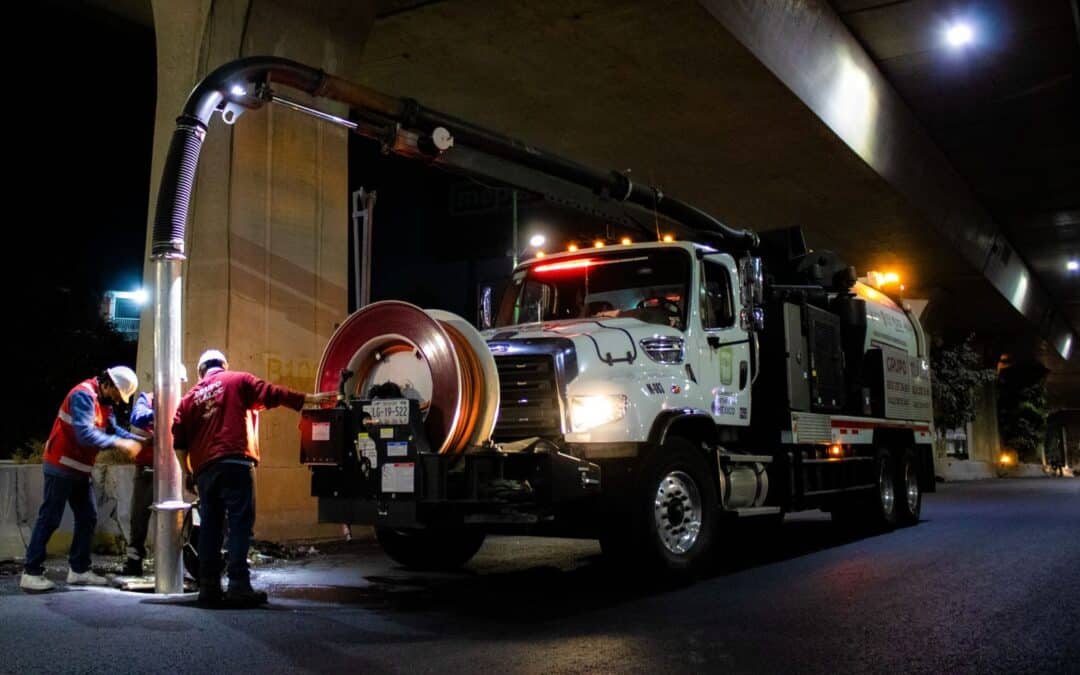
Plumbers use heavy-duty tools that go far beyond a standard bathroom plunger. They utilize motorized drain snakes (also known as augers) equipped with cutting blades to chop through roots and solid masses. You can see examples of these mechanisms at Home Depot’s guide on how to use drain augers.
For stubborn grease or widespread sludge, plumbers rely on hydro jetting tools, which use high-pressure water streams to scour the inside of the pipe clean. They also employ advanced sewer camera inspection equipment to take the guesswork out of the repair, ensuring the pipe is entirely clear before finishing the job.
Safety Reminder: We strongly encourage homeowners not to attempt major sewer line clearing themselves. Misusing rented equipment can crack old pipes, turning a simple clog into a massive excavation project.
What Do Plumbers Recommend to Unclog Drains?
Professional Drain Cleaning Recommendations
Prevention is always the best strategy for keeping drainage pipes clear. Plumbers strongly recommend that you avoid flushing wipes (even those labeled “flushable”) and never pour cooking grease down the kitchen sink. Grease solidifies as it cools, coating the inside of your pipes like plaque in an artery.
You should also schedule preventative maintenance to have your main line inspected every few years. Address slow drains early before they turn into complete blockages. Installing inexpensive drain strainers in your showers and sinks will catch hair and food particles before they enter the system. Most importantly, always choose professional drain cleaning methods instead of pouring harsh liquid chemicals down your drains.
Why Professional Service Matters
DIY chemical drain cleaners are a temporary bandage that often causes permanent damage. The harsh acids in these cleaners generate immense heat, which can warp plastic pipes and corrode older metal plumbing over time.
This makes experienced plumbers absolutely vital, especially for older homes with aging plumbing systems. A professional can clear the drain safely without compromising the integrity of your pipes, ensuring your home remains safe and fully functional.
Signs You May Have a Main Line Clog
Warning Signs Homeowners Should Never Ignore
A main line clog rarely happens without giving a few warning signs first. Knowing what to look for can save you thousands of dollars. You should call a plumber immediately if you notice multiple drains backing up at once. If your shower fills with water when the washing machine drains, the main line is likely blocked. For a comprehensive list of warning signs, check out this informational article from the MTMSA.
Listen closely for gurgling toilets, which indicates air is trapped in the line. Watch out for water backing into the tub or floor drain when you flush the toilet. You should also pay attention to sewage odors indoors or outside near the foundation. Finally, widespread slow drainage throughout the house is a massive red flag.
Explain Why Immediate Service Matters
Ignoring these warning signs will only make the situation worse. Delaying repairs can lead to catastrophic water damage inside your home, ruining floors and drywall. In severe cases, standing water near the foundation can lead to costly foundation issues. Furthermore, sewage exposure is a serious health hazard that can spread bacteria and illness to your family. Putting off a phone call now almost always guarantees expensive emergency repairs later.
Stop That Leak Before It Gets Worse.
Why Maryland Homeowners Trust MD Sewer & Plumbing
Your Local Experts for Drain Cleanout and Sewer Line Service
When an emergency strikes, you need a team you can rely on instantly. MD Sewer & Plumbing Service, Inc. brings over 35 years of trusted experience to every single job. We are a family-owned, community-focused company that treats every customer’s home with the utmost respect.
Our licensed, highly trained technicians are equipped with advanced drain and sewer equipment to handle everything from routine snaking to complex main line replacements. We believe in honest, upfront pricing so you are never caught off guard by a hidden fee. Because plumbing disasters do not respect normal business hours, we offer 24/7 emergency plumbing service to keep your family safe. With easy online scheduling and free estimates, getting the help you need has never been simpler.
When you choose us, you are guaranteed fast response times and dependable service. We are the one-stop solution for all your drain and sewer problems, giving you total peace of mind.
Protect Your Pipes Today
Every homeowner should take ten minutes today to find out exactly where their drain cleanout is located. Understanding how this crucial access point connects to your main sewer line empowers you to act quickly when trouble arises. It reinforces the importance of routine maintenance and the early detection of severe sewer issues.
Do not wait until a minor slow drain transforms into a flooded basement. Encourage yourself and your family to call professionals before a small clog becomes a major plumbing emergency. Our team is standing by, ready to help you protect your biggest investment.