by admin | Oct 16, 2026 | Blog, Outdoor Plumbing, Plumbing, Plumbing Repair, Sewer
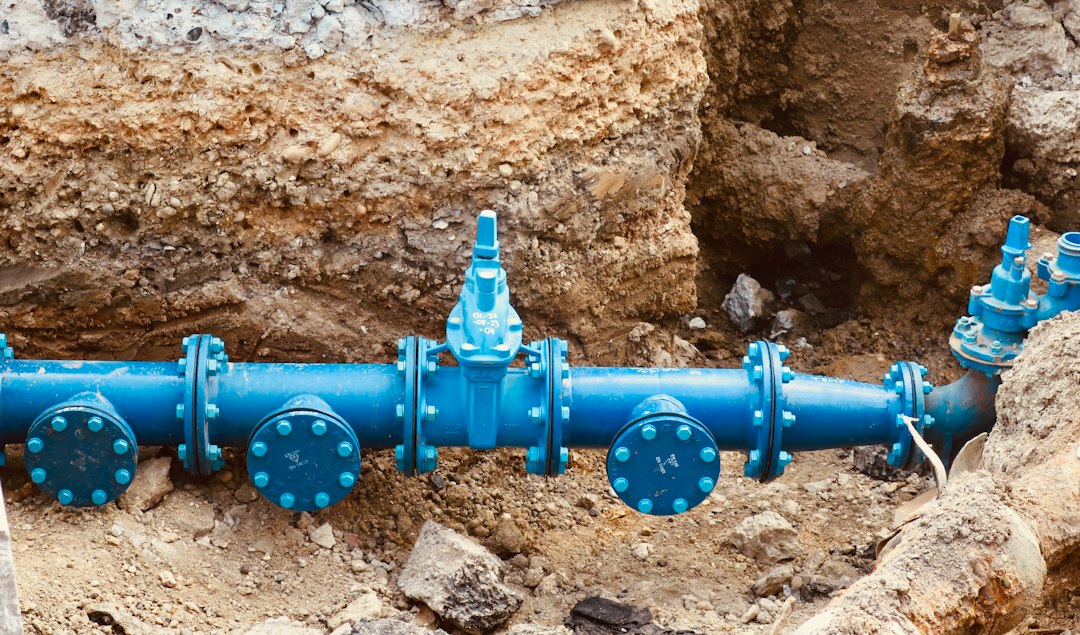
Sewer line replacement becomes necessary when damage extends beyond a single, isolated spot—think severe corrosion, collapsed pipes, extensive root intrusion, or multiple failure points along the line. A professional camera inspection is the only reliable way to...
by admin | Oct 13, 2026 | Blog, Plumbing, Sewer
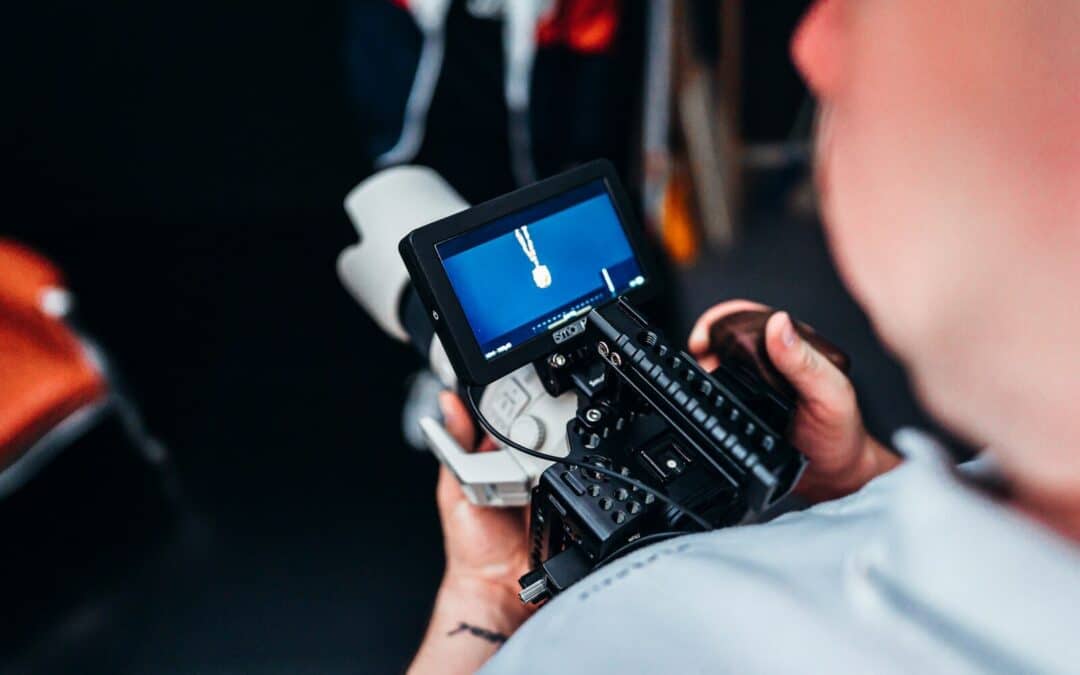
A sewer camera inspection uses a waterproof camera attached to a flexible rod to examine the inside of your sewer line without digging. It helps us identify root intrusion, cracks, corrosion, blockages, and collapsed pipes so we can recommend the right repair....
by admin | Oct 9, 2026 | Blog, Plumbing, Sewer
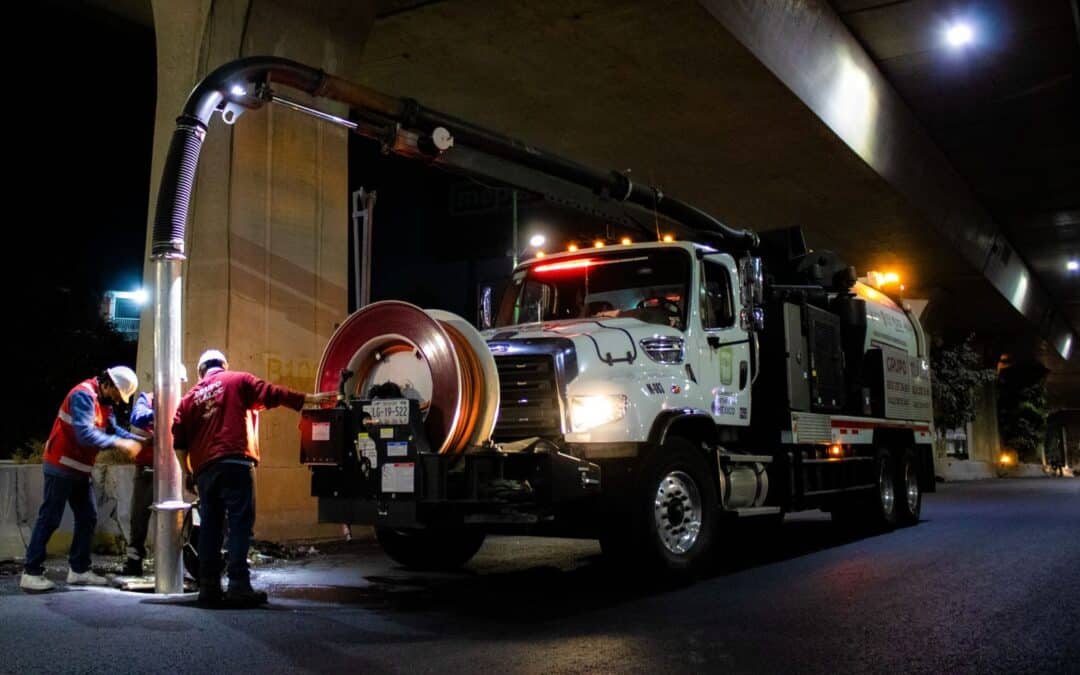
A sewer backup happens when wastewater can’t exit through your home’s main sewer line and flows back into sinks, tubs, and drains instead. Common causes include grease buildup, tree root intrusion, aging pipes, flushed debris, and heavy rainfall...
by admin | Oct 7, 2026 | Plumbing
Warning signs of sewer line damage include persistent odors, multiple slow drains, gurgling toilets, soggy patches in the yard, and sewage backups. MD Sewer & Plumbing Services diagnoses the cause with a video camera inspection, then recommends the least invasive...
by admin | Sep 29, 2026 | Blog, Outdoor Plumbing, Plumbing
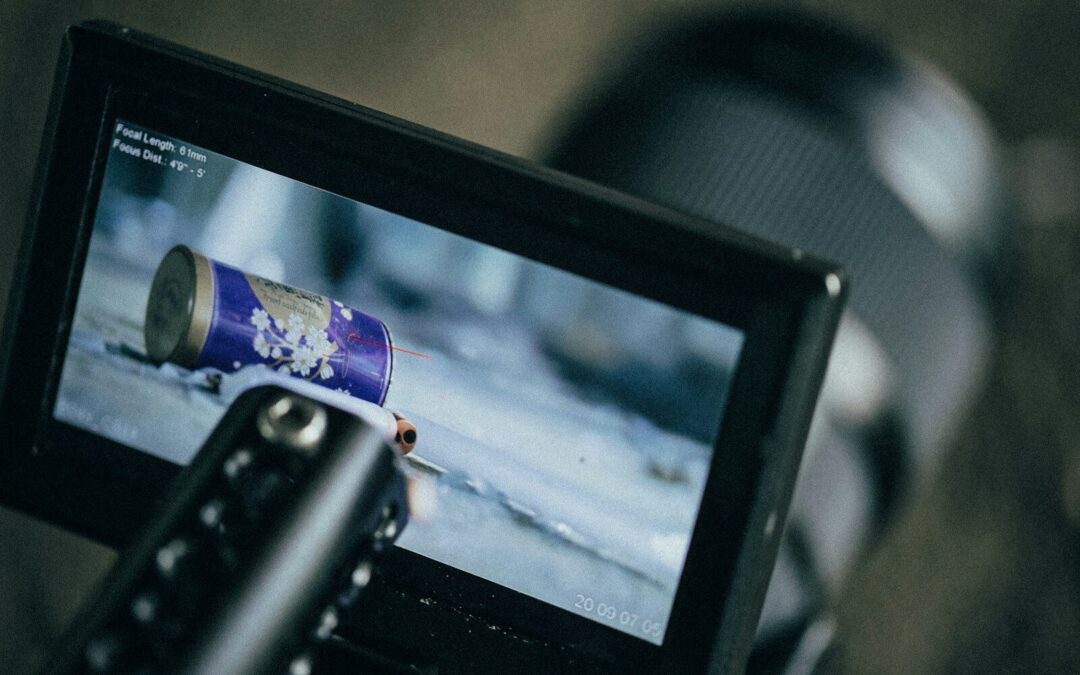
A plumbing camera inspection uses a waterproof, high-resolution camera fed through pipes to pinpoint clogs, cracks, root intrusion, and corrosion without any digging. Professional-grade cameras can reach depths of 100 to 500 feet and are equipped with bright LED...
by admin | Sep 25, 2026 | Blog, Commercial Plumbing, Plumbing
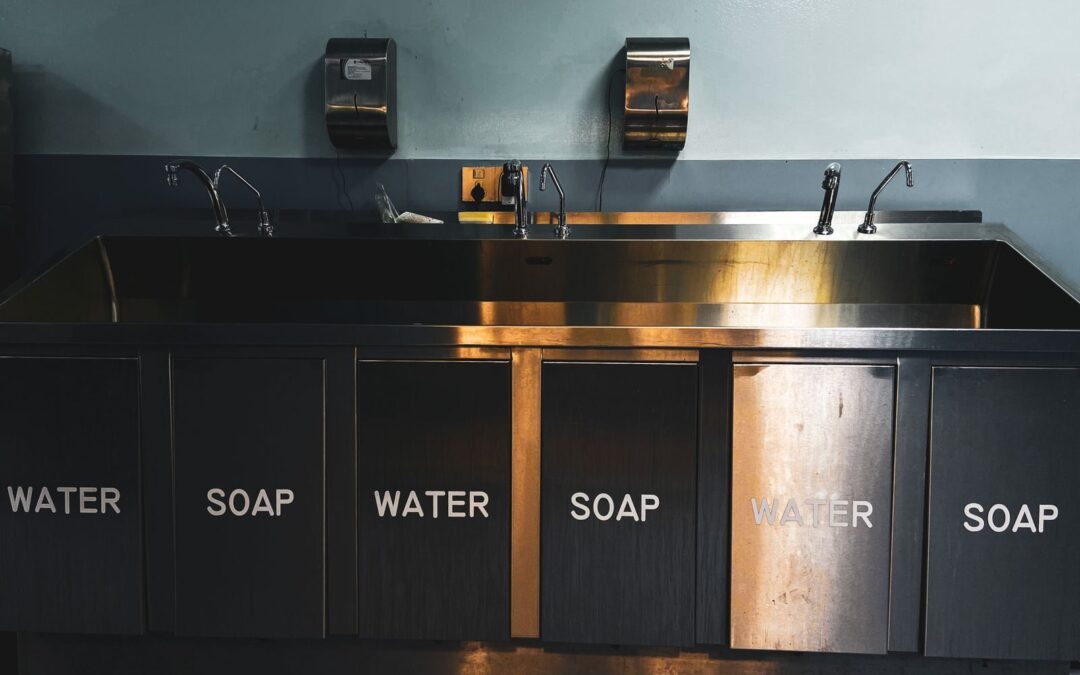
Commercial plumbing serves offices, restaurants, schools, and other businesses with heavy-duty systems built for constant use. Unlike residential plumbing, it requires industrial-grade materials, stricter health codes, and specialized expertise. I’ve spent over...