A slow or clogged kitchen sink drain can quickly turn into a frustrating problem. Water may begin to sit in the sink, drain slowly, or leave food debris and grease behind. Over time, this buildup can create a stubborn clog that blocks the normal water flow through your pipes.
The good news is that many minor clogs can be cleared with a kitchen sink plunger. When used properly, a sink plunger creates pressure and suction inside the drain line, helping to unclog debris trapped in the plumbing.
In this guide, I’ll walk you through how to use a drain plunger, what causes kitchen sink clogs, and when it’s time to call a professional plumber.
Schedule Service Online
Get a free estimate so you know what you're signing up for
"*" indicates required fields
For Emergency Services Call: 410-255-9300
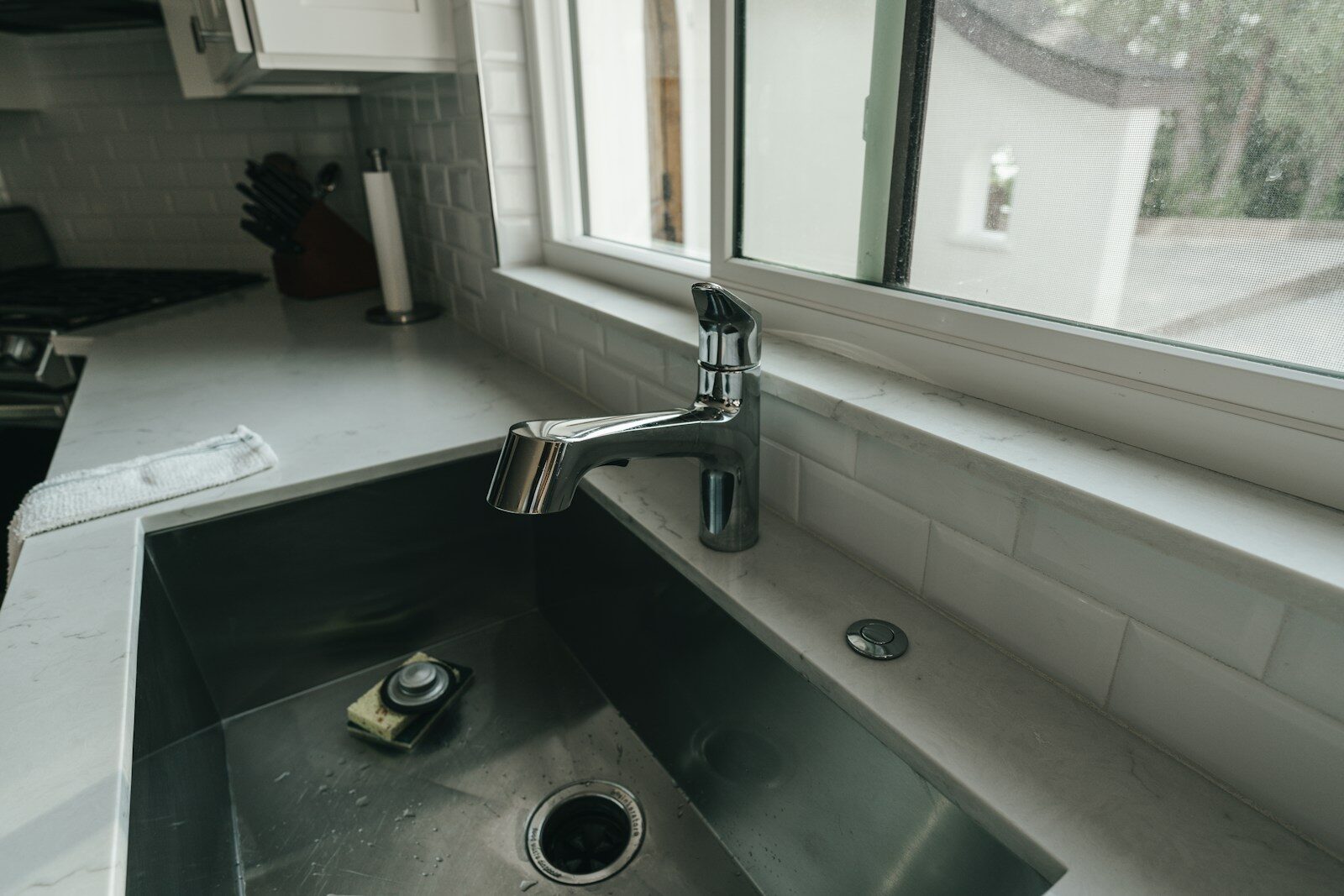
Photo by Henry Kobutra on Unsplash
What Causes Kitchen Sink Clogs
Most kitchen sink clogs build slowly over time. Everyday use pushes food scraps, grease, and soap residue down the sink drain, where they begin collecting inside the pipes.
Common causes include:
Grease buildup
Cooking grease is one of the most common causes of a kitchen sink drain clog. When grease cools, it sticks to the inside of the pipes and collects debris.
Food debris
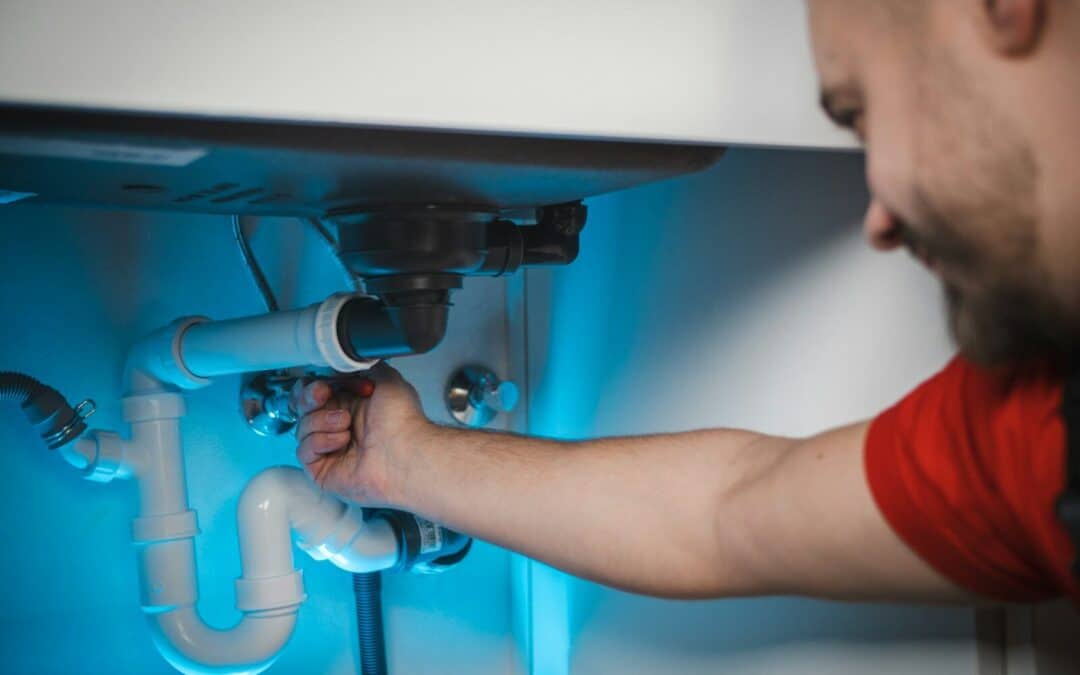
Small food particles easily become trapped inside the p trap or u shaped trap, eventually forming a blockage.
Soap residue
Soap from washing dishes can mix with grease and food particles, creating thick buildup inside the drain line.
Objects stuck in the drain
Bottle caps, food scraps, and other debris can block small drains and slow the water flow.
These problems don’t just affect kitchens. Similar clogs can happen in bathroom sinks, bathroom drains, shower drains, bathtub drains, and even showers if buildup collects inside the plumbing.
What Is a Kitchen Sink Plunger and How It Works
A kitchen sink plunger is designed specifically for clearing clogs in sink drains and other small drains.
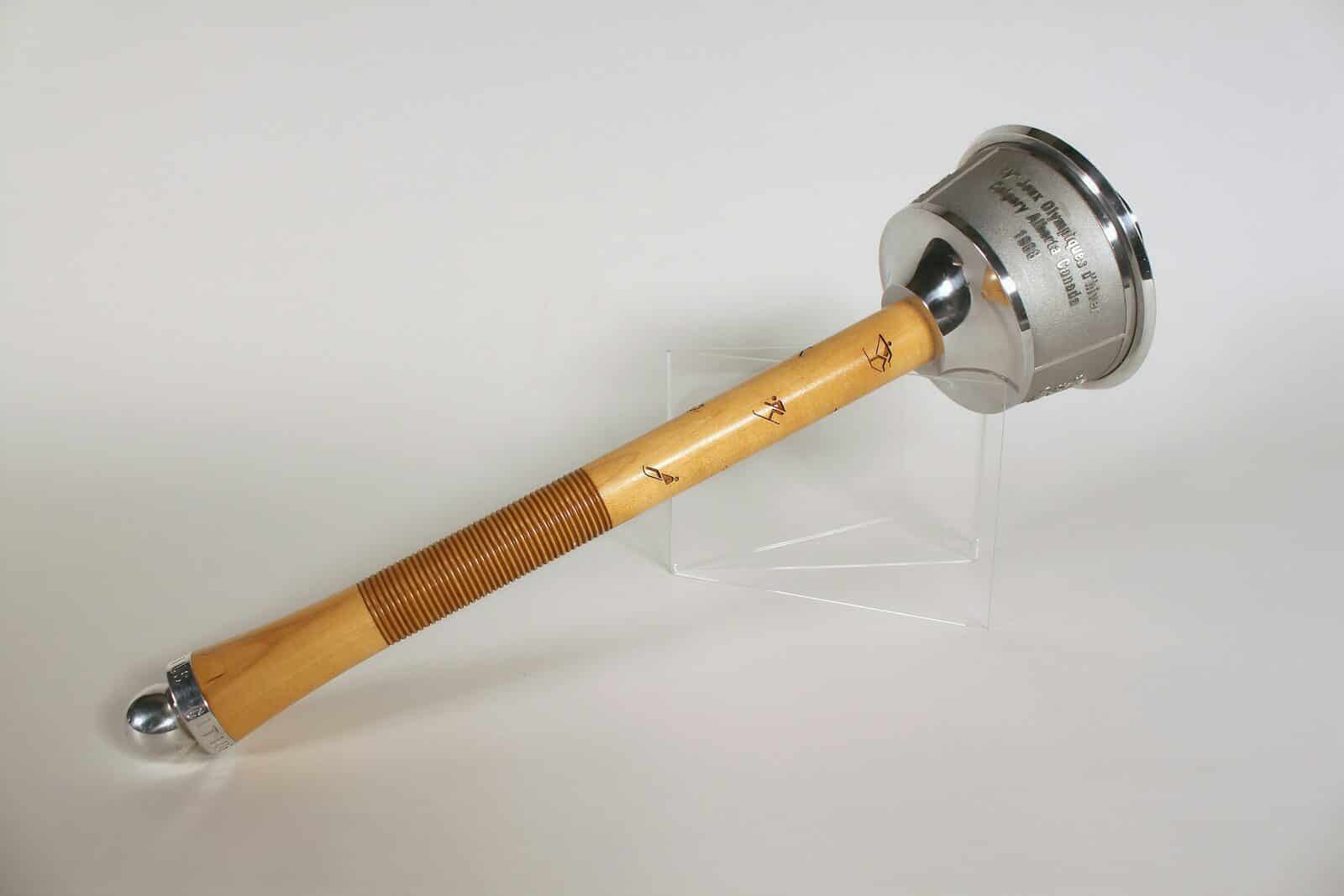
Unlike a toilet plunger, which has a narrow extension, a sink plunger typically features:
- A flat rubber cup
- A sturdy ergonomic handle
- A universal fit designed for sinks and tubs
The plunger works by creating strong pressure and suction inside the drain line. As you push and pull the plunger handle, water inside the pipes moves back and forth, helping break apart debris and restore water flow.
A good drain plunger often works great for minor clogs without the need for harsh chemicals like drain o.
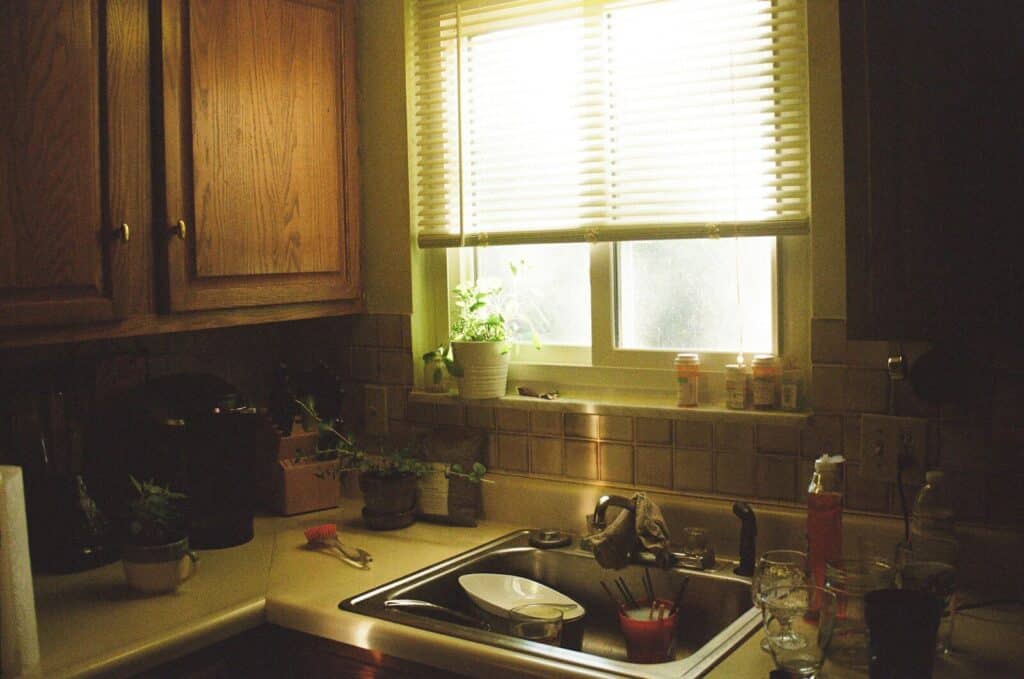
Photo by Kelly Moon on Unsplash
Step-by-Step Guide to Using a Kitchen Sink Plunger
If your kitchen sink drain is slow or completely clogged, follow these steps to safely unclog it.
1. Fill the Sink with Enough Water
Before plunging, make sure there is enough water in the sink to cover the rubber cup of the sink plunger.
If the sink is empty, fill it with hot water. Sometimes even very hot water or boiling water can begin loosening grease before plunging starts.
This step helps the plunger create the right pressure and seal.
2. Seal the Plunger Over the Drain
Place the kitchen sink plunger directly over the sink drain.
Make sure the plunger cup fully covers the drain opening and creates a tight seal. Without a proper seal, the plunger work will not generate enough pressure to clear the clog.
If your sink has a second basin or overflow opening, cover it with a wet towel or plug to improve suction.
3. Begin Plunging
Firmly grip the ergonomic handle and start plunging.
Use steady movements to push and pull the plunger up and down. This creates strong pressure and suction inside the pipes, which can break grease buildup and loosen debris stuck in the drain line.
Avoid forcing the plunger too aggressively. Controlled movements usually work better.
4. Repeat the Plunging Cycles
Continue to plunge for about 20 seconds.
Lift the plunger occasionally to allow water to move through the pipes. This helps carry loosened stuff, grease, and debris down the drain line.
If the clog breaks apart, you should notice improved water flow.
5. Flush the Drain
Once the clog loosens, run hot water or boiling water down the drain to flush the pipes.
This helps remove any remaining grease, soap residue, or small debris from the p trap and surrounding plumbing.
Additional Methods for Stubborn Clogs
If plunging doesn’t fully remove the clog, you may need to try other tools.
Drain snake or auger
A drain snake or auger can reach deeper into the drain line to remove stubborn clogs.
Baking soda and vinegar trick
A simple vinegar trick can sometimes break up buildup.
Pour baking soda into the sink drain, followed by vinegar. The reaction helps loosen soap and grease.
Cleaning the trap
Sometimes the clog is located in the U-shaped trap or P-trap under the sink. Carefully removing and cleaning this trap can restore water flow.
Be sure to place a bucket on the floor before removing the trap to catch dirty water.
Common Mistakes When Using a Plunger
Many homeowners unintentionally make clogs worse while trying to fix them.
Avoid these common mistakes:
Using the wrong plunger
A toilet plunger may not create the correct seal for a kitchen sink drain.
Not using enough water
Without enough water, the plunger cannot generate enough pressure.
Using harsh chemicals first
Chemical cleaners may damage pipes and create stains or corrosion inside plumbing systems.
Ignoring slow drains
A slow sink drain is often the first sign of a developing clog.
When to Call a Professional Plumber
Sometimes a clogged sink signals a deeper plumbing problem.
Call a professional plumber if you notice:
- Repeated stubborn clogs
- Water is backing up into other drains
- Gurgling sounds from pipes
- Water is leaking from the P-traps
- Slow drainage in bathroom sinks, bathtub drains, or showers
These issues may indicate a deeper blockage in the drain line.
Professional plumbers often use equipment such as:
- Motorized drain snake machines
- Heavy-duty auger systems
- Advanced pipe inspection tools
These tools safely remove deep blockages and restore proper plumbing flow.
Preventing Future Sink Clogs
Preventive care is one of the best home improvement habits homeowners can develop.
Simple steps include:
- Avoid pouring grease into the sink
- Install a drain cover to catch debris
- Run hot water after washing dishes
- Scrub grease and soap residue from sinks regularly
- Schedule periodic plumbing maintenance
These small habits help protect your kitchen sink drain, pipes, and overall plumbing system.

Schedule Professional Drain Cleaning Today
If your kitchen sink plunger isn’t solving the problem, professional drain cleaning may be necessary.
At MD Sewer & Plumbing, we’ve helped homeowners solve stubborn sink, drain, and plumbing problems for more than 35 years. Our licensed technicians use advanced tools to clear clogs safely and restore proper water flow.
Whether you’re dealing with grease buildup, debris in the p-trap, or deeper drain line issues, we’re ready to help.
Don’t wait for a small clog to turn into a major plumbing issue. Let MD Sewer & Plumbing clear your drains and keep your home running smoothly.
Helpful Links and Resources for Kitchen Sink Plungers
- How to Unclog a Kitchen Sink: A step-by-step guide from the Family Handyman on how to unclog a kitchen sink using various methods, including plungers. Visit Family Handyman
- Plumbing Basics: How to Use a Plunger Effectively: A detailed article by This Old House explaining the proper techniques for using a plunger on different types of clogs. Visit This Old House
- Common Causes of Kitchen Sink Clogs: Learn about the most common reasons for kitchen sink clogs and how to prevent them, courtesy of Bob Vila. Visit Bob Vila
- DIY Plumbing Tips for Homeowners: A comprehensive resource from the DIY Network offering plumbing tips, including how to handle sink clogs. Visit DIY Network
- Eco-Friendly Drain Cleaning Solutions: Discover natural and eco-friendly ways to clean your drains and maintain your plumbing system from Green America. Visit Green America
- How to Maintain Your Kitchen Sink and Drain: A helpful maintenance guide from HGTV to keep your kitchen sink and drain in top condition. Visit HGTV
- Understanding Your Home’s Plumbing System: A beginner-friendly overview of home plumbing systems from the Home Depot, including tips for troubleshooting sink issues. Visit Home Depot