A sink is one of those fixtures you use every single day without thinking much about it.
You wash your hands. Rinse dishes. Brush your teeth. Fill a pot with hot water. Clean up after dinner. Get ready in the morning. Then one day, the sink drain slows down, the cabinet underneath feels damp, a bad odor starts coming from the drain, or water begins dripping where it definitely should not be dripping.
That is when sink plumbing suddenly becomes very important.
Schedule Service Online
Get a free estimate so you know what you're signing up for
"*" indicates required fields
For Emergency Services Call: 410-255-9300
At MD Sewer & Plumbing Services, I help homeowners and businesses understand what is going on behind the scenes so plumbing problems feel less overwhelming. We are a family-owned plumbing company with over 35 years of trusted experience serving Pasadena, Maryland, and nearby communities. From emergency repairs and drain cleaning to water heater installations and full sewer line services, we provide honest, affordable, high-quality plumbing care 24/7.
In this guide, I’ll walk you through the basics of sink plumbing, common problems to watch for, and when calling professional plumbers is the smarter, safer option.
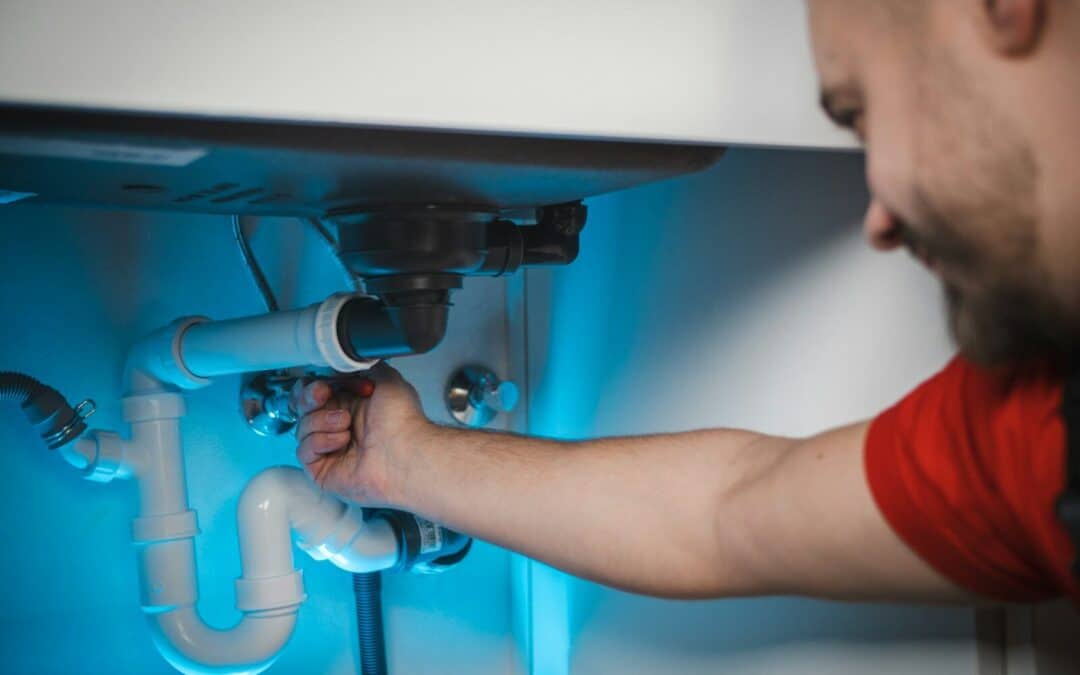
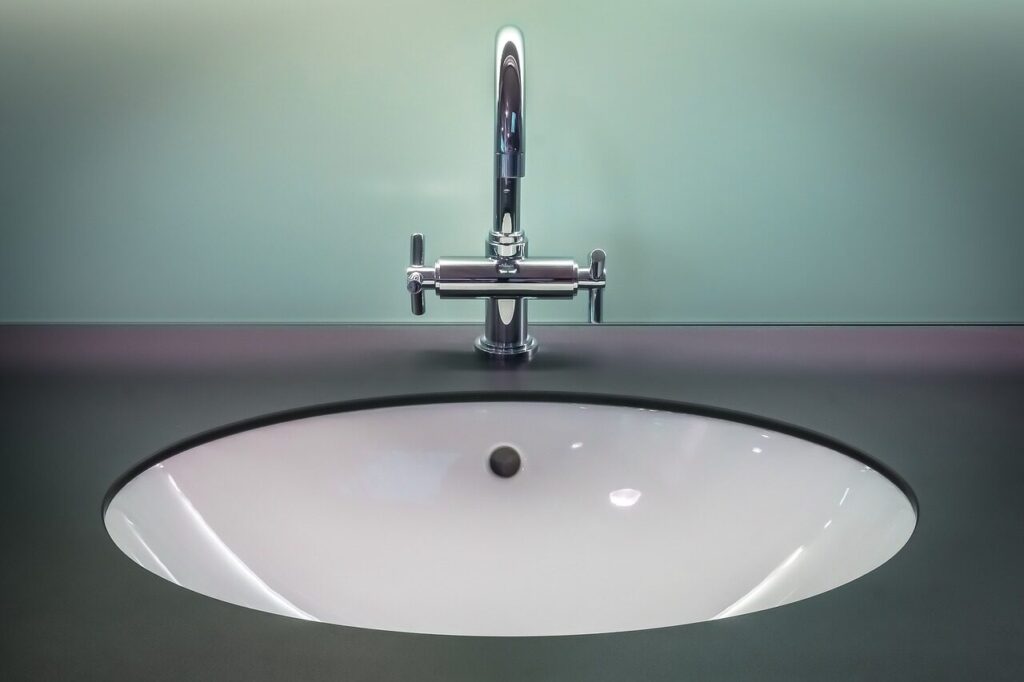
Photo by Tsuyoshi Kozu on Unsplash
What Is Sink Plumbing?
Sink plumbing includes the water supply lines, faucet connections, sink drain, drain pipe, P-trap, shutoff valves, washers, nuts, fittings, and seal points that allow your sink to bring water in and carry wastewater out.
Most sinks have two main plumbing systems working together:
The first is the water supply system. This brings hot water and cold water to the faucet through supply lines.
The second is the drain system. This carries used water from the basin through the sink drain, tailpiece, P-trap, and drain pipe into the wall or floor plumbing.
When everything is working correctly, water flows in, drains out, and stays contained inside the pipes. When something fails, you may see leaks, slow drainage, bad smells, water damage, or standing water in the sink.
That is why understanding the basic parts can help you catch issues early.
How a Sink Drain Works
Your sink drain starts at the drain opening inside the basin. From there, water moves into a tailpiece, which is the vertical pipe or tube underneath the sink. The tailpiece connects to the P-trap, and the P-trap connects to the drain pipe that leads into the wall.
A typical sink drain includes:
- Drain flange
- Tailpiece
- Washers
- Slip nuts
- P-trap
- Trap arm
- Drain pipe
- Wall adapter or fitting
- Seal points
The sink drain is designed to move water out of the basin while preventing sewer gases from coming back into your home. That is one reason the P-trap is so important.
If the drain becomes clogged, loose, cracked, or poorly sealed, problems can show up quickly. You may notice water backing up, leaks underneath the sink, odors, or damage inside the vanity or cabinet.
Bathroom Sink Plumbing Basics
Bathroom sink plumbing is usually smaller and simpler than kitchen sink plumbing, but it still needs to be installed and maintained correctly.
Under a bathroom vanity, you will typically find:
- Hot water supply line
- Cold water supply line
- Shutoff valves
- Faucet connections
- Tailpiece
- P-trap
- Drain pipe going into the wall
- Nuts, washers, and fittings
Bathroom plumbing problems often come from hair, soap scum, toothpaste, small debris, worn washers, loose connections, or corrosion around metal parts.
Common bathroom sink issues include:
- Slow drain
- Clogged drain
- Leaking P-trap
- Dripping faucet
- Loose faucet base
- Bad drain odor
- Water underneath the vanity
- Rusted or corroded fittings
- Pop-up drain problems
A bathroom sink leak may look small at first, but water inside a vanity can damage wood, flooring, drywall, and stored items. If you see moisture underneath the sink, it is worth checking right away.
Kitchen Sink Plumbing Basics
A kitchen sink works harder than almost any other sink in the house.
It handles food scraps, grease, dish soap, hot water, cleaning products, and frequent daily use. If you have a garbage disposal, dishwasher connection, or double-basin sink, the plumbing underneath can be even more involved.
Kitchen sink plumbing may include:
- Faucet supply lines
- Shutoff valves
- Sink drain
- Garbage disposal connection
- Dishwasher drain hose
- P-trap
- Drain pipe
- Cleanout access
- Plastic or metal fittings
- Slip nuts and washers
- Wall adapter
Kitchen sink clogs are often caused by grease, food waste, coffee grounds, soap buildup, and debris that should not go down the drain. Even if water still moves, buildup can narrow the pipe over time and eventually cause a backup.
My biggest advice for homeowners is simple: do not pour grease down the kitchen sink. It may go down as liquid, especially with hot water, but it can cool and harden inside the drain pipe. Over time, that can create a stubborn clog.
What Is a Drain Pipe?
The drain pipe carries wastewater away from your sink and into the home’s larger plumbing system.
Under most sinks, the drain pipe connects to the P-trap and continues into the wall or floor. Some drain pipes are plastic, such as PVC. Others may be metal, especially in older homes.
Drain pipe problems may include:
- Clogs
- Loose fittings
- Cracked pipe
- Corrosion
- Poor slope
- Bad seal
- Leaks at connection points
- Improper installation
- Odors from poor venting or trap issues
If the drain pipe is leaking inside the wall, the signs may be less obvious. You may notice musty smells, water stains, soft drywall, cabinet damage, or flooring problems.
This is one reason professional plumbing help is valuable. We can diagnose whether the issue is directly under the sink or deeper in the line.
Why the P-Trap Matters
The P-trap is the curved pipe underneath your sink. It is called a P-trap because of its shape.
The P-trap holds a small amount of water inside the curve. That water creates a seal that helps block sewer gases from coming back up through the drain and into your bathroom or kitchen.
The P-trap also catches some debris before it moves farther into the plumbing system. That can be helpful, but it also means this area is a common place for clogs.
Signs of a P-trap problem include:
- Bad smell from the drain
- Slow drainage
- Leak under the sink
- Loose trap connections
- Water dripping from slip nuts
- Gurgling sounds
- Visible corrosion or cracks
Sometimes the fix is simple, such as tightening a nut or cleaning out the trap. Other times, the P-trap may need to be replaced.
If you disassemble a P-trap yourself, use caution. Place a bowl or bucket underneath because the trap will likely be filled with water and debris. Also make sure everything is sealed properly when you reassemble it. A small mistake can lead to a leak inside your cabinet.
Should You Use a P-Trap Kit?
A P-trap kit can be useful when replacing sink plumbing under a bathroom or kitchen sink. These kits are often sold at hardware stores and may include a trap, washers, nuts, and connecting pieces.
Some homeowners are comfortable replacing a P-trap kit as a DIY project. In simple cases, it can be manageable with basic tools and careful steps.
But not every sink is the same.
You may run into problems if:
- The existing pipe is metal and corroded
- The drain pipe does not line up
- The pipe needs to be cut
- The wall adapter is damaged
- The sink has unusual fittings
- The trap size is wrong
- The cabinet has limited access
- The leak is not actually from the P-trap
- The home has older plumbing
- A previous repair was done incorrectly
This is where many DIY articles make the job look easier than it really is. A product online may say it is designed for easy installation, but your home’s plumbing may not match the example.
If you are unsure, calling a plumber can save time, prevent leaks, and protect your home from water damage.
Common Sink Plumbing Problems
Sink plumbing issues can show up in several ways.
Slow Drains
A slow drain usually means buildup is forming somewhere in the sink drain, P-trap, or drain pipe. In bathrooms, hair and soap are common causes. In kitchens, grease and food waste are common culprits.
Under-Sink Leaks
Leaks underneath the sink may come from loose nuts, worn washers, cracked plastic pipe, corroded metal pipe, faucet connections, supply lines, or a bad seal around the drain.
Bad Odors
A bad smell from the drain may point to a dry P-trap, buildup in the drain, venting issues, or sewer gas escaping from a failed seal.
Dripping Faucets
A dripping faucet may seem minor, but it can waste water and raise utility costs. It may also point to worn internal parts.
Loose or Damaged Pipes
Over time, pipes underneath the sink can loosen, shift, corrode, or crack. This is especially common when items are stored under the sink and bump into the plumbing.
Water Damage Inside the Vanity
If the bottom of your vanity is warped, stained, soft, or musty, there may be an ongoing leak.
Clogs That Keep Coming Back
If you keep clearing the same clog again and again, the problem may be deeper than the sink trap. You may need professional drain cleaning.
DIY Sink Plumbing: When to Use Caution
I understand why homeowners want to try simple repairs themselves. Some sink plumbing tasks look easy at first glance. Tighten a nut, replace a washer, remove the trap, clean it out, put it back together.
In some cases, that works.
But DIY plumbing can also go wrong quickly. A connection that is not sealed properly can leak slowly for days or weeks. A pipe that is cut too short may not fit. A plastic fitting can crack if overtightened. A metal pipe may break if it is old and corroded.
Use caution with DIY sink plumbing if:
- You see corrosion
- The leak is inside the wall
- The pipe is old metal
- You do not know what type of pipe you have
- You cannot access the area easily
- The clog keeps returning
- Water is damaging the cabinet or floor
- You need to install a new sink
- You are replacing a vanity
- You are not sure how the pieces connect
There is nothing wrong with wanting to handle small home projects. But plumbing protects your home, and water damage can get expensive fast.
When in doubt, it is worth calling a professional.
Installing a New Sink
Installing a new sink involves more than placing the basin into the counter.
The faucet, supply lines, sink drain, tailpiece, P-trap, drain pipe, seal, and fittings all need to connect correctly. If you are replacing a bathroom vanity, the plumbing may also need to line up with the new cabinet, wall opening, or drain location.
A new sink installation may involve:
- Removing the old sink
- Checking existing plumbing
- Installing the faucet
- Connecting hot water and cold water supply lines
- Installing the drain assembly
- Connecting the P-trap
- Sealing the basin properly
- Checking for leaks
- Testing water flow
- Confirming proper drainage
If the new sink has a different shape, depth, drain location, or faucet setup, adjustments may be needed. That is when professional installation can make the process smoother.
At MD Sewer & Plumbing, we help homeowners install sinks properly so they can avoid leaks, poor drainage, and future repair issues.
Replacing Sink Plumbing Underneath a Vanity
The plumbing underneath a vanity can wear out over time.
Washers can fail. Nuts can loosen. Plastic parts can crack. Metal pipes can corrode. The trap can collect buildup. The pipe going into the wall can become damaged or misaligned.
Replacing old sink plumbing may be a smart choice if:
- The P-trap leaks
- The drain pipe is corroded
- The vanity is being replaced
- The sink is being upgraded
- The fittings no longer seal
- The trap has been repaired multiple times
- You notice recurring odors or leaks
- The plumbing looks old or poorly assembled
In older Pasadena-area homes, replacing worn plumbing underneath the sink can help prevent surprise leaks and protect the cabinet, floor, and wall.
Bathroom Plumbing and Kitchen Plumbing: Why Professional Help Matters
Both bathroom plumbing and kitchen plumbing play a major role in daily life.
When a bathroom sink does not drain, your morning routine gets frustrating. When a kitchen sink backs up, meal cleanup becomes a mess. When either one leaks, water damage can spread quickly.
Professional plumbers bring the tools, techniques, and experience needed to diagnose the real problem.
At MD Sewer & Plumbing, we can help with:
- Sink leak repair
- Sink drain repair
- Drain cleaning
- P-trap replacement
- Faucet installation
- New sink installation
- Bathroom vanity plumbing
- Kitchen sink plumbing
- Garbage disposal connections
- Dishwasher drain connections
- Pipe repair
- Emergency plumbing service
We offer 24/7 Emergency plumbing services because some problems cannot wait until tomorrow.
How to Check for Sink Plumbing Leaks
A quick check under your sink can help catch problems early.
Here is what to look for:
- Water droplets on pipes
- Dampness underneath the cabinet
- Stains on the vanity floor
- Musty smells
- Mold or mildew
- Corrosion on metal fittings
- Loose nuts
- Cracked plastic pipes
- Water around the faucet base
- Drips when the sink is filled and drained
- Leaks when hot water is running
- Damage near the wall connection
Try running water while watching underneath the sink. Then fill the basin and release the water all at once. This can help reveal leaks that only happen when the drain is under heavier flow.
If you find a leak, do not ignore it. Even a small drip can cause damage over time.
How to Prevent Sink Plumbing Problems
A little maintenance can help your sink plumbing last longer.
Try these simple habits:
- Keep grease out of the kitchen sink
- Use a drain screen to catch food and hair
- Avoid flushing debris down bathroom sinks
- Do not overtighten visible fittings
- Check under sinks every few months
- Fix small leaks early
- Avoid storing heavy products against pipes
- Watch for slow drains
- Schedule professional drain cleaning when clogs repeat
- Call a plumber if odors or leaks return
Preventive care is almost always cheaper than emergency repairs.

When to Call MD Sewer & Plumbing Services
You should call a plumber when the problem is beyond a simple fix, keeps coming back, or could cause damage.
Call us if:
- Your sink drain is clogged
- Water is leaking underneath the sink
- The P-trap is cracked or corroded
- The drain pipe is leaking
- The bathroom sink smells bad
- The kitchen sink backs up
- The faucet is dripping
- You are installing a new sink
- You are replacing a vanity
- You see water damage
- You need emergency help
- You are not sure what is wrong
Our licensed, highly trained technicians use advanced tools and proven techniques to find the issue and recommend the right solution. We also provide upfront pricing, so you know what to expect before work begins.
As a family-owned company, we treat customers like neighbors. That means honest answers, respectful service, and repairs done with care.
Why Homeowners Trust MD Sewer & Plumbing
For over 35 years, MD Sewer & Plumbing Services has helped homeowners, property managers, landlords, and businesses in Pasadena and surrounding Maryland communities solve plumbing problems quickly and professionally.
Customers trust us because we offer:
- 35+ years of experience
- 24/7 emergency plumbing service
- Licensed, skilled technicians
- Honest, upfront pricing
- Free estimates
- Drain cleaning and sewer expertise
- Water heater installation
- Preventive maintenance
- Easy online scheduling
- Family-owned service with real care
We know plumbing problems can feel stressful. Our job is to make the process easier.
Whether your sink is leaking, your drain is clogged, or your new vanity needs proper installation, we are ready to help.
Helpful Maryland Plumbing Links for Homeowners
When plumbing problems happen, having the right information can make the process a lot less overwhelming. These Maryland plumbing resources can help homeowners find qualified professionals, check licensing, understand consumer protections, and learn more about preventing common plumbing issues.
- MD Sewer & Plumbing Services | A trusted, family-owned plumbing company serving Pasadena, Maryland, and surrounding areas with 24/7 emergency plumbing, drain cleaning, sewer services, water heater work, and more.
- Maryland Department of Labor License Search | A helpful place to confirm whether a plumber, contractor, or plumbing business holds the proper Maryland license.
- Maryland Home Improvement Commission Consumer Resources | This consumer resource helps homeowners better understand hiring requirements, contractor licensing, and home improvement protections in Maryland.
- Maryland Attorney General Consumer Protection Division | A useful resource for Maryland residents who need support with a business complaint or consumer protection concern.
- People’s Law Library: Home Improvement Contract Tips | This guide explains key things homeowners should know before signing a home improvement contract, including licensing, insurance, permits, and payment terms.
- WSSC Water: Finding and Verifying a Plumber/Gasfitter | A helpful verification resource for homeowners in WSSC Water service areas who want to check a plumber or gasfitter before scheduling work.
- WSSC Water: Information for Homeowners | This page gives homeowners helpful information about plumbing permits, inspections, and homeowner responsibilities for permitted work.
- EPA WaterSense: Fix a Leak Week | A water-saving guide that teaches homeowners how to spot common leaks and take action before they lead to higher bills or property damage.
From clogged drains and sewer line concerns to leaking pipes and water heater problems, it pays to know where to turn for trustworthy information. These resources can help Maryland homeowners protect their homes, verify plumbing professionals, and better understand the steps involved in safe, reliable plumbing service.
Final Thoughts on Sink Plumbing
Sink plumbing may look simple from above, but a lot is happening underneath the basin.
Your sink drain, drain pipe, P-trap, supply lines, washers, nuts, fittings, faucet, and seals all need to work together to move water safely in and out of your home. When one part fails, you may see leaks, clogs, bad odors, slow drainage, or water damage.
The good news is that most sink plumbing problems can be repaired when they are caught early.
At MD Sewer & Plumbing Services, we bring more than 35 years of experience, 24/7 availability, skilled technicians, and honest pricing to every job. Whether you need sink repair, drain cleaning, new sink installation, bathroom plumbing, kitchen plumbing, or emergency service, we are here to help keep your home running smoothly.