Learning how to install a toilet can be helpful for any homeowner, even if you decide not to do the job yourself.
A toilet may look simple from the outside, but the installation has to be done correctly. The toilet bowl needs to sit level on the bathroom floor. The wax ring or wax seal needs to be properly set. The water supply line needs to connect without leaks. The toilet tank needs to be secured without cracking the porcelain. And the toilet flange needs to be in good condition so sewer gases stay where they belong: inside the plumbing system.
At MD Sewer & Plumbing Services, I’ve seen plenty of toilet installation problems that started with good intentions. A homeowner replaces a toilet, tightens the bolts a little too much, misses a damaged floor flange, or reuses old wax, and suddenly, there is water damage underneath the base of the toilet.
Schedule Service Online
Get a free estimate so you know what you're signing up for
"*" indicates required fields
For Emergency Services Call: 410-255-9300
That is why this guide is meant to give you a practical overview. Some homeowners may feel comfortable installing a new toilet, but if anything looks damaged, uneven, corroded, loose, or unfamiliar, calling a professional plumber can save you from a much more expensive repair later.
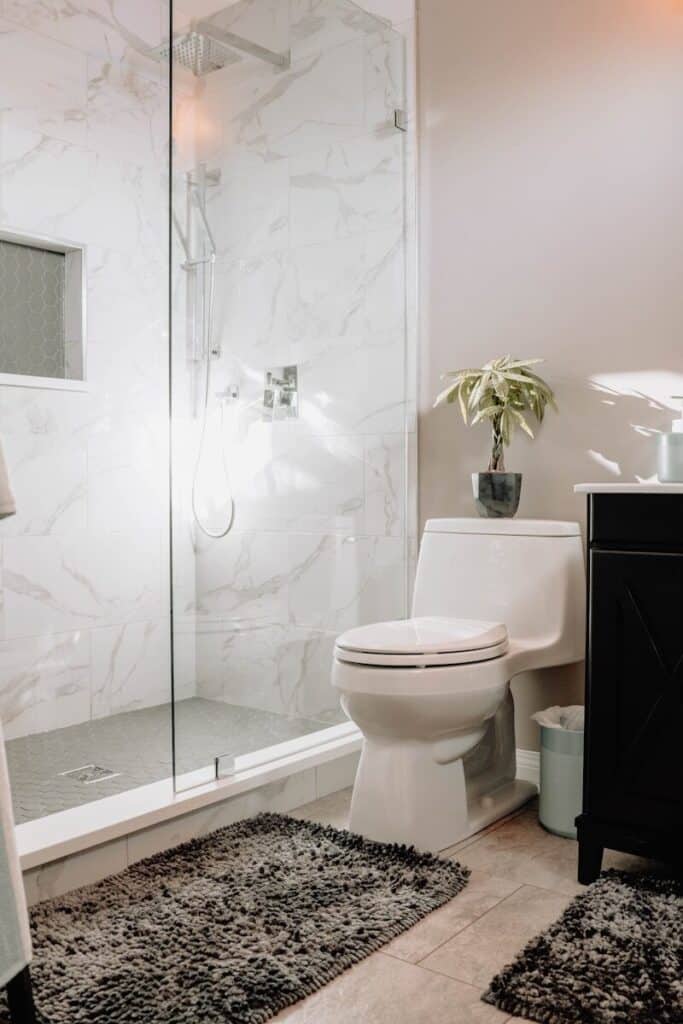
How to Install a Toilet: What Homeowners Should Know First
Before you install a toilet, it helps to understand the main parts involved.
A basic toilet installation includes:
- Toilet bowl
- Toilet tank
- Toilet seat
- Wax ring or new wax seal
- Toilet flange or closet flange
- Closet bolts, also called Johnny bolts
- Tank bolts
- Metal washers and nuts
- Water supply line
- Shutoff valve
- Floor flange
- Soil pipe or sewer line connection
- Trim caps or plastic bolt covers
The toilet bowl connects to the drain opening in the floor. The wax ring creates a seal between the bottom of the toilet and the toilet flange. The water supply line brings fresh water to the tank. When you flush the toilet, water moves from the tank into the bowl and pushes waste through the drain line.
Everything has to line up correctly.
If the toilet is not properly set, you may notice leaks, rocking, bad odors, water around the base, or damage to the finished floor.
Removing the Old Toilet Safely
Before installing a new toilet, the old toilet has to be removed.
This usually starts by shutting off the water supply at the valve behind or near the toilet. Then you flush the toilet to remove water from the tank and bowl. There will usually still be some remaining water, so towels, a small cup, or a wet/dry vacuum may be needed.
Once the tank is mostly empty, the supply line can be disconnected. Then the bolts holding the toilet to the floor can be removed. If it is a two-piece toilet, some homeowners remove the toilet tank first, then lift the toilet bowl. A one-piece toilet is heavier because the tank and bowl are connected.
After the toilet is lifted, the old wax ring will usually remain on the flange or bottom of the toilet. That old wax needs to be removed carefully with a putty knife before a new wax ring is installed.
This part can get messy, and it is also when problems often show up. You may find a cracked flange, soft flooring, corrosion, old bolts, or signs of leaking around the base.
If you see damage at this stage, stop and call a plumber.
Preparing for the New Toilet
A new toilet should not be installed until the floor, flange, and drain opening are ready.
The toilet flange should sit securely at the correct height in relation to the finished floor. If the flange is cracked, too low, too high, loose, or uneven, the toilet may not seal properly. That can lead to leaks around the base of the toilet or sewer gas odors in the bathroom.
Before setting the new toilet bowl, check:
- Is the bathroom floor solid?
- Is the toilet flange secure?
- Are the closet bolts in good condition?
- Is the old wax fully removed?
- Is the drain opening clear?
- Is the finished floor level?
- Is there any sign of past water damage?
- Is the water supply line in good condition?
This is also a good time to use a tape measure to make sure the new toilet fits the space. The rough-in measurement, usually the distance from the wall to the center of the drain opening, needs to match the toilet you purchased.
A toilet that does not fit correctly can create installation headaches fast.
Installing a New Toilet Starts With the Wax Ring
When installing a new toilet, the wax ring is one of the most important pieces.
The wax ring, sometimes called a wax seal, sits between the toilet bowl and the closet flange. Its job is to create a watertight and gas-tight seal. If the wax seal fails, water can leak under the toilet every time you flush, and sewer gases can enter the bathroom.
A new wax ring should be used every time a toilet is installed or reset. Reusing old wax is one of the most common mistakes homeowners make.
Some wax rings come with a plastic horn or sleeve. Some toilets may use wax-free seals instead. The right option depends on the toilet, flange height, floor condition, and plumbing setup.
The key is making sure the toilet is properly set up the first time. Once the wax compresses, moving the toilet can break the seal. If that happens, you should use a new wax seal instead of trying to reuse the same one.
Toilet Installation and Setting the Bowl
During toilet installation, the toilet bowl must be carefully lowered straight down over the closet bolts and onto the wax ring.
This is not a step to rush.
The bowl needs to line up with the new closet bolts, sit centered over the flange, and be gently pressed into place. Rocking or twisting too much can disturb the wax and weaken the seal.
Once the bowl is seated, the nuts and washers are added to the closet bolts. These should be tightened evenly, but not too tightly. Porcelain can crack if you over-tighten the bolts.
A properly set toilet should feel stable and level. If it rocks, the floor may be uneven, the flange may be too high or low, or the toilet may need shims. A rocking toilet should not be ignored because movement can break the wax seal over time.
That is one of the reasons professional installation is often worth it. A plumber can spot these issues before they become leaks.
Install a Toilet the Right Way: Avoid These Common Mistakes
If you decide to install a toilet yourself, there are a few common mistakes to avoid.
Reusing Old Wax
Old wax does not reseal properly. Always use a new wax ring or a new wax seal.
Over-Tightening Bolts
If you over-tighten the bolts, you can crack the toilet bowl or tank. Hand-tighten first, then carefully tighten only as needed.
Ignoring a Damaged Flange
A cracked, loose, or corroded toilet flange can prevent a proper seal.
Forgetting to Check the Floor
If the bathroom floor is soft, uneven, or damaged, the toilet may not sit securely.
Cutting Bolts Too Soon
Closet bolts may have excess length, but they should only be cut after the toilet is fully set and tightened correctly.
Rushing the Water Test
After you connect the water supply, always check carefully for leaks around the base, tank bolts, supply line, and shutoff valve.
Assuming All Toilets Fit the Same
Toilets come in different sizes, shapes, rough-ins, and styles. Always confirm fit before installation.
New Wax Seal: Why It Matters So Much
A new wax seal is inexpensive, but it does a very important job.
The wax seal keeps water and sewer gases from escaping where the toilet connects to the sewer line. If the seal fails, you may not see the leak right away. Water can seep under the toilet, into the floor, and even into the ceiling below if the bathroom is upstairs.
Signs of a bad wax seal include:
- Water around the base of the toilet
- Sewer gas smell in the bathroom
- Rocking toilet
- Staining near the base
- Soft or damaged flooring
- Leaks after flushing
- Moldy or musty odor
If you notice any of these signs, do not wait. A failed wax seal can lead to water damage and flooring repairs if ignored.
At MD Sewer & Plumbing, we can remove the toilet, inspect the flange, replace the wax seal, reset the toilet, and make sure everything is secure.
One-Piece Toilet vs. Two-Piece Toilet
When replacing a toilet, you may choose between a one-piece toilet and a two-piece toilet.
A two-piece toilet has a separate toilet tank and toilet bowl. These are common, often more budget-friendly, and easier to handle in pieces.
A one-piece toilet has the tank and bowl molded together. It can look cleaner and may be easier to wipe down, but it is usually heavier to lift and position.
For installation, the main difference is weight and handling. A two-piece toilet may require attaching the tank to the bowl with tank bolts, washers, and nuts. A one-piece toilet avoids that tank-to-bowl connection but can be harder for one person to lift safely.
Either type needs a proper wax seal, secure flange connection, level placement, and leak-free water supply line.
Connect the Water Supply Carefully
Once the toilet bowl and tank are set, it is time to connect the water supply.
The water supply line runs from the shutoff valve to the toilet tank. If the old supply line is worn, kinked, corroded, or too short, it is usually best to replace it.
After connecting the supply line, slowly turn the water back on and let the tank fill. Watch closely for leaks at:
- Shutoff valve
- Supply line connection
- Bottom of the tank
- Tank bolts
- Base of the toilet
- Water line connection
- Fill valve area
Flush the toilet several times and keep checking. Some leaks only show up after the toilet has been flushed or after the tank refills.
A small drip may not look serious, but it can cause damage over time.
When to Replace a Toilet Instead of Repairing It
Sometimes replacing a toilet makes more sense than repairing it.
You may want to replace a toilet if:
- The porcelain is cracked
- The toilet clogs often
- The toilet rocks even after adjustment
- The tank or bowl leaks
- The toilet uses too much water
- Internal parts keep failing
- The toilet is outdated
- You are remodeling the bathroom
- The toilet does not fit your comfort or accessibility needs
A new toilet can improve performance, water efficiency, appearance, and comfort. But the installation still needs to be done correctly.
The best toilet in the world will not perform well if the seal is bad, the flange is damaged, or the supply line leaks.
DIY Toilet Installation vs. Calling a Professional Plumber
Some homeowners can handle basic toilet replacement, especially if the existing plumbing is in good condition and the new toilet fits the same footprint.
But there are many cases where calling a professional plumber is the better choice.
Call a plumber if:
- The toilet flange is cracked or loose
- The bathroom floor is damaged
- The toilet rocks after installation
- You smell sewer gases
- Water leaks around the base
- The shutoff valve does not work
- The water supply line is corroded
- The toilet does not fit the rough-in
- The drain opening looks damaged
- You are unsure how to install the toilet safely
- You are replacing plumbing during a remodel
- You want the job done the first time correctly
Professional installation helps prevent leaks, water damage, sewer gas issues, and expensive repairs later.
At MD Sewer & Plumbing, our licensed, highly trained technicians use the right tools, techniques, and experience to install toilets safely and properly.
Why Correct Toilet Installation Protects Your Home
A toilet installation mistake may not show up right away.
A slow leak under the toilet can damage the finished floor, subfloor, ceiling below, or surrounding walls. A poor seal can allow sewer gases into the bathroom. A loose toilet can shift every time someone sits down, eventually breaking the wax seal.
Correct installation protects your home from:
- Water damage
- Sewer gas odors
- Mold and mildew
- Floor damage
- Ceiling damage
- Recurring leaks
- Toilet movement
- Expensive repairs
That is why this is one of those jobs where “good enough” is not good enough.
The toilet needs to be level, sealed, connected, secured, and tested.
What MD Sewer & Plumbing Checks During Toilet Installation
When we install a toilet, we do more than set it in place.
We check the full setup so the installation is done correctly.
That may include:
- Inspecting the toilet flange
- Removing old wax
- Installing a new wax ring or wax seal
- Setting the toilet bowl correctly
- Securing closet bolts
- Installing or checking tank bolts
- Connecting the water supply line
- Checking the shutoff valve
- Testing for leaks
- Flushing the toilet multiple times
- Confirming the toilet sits level
- Checking for movement
- Making sure the bathroom is left clean
We know homeowners want the job done fast, but they also want it done right. Our goal is both.
Toilet Installation for Older Homes
Many homes in Pasadena and surrounding Maryland communities have older plumbing systems. That can make toilet installation more complicated.
Older homes may have:
- Corroded metal supply lines
- Older shutoff valves
- Uneven bathroom floors
- Damaged floor flanges
- Nonstandard rough-in measurements
- Hidden water damage
- Older sewer line connections
- Weak flooring around the toilet
If you live in an older home, professional toilet installation is especially helpful. Our team understands aging plumbing systems and can identify concerns before they turn into bigger problems.
Emergency Toilet Problems That Cannot Wait
Some toilet issues need immediate attention.
Call for help if:
- The toilet is overflowing and will not stop
- Water is leaking from the base
- The shutoff valve does not work
- Sewage is backing up
- The toilet is loose and leaking
- A pipe or supply line bursts
- Water is damaging the floor
- Multiple drains are backing up at once
We offer 24/7 emergency plumbing service because toilet problems can quickly become sanitation and water damage concerns.
If water is flowing, shut off the water supply if you can do so safely. Then call a plumber.
Why Homeowners Trust MD Sewer & Plumbing
For over 35 years, MD Sewer & Plumbing Services has been helping homeowners, property managers, landlords, and businesses solve plumbing problems with honesty, speed, and care.
Customers trust us because we offer:
- 35+ years of plumbing experience
- 24/7 emergency service
- Licensed, skilled technicians
- Upfront pricing with no hidden fees
- Free estimates
- Easy online scheduling
- Drain cleaning and sewer expertise
- Water heater installation
- Preventive maintenance
- Family-owned service that treats customers like neighbors
Whether you need toilet installation, leak repair, drain cleaning, sewer service, or emergency plumbing support, we are here to make the process easier.
Plumbing Resources for Maryland Homeowners
Need help finding reliable plumbing information in Maryland? These resources can help you check licenses, learn more about contractor requirements, understand permit basics, and prepare for plumbing problems like leaks, clogged drains, sewer backups, or water heater issues.
- MD Sewer & Plumbing Services | A family-owned plumbing company serving Pasadena, Maryland, and nearby communities with emergency plumbing, drain cleaning, water heater services, sewer line repairs, and more.
- Maryland Department of Labor License Search | Use this license search tool to verify whether a plumber, contractor, or plumbing company is properly licensed in Maryland.
- Maryland Home Improvement Commission Consumer Resources | A helpful guide for homeowners who want to better understand contractor licensing, home improvement rules, and consumer protections in Maryland.
- Maryland Attorney General Consumer Protection Division | A useful resource for Maryland consumers who need help with business complaints or want to learn more about resolving disputes.
- People’s Law Library: Home Improvement Contract Tips | A Maryland-focused resource that explains what homeowners should know about contracts, permits, insurance, final payments, and hiring contractors.
- WSSC Water: Finding and Verifying a Plumber/Gasfitter | A helpful tool for homeowners in WSSC Water service areas who want to verify a plumber or gasfitter’s registration and standing.
- WSSC Water: Information for Homeowners | This resource explains homeowner plumbing permits, inspection information, and what to expect for permitted plumbing work.
- EPA WaterSense: Fix a Leak Week | A practical national resource that helps homeowners find and fix common household leaks before they waste water or cause bigger problems.
Whether you’re hiring a plumber for routine maintenance, dealing with a sudden leak, or trying to understand what permits may be needed for plumbing work, these resources can help you feel more prepared. Maryland homeowners can use them to verify credentials, ask better questions, and make smarter decisions before plumbing problems become more stressful or expensive.
Final Thoughts on How to Install a Toilet
Knowing how to install a toilet can help you understand what goes into the job, but it is also important to know when to call a professional.
A proper toilet installation depends on the toilet bowl, toilet tank, wax ring, wax seal, closet bolts, toilet flange, water supply line, supply line connection, bathroom floor, and sewer line, all working together. If one part is damaged or installed incorrectly, you could end up with leaks, sewer gas odors, water damage, or a toilet that never sits quite right.
If you are confident, have the right tools, and the plumbing is in good condition, replacing a toilet may be a manageable project. But if you notice old wax problems, a damaged flange, a leaking supply line, floor damage, or anything that does not feel right, MD Sewer & Plumbing Services is ready to help.