Drain flies are classified as nuisance pests—they don’t bite, sting, or directly transmit disease. However, they can mechanically carry bacteria from drain biofilm into living spaces, trigger respiratory symptoms in sensitive individuals, and signal underlying plumbing problems that need attention.
You noticed a few tiny, fuzzy flies hovering near your bathroom sink. You swatted them away, and a week later, they were back. Sound familiar? Drain flies are one of the most common household pests in Maryland, and while they’re rarely dangerous in the way a mosquito or wasp is, their presence is never something to brush off.
Here’s why: drain flies don’t appear out of nowhere. They breed specifically in the organic film that lines the inside of pipes and drains—a sign that buildup is active somewhere in your plumbing. That buildup may be in a visible sink drain, or it may be lurking deep inside a sewer line you can’t easily reach with a bottle of cleaner and a brush.
Schedule Service Online
Get a free estimate so you know what you're signing up for
"*" indicates required fields
For Emergency Services Call: 410-255-9300
This guide covers everything Maryland homeowners should know about drain flies—what they are, why they appear, and when a recurring infestation means it’s time to call a professional. At MD Sewer & Plumbing, we’ve helped families in Pasadena and surrounding areas resolve the root causes of drain fly problems for over 35 years.
Are Drain Flies Harmful to Your Family or Pets?
The short answer is: not directly. According to WebMD, drain flies do not bite or sting humans or pets, and they aren’t classified as primary disease vectors. For most households, a small number of drain flies poses a low immediate health risk.
That said, a few indirect concerns are worth knowing about:
- Bacterial transfer: Because drain flies breed in contaminated organic biofilm, they can mechanically carry bacteria on their bodies as they move through your home. If they travel from a drain to your kitchen counter or food preparation area, that contamination pathway is a legitimate concern—even without a direct bite or sting.
- Respiratory irritation: According to The Ohio State University Extension, heavy infestations can cause bronchial asthma in sensitive individuals by inhaling fragments and dust from the flies’ bodies. People with existing allergies or asthma are particularly vulnerable.
- Food contamination: Large populations of drain flies increase the risk of flies landing in or near food, particularly in kitchen and dining areas.
The more important signal drain flies send is about your drains themselves. As noted by Green Drain’s research team, peer-reviewed studies have linked drain and wastewater biofilm to outbreaks of antibiotic-resistant organisms in commercial and healthcare settings. For homes, the risk is much lower—but the biofilm the flies breed in is worth taking seriously.
Bottom line: Drain flies are a nuisance pest. Their presence isn’t a crisis, but it’s a clear indicator that something in your plumbing warrants attention.
What Exactly Are Drain Flies?
Drain flies go by several common names depending on where you encounter them: moth flies, sewer flies, filter flies, or sewer gnats. All refer to the same insect family, Psychodidae.
Here’s how to identify them:
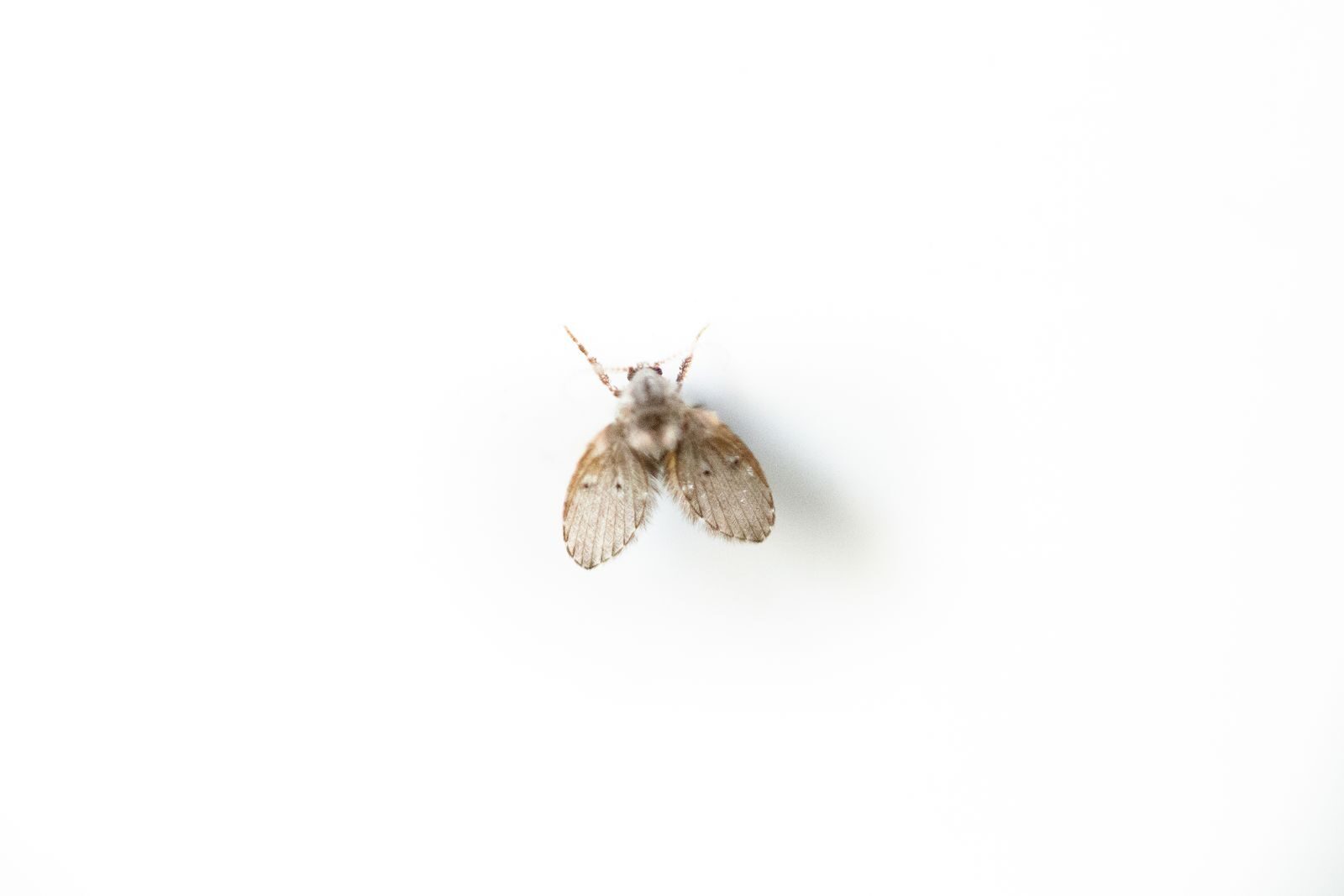
- Appearance: Small, fuzzy body covered in dense hairs, with a light gray to tan coloring. Wings are held roof-like over the body when at rest, giving them a moth-like look.
- Size: Adults measure approximately 1.5–5 mm long. Drain fly larvae are larger—around 0.2–0.4 inches—and are legless, gray, and worm-like.
- Movement: Drain flies are weak fliers. They tend to hop in short, jerky bursts rather than sustain smooth flight. You’ll often find them resting motionless on walls or shower tile near plumbing fixtures, especially during daylight hours.
- Activity window: They’re nocturnal. Most feeding, breeding, and flying activity happens at night.
Homeowners sometimes mistake drain flies for fruit flies or fungus gnats. The easiest way to tell them apart is location: drain flies stay close to drains, while fruit flies are more likely to hover near overripe produce or spilled juice. According to the University of Florida IFAS Extension, drain fly adults are non-biting and are not capable of transmitting any known pathogens directly—though large infestations can cause respiratory issues due to fine hair-like scales from their bodies and wings.
Why Do Drain Flies Appear in Your Home?
Drain flies don’t wander into your home by accident. They breed specifically in places where there is standing or slow-moving water and a film of decaying organic matter. Common breeding sites in Maryland homes include:
- Bathroom sink, tub, and shower drains
- Kitchen drains and garbage disposals
- Floor drains in basements and laundry rooms
- Toilet tanks and overflow pipes
- Saucers under houseplants with pooled water
- Condensate pans under refrigerators
- Sewer or septic system components
- Rarely-used guest bathroom drains
The Michigan State University Extension notes that drain flies most commonly inhabit drains that are used infrequently—such as a guest bathroom shower—where water collects in a trap and sits undisturbed. That stagnant environment gives larvae the perfect conditions for drain flies feed on soap scum, algae, fungi, and bacteria in the slime lining the inside of the pipe.
Reproduction is fast and persistent. Females can lay up to 300 eggs every 48 hours, and a single female may deposit several hundred eggs over her lifetime. The larvae mature in approximately 9 to 15 days, and the full life cycle—from egg to adult—completes in roughly 21 to 27 days, according to University of Florida IFAS research. Adult flies live about two weeks. Even more notably, drain fly larvae are surprisingly resilient: they tolerate low oxygen levels and temperature swings, which makes infestations difficult to resolve without eliminating the breeding source entirely.
Common Signs of a Drain Fly Infestation
Drain flies don’t always appear in swarms. More often, homeowners notice a few here and there—and wonder why they keep coming back despite regular cleaning. Here’s what to watch for:
- Small, fuzzy flies clustered near sink edges or floor drains in the morning
- Flies resting on bathroom or kitchen walls, especially near plumbing
- Increased fly activity near basement drains or laundry room floors
- Musty or sewer-like odors near drain openings
- Slow-draining sinks or bathtubs (which may indicate buildup supporting larvae)
- Visible slime or dark residue inside the drain opening
- Flies returning within days after cleaning
A simple test: tape a piece of plastic wrap or a clear cup coated with vegetable oil over the suspected drain opening overnight. If flies appear on the underside of the plastic or trapped in the cup the next morning, that drain is an active breeding site.
The Arkansas Cooperative Extension Service notes that a recurring infestation—especially one that persists after you’ve cleaned every visible drain—can point to a broken pipe, a hidden leak under a slab, or moisture accumulating in a crawlspace. That’s when professional inspection becomes essential.
How to Get Rid Of Drain Flies: DIY First Steps
If you’ve caught the infestation early and it’s limited to one or two accessible drains, these steps are worth trying first:
- Scrub the drain with a long-handled drain brush to physically remove the organic slime film from pipe walls.
- Pour boiling water down the drain to loosen and flush residual organic material. This may help eliminate eggs and larvae near the drain surface.
- Use a baking soda and vinegar treatment: pour half a cup of baking soda followed by half a cup of white vinegar, let it fizz for 20–30 minutes, then flush with hot water.
- Try an enzyme drain cleaner designed to break down the biofilm that bacteria and algae form on pipe surfaces. The Oklahoma State University Extension recommends enzyme-action products specifically, as they target the gelatinous scum that drain fly larvae feed on.
- Set an apple cider vinegar trap: fill a small glass with apple cider vinegar, cover it tightly with plastic wrap, and poke small holes in the top. Flies enter but can’t escape.
- Clean your garbage disposal thoroughly—this is a frequently overlooked breeding site.
- Remove standing water from potted plant saucers, refrigerator drip pans, and condensate pans.
Keep in mind: aerosol sprays kill adult flies on contact but do nothing to eliminate the larvae and eggs below. New adults will continue emerging from the drain until the breeding source is cleared. As noted by Ohio State University Extension researchers, the drain fly larvae are surprisingly resistant to bleach, which means pouring bleach alone down a drain is rarely an effective long-term solution.
When DIY Isn’t Enough: Why Drain Flies Keep Returning
If you’ve cleaned every drain in your home and the flies keep coming back, the problem likely runs deeper than a surface-level slime buildup. Several underlying issues can create persistent drain fly conditions:
- Deep buildup inside clogged drain pipes beyond the reach of brushes and home treatments
- Sewer line buildup with years of accumulated grease, sediment, and organic waste
- Damaged or cracked drain pipes creating moisture pockets that feed larvae
- Hidden plumbing leaks beneath floors or behind walls generating ongoing moisture
- Septic system issues contributing to organic material in the drain environment
- Infrequently used drains with dry P-traps that allow sewer gases and flies to enter freely
These situations require professional diagnosis and treatment. A standard drain cleaning tool won’t reach years of built-up organic material in a sewer line, and no DIY method can identify a cracked pipe without a camera inspection.
How MD Sewer & Plumbing Helps Eliminate Drain Flies for Good
At MD Sewer & Plumbing, we don’t just address the flies you can see—we identify and resolve the conditions that allow them to breed in the first place. Here’s what our process looks like:
- Thorough drain line inspection to locate active and potential breeding sites
- Professional drain and sewer cleaning to remove years of accumulated organic buildup
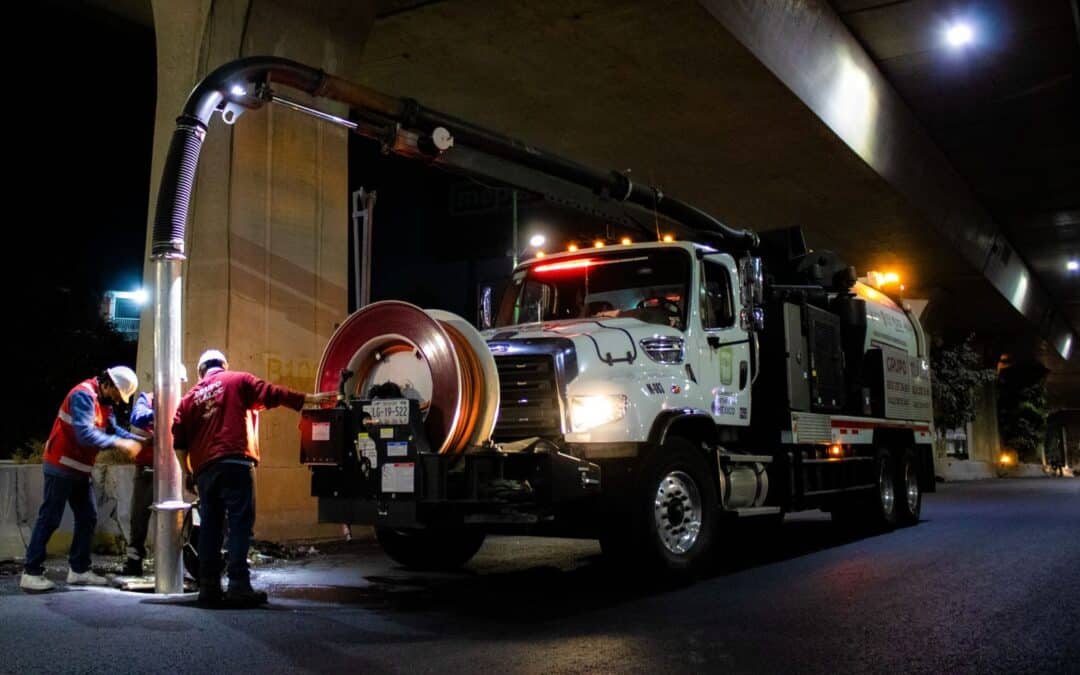
- High-pressure hydro jetting to clear grease, sediment, and biofilm from the full length of your drain pipes—not just the section closest to the fixture
- Video camera inspections to check for cracked pipes, root intrusions, or hidden moisture issues contributing to recurring infestations
- Drainage repairs when structural pipe problems are identified
Hydro jetting, in particular, is one of the most effective tools we have for addressing drain fly infestations. The high-pressure water scours the interior walls of your pipes, removing the slimy organic film that drain fly larvae depend on—down to the section of the line that no brush or enzyme treatment can reach.
We’ve served Pasadena and surrounding Maryland communities since 1989. As a family-owned business, we treat every job with the care we’d bring to a neighbor’s home. Our licensed technicians arrive with upfront pricing—no hidden fees, no surprise charges. We offer free estimates, online scheduling, and 24/7 emergency service, because plumbing problems don’t always show up during business hours.
How to Prevent Future Infestations
Once your drains are clear, staying ahead of the problem is straightforward. These habits make a real difference:
- Clean your drains monthly using a brush and enzyme-based cleaner
- Flush all drains—including rarely used ones—once a week to prevent P-traps from drying out
- Remove food scraps promptly and clean your garbage disposal regularly
- Fix plumbing leaks right away to eliminate hidden moisture sources
- Eliminate standing water wherever it accumulates indoors or near the home
- Inspect and clean floor drains in basements and laundry rooms seasonally
- Schedule annual preventive drain cleaning with a professional to address buildup before it becomes a breeding ground
Homes in the Pasadena area—especially those with older plumbing systems—are particularly prone to sewer line buildup that standard maintenance doesn’t address. A routine professional inspection every year or two can catch issues early and save significant cost down the road.
Don’t Let a Small Problem Become a Bigger One
Drain flies rarely cause a crisis on their own—but they’re one of the clearest signs your home’s plumbing needs attention. Left unaddressed, the buildup they breed in can contribute to slow drains, sewer odors, and eventually more significant blockages or pipe damage.
Addressing the problem early is always easier and less expensive than waiting until a minor infestation becomes a major repair. If you’ve tried the DIY steps and the flies keep coming back, that’s your drain system telling you something. We’re here to listen.
Frequently Asked Questions About Drain Flies
Are drain flies harmful to humans?
Drain flies do not bite or sting, and they are not established disease vectors. They are classified as nuisance pests. That said, they can mechanically carry bacteria from drain biofilm into kitchens and food preparation areas, and heavy infestations can trigger respiratory irritation or asthma symptoms in sensitive individuals. Their presence also indicates organic buildup in your drains, which warrants attention.
Do drain flies bite?
No. Drain flies do not bite or sting humans or pets. According to the University of Florida IFAS Extension, flies of the genus Psychoda are non-biting and are not capable of transmitting any known pathogens through direct contact.
Why do drain flies keep coming back after I clean the drain?
Cleaning the surface of a drain removes visible slime, but the larvae continue to develop deeper inside the pipe where cleaning products and boiling water can’t fully reach. There may also be a secondary breeding site you haven’t identified, or a structural issue—such as a cracked pipe or hidden leak—that’s maintaining the moisture and organic buildup the flies need to breed. If the problem recurs, professional drain cleaning or a camera inspection is the appropriate next step.
Will boiling water kill drain flies?
Boiling water can help flush out eggs and larvae close to the drain opening, and it’s a reasonable first step. However, it won’t resolve deeper infestations where larvae are breeding further down the pipe, and it does nothing to address underlying causes like sewer line buildup or pipe damage.
Can drain flies indicate a plumbing problem?
Yes, and this is one of the most important things to understand about drain fly infestations. Recurring drain flies—especially those that return after thorough cleaning—can point to deep pipe buildup, a broken drain line, hidden moisture from a plumbing leak, or issues with a septic system. A professional inspection is the most reliable way to rule out or identify these problems.
Meta Title:
Are Drain Flies Harmful? Maryland Plumbing Tips
Meta Description:
Are drain flies harmful? Learn why they appear, what risks they may signal, and when to call MD Sewer & Plumbing for drain cleaning help today.