Sewer line replacement becomes necessary when damage extends beyond a single, isolated spot—think severe corrosion, collapsed pipes, extensive root intrusion, or multiple failure points along the line. A professional camera inspection is the only reliable way to confirm whether repair or full sewer line replacement is the right call.
Most homeowners hope a quick fix will solve a sewer problem. A clog gets cleared, a small crack gets patched, and life goes on. But sometimes the pipe underneath your yard has reached a point where patchwork solutions no longer hold up. When damage is widespread or the pipe material has simply worn out, sewer line replacement becomes the more reliable—and often more cost-effective—path forward.
Understanding the difference between repairing a single section of pipe and replacing the entire line can save you from throwing money at a problem that keeps coming back. It can also help you recognize warning signs early, before a slow drain turns into a backed-up basement.
Schedule Service Online
Get a free estimate so you know what you're signing up for
"*" indicates required fields
For Emergency Services Call: 410-255-9300
This guide walks through when sewer line repair makes sense, when sewer pipe replacement is the smarter long-term investment, the warning signs to watch for, and how professional plumbers determine which path fits your situation. We’ll also cover realistic sewer line repair cost ranges, replacement methods, and who’s responsible for what when a sewer line fails.
For over 35 years, MD Sewer & Plumbing Services has helped Maryland homeowners accurately diagnose sewer line problems—without jumping to the most expensive solution first. A proper inspection should always come before any decision about sewer line replacement.
Understanding the Difference Between Sewer Line Repair and Sewer Line Replacement
Not every sewer problem calls for ripping out the entire line. The right solution depends on how much of the pipe is damaged, what’s causing the damage, and how the pipe has held up over time.
When Does a Sewer Line Repair Make Sense
Sewer line repair is typically the right choice when the damage is contained to one area. Common scenarios where repair works well include:
- Isolated damaged pipe sections, where the rest of the line remains structurally sound
- Small cracks that haven’t spread or worsened
- Minor root intrusion limited to a joint or small section
- Localized leaks that haven’t caused broader soil or structural issues
- Pipe lining and spot repairs, which reinforce a damaged section without disturbing the surrounding pipe
- Hydro jetting for removable blockages, which clears debris, grease, and minor root growth without any excavation
If your plumber identifies one of these scenarios after an inspection, sewer pipe repair can restore full function at a fraction of the cost of replacement.
When Does Sewer Line Replacement Become the Better Solution?
Replacement becomes the more practical option when the pipe’s overall condition—not just one section—is compromised. Signs that point toward full sewer line replacement include:
- Multiple damaged sections scattered along the length of the pipe
- Extensive corrosion, particularly in older cast iron lines
- Collapsed sewer pipes, which cannot be repaired in place
- Old sewer lines reaching the end of their lifespan, regardless of visible damage
- Structural failure, where the pipe has lost its shape or integrity
- Ongoing sewer backups after previous repairs, which often signal that repairs are only addressing symptoms, not the root cause
For more on how underground wastewater systems are designed to function, the EPA’s Septic Systems resource offers useful background on how damage to these systems can affect property and groundwater over time.
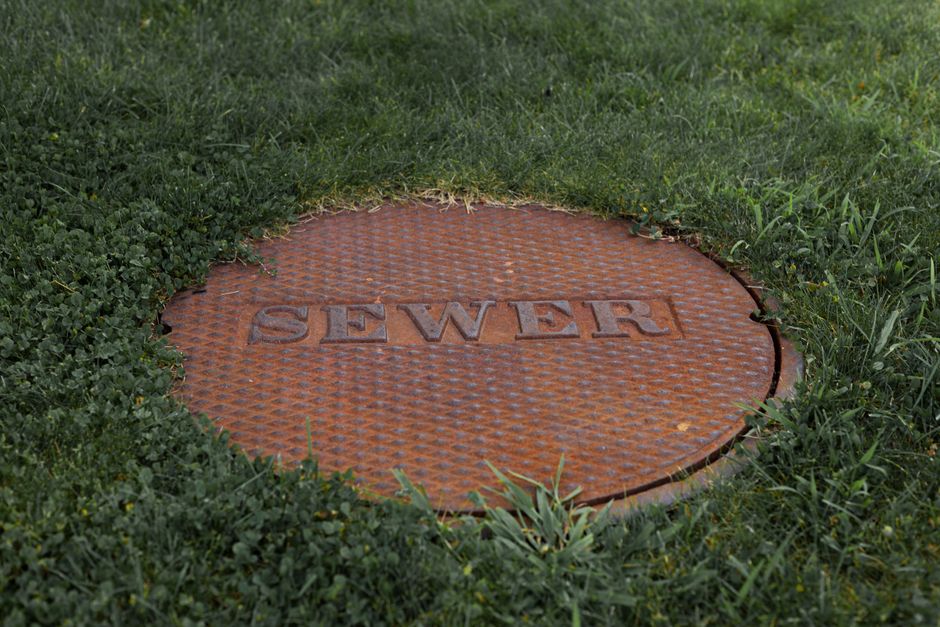
Common Signs You May Need Sewer Line Repair and Replacement
Sewer line problems rarely announce themselves clearly. Instead, they show up as a series of smaller inconveniences that, together, point to a bigger issue underground.
What Does a Frequent Sewer Backup Mean?
Sewage backing up into tubs, toilets, or floor drains is one of the clearest signs of a serious sewer line problem. If water backs up shortly after you flush a toilet or run a sink, the issue likely sits further down the line—not in the fixture itself.
Why Do Multiple Slow Drains Throughout the Home Matter?
A single slow drain usually points to a localized clog in that fixture’s piping. But when several drains throughout the house slow down at the same time, the problem is more likely in the main sewer line itself. This distinction matters: a fixture clog is a quick fix, while a main line issue often requires deeper diagnosis.
What Causes Persistent Sewer Odors?
Sewer gas smells—whether inside the home or in the yard—often indicate a crack or break somewhere in the line. Odors coming directly from drains, even after cleaning, can also point to a ventilation or pipe integrity issue that’s allowing gas to escape where it shouldn’t.
Why Do Gurgling Toilets and Drains Happen?
Gurgling sounds after flushing usually mean air is trapped inside a damaged or partially blocked sewer pipe. As wastewater struggles to move past an obstruction or compromised section, it pushes air back up through your plumbing fixtures.
Can Soggy Areas or Extra-Green Grass Indicate a Sewer Leak?
Yes. An underground sewer leak can create unusually soggy patches in your yard, and the nutrient-rich wastewater can cause noticeably greener, faster-growing grass directly above the damaged section of pipe.
How Does a Sewer Leak Affect Foundation Moisture or Cracks?
A leaking sewer line near your home’s foundation can saturate the surrounding soil, destabilizing it over time. This can lead to new cracks or increased moisture around your foundation—issues that often get misdiagnosed as separate structural problems.
Does Increased Pest Activity Signal a Sewer Problem?
Rodents and insects are drawn to damaged sewer systems, which offer both moisture and a path into your home. A sudden uptick in pest activity, especially near drains or the yard, can be a sign of an underlying sewer line issue.
What Does It Mean If You Need Frequent Sewer Cleaning Appointments?
If you find yourself calling a plumber for the same drain issue every few months, that’s rarely a coincidence. Recurring problems typically mean the underlying cause—whether root intrusion, corrosion, or structural damage—hasn’t actually been resolved.
Stop That Leak Before It Gets Worse.
Situations That Often Require Complete Sewer Line Replacement
Some conditions make repair impractical or simply unreliable. Here’s where full replacement tends to be the only lasting solution.
Why Are Severely Deteriorated Cast Iron Pipes a Problem?
Cast iron pipes were standard for decades, but they don’t last forever. Rust, corrosion, and scaling gradually thin the pipe walls from the inside, eventually weakening the structure to the point where patch repairs won’t hold.
What Happens When a Sewer Line Collapses?
Collapsed sewer lines occur when ground movement, heavy loads above the pipe, or long-term pipe failure cause the line to cave in on itself. Once a pipe collapses, wastewater has nowhere to go, and the only fix is full sewer line replacement.
How Does Extensive Tree Root Intrusion Lead to Replacement?
Tree roots are drawn to the moisture inside sewer pipes and can work their way into joints and small cracks. If a homeowner has already gone through repeated root removal with roots returning again and again, that cycle usually signals long-term damage that repair alone won’t fix.
When Do Multiple Broken Sewer Pipes Make Repair Less Cost-Effective?
When damage appears in several locations along the same line, repairing each section individually can end up costing more—in both time and money—than replacing the entire pipe at once. At a certain point, repeated repairs simply aren’t the most efficient use of a homeowner’s budget.
How Do Old Pipe Materials Affect Replacement Decisions?
The material your sewer line is made from plays a major role in how long it lasts and how likely it is to need replacement. Common sewer pipe materials include:
- Clay pipes, common in older homes, which are durable but prone to cracking and root intrusion
- Orangeburg pipe, a wood-pulp-based material used mid-century that tends to deform and fail over time
- Cast iron pipes, which are strong but vulnerable to internal corrosion
- Aging ABS, a plastic pipe material that can become brittle with age and UV exposure
- Modern PVC pipes, known for strong resistance to corrosion and root intrusion
- HDPE sewer pipe, a newer material prized for flexibility and long-term durability
Depending on the material, sewer pipes can last over 50 years. But material alone doesn’t tell the whole story—installation quality, soil conditions, and maintenance history all factor into how long a line actually lasts.
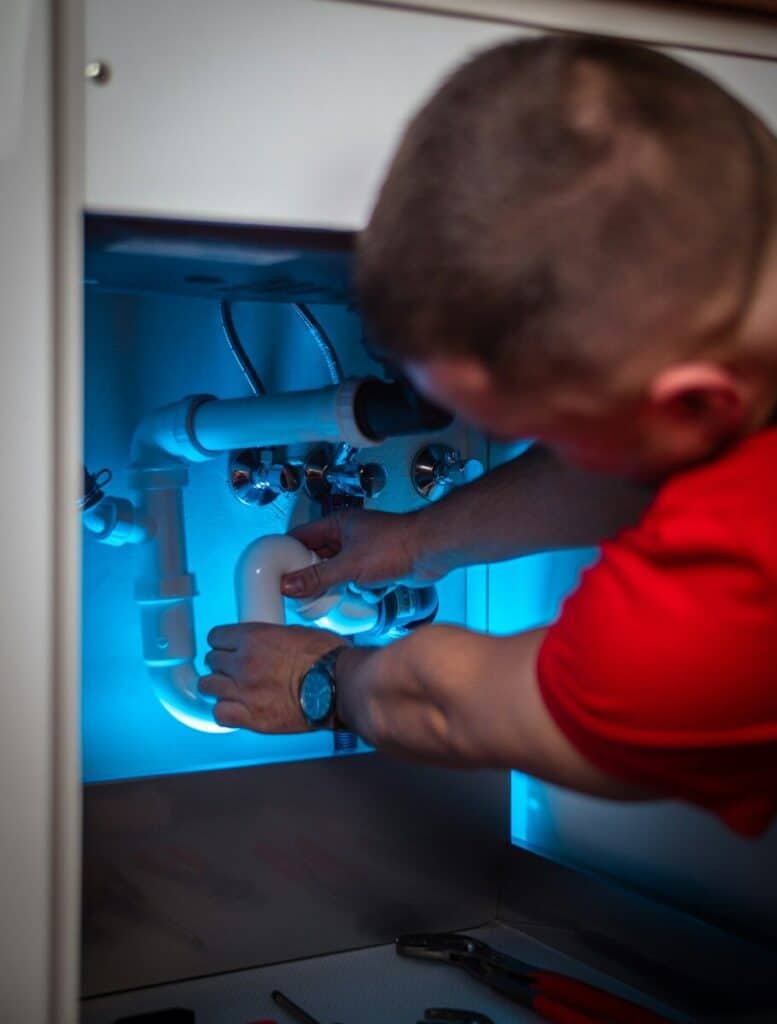
Photo by Timur Shakerzianov on Unsplash
How Do Professional Plumbers Determine Whether Replacement Is Necessary?
Guesswork has no place in a decision this significant. Professional plumbers rely on a combination of diagnostic tools and experience to determine the right course of action.
What Does a Camera Inspection Show?
A video camera inspection allows a plumber to see the exact condition of the pipe from the inside. This process helps locate damaged sections, identify root intrusion, and measure the overall condition of the pipe without any guesswork. Camera inspection fees vary, but the information gained is often essential before committing to either repair or replacement.
Why Does Pipe Material and Age Matter in the Decision?
Knowing whether a line is made of cast iron, PVC, clay, ABS, copper, or HDPE helps a plumber estimate how much life the pipe has left—and whether a repair is likely to hold given the material’s known failure patterns.
How Do Plumbers Evaluate Overall System Reliability?
Beyond identifying individual problems, a thorough inspection helps determine whether damage is isolated or widespread, and what the risk of future failure looks like. This big-picture evaluation is what separates a quick patch from a decision that actually solves the problem long-term.
How Do Plumbers Know Whether Repairs Will Actually Last?
Sometimes the honest answer is that a repair would only be a temporary fix. In these cases, replacing the entire existing sewer line sometimes saves homeowners money over time by avoiding the cost of repeated service calls and partial repairs that don’t address the underlying issue.
For homeowners wanting a broader understanding of how plumbing systems factor into overall home condition, the National Association of Home Builders offers useful resources on home systems and maintenance standards.
Sewer Line Replacement Methods
Once replacement is confirmed as the right path, there are several methods plumbers can use depending on the specifics of your property and pipe.
What Is Traditional Excavation?
Traditional excavation involves digging up the yard to access the damaged pipe directly. It provides complete access to the sewer line and is typically the best option for collapsed pipes, severe damage, or extensive root intrusion that trenchless methods can’t fully address.
How Does Pipe Bursting Work?
Pipe bursting replaces the existing pipe by breaking it apart while simultaneously pulling a new pipe into place—without the need for full excavation. This method causes minimal landscape disruption, making it a popular choice for homeowners who want to avoid tearing up their yard.
What Is Cured-in-Place Pipe (CIPP)?
Cured-in-place pipe, also known as pipe relining, is a trenchless sewer repair method where a resin-coated liner is inserted into the existing pipe and cured to form a new pipe within the old one. Because the existing pipe remains in place, this method avoids excavation altogether in many cases.
Which Sewer Line Replacement Method Is Right for Your Home?
Choose traditional excavation if your sewer line has collapsed or suffered severe structural damage—trenchless methods aren’t designed to fix pipes that have lost their shape entirely. Choose pipe bursting or CIPP if your pipe is intact but deteriorated, and preserving your landscaping matters more to you than a faster project timeline. The right method ultimately depends on the extent of damage, pipe material, soil conditions, the layout of the existing sewer system, and how the line connects to the city system.
Sewer Line Replacement Costs
Sewer line replacement costs vary widely depending on the project, but understanding realistic national averages can help you plan.
- Average sewer line replacement cost: $3,000–$7,000
- Average cost per linear foot: approximately $150
- Trenchless replacement: $60–$250 per foot
- Traditional excavation: $50–$200 per foot
- Labor costs: $45–$200 per hour
Several factors influence where a specific project falls within these ranges:
- Pipe material
- Pipe depth
- Accessibility
- Permits
- Inspection requirements
- Soil conditions
- Length of the line
- Landscaping considerations
Because every property and every sewer system is different, a free estimate is the best way to get an accurate number for your specific project budget. For homeowners planning ahead financially, the Consumer Financial Protection Bureau’s homeownership resources offer helpful guidance on budgeting for major home repairs.
Who Is Responsible for Sewer Line Repairs?
Sewer line responsibility typically splits between homeowners and local municipalities, though the exact line can vary by location.
What Are Homeowner Responsibilities?
Homeowners are generally responsible for the sewer lateral—the section of pipe that runs from the home to the connection point with the municipal system, including all pipes within the property boundaries.
What Are Municipal Responsibilities with Main Sewer Lines?
Local municipalities typically maintain the main sewer lines that run through the public right-of-way, along with the broader city connection infrastructure that serves multiple properties.
Local regulations vary significantly by city and county, so it’s worth confirming exact boundaries of responsibility with your local utility provider. The USA.gov home maintenance resources page is a good starting point for understanding general homeowner responsibilities.
Can Sewer Problems Be Prevented?
While not every sewer issue can be avoided, consistent maintenance significantly reduces the risk of sudden, costly failures. Preventative steps include:
- Professional cleaning on a regular schedule
- Hydro jetting to clear buildup before it becomes a blockage
- Camera inspections to catch problems early
- Avoiding grease disposal down drains
- Practicing proper flushing habits
- Managing tree root growth near sewer lines
- Scheduling routine inspections, especially for older homes
Preventive maintenance improves overall system reliability and can meaningfully extend the life of your sewer line—often delaying or even avoiding the need for replacement altogether.
Protect Your Home from Costly Plumbing Repairs.
Why Homeowners Trust MD Sewer & Plumbing Services
MD Sewer & Plumbing Services has been family-owned since 1989, bringing over 35 years of experience to Maryland homeowners facing sewer line issues. Our licensed plumbers are committed to honest recommendations and upfront pricing—not upselling replacement when a repair will do the job.
We use advanced diagnostic equipment, including sewer camera inspections, to give homeowners clear answers backed by real evidence. Whether your situation calls for a targeted repair or a complete sewer line replacement, our team has the expertise to execute the job correctly. And when something goes wrong outside of business hours, our 24/7 emergency response means you’re never left waiting.
We never recommend sewer line replacement unless our inspection shows it’s truly the best long-term solution.
Every evaluation starts with a free estimate, so you know exactly what you’re working with before making any decisions.
Experience the Difference of Family-Owned Service.
Final Thoughts: Trust the Inspection, Not the Guesswork
Sewer line repair works well for isolated issues—a single crack, a localized leak, or minor root intrusion caught early. But when damage is extensive, pipes are collapsed, or a line has simply reached the end of its usable life, sewer line replacement is often the more reliable and ultimately more cost-effective choice.
A camera inspection provides the facts needed to make that decision with confidence, rather than guessing based on symptoms alone. Catching problems early through diagnosis—rather than waiting for a full backup—can prevent a manageable repair from turning into an expensive emergency.
Every sewer system is unique, shaped by its age, material, and the specific conditions underground. If you’re noticing warning signs or simply want peace of mind about your sewer line’s condition, an honest inspection is the place to start.

Frequently Asked Questions
What is the average cost of a sewer line replacement?
Sewer line replacement typically costs between $3,000 and $7,000, though larger or more complex projects can run higher. Costs depend on factors like pipe material, length, depth, and whether trenchless or traditional excavation methods are used.
What is the cheapest way to replace a sewer line?
Trenchless methods like pipe bursting or cured-in-place pipe (CIPP) are often less expensive than traditional excavation when the existing pipe hasn’t collapsed, since they avoid the labor and landscaping costs associated with digging up a yard. However, severely damaged or collapsed pipes may require traditional excavation regardless of cost.
Can I replace a sewer line myself?
Sewer line replacement is not recommended as a DIY project. It typically requires permits, specialized equipment, and knowledge of local plumbing codes. Improper installation can lead to code violations, future leaks, or even contamination risks. Hiring a licensed plumber helps ensure the job is done safely and correctly.
Will homeowners insurance pay for sewer line replacement?
Is a clogged sewer line covered in home insurance? Well, its a little more complicated than that. Standard homeowners insurance policies often exclude sewer line damage caused by normal wear, age, or root intrusion. Some policies offer optional sewer line endorsements that cover specific types of damage. Check your individual policy or speak with your insurance provider to understand your specific coverage.