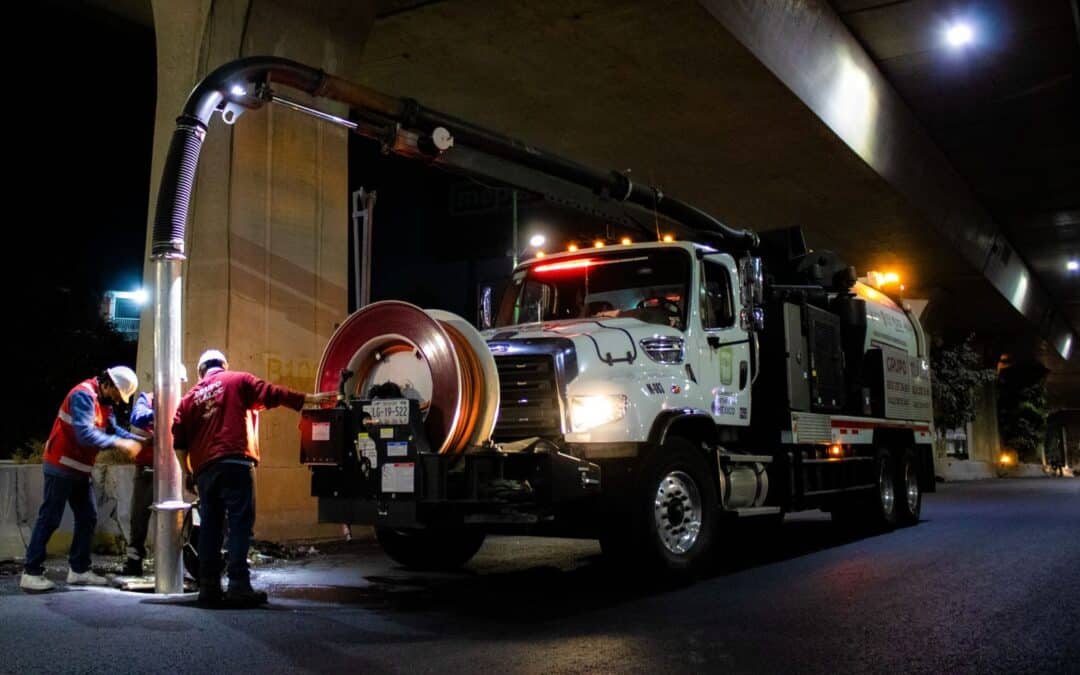
Warning signs of sewer line damage include persistent odors, multiple slow drains, gurgling toilets, soggy patches in the yard, and sewage backups. MD Sewer & Plumbing Services diagnoses the cause with a video camera inspection, then recommends the least invasive fix—often trenchless repair—rather than jumping straight to full replacement.
I’ve spent over 35 years working on Maryland’s sewer lines, and if there’s one thing I want homeowners to know, it’s this: a sewer problem rarely announces itself all at once. It starts small—a slow drain here, a faint odor there—long before it becomes the kind of emergency that has water backing up into your basement. The good news is that most of these early signs are easy to catch if you know what to look for, and catching them early usually means a smaller, less expensive repair.
I also want to clear up a common misconception. Hearing “sewer line repair” makes a lot of homeowners assume the worst: a torn-up yard, a five-figure bill, and days without working plumbing. That’s not always the case. Many sewer line problems can be fixed with targeted repairs or modern trenchless methods that leave your landscaping intact. The right approach depends entirely on what’s actually happening underground, which is why diagnosis matters just as much as the repair itself.
Schedule Service Online
Get a free estimate so you know what you're signing up for
"*" indicates required fields
For Emergency Services Call: 410-255-9300
In this guide, I’ll walk you through the signs that typically point to a sewer line problem, what usually causes that damage in Maryland homes, and what to expect once you call a professional. My goal is to help you recognize a problem early, understand your options, and feel confident about whatever comes next.
Common Signs You May Need Sewer Line Repair
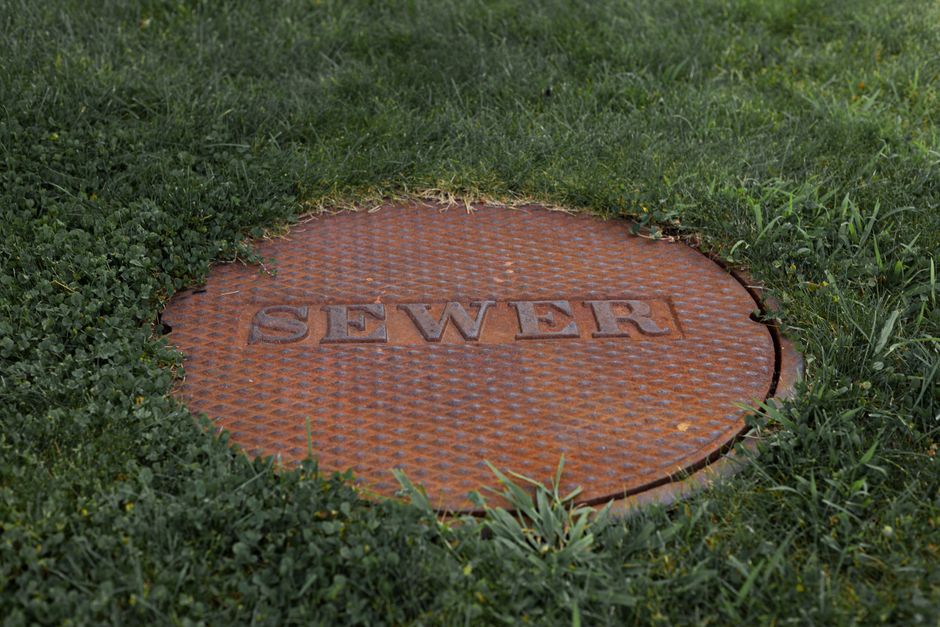
Why Do Sewage Odors Keep Showing Up Around My Home?
A persistent sewage smell, whether it’s inside your house or lingering in your yard, usually means sewer gases are escaping somewhere they shouldn’t be. This typically points to a crack or break in the sewer line that’s letting odors (and sometimes wastewater) seep into the surrounding soil or your home’s interior. Sewer gas isn’t just unpleasant—it can also pose health risks, so this is never a smell to wait out. For more on how decentralized sewage systems are designed to prevent exactly this kind of issue, the EPA’s Septic Systems Overview is a solid educational resource for homeowners.
What Does It Mean When Multiple Drains Run Slow at Once?
One slow drain is usually isolated to that fixture, but when several drains throughout your house slow down around the same time, that’s a strong indicator of a sewer line issue rather than a one-off clog. Recurring blockages in sinks, tubs, and showers—especially when they show up together—suggest something is restricting flow further down the line, closer to the main sewer pipe.
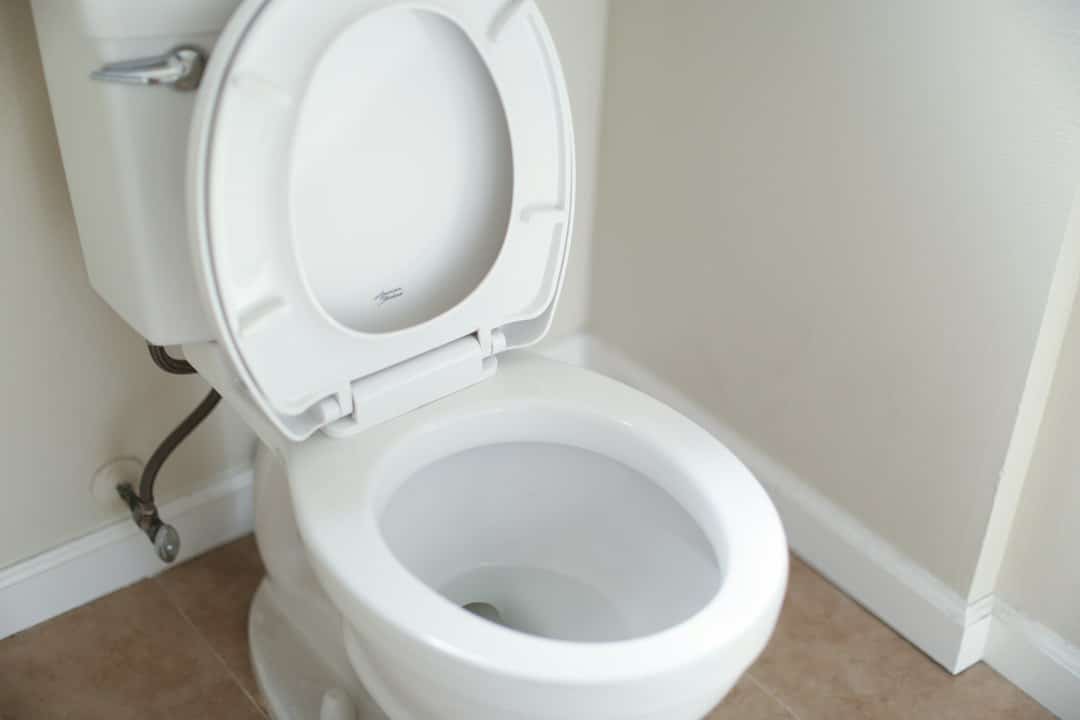
Why Are My Toilets Gurgling?
Gurgling toilets and bubbling drains happen when air gets trapped in a partially blocked or damaged sewer system and has nowhere to go but back up through your fixtures. If you notice water backing up into your tub after you flush the toilet, that’s a sign the problem isn’t isolated to one fixture. Multiple fixtures reacting to each other is usually a clue that your main sewer line is compromised.
Could a Soggy or Unusually Green Lawn Point to a Sewer Leak?
Leaking sewer pipes release moisture into the surrounding soil, which can show up aboveground as wet spots, soggy areas, or patches of grass that are noticeably greener and more lush than the rest of your lawn. It sounds counterintuitive—who complains about healthy grass?—but that extra growth is often fed by leaking wastewater acting as fertilizer. The University of Maryland Extension offers helpful guidance for homeowners trying to understand what’s happening in their lawn and soil, which can be a useful cross-reference if you’re unsure whether what you’re seeing is a sewer issue or just seasonal growth.
What Should I Do If Sewage Backs Up Into My Home?
A sewage backup is the clearest sign that something needs immediate attention. It brings real risks—water damage, property damage, and health hazards from contaminated water. If this happens, minimize water use in your home until a professional can inspect the system, and call for help right away.
What Causes Sewer Line Damage?
Do Aging Pipes Eventually Just Wear Out?
Yes. Many Maryland homes still have older cast iron, clay, or Orangeburg pipe, and these materials corrode and weaken over time. Aging pipes are more susceptible to cracks and corrosion, and in some cases, they’re too fragile to support trenchless repair methods, which means excavation becomes necessary to replace them safely.
How Do Tree Roots Damage Underground Pipes?
Tree roots naturally seek out moisture, and a sewer line full of wastewater is an attractive target. Roots work their way into joints and small cracks, where they expand and cause blockages, pipe separation, and reduced flow. This is one of the most common causes of sewer line damage I see across Maryland properties with mature trees. The USDA Forest Service has useful information on how tree root systems grow and spread underground, which can help homeowners understand why roots gravitate toward buried pipes in the first place. The good news is that trenchless repair methods, like pipe lining, create a smoother interior surface that’s far more resistant to future root intrusion.
Can Shifting Soil and Temperature Changes Crack a Sewer Pipe?
Maryland’s seasonal moisture changes cause soil to expand and contract throughout the year, and that movement puts stress on underground pipes. Over time, this can separate pipe joints or create cracks, particularly in older piping that’s already brittle. While some regions deal with more dramatic soil shifts than others, Maryland homeowners aren’t immune—seasonal freeze-thaw cycles and moisture swings are enough to stress a sewer line that’s already showing its age.
How Do Blockages Lead to a Broken Sewer Line?
Grease, wipes, paper products, and other debris reduce flow capacity inside the pipe. As blockages build, pressure increases, and that added stress can eventually crack or break a weakened section of pipe that might have otherwise held up fine.
Photo by David Glessner | Photographer & Director on Unsplash
How We Diagnose Sewer Line Problems
Why Does a Video Camera Inspection Matter?
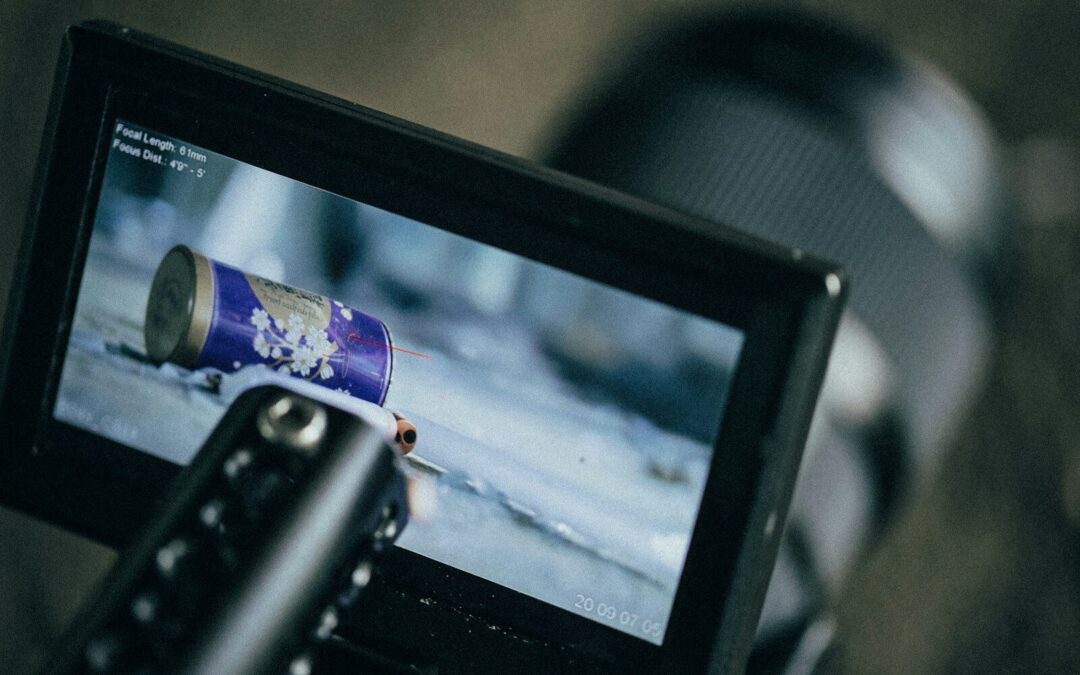
Requesting a video camera inspection is one of the smartest first steps you can take. A small waterproof camera is fed directly into the pipe, giving us a clear, real-time view of what’s actually happening underground—whether that’s root intrusion, a crack, a collapsed section, or simply buildup that needs cleaning. This step lets us determine the right solution before any digging happens, which saves you from paying for more invasive work than you actually need. Family Handyman has a helpful general guide on sewer line inspections if you want more background on how this process works.
Does Every Sewer Problem Mean I Need a Full Replacement?
No, and this is probably the most common misconception homeowners have. Many sewer issues are resolved with cleaning, spot repairs, pipe relining, or pipe bursting—not a full replacement. The inspection is what tells us which category your problem falls into, so we’re never guessing or recommending more work than necessary.
Sewer Line Repair Options Explained
When Does Traditional Excavation Still Make Sense?
Traditional excavation involves digging a trench to access the damaged pipe directly. It’s more labor-intensive and disruptive to your yard, but it’s still the right call in certain situations—particularly when pipe damage is extensive, the pipe material can’t support trenchless methods, or the line needs to be rerouted entirely.
What Makes Trenchless Sewer Line Repair Different?
Trenchless technology repairs or replaces pipe with minimal digging, which means less landscaping disruption, faster completion, and lower restoration costs compared to traditional excavation. Many trenchless repairs can be completed in a single day, which is a significant advantage if you’re trying to minimize disruption to your household.
How Does CIPP Pipe Lining Work?
Cured-in-place pipe (CIPP) lining creates a brand-new pipe inside your existing one. A resin-coated liner is inserted and cured in place, sealing cracks, restoring flow capacity, and resisting corrosion and debris buildup going forward. It’s an effective way to restore an existing pipe without excavation, provided the pipe is still structurally sound enough to support lining. The North American Society for Trenchless Technology is a great resource if you want to go deeper into how trenchless methods like CIPP have evolved.
What Is Pipe Bursting and When Is It Used?
Pipe bursting replaces an old underground sewer line by pulling a new pipe through the old one, breaking apart the damaged pipe as it goes. It requires only small access points rather than a full trench, and it’s a durable, long-term solution that also helps prevent future root intrusion and stormwater infiltration.
What Happens During the Sewer Repair Process?
Step 1 – Inspection. We run a camera inspection to locate the damage and determine the cause.
Step 2 – Recommendation. We walk you through your repair options and review costs. If you’re facing a major repair, it’s always reasonable to get a second opinion and compare quotes before moving forward.
Step 3 – Completing the Repair. Depending on what the inspection reveals, this might mean a localized spot repair, pipe lining, pipe bursting, or excavation.
Step 4 – Final Testing. We verify proper flow and confirm the repair is holding up before considering the job complete.
Why Acting Early Saves You Money
Delaying a sewer repair rarely makes the problem smaller. Left unaddressed, a small issue can turn into larger blockages, water damage, landscaping damage, and in more severe cases, erosion beneath your home’s foundation that contributes to foundation cracks. If you suspect a significant sewer issue, minimizing water use until a professional can assess the situation is one of the simplest ways to prevent further damage. It’s also worth checking your homeowners insurance policy, since coverage for sewer line damage varies significantly depending on the cause. The Insurance Information Institute has useful background on how water damage is typically treated under standard homeowners policies.
Why Maryland Homeowners Trust MD Sewer & Plumbing Services
We’ve been serving Pasadena and the surrounding Maryland communities for more than 35 years, and as a family-owned business, we treat every customer like a neighbor rather than a transaction. That means honest recommendations, upfront pricing with no hidden fees, and licensed technicians who use advanced diagnostic equipment, including sewer camera inspections, to get an accurate read on your situation before recommending a repair. We only suggest replacement when it’s genuinely necessary—not as a default option.
We also know plumbing emergencies don’t wait for business hours, which is why we offer 24/7 service and free estimates.
Schedule Your Service Today or Request Your Free Estimate—our technicians are standing by.
Prevent Sewer Line Problems Before They Start
A few consistent habits go a long way toward protecting your sewer line:
- Schedule routine inspections, especially if your home has older pipes
- Avoid flushing wipes, even ones labeled “flushable”
- Dispose of grease in the trash, not down the drain
- Keep an eye on mature trees near your sewer line
- Address slow drains before they become full blockages
The American Society of Home Inspectors is a useful resource for homeowners who want broader guidance on maintaining their home’s systems, including plumbing, over the long term.
Protect Your Home Before a Small Problem Grows
Sewer line issues almost always give you a warning first, whether that’s a lingering odor, a slow drain, or an unusually lush patch of lawn. Catching these signs early gives you more options and typically means a smaller, more affordable repair instead of an emergency replacement.
If something feels off with your plumbing, don’t wait for it to get worse. Schedule Your Service Today and let our family-owned team diagnose the problem, explain your options honestly, and get your sewer line back in working order.
Frequently Asked Questions
How much does sewer line repair cost?
Sewer line repair costs vary depending on the location of the damage, the repair method required, pipe material, and how accessible the pipe is. Trenchless methods often cost less overall once you factor in landscaping restoration, while traditional excavation may cost more upfront but is sometimes the only option for severely damaged pipe. The best way to get an accurate number is to schedule a professional inspection and request a free estimate.
Is sewer pipe relining worth it?
Pipe relining is often an excellent option when the existing pipe is still structurally sound enough to support a liner. It requires minimal digging, restores flow capacity, resists corrosion, and typically installs faster than traditional replacement. It’s not the right fit for every situation, which is why an inspection should always come first.
Does homeowners insurance cover sewer line repair?
It depends on your specific policy and what caused the damage. Standard homeowners insurance often covers sudden, accidental damage but excludes gradual issues like corrosion, tree root intrusion, or general wear and tear. Review your policy or contact your insurance provider directly to understand what’s covered.
Can I repair a sewer line myself?
Sewer line repairs typically require specialized equipment, an accurate diagnosis, and in many cases, permits. Attempting a DIY repair without the right tools can make the problem worse or create new issues entirely. We recommend hiring a licensed plumber to ensure the repair is done safely and correctly the first time.