A plumbing camera inspection uses a waterproof, high-resolution camera fed through pipes to pinpoint clogs, cracks, root intrusion, and corrosion without any digging. Professional-grade cameras can reach depths of 100 to 500 feet and are equipped with bright LED lights to illuminate pipe interiors, while some models include radio transmitters for precise location tracking. Maryland homeowners should call a licensed professional for this service because interpreting footage, operating specialized equipment, and safely navigating older sewer lines requires training that DIY tools can’t replicate. MD Sewer & Plumbing Services has performed these inspections across Pasadena and surrounding areas for over 35 years.
If you’ve ever dealt with a mysterious drain backup or a sewer smell that won’t go away, you know the frustration of not knowing what’s actually happening beneath your floors. A plumbing camera — sometimes called a sewer camera or drain camera — solves that mystery. It’s a flexible rod with a waterproof, IP68-rated camera on one end, designed to travel through pipes and stream real-time video back to a technician’s monitor. Many cameras are equipped with bright LED lights that illuminate the inside of the pipe, making it easier to spot cracks, buildup, and blockages that would otherwise stay hidden.
While you can technically buy consumer-grade plumbing inspection cameras on Amazon, that doesn’t mean you should. Entry-level cameras typically inspect only up to 100 to 165 feet, while professional systems can reach 300 to 500 feet — a meaningful difference when the problem is deep in your sewer line. Maryland’s mix of decades-old clay pipes, tree-lined streets, and clay-heavy soil creates specific plumbing challenges that require professional judgment. Below are ten reasons hiring a professional for your plumbing camera inspection is worth the investment, along with helpful resources if you want to dig deeper into the topic.
Schedule Service Online
Get a free estimate so you know what you're signing up for
"*" indicates required fields
For Emergency Services Call: 410-255-9300
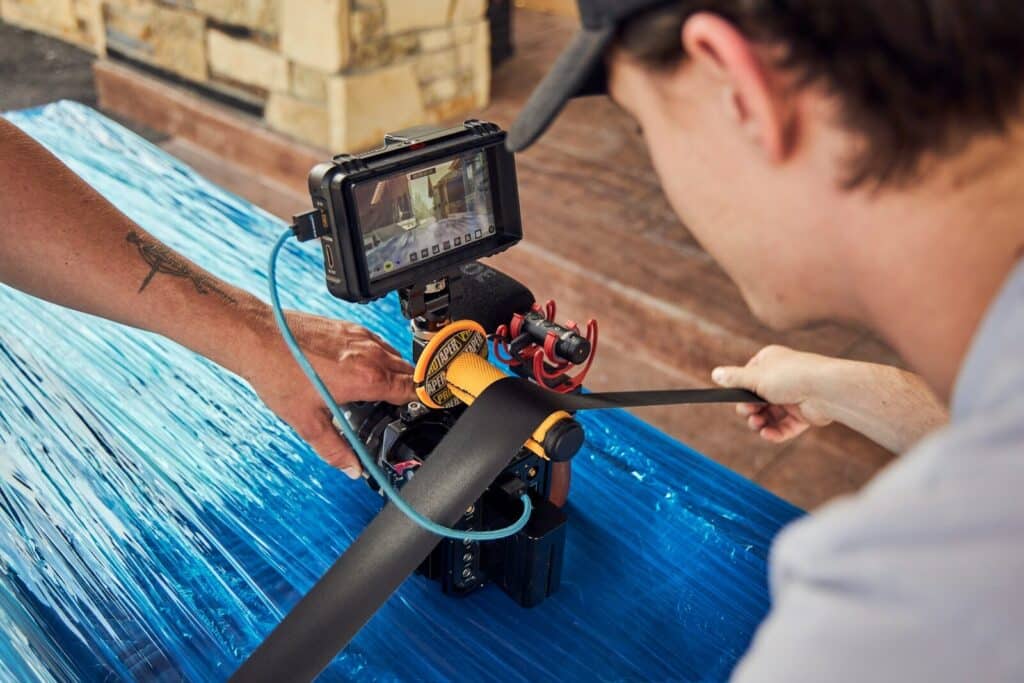
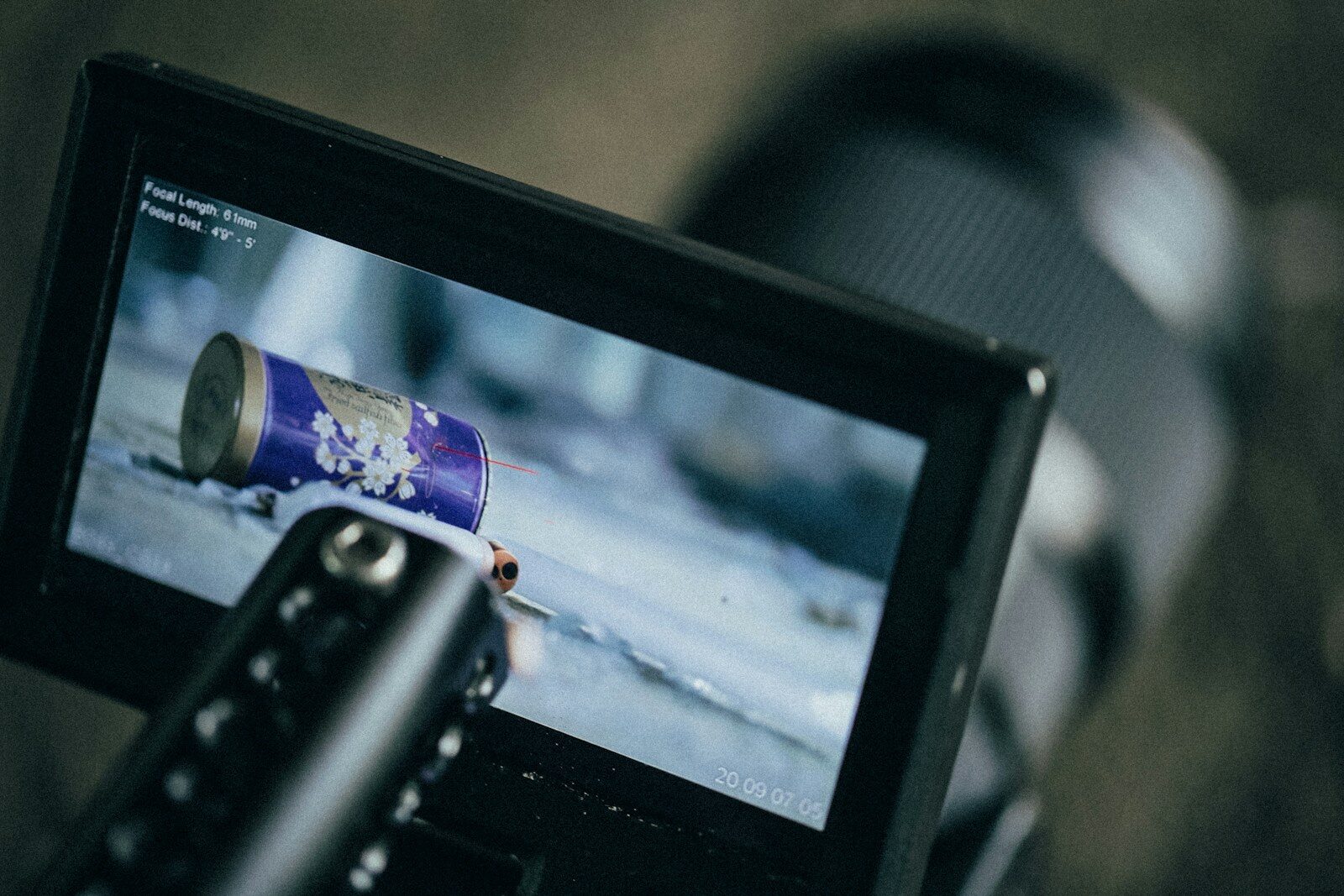
Photo by David Glessner | Photographer & Director on Unsplash
What Does a Plumbing Camera Inspection Actually Show?
A plumbing camera inspection reveals the interior condition of your pipes in real time, including clogs, cracks, corrosion, misaligned joints, tree root intrusion, and even pipe collapses. The camera’s built-in LED lights illuminate the pipe walls so technicians can clearly see what’s happening inside. Technicians feed the camera through cleanouts or drain openings, and the footage displays on a monitor as the camera travels the length of the pipe. This gives an accurate, visual diagnosis instead of a guess based on symptoms alone — and it does so without the need for invasive digging or exploratory work.
Cameras also help locate items accidentally dropped into drains, such as jewelry or small valuables, making recovery possible without tearing into walls or floors. For a general overview of how these inspections work, This Old House offers a solid primer on plumbing systems and diagnostic tools homeowners should know about.
1. Professionals Can Correctly Interpret What the Camera Shows
Seeing a shadow, a crack, or a buildup on a screen doesn’t mean much if you don’t know what you’re looking at. A licensed plumber can distinguish between a minor mineral buildup and a structural pipe failure, which changes the entire repair plan. Misreading footage can lead to unnecessary excavation or, worse, ignoring a serious problem. Because plumbing cameras help diagnose issues quickly and accurately, the real value lies in having a trained professional interpret what the footage actually means.
2. Maryland’s Older Homes Often Have Outdated Pipe Materials
Many homes in Pasadena and the surrounding Anne Arundel County area were built decades ago, often with clay, cast iron, or Orangeburg pipe. These materials are more prone to cracking, root intrusion, and corrosion than modern PVC. A professional camera inspection identifies which specific materials are involved and how that impacts the recommended fix. This is especially important for anyone purchasing an older home — a camera inspection before closing can reveal hidden pipe issues that a standard home inspection simply won’t catch. The National Association of Home Builders publishes resources on aging housing stock that explain why older plumbing systems need closer attention.
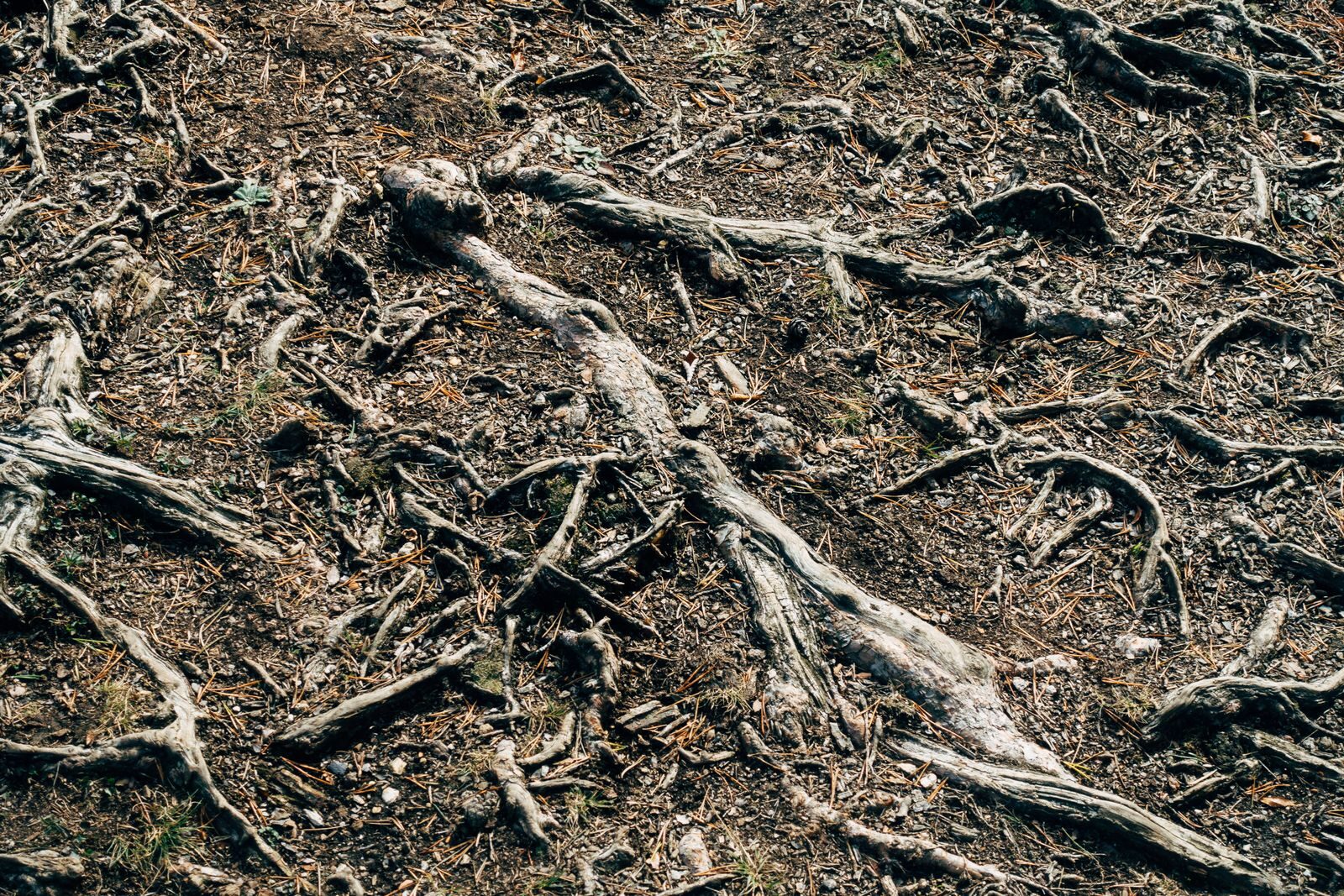
Photo by Markus Winkler on Pexels
3. Root Intrusion Is a Common (and Sneaky) Problem in the Region
Maryland’s mature tree canopy is beautiful, but tree roots are notorious for finding their way into sewer lines through the smallest cracks. Cameras help detect tree root infiltration and pipe collapses that are nearly impossible to identify from the surface. A professional camera inspection can trace exactly where roots have entered the line and how extensively they’ve spread. According to the EPA’s WaterSense program, root intrusion is among the top causes of residential sewer line failure nationwide.
4. Professionals Know Where and How to Access the Line Safely
Locating the right cleanout, avoiding damage to fixtures, and safely navigating tight bends in the pipe all require hands-on experience. A misused camera cable can get stuck or damage the very pipe it’s inspecting. Trained technicians know how to maneuver the equipment without causing additional harm. They also understand how to use the radio transmitter found on some professional camera systems to pinpoint the camera’s exact location underground — critical information when a repair does require digging.
5. Camera Inspections Can Prevent Costly, Unnecessary Excavation
Before cameras became standard, diagnosing a sewer problem often meant digging up the yard to see what was wrong. Plumbing cameras significantly reduce the need for invasive inspections by allowing technicians to see exactly what’s happening inside the pipe before any work begins. A professional inspection narrows down the exact location and cause of the issue, so any necessary excavation is targeted instead of exploratory. This alone can save homeowners thousands of dollars. Angi’s plumbing guide breaks down typical repair cost ranges and how diagnostics affect the final bill.
6. It Helps Confirm Whether a Clog Is Isolated or Part of a Bigger Issue
Repeated clogs or multiple slow drains throughout the house often signal a main sewer line issue rather than an isolated blockage. A slow drain might be a simple clog, or it might be a symptom of a larger blockage or a collapsed section of pipe further down the line. Professionals use the camera to trace the issue from the point of entry all the way through the system, giving a complete picture rather than a partial fix. Catching these issues early — before they escalate into major problems — can mean the difference between a simple cleaning and a full sewer line replacement.
7. Professional Equipment Offers Better Resolution and Reach
Consumer-grade cameras sold for home use typically have shorter cable lengths, lower-resolution feeds, and less powerful lighting. Professional-grade equipment can travel up to 300 to 500 feet into a line and produce clearer footage, which matters when the issue is deep in your sewer system. Many professional cameras are also IP68-rated for full waterproofing, ensuring reliable performance even in the worst pipe conditions. Family Handyman has published comparisons of DIY versus professional plumbing tools that highlight this gap in capability.
8. Licensed Plumbers Can Act Immediately on What They Find
If a camera inspection reveals an active leak, a collapsing pipe, or a serious blockage, a licensed technician can begin repairs right away instead of scheduling a second visit. This is especially valuable for emergency situations where a delay could mean more water damage. MD Sewer & Plumbing Services offers 24/7 emergency service for exactly this reason, so a diagnosis and a fix can happen in the same appointment.
9. Pipe Inspection Cameras Provide Documentation for Insurance or Home Sales
Contractors can record video footage during plumbing inspections as documentation of pipe conditions — and that documentation has real value. Recorded footage from a professional inspection can support insurance claims related to water damage, verify that repairs were completed correctly, and serve as a negotiating tool during a home sale or purchase. Sewer camera inspections can reveal hidden pipe issues that don’t show up in standard home inspections, giving buyers and sellers a more complete picture of the property’s condition. Documentation from these inspections also aids in transaction negotiations, giving both parties confidence in what’s been found and what’s been fixed. Bob Vila’s home maintenance guide touches on how inspection documentation supports real estate transactions.
10. Preventive Camera Inspections Catch Problems Before They Become Emergencies
Even without an active symptom, a periodic plumbing camera inspection can catch early-stage corrosion, minor root intrusion, or joint separation before they cause a backup or a collapse. Plumbing camera inspections are one of the most effective tools for identifying issues before they escalate into major problems. Homeowners with older Pasadena-area properties benefit most from this kind of proactive check, since aging pipes deteriorate gradually rather than all at once. Angis plumbing maintenance checklist recommends periodic plumbing inspections as part of a broader home care routine.
When Should You Schedule a Plumbing Camera Inspection?
Homeowners should schedule a plumbing camera inspection when they notice recurring clogs, slow drains across multiple fixtures, sewer odors, or gurgling sounds from pipes. Repeated clogs or multiple slow drains are particularly important warning signs — they often point to a main sewer line issue rather than an isolated problem. It’s also wise to schedule an inspection before buying an older home, after a major storm that could have shifted soil around buried pipes, or as part of routine maintenance every couple of years for homes with mature trees nearby.
Why This Isn’t a DIY Project, Even With a Rental Drain Camera
Choose a professional inspection over a rented camera kit if you want an accurate diagnosis paired with the ability to act on it immediately. Rental cameras can show footage, but entry-level models are limited to about 100 to 165 feet and don’t offer the resolution or LED lighting quality that professional systems provide. Without training, homeowners often struggle to interpret cracks, offsets, and buildup correctly — and they have no way to fix what they find. A licensed plumber combines the diagnostic tool with the judgment and repair capability needed to solve the actual problem.
How Much Does a Sewer Camera Inspection Cost?
Plumbing camera inspection costs typically range from $125 to $500, depending on the property type, pipe length, accessibility, and the inspection provider. Commercial properties or homes with longer, more complex sewer lines will generally fall toward the higher end of that range. While it may feel like an added expense, a camera inspection can easily prevent far more costly repairs by catching problems early or ruling out unnecessary excavation. Contact MD Sewer & Plumbing Services for a free estimate specific to your home.
Protect Your Pipes Before Small Issues Become Big Ones
A plumbing camera inspection takes the guesswork out of pipe problems, but only when it’s paired with the experience to interpret the footage and act on it. Whether you’re dealing with a recurring clog, preparing to buy or sell a home, trying to recover something dropped in a drain, or simply want peace of mind about pipes you can’t see, a professional inspection is one of the smartest preventive steps a Maryland homeowner can take.
MD Sewer & Plumbing Services has served Pasadena and the surrounding communities for over 35 years, combining licensed expertise with the honest, upfront pricing homeowners deserve. Don’t wait until a small issue becomes an expensive one — schedule your plumbing camera inspection today and get a clear picture of what’s really happening in your pipes.
Frequently Asked Questions
How much does a plumbing camera inspection cost?
Plumbing camera inspection costs range from $125 to $500, depending on pipe length, property type, accessibility, and the inspection provider. Contact MD Sewer & Plumbing Services for a free estimate specific to your home.
How far can a plumbing camera reach?
Professional-grade camera heads can inspect up to 300 to 500 feet into a sewer line, while entry-level cameras typically reach 100 to 165 feet. The depth needed depends on the layout of your pipe system and where the suspected issue is located.
How long does a plumbing camera inspection take?
Most residential inspections take between 30 minutes and an hour, depending on the length and complexity of the pipe system being examined.
Is a plumbing camera inspection safe for older pipes?
Yes. A professional-grade camera is non-invasive and doesn’t apply pressure to pipe walls, making it a safe option even for fragile or aging materials like clay or cast iron.
What’s the difference between a plumbing camera and a plumbing snake?
A plumbing snake camera physically clears a clog, while a plumbing camera diagnoses the cause and location of a problem without removing anything. Many professional visits use both tools together.
Can a plumbing camera help if I dropped something down the drain?
Yes. Plumbing cameras are often used to locate items accidentally dropped into drains — such as jewelry or small objects — so they can be recovered without damaging your pipes or fixtures.
Can I request footage from my inspection?
Yes. Most professional plumbers, including MD Sewer & Plumbing Services, can provide recorded footage for your records, insurance claims, repair verification, or real estate needs.