If you’ve ever noticed a rotten egg smell coming from a drain or inside your home, you may have wondered: Can sewer gas kill you in your sleep?
It’s a common concern for homeowners. That unpleasant sewer gas smell can be alarming, especially if it lingers in enclosed areas like bathrooms, basements, or crawl spaces. Sewer gas is created by decomposing organic matter inside the sewer system, and it can contain a mixture of toxic gases.
While most cases of sewer gas exposure happen at low levels and cause only minor irritation, significant leaks or prolonged exposure in poorly ventilated areas can pose real health risks. Understanding where sewer gas comes from, what symptoms to watch for, and when to call a professional plumber can help keep your home safe.
Schedule Service Online
Get a free estimate so you know what you're signing up for
"*" indicates required fields
For Emergency Services Call: 410-255-9300
What Is Sewer Gas and Where Does It Come From
Sewer gas is a mixture of various gases created when waste and organic materials break down inside the sewer lines and plumbing system.
Common gases found in sewer gas include:
- Hydrogen sulfide gas, which produces the strong rotten eggs odor
- Methane gas, a flammable gas produced during decomposition
- Carbon dioxide
- Small amounts of other gases are created during waste breakdown
These gases normally stay contained within the sewer system. Your home’s plumbing system includes protective features designed to keep sewer gases from entering the house.
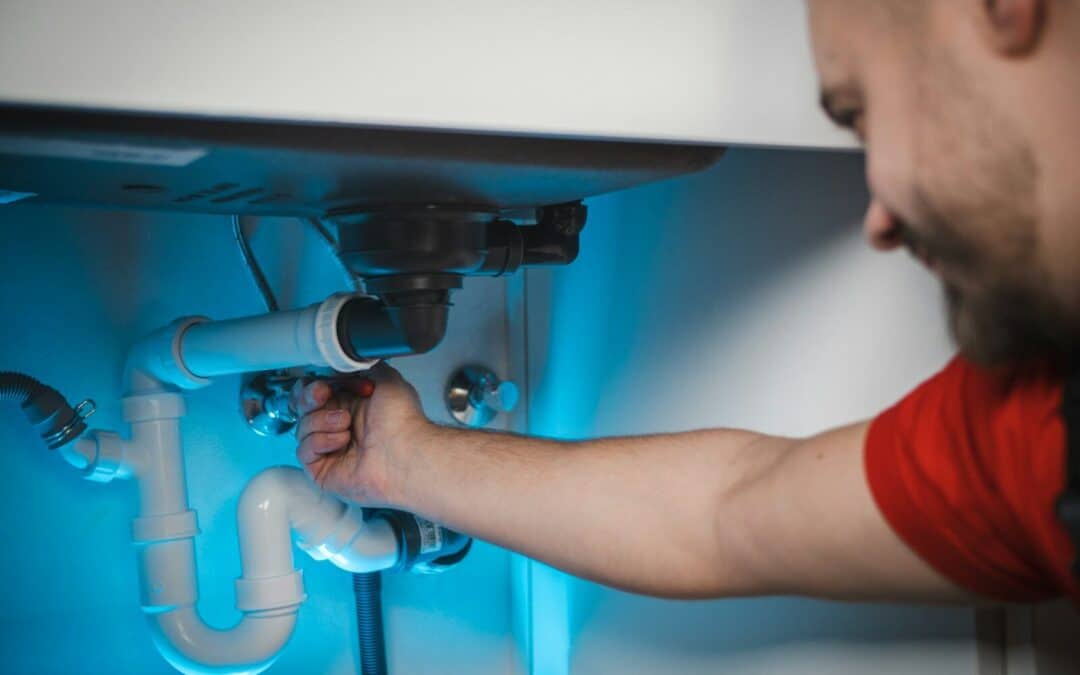
One of the most important protections is the water barrier inside plumbing traps. The curved pipes beneath sinks, tubs, and floor drains hold water, creating a seal that prevents gas from traveling back up through drains and into the home.
When this barrier fails, sewer gas leaks can occur.
Can Sewer Gas Kill You in Your Sleep? Understanding the Risks
So, can sewer gas kill you in your sleep? In rare cases and under specific conditions, high concentrations of sewer gas could potentially be dangerous.
The main concern is hydrogen sulfide, which can become toxic when exposure occurs at high levels or for long periods in enclosed spaces.
Possible health effects of sewer gas exposure include:
- Eye and respiratory irritation
- Headaches or dizziness
- Sore throat
- Nausea
- Fatigue
- Respiratory irritation
Low-level exposure typically causes mild symptoms that improve once the person gets fresh air and the exposure ends.
However, extremely high concentrations of hydrogen sulfide gas can affect the nervous system and may lead to serious gas poisoning if exposure continues.
These dangerous situations are uncommon in residential homes but may occur if there is a major sewer gas leak, a broken sewer pipe, or a severe ventilation problem.
In very rare cases involving high amounts of gas in enclosed spaces, exposure could potentially lead to severe health complications or even death.
Common Causes of Sewer Gas Leaks in Homes
A sewer gas leak can develop for several reasons. Many issues involve small failures in the plumbing system that allow gases to escape from sewer lines.
Dry P-Traps
One of the most common causes is dry traps.
When sinks, tubs, or floor drains are not used for an extended period, the water inside the trap can evaporate. Without that water barrier, sewer gas can travel up the drain and into the home.
This often happens in:
- Guest bathrooms
- Basement drains
- Vacation homes
- Utility sinks
Running water through the drain usually restores the seal.
Broken or Blocked Vent Pipes
Your plumbing system includes vent pipes that carry gases safely outside the house.
If these vent pipes become blocked by debris or damaged over time, gas pressure can build up inside the plumbing system and push sewer gas back into the house through plumbing fixtures like sinks or toilets.
Sewer Line Damage
Cracks or damage in sewer lines can allow gas to escape into crawl spaces or the soil beneath your home.
From there, gas can seep into the home through small gaps in the structure, especially if the crawl space or basement has limited ventilation.
Homes connected to a septic tank system may also experience sewer gas issues if the septic system becomes damaged or overloaded.
Cracked Drain Pipes
Older homes sometimes develop cracks in interior drain pipes. When this happens, sewage gases can leak from the pipes before they reach the main sewer line.
These leaks may occur behind walls, under floors, or inside ceilings, making them difficult to detect without professional inspection.
Warning Signs Your Home May Have a Sewer Gas Problem
If you suspect a sewer gas leak, there are several warning signs to watch for.
Common indicators include:
- A persistent rotten egg smell
- Strong sewer odor coming from drains
- Bad smells near a toilet, sink, or bathtub
- Odors coming from a floor drain
- Increased headaches or respiratory irritation
- Unexplained nausea or dizziness indoors
- Smells strongest in enclosed areas
If the smell becomes stronger over long periods or spreads throughout the house, it could signal a more serious plumbing issue.
Photo by Brett Jordan on Unsplash
What to Do If You Suspect Sewer Gas Exposure
If you smell sewer gas inside your home, the best course of action is to ventilate the area immediately.
Steps you can take include:
- Open windows to bring in fresh air
- Run water in unused drains to refill traps
- Check visible plumbing fixtures for leaks
- Avoid using harsh chemicals in drains
If symptoms like dizziness, breathing difficulty, or nausea appear after exposure to sewer gas, it may be important to seek medical care.
When to Call a Professional Plumber
While minor odors may come from dried-out traps, persistent sewer gas smells should always be investigated.
You should contact a licensed plumber if:
- The odor does not disappear after running water
- The smell is strongest near walls, floors, or crawl spaces
- Multiple drains smell at the same time
- The odor is strong or worsening
- You suspect damaged pipes or sewer lines
A professional plumber can inspect your plumbing system, locate the source of the gas leak, and safely repair the problem.
Plumbing professionals may check:
- Vent pipes
- Drain seals and traps
- Sewer lines
- Floor drains
- Toilet seals
- Plumbing fixtures
Addressing the issue quickly helps prevent larger plumbing problems and protects your household from potential health concerns.
Protect Your Home from Sewer Gas Problems
Most sewer gas issues are preventable with routine plumbing care.
Homeowners can reduce risk by:
- Running water in unused drains periodically
- Maintaining plumbing traps and seals
- Scheduling periodic plumbing inspections
- Addressing leaks or damaged pipes quickly
- Maintaining septic systems properly
Taking these steps helps keep sewer gases contained inside the plumbing system where they belong.
Resources and Helpful Links
If you suspect a sewer gas leak in your home, it is important to gather accurate information from trusted sources. Below is a list of resources to help you understand the hazards of methane, hydrogen sulfide, and general indoor air quality issues related to plumbing failures.
Centers for Disease Control and Prevention (CDC) – Hydrogen Sulfide: Learn about the specific health effects and symptoms of hydrogen sulfide exposure. The CDC provides clear guidance on recognizing the signs of this toxic gas to help you stay safe.
Environmental Protection Agency (EPA) – Improving Indoor Air Quality: Discover how plumbing failures and airborne pollutants impact the air inside your home. The EPA offers practical tips and comprehensive guides to protect your overall indoor environment.
Wisconsin Department of Health Services – Sewer Gas: Read a helpful breakdown of the exact components that make up sewer gas, including methane and other volatile organic compounds. This page explains common causes of residential leaks and basic steps for addressing them.
Occupational Safety and Health Administration (OSHA) – Methane Safety: While this resource focuses on workplace safety, it offers homeowners valuable facts about methane hazards. It covers flammability risks, safe exposure limits, and proper ventilation strategies.
National Institutes of Health (NIH) – Hydrogen Sulfide Toxicity: Explore the medical science behind sewer gas poisoning and its impact on the human body. This detailed overview helps you understand the severe health risks associated with prolonged gas exposure.
Illinois Department of Public Health – Hydrogen Sulfide Gas in the Home: Find straightforward answers to frequently asked questions about strong sewer odors in residential spaces. This guide walks you through immediate safety steps to take if you suspect a hazardous leak.
Plumbing-Heating-Cooling Contractors Association (PHCC): Connect with certified plumbing professionals who can safely inspect and repair faulty drain lines or dry p-traps. Relying on a qualified expert is the best way to permanently resolve dangerous sewer gas issues in your home.
If you are currently experiencing a strong gas odor or physical symptoms like dizziness and nausea, please evacuate your home immediately and contact your local emergency services or gas utility provider.
Schedule a Sewer Gas Inspection Today
If you’re noticing a sewer gas smell or suspect a sewer gas leak in your home, it’s important to investigate the issue quickly.
At MD Sewer & Plumbing, we’ve been helping homeowners across Pasadena and surrounding Maryland communities for more than 35 years. Our experienced technicians can inspect your plumbing system, locate sewer gas leaks, and fix the problem safely.
Don’t ignore sewer gas odors. With the right inspection and repair, you can restore clean air and peace of mind in your home.