Finding little worms in your sink, shower, or bathroom drain is never a pleasant surprise.
Most homeowners have the same first reaction: What are these? Where did they come from? Are they dangerous? And how do I get rid of them before they turn into a bigger problem?
What many people call drain worms are usually the larvae of drain flies, also known as moth flies, sewer flies, sink flies, filter flies, or sewer gnats. They are commonly found in damp areas where organic buildup, stagnant water, bacteria, and decaying organic matter collect inside drains and pipes.
Schedule Service Online
Get a free estimate so you know what you're signing up for
"*" indicates required fields
For Emergency Services Call: 410-255-9300
At MD Sewer & Plumbing Services, we have spent more than 35 years helping homeowners and businesses in Pasadena, Maryland, and surrounding communities solve plumbing problems quickly, honestly, and professionally. As a family-owned plumbing company, we treat every customer like a neighbor while providing 24/7 service, skilled technicians, and practical solutions for everything from drain cleaning to sewer line work.
Drain worms are not usually a sign that something is terribly wrong, but they are a sign that something inside your drain needs attention.
Let’s talk about what drain worms are, why they show up, how to get rid of drain pests, and when it is time to call a professional plumber.
What Are Drain Worms?
Drain worms are usually drain fly larvae.
Drain flies are small insects with fuzzy, moth-like wings and hairy bodies. Adult drain flies are often seen resting near sink drains, shower drains, tubs, laundry drains, floor drains, or bathroom walls. They are small, slow-moving flies that look a little like tiny moths.
Before they become adult flies, they begin as eggs laid in moist organic material inside dirty drains. Once the eggs hatch, the drain fly larvae grow in the slime, debris, and organic matter inside the pipe.
That larval stage is what people often call drain worms.
They may look like tiny black worms, dark larvae, or small wriggling worms near the drain opening. You may notice them in:
- Bathroom sinks
- Shower drains
- Tub drains
- Kitchen sink drains
- Floor drains
- Laundry drains
- Basement drains
- Drains that are not used often
Drain worms thrive where there is moisture, buildup, and organic material for them to feed on.
That means the real problem is usually not just the insects.
The real problem is the draining environment that allowed them to grow.
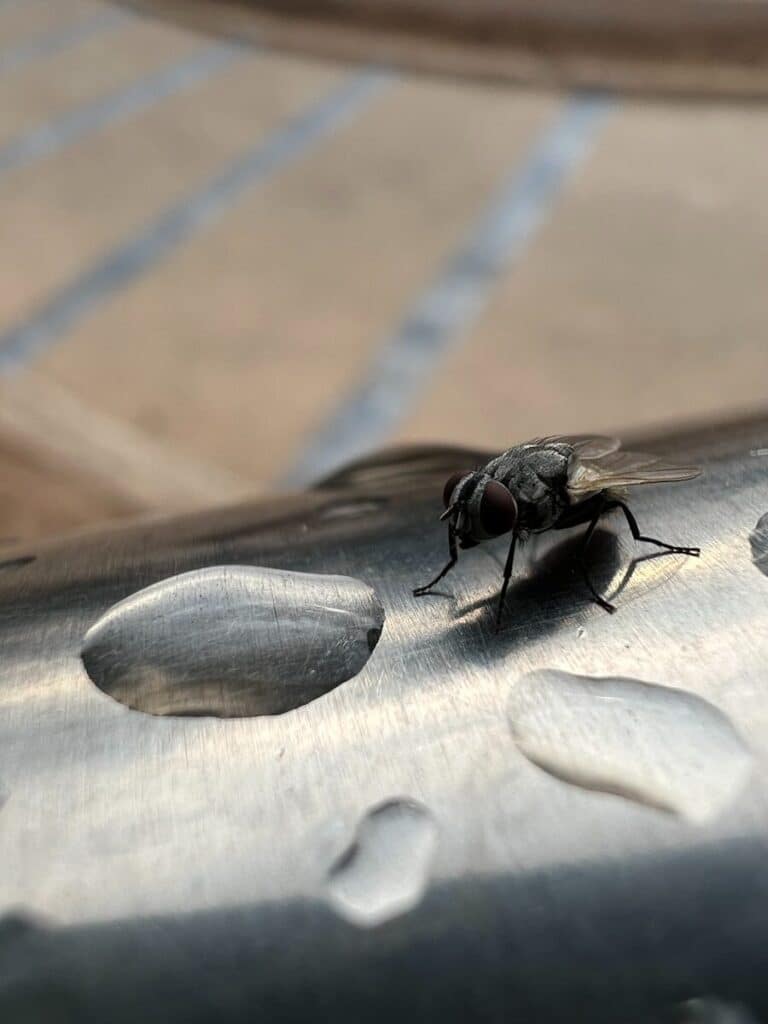
Photo by Pavel Levin on Unsplash
Drain Flies and Why They Show Up
Drain flies show up when they find the right breeding ground.
They are attracted to moist areas where organic buildup collects. Inside drains, that buildup may include soap scum, hair, grease, food particles, bacteria, toothpaste residue, skin cells, and other debris.
Over time, this material can stick to the inside of your pipes and create the perfect place for drain flies to lay eggs.
Common breeding areas include:
- Dirty drains
- Slow sink drains
- Shower drains with hair and soap buildup
- Kitchen drains with grease buildup
- Floor drains with stagnant water
- Septic tanks
- Damp mop sinks
- Utility drains
- Compost piles near the home
- Moist areas with decaying organic matter
Drain worms thrive because the larvae feed on the organic material inside the drain.
If you only kill the adult drain flies but do not clean the drain, the infestation may keep coming back.
That is why regular cleaning and proper drain care matter.
Are Drain Worms Harmful?
Many homeowners ask, ” Are drain worms harmful?”
The good news is that drain worms and adult drain flies are not known for biting humans. They are not the same as mosquitoes, ticks, or other pests that can transmit blood-borne diseases.
However, that does not mean you should ignore them.
Drain worms can signal a buildup problem inside your plumbing. Dirty drains may contain bacteria, decaying organic matter, and other debris that can create odors, attract pests, and contribute to future infestations.
Drain flies themselves are usually more of a nuisance than a major health threat, but they can move through unsanitary areas and may carry bacteria from drains, sewer areas, or other damp breeding sites.
Potential concerns include:
- Unsanitary drain conditions
- Harmful bacteria inside dirty drains
- Persistent drain fly infestation
- Unpleasant bathroom or kitchen odors
- Future infestations if breeding areas remain
- Possible irritation for sensitive people
- Allergic reactions in some individuals
If drain worms keep appearing, it is worth taking seriously.
They may be telling you that your drain needs more than a quick rinse.
Health Risks, Allergic Reactions, and Household Concerns
The biggest health risks linked to drain worms are usually related to the environment they live in.
Drain worms grow in organic buildup. That buildup may contain bacteria, food waste, soap residue, hair, grease, and moisture. In bathrooms and kitchens, there can be odors that make the area feel dirty even when the surface looks clean.
Drain flies and sewer gnats are not typically considered dangerous pests, but they can become a common household pest when they multiply. In some cases, people with sensitivities may experience irritation or allergic reactions to insects, debris, or contaminated drain areas.
Drain flies may also cause allergic reactions in certain people who are sensitive to airborne particles, insect fragments, or damp indoor environments.
If you have drain worms, adult flies, foul odors, slow drains, or repeated infestations, the goal should be to clean the source and restore the drain to better condition.
A clean drain is much less attractive to pests.
Why Dirty Drains Create Breeding Areas
Drain worms do not appear out of nowhere.
They need breeding areas.
Most often, those breeding areas are dirty drains with moisture and organic buildup. The inside of a drain can collect far more debris than homeowners realize. Even if water still moves through the pipe, a thin layer of slime can build up along the pipe walls.
Drain flies lay eggs in that material.
Once the eggs hatch, larvae feed and grow until they reach the pupal stage and eventually become adult drain flies.
This cycle can continue if the organic matter is not removed.
You may be dealing with breeding areas if you notice:
- Small flies near drains
- Black worms in the shower
- Larvae around sink drains
- A musty or sewage-like smell
- Slow drainage
- Standing water
- Recurring pests after cleaning the surface
- Sticky tape near the drain is catching small flies
If the problem keeps coming back, there may be a buildup deeper in the pipe or a plumbing issue contributing to standing water.
Black Worms in the Shower or Sink
Seeing black worms in the shower or sink can feel alarming.
In many cases, these are drain fly larvae. They may appear dark, thin, and worm-like. You might notice them after the shower has not been used for a while, or around drains that stay damp.
Showers are common places for drain worms because they collect:
- Hair
- Soap scum
- Skin cells
- Shampoo residue
- Conditioner buildup
- Moisture
- Bacteria
- Organic material
A shower drain that is slow, dirty, or holding moisture can become an ideal breeding ground.
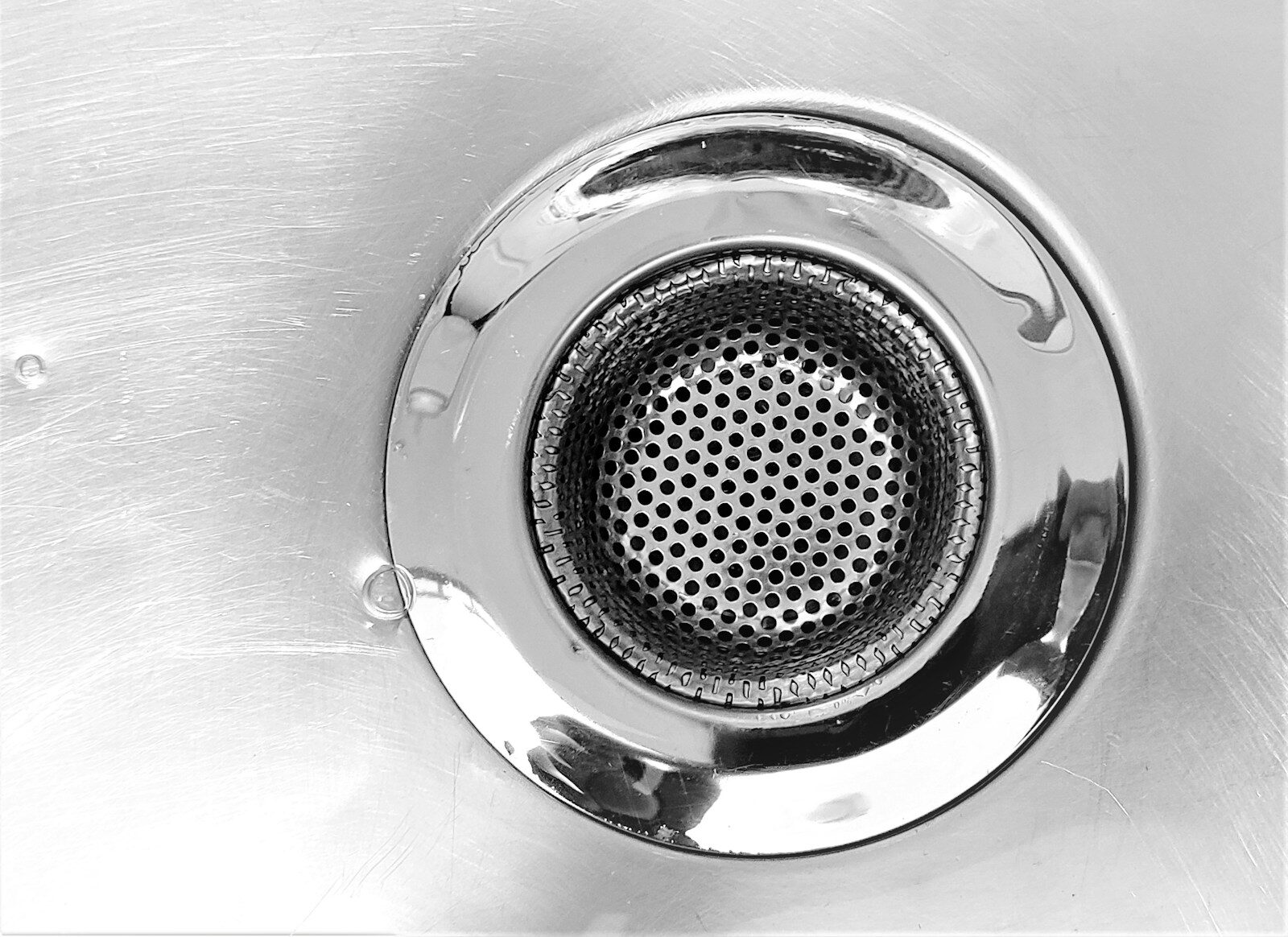
To clean shower drains, you may need to remove visible hair and debris first. Then flush the drain with hot water, use baking soda and white vinegar, and scrub around the drain opening.
If black worms keep appearing after cleaning, the buildup may be further down the pipe. That is when professional drain cleaning may be needed.
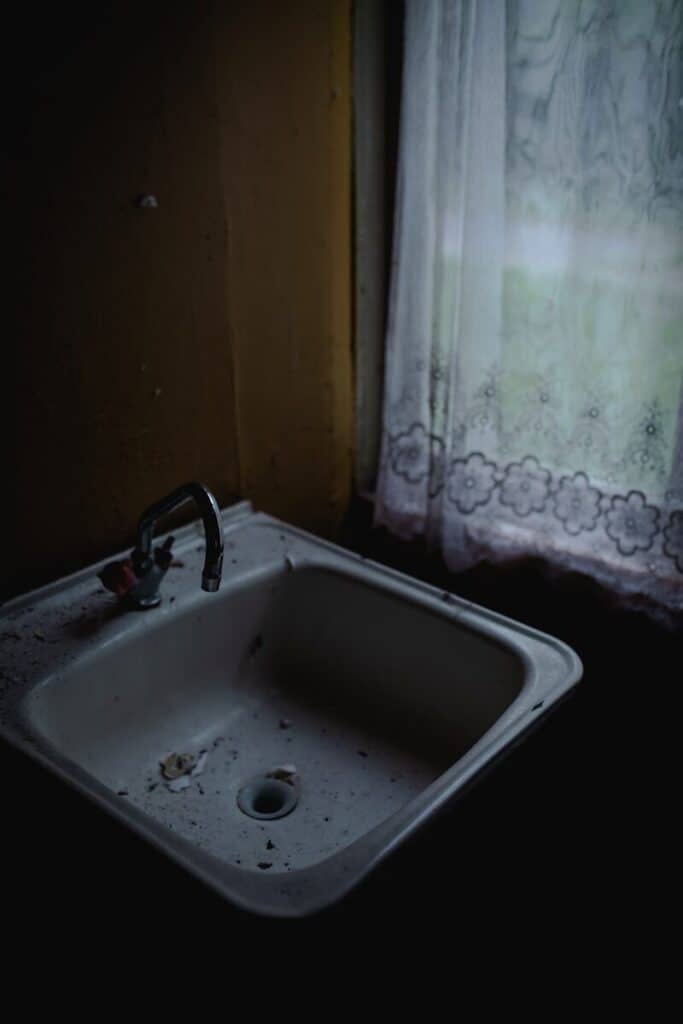
Photo by David Babayan on Unsplash
How to Get Rid of Drain Worms
If you want to get rid of drain worms, you have to remove the organic buildup they live in.
Killing adult flies is not enough.
The larvae need food and moisture to survive. If the drain remains dirty, eggs can hatch, and the problem can start again.
Here are practical steps homeowners can try.
1. Clean the drain opening
Remove the drain cover if possible and clean away visible hair, soap scum, grime, and debris.
2. Scrub the inside of the drain
Use a drain brush to scrub the pipe opening. This helps loosen organic material where larvae may be growing.
3. Flush with hot water
Hot water can help move loosened debris through the drain. Be careful with boiling water, especially if you have PVC pipes, older plumbing, or delicate fixtures. Very hot water may not be safe for every plumbing system.
4. Use baking soda and vinegar
Pour baking soda into the drain, then add white vinegar. Let it fizz for several minutes, then flush with hot water. This can help freshen the drain and loosen buildup near the surface.
5. Repeat regular cleaning
One cleaning may not be enough if the drain has heavy buildup. Regular cleaning can help prevent future infestations.
6. Watch for adult drain flies
Sticky tape near the drain can help confirm whether adult flies are still emerging from that area.
If the issue continues, it may be time to call a professional plumber.
How to Rid of Drain Worms for Good
To truly rid of drain worms, the source has to be removed.
That means cleaning the drain deeply enough to eliminate the larvae, eggs, and organic buildup. If you only rinse the drain or spray the flies, the infestation may return.
For stubborn problems, professional drain cleaning is often the best solution.
At MD Sewer & Plumbing Services, we can inspect the drain, identify the likely source, and clean the plumbing properly. If there is a larger issue, such as a slow drain, clog, pipe buildup, leak, or sewer-related problem, we can help address that, too.
Common reasons drain worms return include:
- The drain was not cleaned deeply enough
- Organic material remains inside the pipe
- Standing water is present
- The drain is rarely used
- There is a hidden clog
- The pipe has a heavy buildup
- A plumbing issue is creating moisture
- A nearby septic or sewer issue is contributing to odors or pests
If you keep seeing larvae or adult flies, the problem may be deeper than the surface.
Can Drain Cleaners Get Rid of Drain Worms?
Many homeowners reach for store-bought drain cleaners when they see worms or flies.
Sometimes, a basic cleaner may reduce buildup near the surface. But harsh drain cleaners are not always the best answer. Some chemical drain cleaners can be hard on pipes, especially older plumbing, and they may not fully remove the organic buildup where larvae are growing.
In some cases, drain cleaners temporarily reduce the problem but do not solve the source.
Safer first steps may include:
- Physically removing hair and debris
- Scrubbing the drain
- Flushing with hot water
- Using baking soda and vinegar
- Cleaning around the drain cover
- Keeping the area dry when possible
If the drain is slow, clogged, or smells like sewage, avoid guessing. A licensed plumber can inspect the drain and recommend the right solution.
Professional tools can clean more effectively than most DIY methods and can help prevent damage from using the wrong product.
Pest Control vs. Plumbing Help
Some homeowners call pest control when they see drain flies, sewer gnats, or drain worms.
Pest control can help with adult flies and visible insects. But if the source is inside the drain, plumbing help may be needed to remove the breeding ground.
Think of it this way:
Pest control may treat the insects.
Plumbing service treats the reason they are there.
If the flies are coming from a dirty drain, clogged pipe, leaking fixture, or standing water, the infestation may keep returning until the plumbing issue is fixed.
A plumber can help identify:
- Whether the drain is clogged
- Whether there is a buildup inside the pipe
- Whether the trap is holding water properly
- Whether a leak is creating moisture
- Whether the issue is connected to a sewer line
- Whether professional drain cleaning is needed
If you have both a major infestation and plumbing issues, pest control and plumbing services may both be helpful.
But for drain worms specifically, the drain itself is often the place to start.
How to Prevent Future Infestations
The best way to prevent future infestations is to keep drains clean and reduce standing moisture.
Regular cleaning can make a big difference.
Here are a few habits that can help:
- Flush drains with hot water regularly
- Remove hair from shower drains
- Avoid pouring grease down kitchen drains
- Clean drain covers and stoppers
- Use strainers to catch food and debris
- Keep rarely used drains flushed
- Clean bathroom drains before the buildup gets heavy
- Address slow drains early
- Repair leaks that create damp areas
- Schedule professional drain cleaning when needed
Drain worms thrive in moist, dirty drains.
Clean drains are less inviting.
Preventive maintenance is often easier and more affordable than dealing with repeated infestations, clogged drains, or emergency plumbing problems.
When Drain Worms Point to a Bigger Plumbing Problem
Most drain worm problems are caused by organic buildup near the drain.
But sometimes, recurring drain pests can point to a bigger issue.
You should call a plumber if you notice:
- Drain worms keep coming back
- Adult drain flies are increasing
- Multiple drains are affected
- The drain smells like sewage
- Water drains slowly
- You hear gurgling
- There is standing water
- The issue is near a floor drain
- The problem appears in the basement
- DIY cleaning does not help
- You suspect a sewer line issue
- You have septic tank concerns
A recurring infestation may mean there is more buildup deeper in the system, a partial clog, improper drainage, or a sewer issue that needs professional attention.
At MD Sewer & Plumbing Services, we provide drain cleaning, plumbing inspections, sewer services, and emergency plumbing support for homeowners and businesses. We can help determine whether the issue is minor or something that needs a deeper repair.
Why Professional Drain Cleaning Makes a Difference
Professional drain cleaning can do more than clear a visible clog.
It can help remove the organic buildup that attracts drain flies and allows larvae to grow. It can also help restore better water flow, reduce odors, and prevent future plumbing problems.
Our trained technicians use advanced tools and proven techniques to identify and address drain issues safely and effectively.
Professional help may be especially important if:
- DIY methods do not work
- You have older pipes
- You have recurring clogs
- You own a rental property
- You manage a business
- You have frequent drain odors
- You have multiple affected drains
- You want to prevent costly repairs
As a family-owned company with over 35 years of experience, we understand how stressful plumbing problems can be. Our goal is to make the process simple, honest, and reliable from start to finish.
Get Rid of Drain Worms Before the Problem Grows
Drain worms may be small, but they are still a sign that your drain needs attention.
They usually appear when organic buildup, moisture, bacteria, and debris create a breeding ground for drain fly larvae. While drain worms are not usually dangerous, they can be unpleasant, unsanitary, and frustrating when they keep coming back.
The best solution is to clean the source.
Not just the surface.
Not just the adult flies.
The drain itself.
If you are seeing drain worms in your sink, shower, bathroom, or basement drain, MD Sewer & Plumbing Services is here to help. We offer fast, reliable, professional plumbing and drain services throughout Pasadena, Maryland, and surrounding communities.
Whether you need drain cleaning, plumbing inspection, sewer service, or emergency help, our licensed technicians are ready.