Need reliable drain cleaning in Annapolis MD?
Annapolis MD is a city steeped in history. From the colonial architecture of the Historic District to the charming, established neighborhoods that branch out from the city center, our area is defined by its heritage. But for homeowners living in these beautiful older properties, that history comes with a hidden challenge: aging plumbing systems.
While a home built in 1950 or 1920 has character that new construction can’t replicate, it often relies on the original sewer pipes and drain lines buried underground. Over decades, these systems face immense pressure from shifting soil, tree root intrusion, and simple wear and tear. For residents in Annapolis and Anne Arundel County, understanding the unique needs of these systems isn’t just about maintenance—it’s about preservation.
Schedule Service Online
Get a free estimate so you know what you're signing up for
"*" indicates required fields
For Emergency Services Call: 410-255-9300
After more than 35 years serving Maryland homeowners, we’ve seen firsthand how older pipes behave. We know that a slow drain in a historic home is rarely just a simple clog; it’s often a symptom of a plumbing system that needs professional attention. Ignoring these warning signs can lead to catastrophic backups and expensive repairs that could have been avoided.
This guide is designed to help you recognize the risks associated with older plumbing, prevent unnecessary damage, and understand when it’s time to call in a professional. Don’t let a hidden issue become a plumbing emergency.
Photo by actually_jet on Pexels
Understanding the Plumbing Systems in Older Annapolis Homes
To effectively protect your home, you first need to understand what lies beneath it. Modern homes typically use PVC (plastic) piping, which is smooth, durable, and resistant to corrosion. However, the plumbing system in an older Annapolis home is likely made of materials that were standard decades ago but are now known for their vulnerabilities.
Common Pipe Materials
In many Annapolis properties, we encounter three main types of older pipes:
- Cast Iron: Popular until the mid-20th century, cast iron is incredibly strong but susceptible to rust and corrosion over time. As the bottom of the pipe wears away (a process called “channeling”), it can cause frequent stoppages and eventually collapse.
- Clay: Vitrified clay pipe was widely used for sewer lines. While resistant to chemicals, it is brittle and highly susceptible to root intrusion and cracks caused by ground shifting.
- Galvanized Steel: Used primarily for water lines but occasionally for drains, these pipes corrode from the inside out, restricting water flow and accumulating buildup.
The Impact of the Environment
In Anne Arundel County, the soil composition and mature tree canopies play a significant role in the health of your sewer lines. Large, beautiful trees—oaks, maples, and pines—have extensive root systems that seek out moisture. Clay and cast iron pipes with tiny cracks or loose joints become perfect targets for thirsty roots. Once roots enter the pipe, they grow rapidly, catching debris and causing major blockages.
Furthermore, the freeze-thaw cycles of Maryland winters can cause the ground to shift, putting stress on brittle pipes and leading to misalignments or bellies (dips) in the line where waste accumulates.
Signs of a Critical Issue
Your home will usually tell you when its plumbing system is struggling. Be on the lookout for:
- Gurgling sounds from toilets or drains.
- Multiple slow drains throughout the house.
- Unpleasant sewage odors in the yard or basement.
- Wet patches in your lawn, even when it hasn’t rained.
The Most Common Causes of Clogged Drains in Older Homes
When it comes to clogged drains in Annapolis, MD, older homes face a “perfect storm” of factors. It isn’t just about what you put down the drain today; it’s about what has been accumulating for the last 50 years.
Decades of Buildup
Imagine fifty years of grease, soap scum, hair, and food particles passing through a pipe. In cast iron pipes, specifically, the interior surface becomes rough and pitted due to corrosion. This rough texture grabs onto debris much more easily than smooth PVC, causing layers of sludge to narrow the pipe’s diameter significantly. What starts as a 4-inch pipe might functionally be reduced to 2 inches due to scale and buildup.
Outdated Configurations
Older plumbing codes were different. You might find drain configurations that lack proper venting or use tight bends that slow down the flow of wastewater. Additionally, previous owners may have performed DIY repairs that were not up to code, creating “traps” for debris.
The Garbage Disposal Factor
Many older kitchen sink drain systems were not designed to handle the volume and consistency of waste produced by modern garbage disposals. Sending potato peels, coffee grounds, and fibrous vegetables down the disposal can overwhelm aging pipes that already have restricted flow, leading to stubborn kitchen backups.
Problem Areas We See Most Often
Through our years of service, we have identified specific areas in older homes that are most prone to failure.
Shower Drain & Bathtub Issues
Shower drain clogs in older homes are incredibly common. Over decades, hair binds with soap scum to form dense, sticky obstructions. In older tubs with drum traps (an antiquated type of trap), cleaning these clogs can be difficult because standard snakes may not navigate the trap correctly. If ignored, slow-draining tubs can leak into the ceiling below, causing water damage and mold growth.
Sink Drain & Kitchen Plumbing Problems
The kitchen sink is the workhorse of the home, but in older properties, the grease buildup is the enemy. Even if you are careful, residue from previous decades likely coats the pipes. When this combines with the strain of a modern garbage disposal, the result is often a complete standstill.
Toilet & Main Sewer Line Backups
This is the scenario every homeowner fears. When the main sewer line clogs, the wastewater has nowhere to go but back up into the lowest drains in your home—usually a basement floor drain, toilet, or bathtub. Warning signs often appear before a full backup: if flushing the toilet causes water to gurgle up in the bathtub, or if running the washing machine causes the toilet to bubble, you have a main sewer line blockage that requires immediate professional attention.
Why DIY Drain Cleaning Can Make Things Worse
When a drain slows down, the instinct is often to grab a bottle of chemical cleaner or a cheap drain snake from the hardware store. In an older home, this can be a costly mistake.
The Danger of Chemicals
Chemical drain cleaners rely on caustic acids or oxidizing agents to eat away at clogs. In old, corroded cast iron or galvanized pipes, these chemicals can eat right through the metal itself. We have seen many instances where a homeowner used a chemical cleaner to fix a slow drain, only to end up with a collapsed pipe and a massive repair bill.
Mechanical Damage
Store-bought drain snakes are often rigid and difficult to control. In fragile clay pipes or corroded metal lines, aggressive snaking can punch holes in the pipe or crack brittle sections. Furthermore, if you don’t know exactly what the blockage is (e.g., tree roots vs. grease), you might push the clog further down the line, making it harder to retrieve.
We often get called after a DIY fix turns into a bigger problem — and we’d rather help you avoid that altogether.
Professional Drain Cleaning: The Safe, Efficient Solution
When you hire Annapolis plumbers for professional drain cleaning in Annapolis, MD, you aren’t just paying for a service; you are paying for a diagnosis and a safe solution.
Accurate Diagnosis
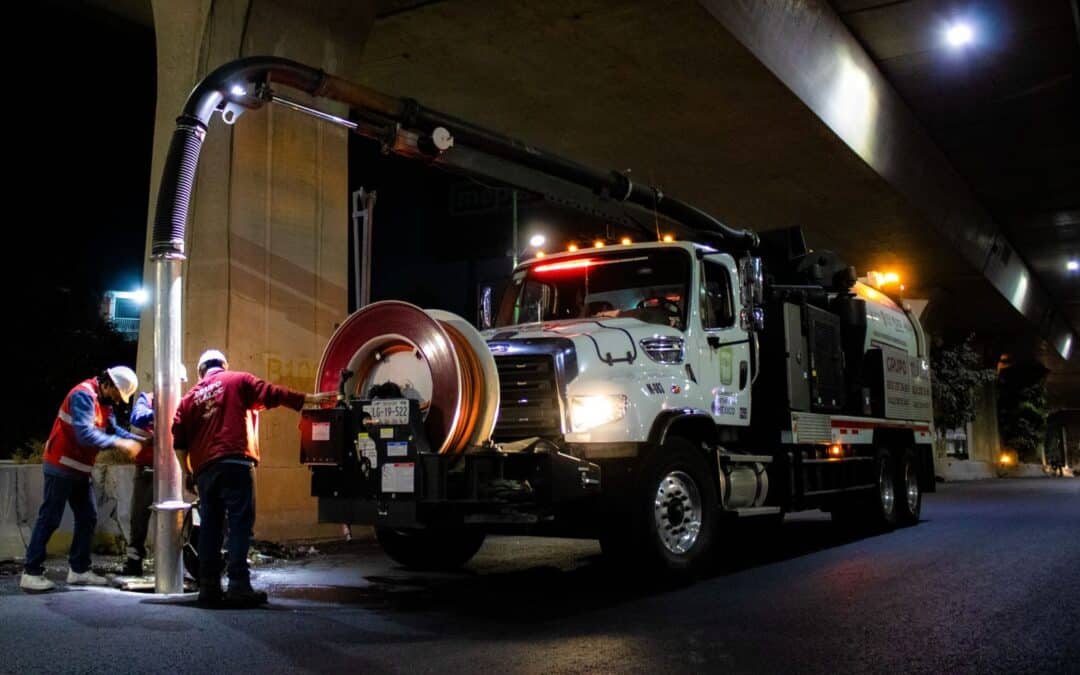
Our licensed technicians don’t guess. We utilize advanced video camera inspections to see exactly what is happening inside your pipes. This technology allows us to identify if the issue is a simple soft blockage, a tree root intrusion, or a collapsed line.
Hydro Jetting and Safe Snaking
For older pipes, we use tools appropriate for the material’s condition.
- Hydro Jetting: This method uses high-pressure water streams to scour the inside of the pipes, removing decades of grease, scale, and silt without damaging the structural integrity of the pipe (when done by a pro). It restores the pipe to near-original capacity.
- Professional Snaking: We use motorized augers with specific heads designed to cut through roots or retrieve objects safely.
- Professional cleaning doesn’t just open the flow; it removes the buildup that leads to future clogs, protecting your entire plumbing system.
Top 7 Maintenance Drain Cleaners for Homeowners
While we advise against harsh chemical openers, regular maintenance with enzymatic or safer preventative cleaners can keep drains flowing between professional services. These products use bacteria or enzymes to digest organic waste rather than burning it away.
- Bio-Clean: A blend of bacteria and enzymes that digests organic waste like hair, grease, and food particles. It’s safe for all pipes and septic systems. Visit Website
- Thrift: An odorless, non-acid drain cleaner that activates with hot water to clear sluggish drains quickly. It is safe for septic systems and won’t harm porcelain or chrome. Visit Website
- Green Gobbler: Uses a proprietary formula to dissolve hair, grease, and paper. It is biodegradable and safer than traditional caustic chemicals. Visit Website
- Zep Drain Defense: An enzymatic build-up remover designed to prevent clogs before they happen by breaking down organic materials in the line. Visit Website
- Earthworm Drain Cleaner: A natural, enzyme-based cleaner that smells fresh and helps break down waste without harsh fumes or acids. Visit Website
- Rockwell InVade Bio Drain: A professional-grade probiotic cleaner that eats away scum and organic buildup, often used to help control drain flies as well. Visit Website
- CLR Build-Up Remover: Monthly use of this product helps prevent clogs by degrading fat, oil, and grease. It is part of the EPA’s Safer Choice program. Visit Website
Note: Always read the manufacturer’s instructions. These products are for maintenance and slow drains, not for clearing total blockages.
Preventing Drain Clogs in Older Annapolis Homes
Prevention is always cheaper than repair. Adopting a few simple habits can extend the life of your older plumbing system significantly.
What NOT to Flush or Pour
- Grease: Never pour cooking oil or bacon grease down the sink. Wipe pans with a paper towel before washing.
- “Flushable” Wipes: Despite the name, these do not disintegrate like toilet paper and are a leading cause of sewer backups.
- Fibrous Foods: Celery, eggshells, and pasta should go in the trash or compost, not the disposal.
Routine Maintenance
Run hot water down your kitchen drain after each use to keep oils moving. Use mesh drain strainers in showers and tubs to catch hair. Most importantly, consider scheduling an annual sewer line inspection. Catching a small root intrusion today is far less expensive than replacing a collapsed sewer line tomorrow.
When to Call Emergency Plumbers Immediately
Sometimes, preventative measures aren’t enough. You need to know when a situation has escalated to an emergency. You should call emergency plumbers in Annapolis, MD, immediately if:
- Sewage Backups: Water coming up through floor drains or toilets is a biohazard and requires immediate attention.
- Multiple Clogged Drains: If the sink, toilet, and shower are all backed up simultaneously, the issue is deep in the main line.
- Flooding: Any active water leak that cannot be stopped by the shut-off valve is an emergency.
- No Hot Water: While not a flooding risk, a lack of hot water disrupts daily life and indicates a system failure.
Why Annapolis Homeowners Trust MD Sewer & Plumbing Service
Choosing the right plumber is about trust. You need someone who will be honest about the condition of your older home’s pipes and offer solutions that fit your budget and needs.
Since 1989, MD Sewer & Plumbing Service has been a family-owned, community-focused business. We have over 35 years of experience specifically dealing with the quirks and challenges of older Maryland homes.
- Honest Pricing: We provide upfront pricing and free consultations so you are never surprised by the bill.
- Fast Response: We know that plumbing disasters don’t stick to a 9-to-5 schedule, which is why we offer complete plumbing and sewer services with rapid response times.
- One-Stop Solution: Whether you need drain cleaning, sewer line repair, water heater replacement, or hydro jetting, we handle it all.
Protect Your Home With Expert Drain Cleaning
Older homes in Annapolis are treasures worth protecting. However, their aging infrastructure requires a knowledgeable touch and quality plumbing. By staying proactive with maintenance and relying on experienced professionals for drain cleaning, you ensure that your historic home remains safe, dry, and comfortable for years to come.
Don’t wait until a slow drain becomes a sewage backup. Peace of mind is just a phone call away.
Schedule Your Service Today
Ready to protect your pipes? Book online in minutes or call us to speak with a friendly expert. Experience the difference of family-owned service with your local, trusted plumber since 1989.