A sewer line problem is one of those plumbing issues no homeowner wants to deal with.
It can start small. A slow drain here. A strange smell there. A toilet that bubbles when the shower runs. But when sewer line issues are ignored, they can turn into sewage leaks, clogged pipes, costly emergencies, and damage around your yard or home.
At MD Sewer & Plumbing Services, we have spent more than 35 years helping homeowners and businesses in Pasadena, Maryland, and surrounding communities handle plumbing and sewer problems with honesty, speed, and care. As a family-owned company, we treat every customer like a neighbor, whether we are handling a simple drain repair or helping someone decide if it is time to replace sewer line parts or the entire sewer line.
Schedule Service Online
Get a free estimate so you know what you're signing up for
"*" indicates required fields
For Emergency Services Call: 410-255-9300
Sewer line replacement is a major job, but it does not have to feel overwhelming. With the right sewer line inspection, clear repair options, and an experienced licensed plumbing contractor, you can make informed decisions and protect your home from costly plumbing repairs.
Here are 10 common signs it may be time to replace a sewer line.
1. You Have Recurring Sewer Line Repair Problems
Asingle clog does not always mean you need sewer line repair or replacement.
Sometimes a drain backs up because of grease buildup, paper towels, wipes, hair, or foreign objects that should not have gone down the drain. In those cases, professional drain cleaning or targeted repair may solve the problem.
But if the same sewer line problems keep coming back, that is a warning sign.
Recurring clogs, slow drains, backups, or sewage odors may mean there is a deeper issue inside the sewer pipe. The root cause could be tree roots, broken pipes, old pipe material, pipe joints that have shifted, collapsed sections, or structural damage inside the line.
If you keep paying for sewer repairs and the problem returns, it may be more cost-effective to consider sewer pipe replacement or a full replacement instead of temporary fixes.
A camera inspection can help us see the sewer line’s condition and determine whether repair, pipe lining, trenchless sewer repair, or replacement makes the most sense.
2. Multiple Drains Are Slow Throughout the Home
One slow sink might be a local clog.
Multiple drains slowing down at the same time can point to a main sewer line problem.
If your tub, shower, sinks, and toilets are all draining slowly, the issue may not be in one drain line. It could be farther down in the main line where all wastewater exits your home.
This matters because your sewer line carries wastewater away from the house. When that line is blocked, damaged, or failing, the entire plumbing system can be affected.
Common causes include:
- Grease buildup
- Root intrusion
- Foreign objects
- Collapsed pipe sections
- Clay pipes shifting
- Cast iron pipes deteriorating
- Broken sewer line sections
- Pipe joints separating
- Structural problems in the sewer pipe
If multiple drains are affected, do not wait for the problem to become a full sewage backup.
Schedule Your Service Today so a professional can inspect the line and find the cause before it turns into a bigger emergency.
3. Your Main Sewer Line Keeps Backing Up
Your main sewer line is one of the most important parts of your plumbing system.
When it works properly, wastewater leaves your home safely and efficiently. When it fails, you may notice backups in the lowest drains of the home first, such as a basement drain, lower-level toilet, bathtub, or shower.
A main sewer backup can be caused by a clog, but it can also point to serious sewer line damage.
If sewage backs up into your home, that is not just inconvenient. It can create health risks, property damage, and cleanup costs. Leaking sewage or wastewater in the home should always be handled quickly.
A main sewer issue may require:
- Sewer line inspection
- Sewer line repair
- Drain cleaning
- Root removal
- Pipe lining
- Trenchless sewer repair
- Sewer line replacement
- Sewer pipe replacement
The right solution depends on what we find during the inspection.
Sometimes we can repair a damaged section. Other times, the entire sewer line may be too deteriorated to be trusted long-term.
4. You Notice Unpleasant Odors Around Drains or the Yard
Unpleasant odors are one of the most common signs of sewer line problems.
Your sewer system is designed to keep wastewater and sewer gases contained and moving away from your home. If you smell sewage inside the house or outside, something may be wrong.
Sewer odors may come from:
- Cracked sewer pipes
- Loose pipe joints
- Sewage leaks
- A broken sewer line
- Dry traps
- Venting issues
- Septic tank problems
- Main sewer line damage
- Sewer laterals with leaks
If the smell is coming from one drain, the issue may be local. But if odors appear in several areas or outside near the sewer line path, it may point to a larger problem.
A sewer line inspection can help identify the source.
Do not ignore sewage smells. They are often an early warning sign that the existing sewer line may be damaged or failing.
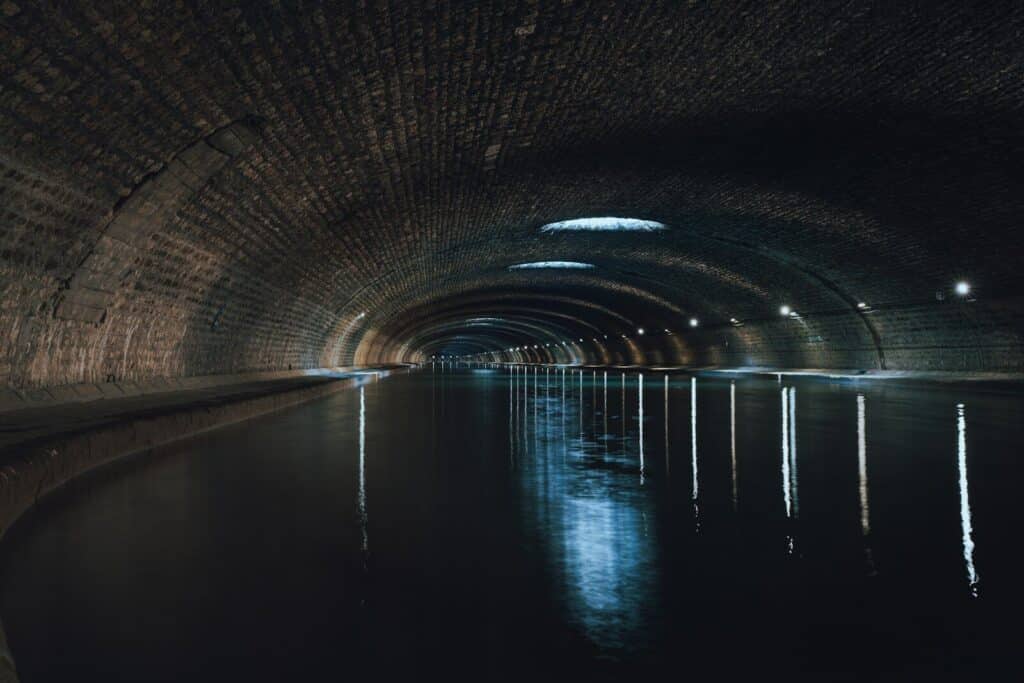
Photo by Florian Olivo on Unsplash
5. Your Yard Has Soggy Spots or Sewage Leaks
A wet spot in the yard is not always from rain.
If you notice soggy soil, unusually green grass, standing water, or sewage smells outside, your sewer pipe may be leaking underground. Leaking sewage can saturate the surrounding soil and create problems that get worse over time.
This may happen when:
- Old clay pipes crack
- Cast iron pipes corrode
- Tree roots break into the line
- Pipe joints separate
- A sewer pipe collapses
- Sewer laterals leak
- Structural damage forms underground
A leaking sewer line can affect your yard, your home’s foundation, and nearby landscaping if it is not handled quickly.
This is where professional diagnosis matters.
We may recommend sewer line repair, trenchless methods, traditional excavation, or sewer replacement, depending on the location and severity of the damage.
If you see suspicious wet spots, don’t wait. Fix it fast with MD Sewer & Plumbing.
6. There Are Signs of Sewer Line Damage Near Your Home’s Foundation
Serious sewer line damage can sometimes affect the surrounding soil near your home.
When a sewer line leaks underground, the soil around it can shift, soften, or erode. Over time, this may create issues near walkways, landscaping, driveways, or even your home’s foundation.
Warning signs may include:
- Soggy soil near the foundation
- Sewage smells around the house
- Sinkholes or sunken areas in the yard
- Cracks in hardscaping
- Moisture where it should not be
- Repeated backups after heavy water use
- Pest activity near leaking sewage
Not every foundation issue is related to a sewer line, but a damaged sewer pipe can contribute to soil problems if left unresolved.
If you suspect a leak near the home, it is important to schedule an inspection quickly. Sewer line problems do not usually fix themselves. They tend to get worse with time, water flow, and ground movement.
7. Your Sewer Pipe Is Old, Deteriorated, or Made From Problem Materials
The age and pipe material of your sewer line matter.
Older homes in Maryland may have sewer pipes made from clay, cast iron, Orangeburg, or other materials that can deteriorate over time. Cast iron pipes can corrode. Clay pipes can crack, shift, or allow root intrusion at joints. Older pipe materials may become brittle, weak, or misaligned.
If your home has an old sewer pipe, replacement may eventually be the safest long-term option.
A sewer pipe inspection can show us:
- Cracks
- Corrosion
- Bellies in the line
- Root intrusion
- Collapsed sections
- Broken pipes
- Pipe joint separation
- Scale buildup
- Structural problems
- Leaks
- Blockages
In some cases, sewer line repair may extend the life of the system. In other cases, sewer pipe replacement is the smarter choice.
If the pipe is too damaged, too old, or has too many failing sections, repairs may only delay the inevitable.
8. Tree Roots Keep Getting Into the Sewer Line
Tree roots are one of the biggest causes of sewer line issues.
Roots naturally seek moisture. If there is even a small crack or opening in the sewer pipe, roots can grow into the line. Over time, root intrusion can catch debris, create clogs, crack pipes, and cause major sewer line damage.
You may notice:
- Recurring backups
- Slow drains
- Gurgling toilets
- Sewage odors
- Frequent need for drain cleaning
- Roots found during camera inspection
Root removal may help temporarily, but if tree roots keep coming back, the pipe may have structural damage that needs repair or replacement.
In some cases, pipe lining or trenchless sewer repair may help seal the existing sewer line. In other cases, if the damage is severe, the best option may be to replace sewer line sections or install a new pipe.
The goal is not just to clear the roots.
The goal is to stop the problem from coming back.
9. You Need Sewer Pipe Replacement Instead of Another Temporary Fix
There comes a point where sewer pipe replacement is more practical than repeated repairs.
If your existing sewer line has several damaged areas, frequent clogs, leaking sewage, or failing pipe material, it may not make sense to keep patching one section at a time.
Sewer line replacement may be recommended when:
- The entire sewer line is deteriorating
- The pipe has collapsed
- There are multiple broken sections
- The line has a major root intrusion
- Pipe joints have failed
- Cast iron pipes are severely corroded
- Clay pipes are cracked or shifting
- The main sewer line has repeated backups
- The sewer line’s condition is too poor for pipe lining
Yes, sewer line replacement costs can be high. Depending on several factors, the cost may reach several thousand dollars. But continuing to pay for temporary sewer repairs, cleanup, emergency calls, and damage can also become expensive.
A professional inspection helps you compare repair options, replacement options, and long-term cost.
10. You Are Considering Pipe Lining or Trenchless Sewer Repair
Pipe lining and trenchless sewer repair can be helpful options in some situations.
Traditional excavation involves digging to access and replace the damaged sewer pipe. This may be necessary when the pipe is collapsed, severely damaged, or not a good candidate for trenchless methods.
Trenchless methods may allow repairs with less digging, depending on the sewer line’s condition, access points, pipe material, and local permits.
Common trenchless sewer options may include:
- Pipe lining
- Pipe bursting
- Trenchless sewer replacement
- Targeted trenchless repairs
Pipe lining creates a new lining inside the existing sewer line. Pipe bursting breaks apart the old pipe while pulling a new pipe into place.
These options can save time and reduce disruption in some cases. However, trenchless sewer repair is not right for every sewer line problem. If the existing pipe has collapsed, has major structural damage, or cannot support the process, traditional excavation may be required.
That is why camera inspection and professional planning are so important.

Foreign Objects Can Cause Sewer Line Problems Too
Foreign objects are another common cause of sewer line problems.
Even if your sewer line is in decent shape, the wrong items can cause clogs and backups.
Items that should not go down drains or toilets include:
- Paper towels
- Wipes, even some labeled flushable
- Feminine hygiene products
- Grease
- Food scraps
- Cotton swabs
- Dental floss
- Diapers
- Rags
- Toys or small objects
- Excessive toilet paper
When foreign objects combine with grease buildup, root intrusion, or old pipe material, they can create serious blockages.
If the line is otherwise healthy, drain cleaning may solve the issue. But if objects keep getting caught in the same area, there may be a crack, offset joint, belly, or broken sewer pipe that needs repair.
A camera inspection helps us find the root cause instead of guessing.
When Is It Time to Replace a Sewer Line?
It may be time to replace a sewer line when the pipe is no longer reliable, safe, or cost effective to repair.
Some common signs include:
- Recurring sewage backups
- Multiple drains are clogging at once
- Persistent unpleasant odors
- Wet or soggy spots in the yard
- Tree roots repeatedly enter the pipe
- Cast iron pipes or clay pipes are failing
- Sewer line damage near the home
- Broken pipes or collapsed sections
- Leaking sewage
- Ongoing sewer repairs that do not last
- Camera inspection showing major structural problems
The only way to know for sure is to have a professional sewer line inspection.
At MD Sewer & Plumbing Services, we do not believe in scare tactics or guesswork. We believe in honest recommendations, upfront pricing, and helping homeowners understand their options.
Sometimes the best option is repair.
Sometimes it is pipe lining.
Sometimes it is a trenchless sewer repair.
Sometimes it is a full replacement.
We help you make the right call for your home, your budget, and your long-term peace of mind.
What Affects Sewer Line Replacement Costs?
Sewer line replacement costs depend on several factors.
These may include:
- Length of the line
- Depth of the sewer pipe
- Pipe material
- Location of the damage
- Whether traditional excavation is needed
- Whether trenchless methods are possible
- Local permits
- Soil conditions
- Access to the line
- Landscaping or hardscaping above the pipe
- Septic tank or municipal sewer connection
- Whether the entire sewer line needs replacement
Homeowners sometimes ask whether insurance or home warranty companies cover sewer line replacement. The answer depends on the policy, the cause of the damage, and the coverage details.
It is always worth checking, but it is also important to get a clear professional diagnosis so you know what needs to be done.
We provide free estimates and honest guidance so you can make informed decisions.
How MD Sewer & Plumbing Handles Sewer Replacement
Sewer replacement can sound stressful, but the right team can make the process smoother.
Our process starts with understanding the problem. We listen to what you are experiencing, inspect the plumbing system, and use advanced tools when needed to evaluate the sewer line’s condition.
From there, we explain your options clearly.
We may recommend:
- Sewer line repair
- Sewer pipe replacement
- Pipe lining
- Trenchless sewer repair
- Traditional excavation
- Drain cleaning
- Preventive maintenance
- Full replacement
We also help homeowners understand what to expect, including timing, access, cleanup, and cost.
As a family-owned plumbing company with more than 35 years of experience, we know how important it is to protect your home and minimize stress. Our licensed, skilled technicians work with care, professionalism, and respect for your property.
Photo by Sharon Waldron on Unsplash
Do Not Wait Until a Sewer Line Problem Becomes an Emergency
A sewer line issue is not something to ignore.
Small warning signs can quickly turn into costly emergencies if sewage backs up into the home, leaks into the yard, or damages the surrounding soil.
If you notice recurring drain problems, slow drains, sewage smells, soggy yard spots, or signs of a broken sewer line, it is time to call a licensed plumbing contractor.
At MD Sewer & Plumbing Services, we offer fast, reliable sewer and plumbing service throughout Pasadena, Maryland, and nearby areas. We are available 24/7 for emergency plumbing needs, and we make scheduling simple with easy online booking and free estimates.
Replace Sewer Line Parts With Confidence
Knowing when to replace sewer line parts or the entire line can feel overwhelming, but you do not have to figure it out alone.
Sewer line replacement is a major job, and it deserves a careful inspection, honest recommendations, and experienced technicians who understand sewer systems from the inside out.
At MD Sewer & Plumbing Services, we bring more than 35 years of plumbing and sewer expertise to every job. Whether you need sewer line repair, sewer line replacement, trenchless sewer repair, drain cleaning, or preventive maintenance, our team is here to help you protect your home and avoid costly future repairs.
Your plumbing system should work safely, cleanly, and reliably.
If something feels off, trust your instincts and let us take a look.