If you are planning a new build, bathroom remodel, kitchen renovation, laundry room addition, or basement project, you may hear the term rough in plumbing early in the process.
For many homeowners, it sounds technical.
But the idea is pretty simple.
Schedule Service Online
Get a free estimate so you know what you're signing up for
"*" indicates required fields
For Emergency Services Call: 410-255-9300
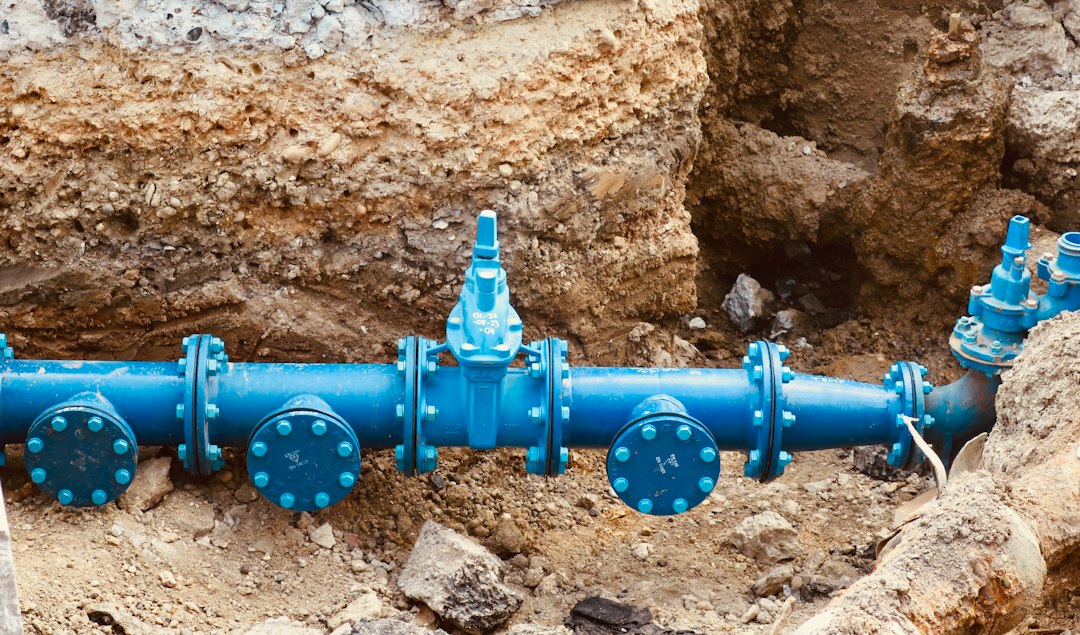
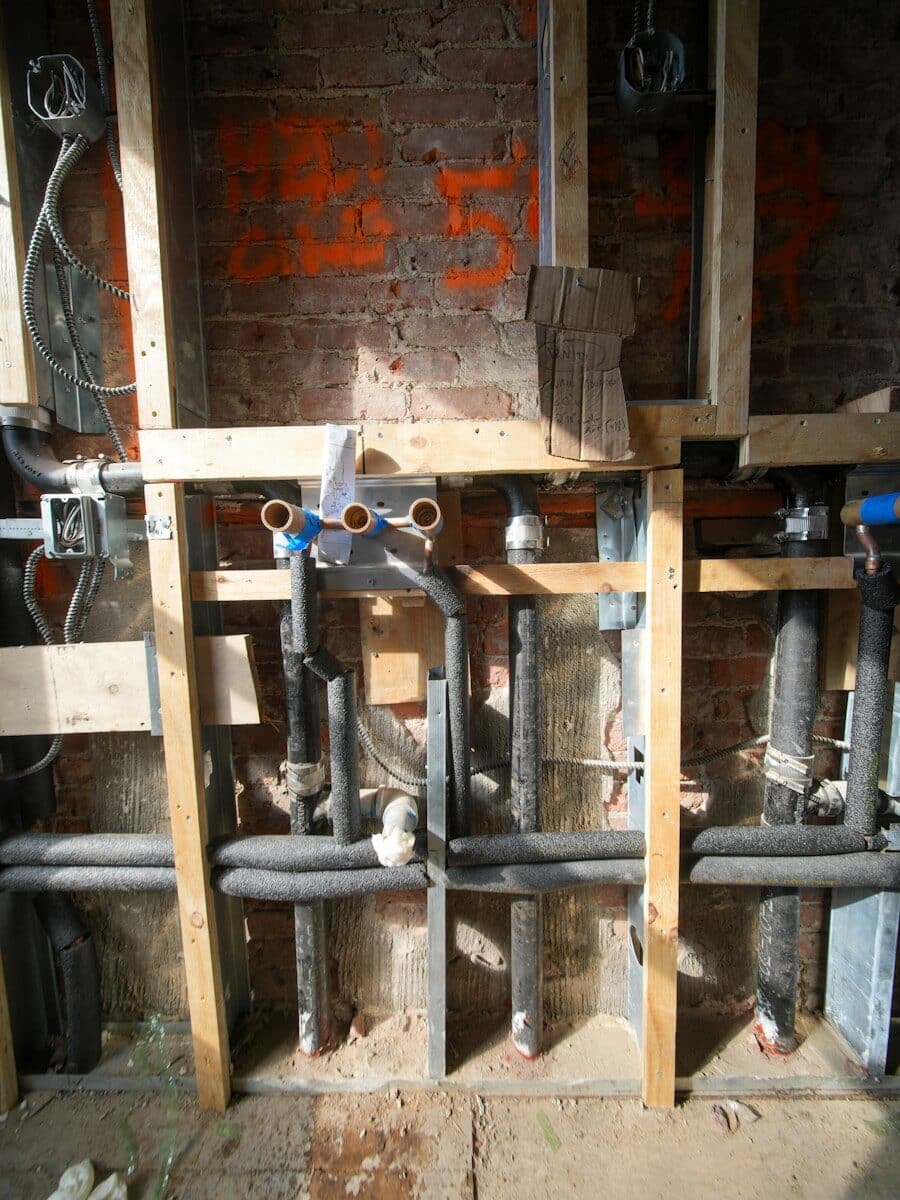
Rough in plumbing is the stage where the main plumbing infrastructure is installed before the walls, floors, and finishes are closed up. This is when water supply lines, drain lines, vent lines, toilet drains, and other key plumbing connections are put into place so the home’s plumbing system can work properly once the project is finished.
At MD Sewer & Plumbing Services, we know plumbing can feel overwhelming when you are in the middle of a remodel or construction project. That is why we believe in explaining the process clearly, helping you plan ahead, and making sure the work is done right from the start.
We are a family-owned plumbing company with more than 35 years of trusted experience serving Pasadena, Maryland, and surrounding communities. Whether you are dealing with an emergency repair, drain cleaning, water heater installation, sewer line service, or rough in plumbing work for a remodel, our goal is simple: deliver honest, reliable plumbing care and treat every customer like a neighbor.
What Rough In Plumbing Means
Rough in plumbing means the basic pipes and connections are installed before the finished fixtures go in.
Think of it as the hidden part of your plumbing system.
Before you see faucets, toilets, sinks, tubs, showers, washing machines, water heaters, or under-sink drain assemblies, the rough in plumbing stage must happen first. During this stage, the plumbing contractor installs the water and drain lines that will serve those fixtures later.
The rough in phase usually includes:
- Water supply lines
- Drain lines
- Drain and vent lines
- Vent stacks
- Toilet drains
- Primary water lines
- Supply pipes
- Drainage pipes
- Underground pipes when needed
- Utility connections
- Main shut off valve planning
- Water system valves
- Drain fittings
- Central vent stack connections
- Wastewater system planning
This stage is not about making everything look finished.
It is about building the basic infrastructure that allows clean water to come in and wastewater to move out safely.
Why Rough In Plumbing Matters
The rough in stage is just the start, but it is one of the most important parts of the construction process.
If rough in work is done incorrectly, the problems may not show up until later. By then, walls may already be closed, floors may be installed, cabinets may be in place, and fixtures may already be mounted.
That can make repairs more complicated and more expensive.
Proper rough plumbing helps make sure:
- Water flows to the right fixtures
- Wastewater drains correctly
- Vent lines help prevent sewer gases and drainage issues
- Pipes are placed where fixtures will actually go
- Plumbing work follows local building codes
- The system is ready for inspection
- Future maintenance is easier
- Fixtures can be installed properly during the finish plumbing phase
A good rough in process helps prevent leaks, clogs, poor drainage, code issues, and costly changes later in the project.
When plumbing is behind the walls, you want it done right the first time.
Rough In Plumbing and the Construction Process
In the construction process, rough in plumbing usually happens after basic framing is complete but before drywall, flooring, cabinets, and finished surfaces are installed.
At this point, the layout of the home or remodel is visible. The wall cavities are open. The plumbing professionals can see where pipes need to go, where drill holes may be needed, and how drain lines should route through the structure.
For a new construction project, rough in plumbing may involve the full plumbing system from the ground up. For a remodel, it may involve moving or adding water lines, drain lines, vent lines, and fixture locations.
Rough in plumbing may happen around the same general time as electrical work and HVAC rough in work. Each trade needs access to open walls, floors, ceilings, and framing before the home is finished.
This is why planning matters. The plumbing phase needs to line up with the full construction schedule so the project can move forward without unnecessary delays.
Rough In Plumbing for New Construction
In new construction, rough in plumbing creates the foundation for the entire water and wastewater system.
The plumber begins by reviewing the plans and determining where each fixture will go. This may include bathrooms, kitchens, laundry rooms, utility areas, outdoor spigots, water heaters, sump pumps, and other water using appliances.
For a new home, rough in plumbing may include:
- Installing primary water lines
- Routing drain lines
- Installing vents
- Connecting to sewage systems or a septic system
- Planning underground pipes
- Running water supply lines through wall cavities
- Setting up toilet drains
- Preparing for tubs and showers
- Planning water heater connections
- Installing key plumbing equipment connections
- Preparing for kitchen and laundry plumbing
Every part of this work has to be planned carefully. The angle of drain lines matters. Horizontal drains need proper slope. Long horizontal drain runs must be designed correctly so wastewater can move the way it should.
This is not a guessing game. It is skilled plumbing work that should be handled by licensed professionals who understand code, layout, drainage, water pressure, and long-term system performance.
Rough In Plumbing for Remodels and Additions
Rough in plumbing is also common during remodels and additions.
If you are adding a bathroom, finishing a basement, moving a kitchen sink, building a laundry room, or converting part of your home into a more usable space, rough in work may be needed before the finished fixtures are installed.
Common remodeling projects that may require plumbing rough in include:
- Bathroom remodels
- Kitchen remodels
- Basement bathrooms
- Any half baths
- Laundry room additions
- New showers or tubs
- Kitchen island sinks
- Wet bars
- Utility sinks
- Washing machines
- Water heater relocation
- Sump pump installation
For remodels, the process can be more complicated because the plumber may need to connect new plumbing infrastructure to the existing plumbing system.
Older homes can also bring surprises. Pipes may not be where expected. Drainage systems may need updating. Underground pipes may be aging. Venting may not meet current standards. That is why it helps to work with experienced technicians who understand both older plumbing systems and modern code requirements.
Drain Lines and Vent Lines
Drain lines carry wastewater away from sinks, tubs, showers, toilets, washing machines, and other fixtures.
Vent lines help air move through the plumbing system so drains can work properly. Without proper venting, you may deal with slow drains, gurgling sounds, sewer odors, or poor drainage.
During rough in plumbing, the plumber will route drain lines and install vent lines before the walls are closed.
This may include:
- Toilet drains
- Sink drains
- Tub and shower drains
- Laundry drains
- Floor drains
- Drain fittings
- Central vent stack connections
- Horizontal drains
- Drainage pipes
- Wastewater system connections
Drain and vent lines are a key component of rough in plumbing because they support the safe movement of wastewater and sewer gases.
They also need to follow local building codes. Drain lines must usually angle downward at the correct slope so wastewater flows properly. If the slope is too steep, too flat, or inconsistent, the drainage system may not work the way it should.
Water Supply Lines
Water supply lines bring clean water to fixtures and appliances.
During the rough in stage, water lines are run through the framing so they can later connect to sinks, showers, tubs, toilets, washing machines, dishwashers, water heaters, and other fixtures.
This may include hot and cold water supply lines, water system valves, and connections to the main water supply.
Good supply line placement matters because finished fixtures depend on those rough in locations. If a line is placed too high, too low, or too far from where the fixture will be installed, adjustments may be needed later.
That is why the rough in process should be coordinated with the project layout, fixture selections, and construction plans.
Plumbing Rough In for Bathrooms
A bathroom is one of the most important places to get plumbing rough in right.
Bathrooms have multiple fixtures in a small area, including toilets, sinks, tubs, showers, and sometimes laundry connections or floor drains.
Bathroom rough in plumbing may include:
- Toilet drains
- Sink supply lines
- Sink drain lines
- Tub or shower drains
- Shower valve placement
- Drain and vent lines
- Water supply lines
- Fixture spacing
- Wall cavity routing
- Floor penetrations
- Under sink drain assemblies later in the finish phase
If you are adding a bathroom or half bath, the plumber must also think about where the new plumbing will connect to the existing plumbing system, sewer line, septic system, or wastewater system.
This is one reason bathroom additions can become a complex process. It is not just about where the toilet or sink looks good. It is about whether the water, drain, and vent lines can be installed correctly and safely.
Plumbing Rough In for Kitchens and Laundry Rooms
Kitchens and laundry rooms also need careful planning during the rough in phase.
For kitchens, rough in plumbing may include supply lines for the sink, drain lines, dishwasher connections, refrigerator water lines, and sometimes gas or water connections depending on the appliances.
For laundry rooms, the plumber may install supply lines for washing machines, drainage pipes, utility sink connections, and venting where required.
These spaces need practical planning because they are used every day. Poorly placed plumbing can make appliance installation harder, reduce function, or create maintenance headaches later.
If you are remodeling your kitchen or laundry room, it is smart to talk through your layout early. Moving a sink, washer, dishwasher, or refrigerator water line may be possible, but it needs to be planned before finish work begins.
Drill Holes, Wall Cavities, and Pipe Placement
During rough in plumbing, plumbers often need to drill holes through framing so pipes can pass through walls, floors, and ceilings.
This part of the job requires skill and care.
Pipes need to be routed efficiently, but the structure also needs to remain sound. A professional plumber understands how to work within wall cavities, avoid unnecessary damage, and coordinate with other trades.
This may include:
- Drill holes through studs or joists
- Routing supply pipes
- Running drainage pipes
- Placing vent lines
- Avoiding conflicts with electrical work
- Planning pipe protection
- Keeping future access in mind
Pipe placement during rough in work affects everything that comes after it. Once drywall goes up, those pipes are hidden. That is why the initial stage has to be handled with precision.
Plumbing Equipment and Utility Connections
Rough in plumbing may also involve planning for plumbing equipment and utility connections.
Depending on the project, this could include:
- Water heater connections
- Sump pumps
- Water system valves
- Main shut off valve placement
- Septic system connections
- Sewage systems
- Utility sinks
- Laundry equipment
- Water using appliances
- External venting where needed
These details may not be the first thing homeowners think about, but they matter. A convenient shutoff valve, properly planned water heater connection, or accessible sump pump setup can make a big difference later.
At MD Sewer & Plumbing Services, we always look at the bigger picture. We do not just think about whether something can be installed today. We think about how it will work, how it can be maintained, and how it can help prevent future plumbing problems.
Finish Plumbing Comes After Rough In
Finish plumbing is the stage that happens later, after walls, floors, cabinets, and surfaces are completed.
During the finish plumbing phase, the plumber begins installing faucets, toilets, sinks, showerheads, under sink drain assemblies, and other fixtures. This is when the visible parts of the plumbing system come together.
A simple way to think about it is this:
Rough in plumbing is the hidden infrastructure.
Finish plumbing is the visible function.
Both matter.
If the rough in work is done correctly, the finish plumbing phase should be smoother. The fixtures should line up with the supply lines and drain lines. The system should be ready for final connections, testing, and use.
If rough in work was rushed or poorly planned, the finish phase can become frustrating fast.
Local Building Codes and Inspections
Rough in plumbing must follow local building codes.
These codes exist to protect the safety, health, and function of the home or business. They may cover pipe size, slope, venting, fixture spacing, materials, water supply, drainage, wastewater handling, and inspection requirements.
In many construction and remodeling projects, rough in plumbing must be inspected before walls are closed.
That inspection helps confirm that the work meets code before it is hidden behind drywall or flooring.
This is one of the biggest reasons to hire a licensed plumbing contractor. Code compliance is not something to treat casually. Incorrect rough in plumbing can delay your project, create safety issues, and lead to expensive corrections.
Common Rough In Plumbing Mistakes to Avoid
Rough in plumbing is not the place to cut corners.
Some common mistakes include:
- Poor pipe placement
- Incorrect drain slope
- Missing or improper vent lines
- Undersized pipes
- Bad fixture spacing
- Weak utility connection planning
- Improper drill holes
- Poor coordination with electrical work
- Ignoring local building codes
- Forgetting future access needs
- Using the wrong drain fittings
- Not planning for finish plumbing
These mistakes can lead to slow drains, leaks, sewer odors, water pressure problems, fixture installation issues, failed inspections, and expensive rework.
The best way to avoid these problems is to bring in plumbing professionals early in the planning process.
Why Professional Rough In Plumbing Work Matters
Professional rough in plumbing work gives your project a stronger foundation.
A licensed plumber understands how water supply, drainage, venting, and fixtures need to work together. They also understand how to plan for code, inspections, future maintenance, and real-life use.
At MD Sewer & Plumbing Services, we bring more than 35 years of trusted experience to every job. We use advanced tools and proven techniques, and we believe in honest, upfront pricing with no hidden fees.
Whether you are remodeling one bathroom or planning plumbing for a larger project, we are here to make the process easier.
We can help you understand what needs to happen, what to expect, and how to avoid costly future repairs.
When to Call MD Sewer & Plumbing Services
If you are planning a remodel, addition, or new construction project, do not wait until the last minute to call a plumber.
The earlier we are involved, the easier it is to plan the rough in process correctly.
Call us if you are:
- Adding a bathroom
- Remodeling a kitchen
- Finishing a basement
- Moving a laundry room
- Installing a new water heater
- Adding a half bath
- Planning new construction
- Updating old plumbing
- Dealing with sewer line concerns
- Connecting new fixtures
- Unsure where pipes should go
We also provide 24/7 emergency plumbing services, drain cleaning, water heater installations, sewer line services, preventive maintenance, and plumbing repairs for homes and businesses.
From emergency repairs to planned remodeling work, we are here to help.
Helpful Resources
If you’re planning a rough-in plumbing project, the right references can help you avoid layout mistakes, sizing issues, and code problems before walls are closed up. The resources below are practical tools for learning the basics, checking standards, and making better decisions during planning and execution.
1. International Code Council (ICC) – International Plumbing Code
The ICC publishes the International Plumbing Code, which is widely used as the basis for plumbing rules in many areas. It’s a valuable starting point for understanding fixture spacing, drainage, venting, and general rough-in plumbing requirements.
2. IAPMO – Uniform Plumbing Code
IAPMO is the organization behind the Uniform Plumbing Code, another major code standard used across the United States. This resource is especially helpful if you want to compare code approaches or confirm rules that affect pipe layout, venting, and installation practices.
3. Plumbing-Heating-Cooling Contractors Association (PHCC)
PHCC is a respected trade organization that offers education, industry guidance, and professional training resources. For someone learning rough-in plumbing, it provides reliable insight into best practices, workmanship standards, and the broader plumbing trade.
4. Family Handyman – Plumbing Projects and Tutorials
Family Handyman offers beginner-friendly plumbing guides that can make rough-in concepts easier to understand. It’s useful for learning basic installation logic, common tool usage, and practical jobsite tips in plain language.
5. Charlotte Pipe – Technical Hub
Charlotte Pipe provides detailed technical resources for DWV systems, pipe selection, and installation guidance. This is a strong reference when you need help with rough-in plumbing details such as material compatibility, support spacing, and system layout.
6. Uponor – Plumbing System Design and Technical Resources
Uponor offers design manuals, technical documents, and product application guidance that can help with water supply planning and pipe sizing. This is especially useful when you want a more technical look at distribution layouts and installation standards.
7. Engineering Toolbox – NPS Guide
Engineering Toolbox includes calculators and reference material for pipe sizing, flow rates, and related technical data. A common mistake is guessing on pipe dimensions, and this resource helps you make more informed planning decisions before installation begins.
Build Your Plumbing System the Right Way
Rough in plumbing may not be the part of your project that everyone sees, but it is one of the parts everyone depends on.
It is the water supply behind the shower.
The drain under the sink.
The vent line behind the wall.
The pipe below the floor.
The plumbing infrastructure that makes daily life possible.
When it is done right, you may not think about it much. And honestly, that is the goal. Your plumbing should work quietly, safely, and reliably behind the scenes.
At MD Sewer & Plumbing Services, we are proud to help homeowners, businesses, landlords, and property managers build and maintain plumbing systems they can trust.
If you are planning rough in plumbing for a new build, remodel, bathroom, kitchen, or addition, our family-owned team is ready to help you get it done right.