
Sewer gas can be lethal at high concentrations, but a faint odor alone is unlikely to be fatal overnight. The real danger comes from poor ventilation, prolonged exposure, and gases like hydrogen sulfide, which can cause unconsciousness and death at elevated levels. Any persistent sewer smell in your Maryland home warrants prompt professional inspection.
That rotten egg smell drifting up from your basement drain at midnight is not something to shrug off. Sewer gas exposure is one of those household hazards that sits in a gray area—easy to dismiss as merely unpleasant, yet capable of becoming genuinely dangerous under the right (or wrong) conditions.
The short answer to the question this article addresses: yes, sewer gas can kill you. But context matters enormously. A mild whiff near a rarely used floor drain is a very different situation from a slow, concentrated buildup of toxic gases in an enclosed bedroom or basement with no ventilation. Understanding the difference could protect your family.
Schedule Service Online
Get a free estimate so you know what you're signing up for
"*" indicates required fields
For Emergency Services Call: 410-255-9300
This guide breaks down exactly what sewer gas is, what makes it dangerous, how to recognize warning signs, and what Maryland homeowners should do when they suspect a problem. We’ll also cover when a situation calls for immediate action and when you can safely take a breath—so to speak.
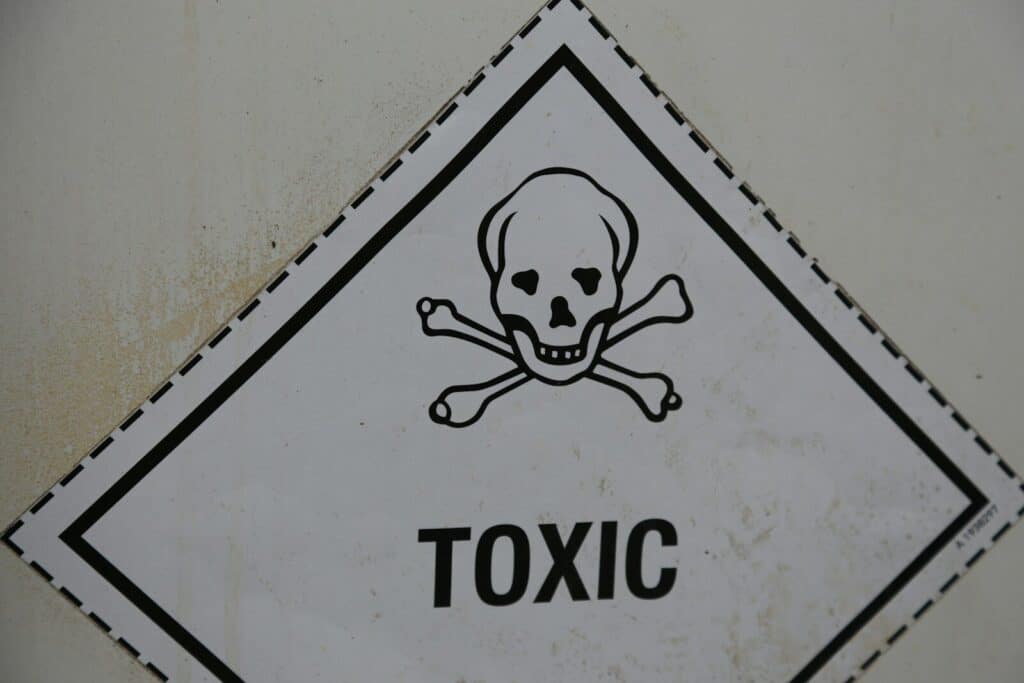
Photo by Bernd 📷 Dittrich on Unsplash
Can Sewer Gas Kill You in Your Sleep?
Under specific circumstances, yes. Sewer gas contains a mixture of gases, including hydrogen sulfide—a compound that is acutely toxic at elevated concentrations. According to OSHA’s hydrogen sulfide hazard data, concentrations between 700 and 1,000 ppm can cause rapid unconsciousness within one to two breaths, followed by death within minutes. At 1,000–2,000 ppm, the outcome is nearly instantaneous.
The critical factor while you are sleeping is awareness. During waking hours, you might notice a smell, feel a headache developing, or choose to open a window. While unconscious, your exposure continues uninterrupted, and symptoms can escalate before you realize anything is wrong.
That said, lethal concentrations rarely build up in typical residential settings. Most sewer gas leaks in Maryland homes result in low-level odors that cause discomfort rather than immediate danger. The risk becomes serious when:
- A large or persistent crack in the sewer line allows continuous gas entry
- A bedroom, basement, or enclosed bathroom has poor ventilation
- Multiple entry points allow gas to accumulate overnight
- Olfactory fatigue sets in, preventing you from detecting the ongoing exposure
Never treat a sewer smell as a minor inconvenience. Even if it seems manageable, the underlying cause needs to be found and fixed.
What Is Sewer Gas?
Sewer gas is not a single substance. It is a mixture of gases produced when organic waste decomposes inside sewer and septic systems. According to the International Association of Certified Home Inspectors (InterNACHI), the primary components include:
- Methane — the largest single constituent, flammable and capable of displacing oxygen
- Hydrogen sulfide (H₂S) — the source of the rotten egg odor and the most acutely toxic component
- Carbon dioxide — can reduce available oxygen in enclosed spaces
- Ammonia — strongly irritating to mucous membranes
- Nitrogen oxides and sulfur dioxide — present in smaller quantities but still harmful
Improperly disposed gasoline or mineral spirits can also contribute to sewer gas composition in some cases, adding a fire and explosion risk.
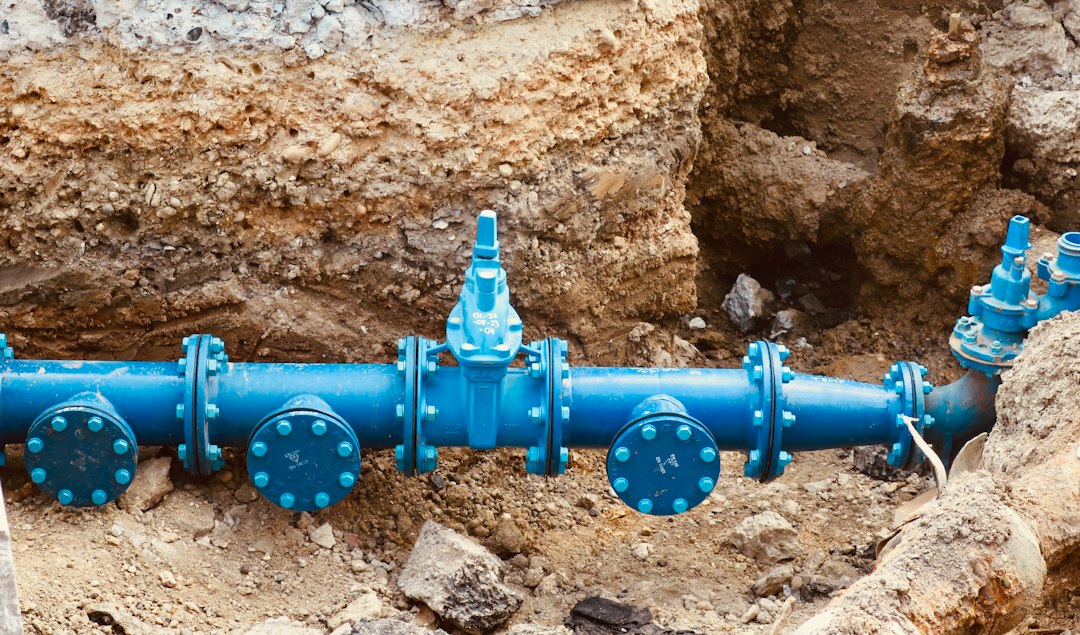
Under normal conditions, your home’s plumbing is specifically engineered to keep these gases out of your living space. Each drain fixture has a plumbing trap—a U-shaped section of pipe that holds a small amount of water. This water barrier blocks sewer gas from traveling back up through the drain. Vent pipes running up through the roof allow gas to escape harmlessly outside while also equalizing pressure in the drain system. When either of these systems fails, sewer gas finds its way into your home.
Why Is Sewer Gas Dangerous?
Sewer gas poses three distinct types of hazard: toxic poisoning, oxygen displacement, and fire or explosion.
Hydrogen Sulfide Toxicity
Hydrogen sulfide is the primary toxic threat in sewer gas. The CDC’s Agency for Toxic Substances and Disease Registry (ATSDR) classifies hydrogen sulfide as a substance that causes respiratory and neurological effects at concentrations roughly 100 times higher than typical environmental levels. The concentration-to-effect relationship is steep and unforgiving:
| Concentration | Effect |
|---|---|
| 0.01–1.5 ppm | Odor threshold (rotten egg smell first detectable) |
| 2–5 ppm | Nausea, headaches, eye tearing with prolonged exposure |
| 20 ppm | Fatigue, irritability, dizziness, poor memory |
| 100 ppm | Loss of smell within 2–15 minutes (olfactory fatigue); death possible after 48 hours |
| 500–700 ppm | Collapse within 5 minutes; death within 30–60 minutes |
| 700–1,000 ppm | Unconsciousness within 1–2 breaths; death within minutes |
| 1,000–2,000 ppm | Nearly instant death |
Source: OSHA Hydrogen Sulfide Hazards
NIOSH classifies 100 ppm as the level that is “immediately dangerous to life or health” (IDLH). OSHA’s permissible ceiling limit for workplace air is 20 ppm. Residential spaces carry no official exposure limit, which means homeowners have no built-in warning system beyond their own physical symptoms—and even that fails at high concentrations due to olfactory fatigue.
Oxygen Displacement and Asphyxiation
As sewer gases diffuse into a room, they gradually displace oxygen. When oxygen concentration drops below 19.5%, symptoms begin. Below 12%, loss of consciousness and death can occur rapidly and without warning. Methane and carbon dioxide are the primary culprits here, and both are heavier gases that tend to accumulate in basements and low-lying areas.
Fire and Explosion Risk
Methane and hydrogen sulfide are both highly flammable. According to OSHA data, the explosive range for hydrogen sulfide in air is 4.3 to 45 percent. Methane similarly creates a sewer gas explode risk when it accumulates. If you smell sewer gas and also notice a sulfur-like odor that resembles natural gas, do not use any light switches, open flames, or electrical appliances. Leave immediately and contact your gas utility provider before calling a plumber.

Photo by Rex Pickar on Unsplash
What Are the First Signs of Sewer Gas Poisoning?
Early recognition is critical because hydrogen sulfide exposure at 100 ppm causes olfactory fatigue—meaning your nose essentially stops detecting the smell even as the gas continues to accumulate. By the time you stop noticing the odor, you may already be experiencing the early stages of poisoning without realizing it.
According to the CDC’s Medical Management Guidelines for Hydrogen Sulfide, acute exposure symptoms include:
- Headache — often the earliest and most common warning sign
- Nausea and digestive upset
- Dizziness and loss of balance
- Eye irritation — a burning or watering sensation
- Coughing and throat irritation
- Fatigue or drowsiness
- Difficulty breathing
- Delirium or confusion at higher exposures
Symptoms may not appear immediately. Low-level exposure over several hours can produce a gradual worsening that homeowners often attribute to illness, allergies, or exhaustion. If multiple family members in the same home develop similar symptoms simultaneously, sewer gas exposure should be considered as a possible cause.
What Are the Symptoms of Sewage Sickness?
Prolonged or repeated sewer gas exposure—what is sometimes referred to as sewage sickness—produces a broader pattern of health effects that can persist even after leaving the affected environment. The American Lung Association notes that poor indoor air quality can seriously impact both respiratory and neurological health over time.
Symptoms of ongoing sewer gas exposure may include:
- Persistent headaches, particularly worse indoors
- Nausea and vomiting
- Eye redness and irritation
- Throat and respiratory irritation
- Fatigue and difficulty concentrating
- Memory problems and reduced attention span
- Balance and motor function issues
OSHA documentation confirms that individuals who lose consciousness from hydrogen sulfide poisoning can experience lasting neurological effects, including poor memory and impaired motor function, even after recovering. People with asthma face additional risk because hydrogen sulfide can trigger airway constriction at concentrations lower than those that affect non-asthmatic individuals.
If you or a family member has been experiencing unexplained recurring symptoms at home, especially in a basement-level bedroom or bathroom with infrequent drain use, consider calling us before concluding the cause is entirely medical.
What Causes Sewer Gas to Enter a Home?
Sewer gas intrusion almost always points to a failure in the plumbing system. The most common causes include:
Dry Plumbing Traps
This is the single most common cause. The water sitting in your drain trap evaporates over time, especially in drains that are rarely used—basement floor drains, guest bathroom sinks, laundry tub drains, and drains near heat sources like water heaters or furnaces. When the water barrier disappears, there is nothing stopping sewer gas from moving freely through the drain and into the living space. The fix is as simple as running water periodically, but you need to know it is happening first.
Cracked or Damaged Sewer Pipes
A crack in a drain line or sewer pipe allows gas to escape continuously into the surrounding space. Water leaks often accompany cracked drain lines, but a damaged vent pipe can leak gas without any visible moisture, making it much harder to diagnose without professional equipment.
Blocked or Damaged Vent Pipes
Vent pipes run from your drain system up through the roof, releasing sewer gas safely outside. When a vent pipe becomes blocked by debris, bird nests, leaves, or ice during Maryland winters, gas has nowhere to go and follows the path of least resistance—back into your home. A damaged or improperly installed vent stack creates the same problem.
Missing or Loose Cleanout Caps
Sewer cleanout access points are designed for drain inspection and cleaning. A missing or loose cleanout cap creates a direct, unobstructed entry point for sewer gas into the area surrounding the cap.
Sewer Line Problems
Tree root intrusion, pipe collapse, and general deterioration in aging sewer lines can all contribute to sewer gas issues. Many Maryland homes have older cast iron or clay sewer lines that are increasingly prone to cracking and root infiltration. Slow drains, recurring backups, and sewer odors appearing simultaneously are a strong indicator that the sewer line itself is the source.
Foundation Cracks and Flood Events
Flooding can force sewer gas into homes through cracks in the foundation and damaged plumbing seals. After any significant flooding event, it is worth having your plumbing system inspected to ensure seals and traps are still intact.
Is It Safe to Sleep With a Sewage Smell in Your Home?
No. One night in a well-ventilated space with a faint, intermittent sewer odor is unlikely to cause lasting harm. But sleeping repeatedly in a space with a persistent sewage smell is not safe. Risk increases significantly when:
- Windows remain closed overnight
- The smell is concentrated in a bedroom, basement, or enclosed bathroom
- Concentrations have an opportunity to build up undisturbed during sleep
- The source of the leak is unknown
If you detect a sewer smell in a sleeping area, open windows if it is safe to do so, move sleeping arrangements if possible, and contact a plumber promptly. Do not assume the smell will resolve on its own. The underlying plumbing issue that is causing it will not fix itself.
How Long Does It Take for Sewer Gas to Dissipate?
Dissipation time depends on several variables: the size of the leak, the ventilation in the space, and whether the source has been repaired. Opening windows and using fans can help clear gas from a room after the leak is addressed. However, sewer gas will continue to return until the root cause is resolved.
Simply masking the odor with air fresheners or opening a window does not solve the problem. Hydrogen sulfide that has dispersed from one area of the home will continue to enter through the same compromised point. The EPA’s guidance on indoor air quality consistently emphasizes source control over ventilation alone as the only effective long-term strategy for indoor air quality problems.
If gas dissipates quickly after ventilation and does not return, the issue may be a dry trap that can be remedied by running water down the drain. If the smell persists or recurs, a more significant plumbing issue is likely present and requires professional diagnosis.
How We Find Sewer Gas Leaks at MD Sewer & Plumbing Services
At MD Sewer & Plumbing Services, we have been locating and resolving sewer issues in Maryland homes since 1989. We use several diagnostic methods to pinpoint sewer gas problems quickly:
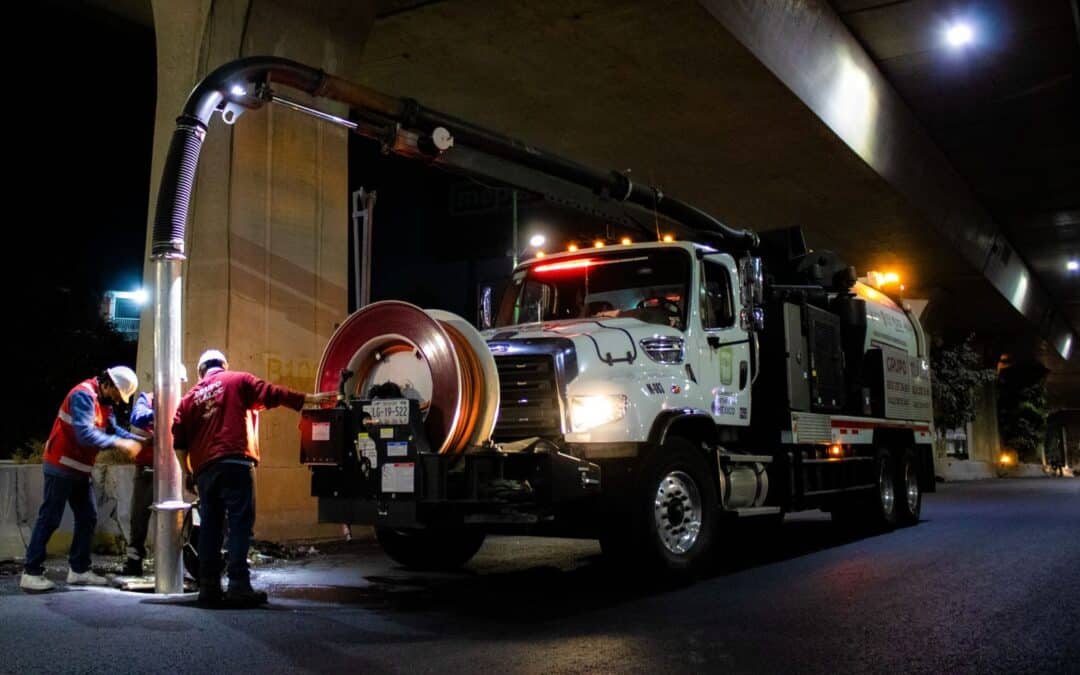
Camera Inspections: We insert a high-definition camera directly into your sewer and drain lines to visually inspect for cracks, root intrusion, pipe deterioration, or blockages that may be contributing to sewer gas issues.
Smoke Testing: We introduce non-toxic artificial smoke into the plumbing system under controlled pressure. The smoke travels through the pipes and exits at any crack, loose fitting, or compromised seal—revealing the exact location of the problem without unnecessary excavation.
Full Drain and Sewer Inspection: We evaluate all drains, traps, vent pipes, cleanout caps, and sewer line connections to identify any failure point allowing gas to enter the living space.
Warning signs we investigate closely include:
- Persistent or recurring rotten egg smell indoors
- Gurgling sounds from drains
- Slow or sluggish drains throughout the home
- Sewer backups or overflow
- Soft ground or unexpectedly green patches of lawn above the sewer line
How to Prevent Sewer Gas Problems
Several straightforward habits significantly reduce the risk of sewer gas entering your home:
- Run water in unused drains monthly. This keeps plumbing traps filled and functioning. Even one cup of water is enough to maintain the barrier.
- Add trap primer to floor drains. Automatic primers periodically deliver a small amount of water to drains in locations that tend to dry out, such as basements and mechanical rooms.
- Install a sewer gas detector. Standard carbon monoxide detectors do not detect hydrogen sulfide. Dedicated sewer gas detectors or combination gas detectors that include H₂S detection provide an important early warning system. The National Fire Protection Association (NFPA) provides guidance on detector placement throughout the home.
- Have your sewer line inspected periodically. Older Maryland homes with clay or cast iron pipes benefit from camera inspection every few years to catch root intrusion or deterioration before it becomes an emergency.
- Address slow drains immediately. A slow drain is often an early indicator of a developing blockage or venting issue. Catching it early prevents larger sewer gas and backup problems.
- Keep vent pipes clear. After storms, high winds, or winter freezes, check that your roof vents are clear of debris or ice blockages.
When Should You Call a Professional Plumber?
Contact MD Sewer & Plumbing Services promptly if you notice any of the following:
- A persistent or recurring sewer smell anywhere in your home
- Headaches, nausea, or dizziness that improve when you leave the house
- Multiple drains producing an odor simultaneously
- Gurgling pipes or sluggish drains
- Sewer backups or sewage entering the home through floor drains
- A sewer smell following recent flooding or ground movement
If you detect a strong gas odor that resembles natural gas rather than rotten eggs, or if you suspect a natural gas leak, leave your home immediately, avoid all electrical switches and open flames, and contact your gas utility provider’s emergency line and 911 before calling a plumber. Sewer gas and natural gas can produce similar odors in some cases. Do not take chances.
For sewer gas issues that do not suggest an active natural gas emergency, call us directly. Our team is available 24/7 for emergency plumbing situations throughout Pasadena and surrounding Maryland communities.
Why Maryland Homeowners Trust MD Sewer & Plumbing Services
We are a family-owned plumbing and sewer company that has served Pasadena and surrounding Maryland communities since 1989. More than 35 years later, we still approach every service call the way we always have—like the customer is a neighbor, not a number.
Here is what that means in practice:
- Honest, upfront pricing — no hidden fees, no surprise charges when the job is done
- 24/7 emergency availability — sewer gas and plumbing emergencies do not follow business hours, and neither do we
- Licensed, experienced technicians — certified professionals with the knowledge and tools to handle everything from a dry drain trap to a collapsed sewer line
- Advanced camera inspection technology — we see exactly what is happening inside your pipes before recommending any repair
- Free estimates — you will know what to expect before any work begins
- Comprehensive sewer and drain services — drain cleaning, sewer line repair, smoke testing, emergency plumbing, water heater service, and more, all from one trusted local company
Our technicians serve Pasadena, Glen Burnie, Linthicum, Annapolis, Baltimore, Severna Park, Arnold, Millersville, Severn, Hanover, Odenton, and surrounding Maryland areas.
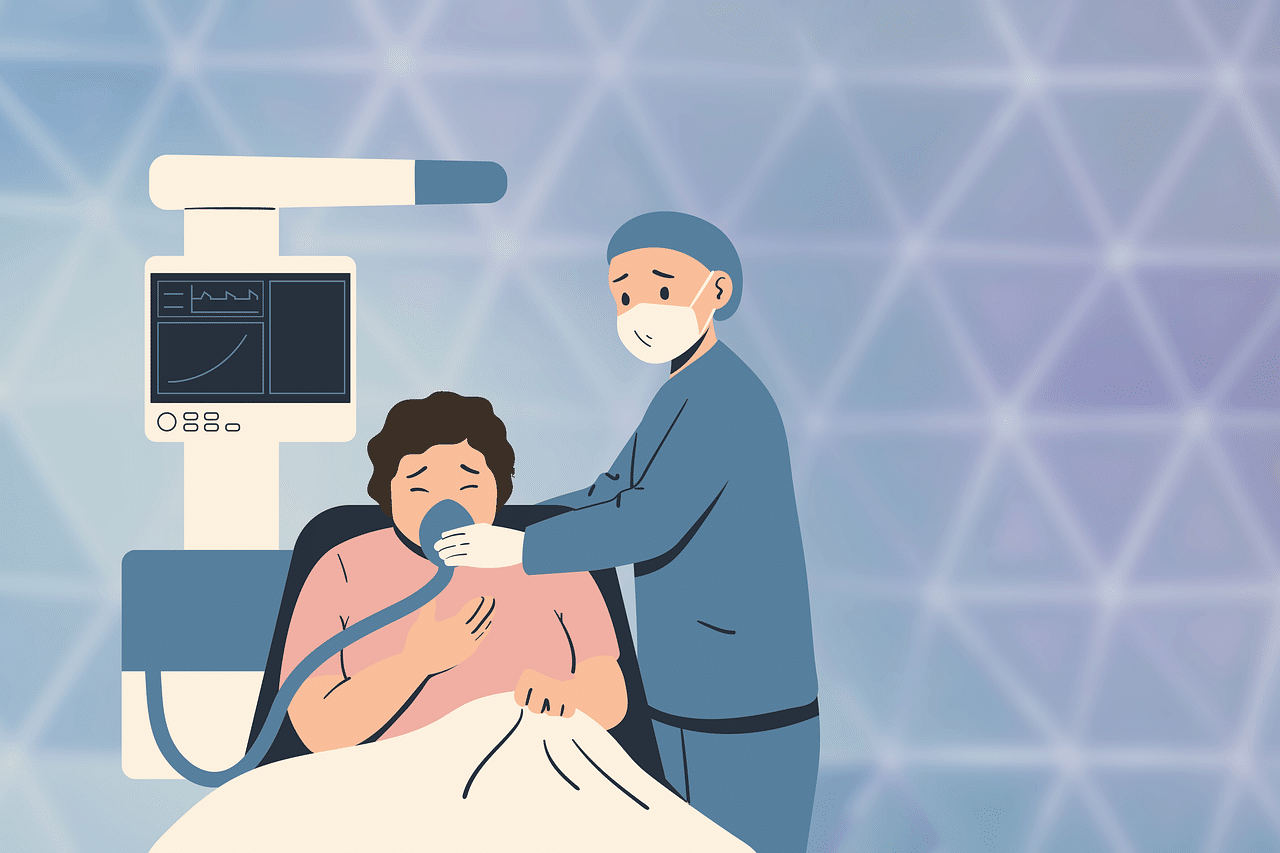
Photo by Elf-Moondance on Pixabay
Don’t Wait for a Small Smell to Become a Serious Problem
Sewer gas should never be dismissed. Most sewer odors in Maryland homes point to a fixable plumbing issue—a dry trap, a cracked vent pipe, a root-damaged sewer line. Addressed early, these problems are straightforward repairs. Left alone, they become health hazards, potential fire risks, and expensive emergencies.
If you have noticed a persistent sewer smell, headaches indoors, gurgling drains, or any of the warning signs covered above, we are ready to help.
Frequently Asked Questions About Sewer Gas Exposure
Can sewer gas kill you in your sleep?
Yes, under certain conditions. High concentrations of hydrogen sulfide—one of the toxic components of sewer gas—can cause rapid unconsciousness and death. According to OSHA, concentrations between 700 and 1,000 ppm can cause unconsciousness within one to two breaths. While lethal concentrations are uncommon in typical residential settings, poor ventilation and prolonged overnight exposure increase the risk significantly. Any persistent sewer smell at home should be investigated promptly.
What are the first signs of sewer gas poisoning?
The earliest warning signs of hydrogen sulfide exposure include headache, nausea, dizziness, eye irritation, coughing, and fatigue. Symptoms can develop gradually over several hours of low-level exposure. Importantly, at around 100 ppm, hydrogen sulfide causes olfactory fatigue—your sense of smell becomes paralyzed, and you may believe the odor has gone away even as the gas continues to accumulate.
What are the symptoms of sewage sickness?
Prolonged sewer gas exposure can cause persistent headaches, nausea, vomiting, eye and throat irritation, fatigue, difficulty concentrating, memory problems, and balance issues. OSHA documentation notes that people who have lost consciousness from hydrogen sulfide poisoning can experience lasting neurological effects even after recovery. People with asthma are particularly vulnerable and may experience breathing difficulties at lower concentrations.
Is it safe to sleep with a sewage smell in your home?
No. While one night with a faint, isolated odor in a well-ventilated space is unlikely to cause serious harm, sleeping repeatedly in a space with a persistent sewer smell is not safe. Sewer gas concentrations can increase overnight in enclosed rooms, and olfactory fatigue may prevent you from waking when levels become dangerous. Open windows, relocate sleeping arrangements if possible, and contact a plumber without delay.
How long does sewer gas take to dissipate?
Dissipation depends on ventilation, leak size, and whether the source has been repaired. Opening windows and running fans can help clear gas temporarily, but sewer gas will continue to re-enter the space through the same compromised point until the underlying plumbing problem is fixed. The EPA recommends source control—repairing the leak—rather than relying on ventilation alone as a long-term solution.
What causes sewer gas to enter a home?
The most common causes are dry plumbing traps (from infrequently used drains), cracked drain or vent pipes, blocked vent stacks, missing cleanout caps, damaged sewer lines from tree root intrusion or age-related deterioration, and compromised plumbing seals following flooding. A professional plumber can use camera inspections and smoke testing to identify the exact entry point.
Will a carbon monoxide detector work like sewer gas detectors?
No. Standard carbon monoxide detectors are calibrated only for carbon monoxide. Sewer gas contains hydrogen sulfide, methane, and other gases that a CO detector will not register. Dedicated hydrogen sulfide or combination gas detectors are needed for sewer gas detection. Installing appropriate detectors in basements and areas with floor drains provides an important early warning layer for Maryland homeowners.
Helpful Resources
- OSHA Hydrogen Sulfide Hazards — Concentration exposure limits, health effects by ppm level, and safety data
- CDC/ATSDR Public Health Statement for Hydrogen Sulfide — Health effects, exposure pathways, and federal safety recommendations
- CDC Medical Management Guidelines for Hydrogen Sulfide — Clinical guidance on symptoms and acute exposure treatment
- InterNACHI: Sewer Gases in the Home — Detailed overview of sewer gas composition, plumbing trap failures, and causes
- EPA Indoor Air Quality for Health Professionals — Indoor air quality health effects and source control strategies
- American Lung Association Indoor Air Quality Resources — Health impacts of poor indoor air quality and respiratory risk
- NFPA Carbon Monoxide Safety — Home gas detector placement guidance and fire safety recommendations