A sewer camera inspection uses a waterproof camera attached to a flexible rod to examine the inside of your sewer line without digging. It helps us identify root intrusion, cracks, corrosion, blockages, and collapsed pipes so we can recommend the right repair. Homeowners typically need one when they experience recurring clogs, slow drains, sewer odors, or before buying an older home.
Many homeowners hear the term “sewer camera inspection” mentioned by a plumber and aren’t quite sure what it actually involves. Is it some kind of X-ray? A tiny robot crawling through your pipes? The reality is simpler, and far more useful, than most people expect.
Recurring sewer problems shouldn’t be diagnosed through guesswork. Too many homeowners end up paying for repairs that don’t actually fix the underlying issue, simply because nobody took the time to look inside the pipe first. At MD Sewer & Plumbing Services, we use advanced sewer inspection cameras to pinpoint the exact cause of a problem before we ever recommend a repair.
Schedule Service Online
Get a free estimate so you know what you're signing up for
"*" indicates required fields
For Emergency Services Call: 410-255-9300
This accurate, upfront diagnostic work matters. It helps homeowners avoid unnecessary digging, skip expensive trial-and-error repairs, and feel confident that the fix we propose actually addresses what’s happening underground. Below, we’ll walk through exactly what a sewer camera inspection is, how it works, what it can (and can’t) reveal, and when you should schedule one.
What Is a Sewer Camera Inspection?
A sewer camera inspection is a diagnostic process that lets us see directly inside your sewer line without any excavation. We attach a flexible, waterproof sewer camera to a long, flexible rod, then feed it into the sewer line through an existing access point or cleanout.
As the camera moves through the pipe, it sends live video footage back to a monitor our technician watches in real time. A built-in transmitter inside the camera head allows us to pinpoint the camera’s exact position underground, which means we can later identify precisely where a problem is located, without guessing.
This non-invasive approach is a major reason homeowners appreciate the process. Instead of digging up your yard or driveway to “see what’s going on,” we get a direct, visual answer in a fraction of the time, and often for a fraction of the cost.
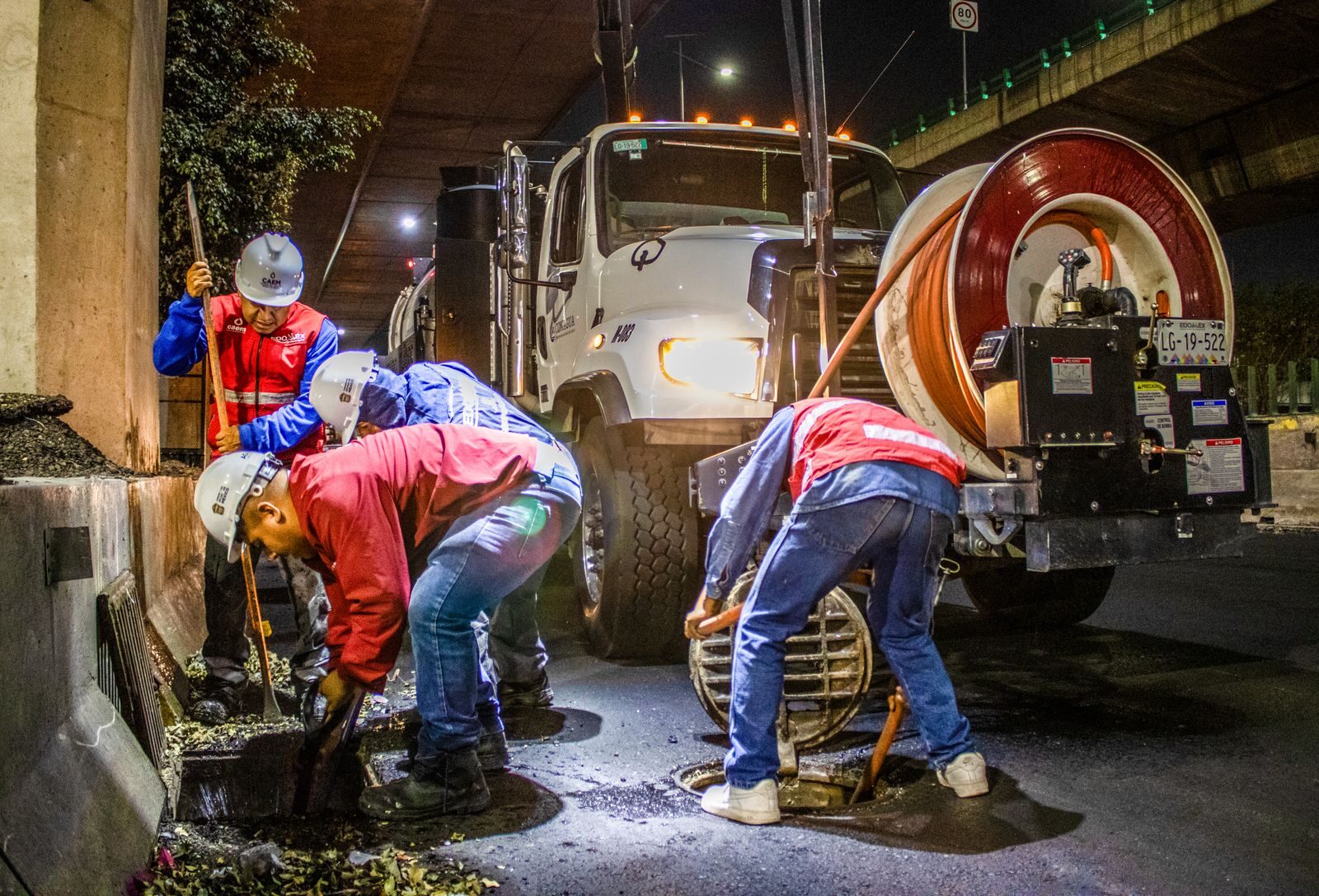
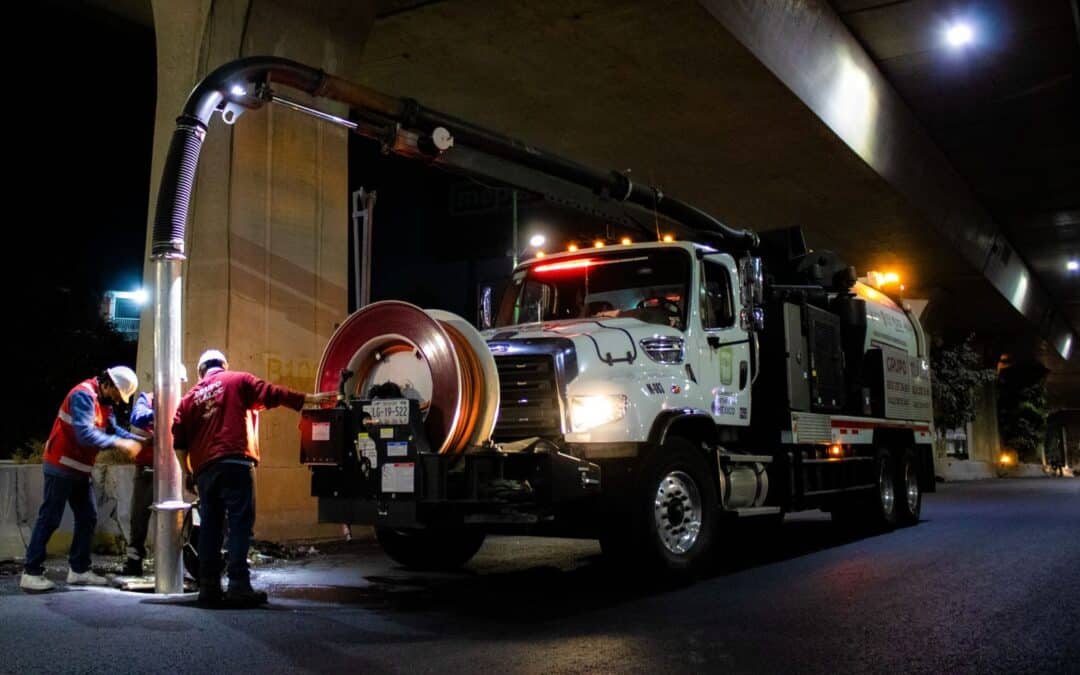
Photo by JESUS ADRIÁN SAAVEDRA on Pexels
How Does a Sewer Inspection Camera Work?
How Do We Access the Sewer Line for an Inspection?
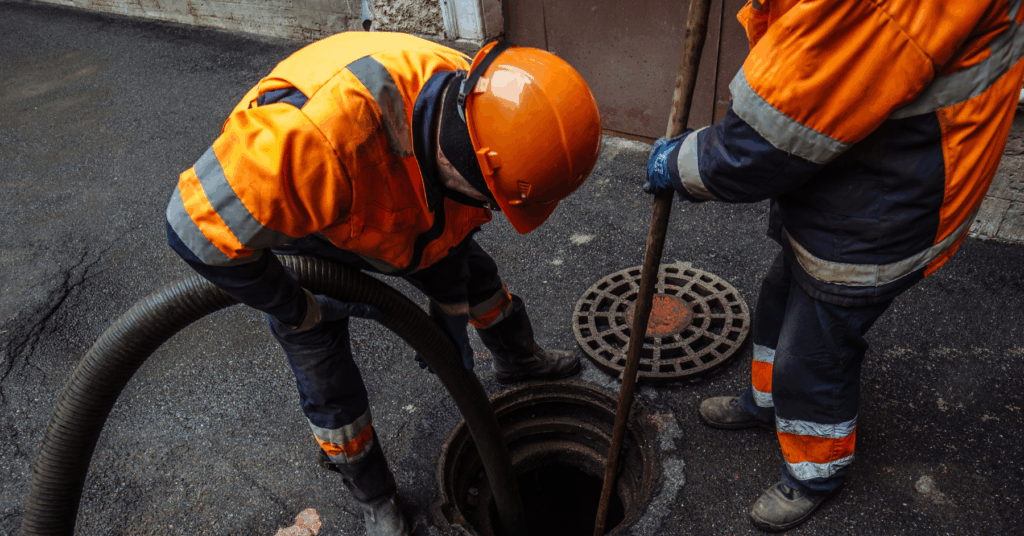
We typically start at an existing cleanout or plumbing access point. This means there’s usually no need for any digging just to get started, we simply use the openings your plumbing system was built with.
How Is the Camera Fed Through the Sewer Pipes?
Once we’re at the access point, the flexible rod carrying the camera is gently pushed through the pipe. Its flexibility allows it to navigate bends, elbows, and transitions in the pipe without getting stuck, recording footage of the entire line as it travels.
What Happens While We’re Watching the Live Video?
As the camera moves, we watch the footage in real time on a monitor. This live view lets us identify issues the moment they appear on screen. We also record the footage for documentation, so there’s a clear record of exactly what we found and where.
How Do We Locate Underground Damage?
Thanks to the camera’s built-in locator, or transmitter, we can determine the precise location of any damage we spot on the video, translating what we see on screen into an actual point on your property. This dramatically reduces unnecessary excavation, since we know exactly where to focus repair efforts instead of digging along the entire line.
What Can a Sewer Camera Inspection Find?
A sewer camera inspection gives us a clear, direct view inside your plumbing system, revealing problems that would otherwise stay hidden underground.
Root Intrusion
Tree roots are notorious for finding their way into sewer pipes, often through small cracks or broken joints. Once inside, root intrusion can quickly cause blockages that worsen over time if left untreated.
Pipe Cracks & Breaks
Cracks and breaks in the pipe wall can lead to leaks, sewage backups, and ongoing structural damage. A camera inspection lets us see the exact size and location of the crack, which matters a great deal when deciding on a repair method.
Corrosion
Corrosion is especially common in older cast iron pipes, where rust can build up and restrict flow over time. A camera inspection reveals how far the deterioration has progressed and whether it’s localized or widespread.
Pipe Separation
Offset joints and broken connections between pipe sections, known as pipe separation, can create gaps that let debris in or wastewater out. These are often difficult to detect without a direct visual inspection.
Grease Buildup
Grease buildup is a major cause of blockages and slow drains, particularly in older homes or kitchens with heavy cooking use. Once we’ve confirmed grease is the culprit via camera, hydro jetting is often an effective way to clear it out completely.
Foreign Objects
Toys, wipes, and other debris accidentally flushed or washed down a drain can lodge in the sewer line and cause significant obstructions. A camera inspection shows us exactly what’s stuck and where.
Collapsed Pipes
A collapsed pipe section causes complete blockage and drainage failure, and it’s typically considered an emergency repair situation. Camera footage confirms the severity and extent of the collapse so we can respond appropriately.
Sagging Sewer Lines (Bellies)
A “belly” in a sewer line is a section that has sunk or sagged, causing wastewater to pool instead of flowing properly. This leads to poor drainage and recurring clogs in that section, even if the rest of the line is in good condition.
Common Signs You Need a Sewer Camera Inspection
Are Your Drains Clogging Over and Over Again?
Recurring drain clogs, especially ones that come back shortly after clearing, often point to a deeper issue further down the line that a camera inspection can identify.
Are Multiple Drains Throughout Your House Running Slow?
When slow drains show up in multiple fixtures at once, it usually means the problem isn’t isolated to one drain. It’s likely somewhere in the main sewer line.
Have You Had Repeated Sewer Backups?
Repeated sewer backups are a strong signal that something structural, like a blockage, break, or belly, is affecting your line, and a camera inspection can confirm the cause.
Do You Notice Sewer Odors Around Your Home?
Persistent sewer odors, especially near drains or in your yard, often indicate a crack, break, or ventilation issue in the sewer line worth investigating.
Do You Suspect Tree Root Problems?
If you have large trees near your sewer line, or a history of root intrusion, a camera inspection can confirm whether roots have made their way into the pipe.
Are You Planning Major Sewer Repairs?
Before committing to a major sewer repair, a camera inspection ensures we’re addressing the actual problem rather than making assumptions based on symptoms alone.
Are You Buying a Home?
Sewer scope inspections are incredibly valuable during pre-purchase home inspections. Visual evidence from a camera inspection gives buyers real negotiating power, and it can uncover hidden sewer problems in older homes well before closing. Organizations like the American Society of Home Inspectors and InterNACHI both recognize sewer scope inspections as a valuable addition to a standard home inspection, and the National Association of Realtors offers useful resources for buyers navigating this stage of the process.
What Can a Sewer Camera Inspection NOT Tell You?
While a sewer camera inspection is an incredibly useful diagnostic tool, it does have limitations worth understanding.
A camera inspection cannot determine every underground condition, such as soil composition or conditions entirely outside the pipe. It doesn’t repair the problem; it simply identifies it. It also won’t detect every leak that occurs outside the pipe itself, since the camera only sees what’s happening inside the line.
In some cases, a camera inspection doesn’t show pipe wall thickness, which matters for assessing long-term structural integrity. And for certain situations, it doesn’t replace pressure testing when that level of detail is needed.
Ultimately, a sewer camera inspection is a diagnostic tool used to determine the right next step, not a standalone solution.
Why Do Older Homes Benefit from Sewer Scope Inspections?
Older homes often come with older plumbing infrastructure, including clay sewer pipes and cast iron materials that are more prone to deterioration over time. In aging plumbing systems, corrosion, hidden damage, and root intrusion become increasingly common as decades of wear take their toll.
A sewer scope inspection is particularly valuable for older homes because it reveals long-term wear that isn’t visible from the surface. The EPA’s resources on septic systems and wastewater highlight just how important properly functioning wastewater infrastructure is to a home’s overall health, something that becomes even more relevant as plumbing systems age.
Sewer Camera Inspections Help Prevent Costly Repairs
One of the biggest advantages of a sewer camera inspection is catching problems before they escalate into major, expensive failures.
By identifying issues early, we help homeowners avoid emergency sewer failures that can cause significant property damage. Industry estimates put the average sewer line repair at around $2,556, with many repairs ranging anywhere from $2,000 to $10,000 or more, depending on severity. Extensive sewer work can exceed $6,000 in some cases.
Early detection through a camera inspection often prevents these larger repair bills altogether, since smaller issues are far less expensive to address than a full pipe failure. It also helps us avoid unnecessary excavation and supports a broader preventative maintenance approach that protects your plumbing system for years to come.
How Sewer Camera Inspections Help Us Choose the Right Repair
Once we know exactly what’s happening inside your sewer line, we can recommend the most appropriate and cost-effective repair method.
When Is a Localized Repair the Right Choice?
If the camera inspection reveals a single, isolated issue, like one cracked section or a localized root intrusion, a localized repair targeting just that spot is often sufficient.
When Does Trenchless Sewer Repair Make Sense?
Trenchless sewer repair offers minimal property damage and less disruption to your yard, driveway, or landscaping, and it’s often faster than traditional methods. We frequently recommend trenchless repair when the camera inspection shows damage that doesn’t require full pipe replacement.
When Is Traditional Excavation Necessary?
In cases of severe damage, such as a fully collapsed pipe or extensive structural failure, traditional excavation may still be necessary to properly access and replace the damaged section.
How Do We Decide Between Repair and Replacement?
The camera inspection plays a central role in helping us determine whether a targeted repair will solve the problem long-term, or whether full replacement is the more reliable, cost-effective solution.
Sewer Camera Inspections After Repairs
A sewer camera inspection isn’t just useful before a repair, it’s valuable afterward too. Post-repair verification lets us confirm that the completed work actually resolved the issue and that your sewer line is fully clear.
This step also documents the completed work for your records, giving you peace of mind that the job was done right and giving us a clear baseline if any future issues arise.
How Long Does a Sewer Camera Inspection Take?
Most sewer camera inspections take somewhere between 30 minutes and 2 hours. The exact time depends on several factors, including the length of the sewer line, how accessible the cleanout or access point is, the number of issues found along the way, and the overall layout of your property.
Sewer Scope Inspection Cost
Sewer scope inspection costs vary depending on several factors, so it’s worth understanding the general range rather than expecting a single flat number.
Industry estimates generally place sewer scope inspections between $100 and $500, though some inspections can range as high as $100 to $1,200 depending on complexity. Cost depends on things like the access point used, the length of the sewer line, overall complexity, property size, and whether any additional services are needed.
Pricing also varies significantly by region. For example, some markets like Chicago report typical inspection costs around $180 to $350, while data from Angi shows the average sewer line camera inspection cost in New York, NY, at around $872, with most homeowners paying between $328 and $1,548 (source: Angi). These regional differences illustrate why it’s best to request a specific estimate rather than rely on national averages. We’re happy to provide a clear, upfront estimate for your property.
Why Maryland Homeowners Trust Us for Sewer Camera Inspections
We’ve been serving Maryland homeowners for more than 35 years, and that experience shapes every inspection we perform. As a family-owned business, we believe in honest pricing and treating every customer like a neighbor, not just another service call.
Our licensed technicians use advanced sewer inspection equipment to deliver accurate, reliable results every time. We offer 24/7 emergency service, along with one-stop plumbing and sewer solutions, so you’re never left juggling multiple contractors for related issues like sewer line repair, drain cleaning, hydro jetting, or emergency plumbing.
Most importantly, we believe in accurate diagnosis before recommending any repair. If you’re dealing with a sewer backup or suspect root intrusion, our sewer backup services and trenchless sewer repair solutions are backed by the same thorough plumbing inspections process we use for every job.
Schedule Your Sewer Camera Inspection Before Small Problems Become Big Repairs
If you’re dealing with recurring slow drains, persistent sewer odors, repeated backups, suspected root intrusion, or you simply have an older sewer system you haven’t had inspected in years, don’t keep treating the symptoms one at a time. A professional sewer camera inspection gives you the full picture, so we can recommend a lasting solution instead of a temporary fix.
Reach out to MD Sewer & Plumbing Services today to schedule your sewer camera inspection and get answers, not guesswork.

Frequently Asked Questions
Is a sewer camera inspection worth it?
Yes. A sewer camera inspection helps diagnose hidden sewer issues accurately, often preventing unnecessary repairs and saving homeowners money over time by identifying the real problem the first time.
How long does a sewer camera inspection take?
Most inspections take between 30 minutes and 2 hours, depending on the length of your sewer line and the overall conditions of your property.
How much does Roto-Rooter charge for camera inspection?
Pricing for sewer camera inspections varies by company and location, so there isn’t a single standard rate across providers. Rather than comparing competitor pricing, we encourage homeowners to request a quote directly from MD Sewer & Plumbing Services for transparent, upfront pricing tailored to your property.
What are the common problems found during a sewer drain camera inspection?
Common findings include tree root intrusion, major blockages, grease buildup, pipe cracks, broken or collapsed pipes, corrosion, separated joints, sagging sewer lines, and foreign objects like wipes or toys.
Meta title
Sewer Camera Inspection: What It Finds & When You Need One
Meta description
Learn how a sewer camera inspection works, what plumbers can find inside your sewer line, and when homeowners should schedule this valuable diagnostic service.