A sewer line inspection identifies blockages, cracks, corrosion, root intrusion, and misaligned pipes before they cause emergencies. Plumbers use tools like sewer scope cameras, smoke testing, and hydrostatic pressure testing to evaluate the entire system. At MD Sewer & Plumbing Services, we’ve helped Maryland homeowners diagnose sewer issues for over 35 years with honest, professional evaluations.
Most homeowners never think about their sewer line until something goes wrong. It runs beneath the yard, out of sight, carrying wastewater away without a second thought — until a backup, a bad smell, or a soggy patch of grass forces the issue into view. By then, what could have been a simple fix often turns into an expensive repair.
A sewer line inspection is one of the best ways to catch hidden plumbing problems before they become emergencies. It’s a thorough evaluation of your sewer system, not just a single camera run through a pipe. A sewer line camera inspection is a valuable part of the process, but it’s only one tool among several that plumbers use to understand what’s really happening underground.
Schedule Service Online
Get a free estimate so you know what you're signing up for
"*" indicates required fields
For Emergency Services Call: 410-255-9300
At MD Sewer & Plumbing Services, we’ve spent more than 35 years helping Maryland homeowners diagnose sewer issues accurately. We don’t guess, and we don’t upsell repairs you don’t need. Our technicians use a combination of visual inspection, specialized equipment, and experience to give you a clear, honest picture of your sewer line’s condition.
In this guide, we’ll walk through what a sewer line inspection actually involves, why homeowners schedule one, and what our technicians look for every time we’re on a job. Protect Your Home from Costly Plumbing Repairs by understanding this process before you need it.

What Is a Sewer Line Inspection?
A sewer line inspection is a comprehensive evaluation of your home’s sewer system, designed to detect problems like blockages, cracks, leaks, corrosion, and root intrusion before they cause a backup or a collapse. It’s a broader process than a single camera inspection, even though cameras play a central role.
Depending on what we find during the initial assessment, a complete sewer line inspection may include:
- Visual inspections of cleanouts, exterior plumbing fixtures, and accessible pipe sections
- Sewer scope inspection using a waterproof camera fed through an access point
- Drain flow evaluation to check how water moves through the system
- Exterior plumbing assessment, including grading, drainage patterns, and visible pipe entry points
- Smoke testing, used when appropriate to locate hidden leaks or improper connections
- Hydrostatic pressure testing, which checks the structural integrity of the pipe under pressure
- Acoustic leak detection, which uses sensitive microphones to pinpoint underground leaks
- Inspection of sewer laterals, the pipes connecting your home to the main sewer line
- Main sewer line evaluation, assessing the condition of the larger pipe that carries wastewater away from your property
Modern inspection methods are far faster and less invasive than the approaches plumbers relied on decades ago. Instead of digging up a yard to guess at a problem, we can send a camera through the line and see the issue directly. A sewer line inspection helps diagnose blockages, cracks, leaks, corrosion, tree root intrusion, misaligned pipes, collapsed sections, and poor water flow, often within a single visit.

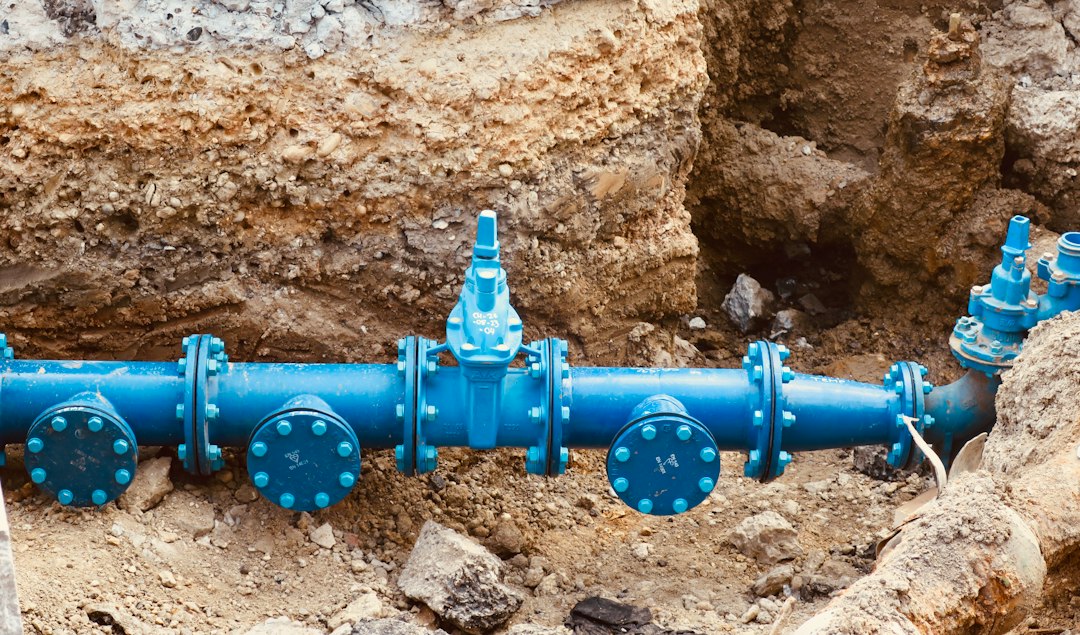
Photo by Vitaly Gariev on Unsplash
Why Do Homeowners Schedule a Sewer Line Inspection?
Homeowners typically call for a sewer line inspection when something feels off, or when they want peace of mind before a major life event like buying a home. Here are the most common reasons we get called out.
What Causes Recurring Drain Clogs That Won’t Go Away?
If you’re dealing with multiple slow drains throughout the house, toilets that back up repeatedly, or you find yourself scheduling drain cleaning every few months, there’s likely a deeper issue in the main line rather than an isolated clog. Gurgling drains are another red flag worth paying attention to. These symptoms often point to a partial blockage or structural problem further down the line that a standard plunger or drain snake won’t resolve. If this sounds familiar, our Drain Cleaning services pair well with a full inspection to identify the root cause.
Why Does My Property Smell Like Sewage?
Sewer odors inside the home, in the yard, or in the basement usually mean gas is escaping somewhere it shouldn’t. This can happen due to a cracked pipe, a dry trap, or a venting issue. According to the CDC’s Healthy Water program, exposure to wastewater and sewage can carry health risks, which is one more reason to address odors quickly rather than waiting them out.
Should I Get a Sewer Inspection Before Buying an Older Home?
When you’re purchasing a home with an unknown sewer pipe history, an inspection is one of the smartest investments you can make. Many older homes still have clay pipe systems or cast iron piping prone to corrosion, and hidden damage isn’t visible from the surface. Organizations like the American Society of Home Inspectors and InterNACHI both note that sewer lines fall outside the scope of a standard general home inspection, which is exactly why a dedicated sewer line inspection matters during a real estate transaction.
How Do I Know If Tree Roots Are in My Sewer Line?
Tree roots are drawn to the moisture inside sewer pipes, and they can invade even small cracks or joints over time. If you’re noticing slow drainage or repeated backups, especially near mature trees, root intrusion is a likely suspect. Left unaddressed, roots can grow into dense masses that fully block the line.
Do Aging Sewer Systems Need Routine Inspections?
Older sewer systems benefit from preventive inspections as part of routine maintenance, even without obvious symptoms. We generally recommend an inspection every 1–2 years for older homes, which gives you a chance to catch developing problems early. Hydro Jetting can also serve as both a diagnostic and maintenance step for systems with recurring buildup, and our Sewer Repair team can step in quickly if an inspection uncovers a structural issue.
What Do Plumbers Look for During a Sewer Line Inspection?
When our technicians run a sewer line inspection, we’re looking for specific, identifiable problems. Here’s what typically shows up.
What Causes Blockages in a Sewer Line?
Blockages are among the most common findings, and they usually stem from grease buildup, flushed wipes, general construction debris, or foreign objects that shouldn’t have gone down the drain in the first place. The Family Handyman’s plumbing maintenance guide offers practical tips on what should never be flushed or poured down a drain, which can help prevent many of these blockages before they start.
How Do Tree Roots Damage Sewer Pipes?
Root growth inside a pipe can start small, but it tends to expand quickly once roots find a reliable moisture source. Over time, this growth can separate pipe joints or create dense root masses that trap debris and cause backups.
What Do Pipe Cracks Look Like During an Inspection?
Cracks and fractures in a sewer pipe allow water to leak into the surrounding soil, which can lead to water loss, soil erosion around the pipe, and further structural weakening over time.
How Does Corrosion Affect Older Sewer Pipes?
Corrosion shows up differently depending on the pipe material. Clay pipes deteriorate with age and shifting soil, cast iron pipes corrode internally and can develop rust, and both conditions weaken the pipe’s structure, making collapse more likely without repair.
What Is Pipe Misalignment and Why Does It Matter?
Misalignment often results from ground settling over time, which creates offset joints where pipe sections no longer line up correctly. This is especially common in sewer lateral inspections, the sections connecting a home to the main line.
What Causes a Sewer Line to Collapse?
Collapsed sewer lines typically result from severe, long-term damage, ground movement, or nearby construction activity that disturbs the pipe. A collapsed section requires immediate repair, since it fully blocks wastewater flow.
Why Does Water Flow Poorly Through Some Sewer Lines?
Improper water flow often shows up as standing water in the pipe, which can indicate a “bellied” pipe where a section has sunk and created a low point, or poor slope that prevents gravity from doing its job.
What Tools Do Plumbers Use During a Sewer Line Inspection?
Diagnosing a sewer line accurately requires the right equipment. Here’s what we rely on most.
How Does a Sewer Scope Camera Inspection Work?
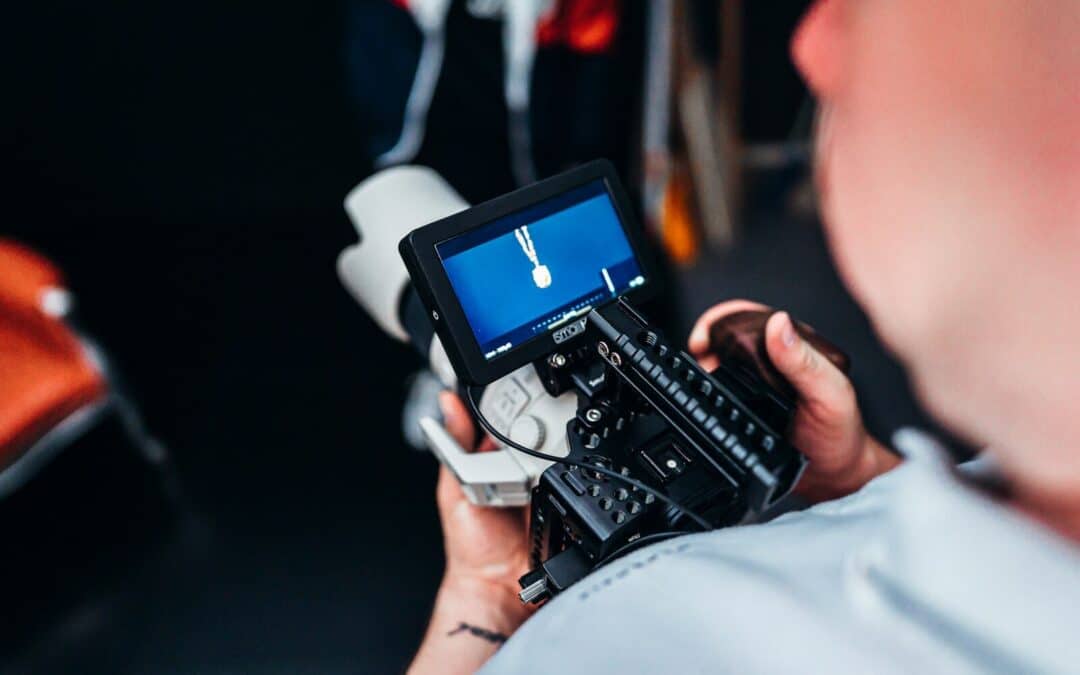
A sewer scope camera inspector uses a waterproof borescope camera attached to a flexible rod, fed into the pipe through an access point or cleanout. The camera sends a live video feed back to our technician, letting us see the inside of the pipe in real time, and we record the footage so you have a clear visual record of the pipe’s condition. A sewer scope inspection cost can vary based on where your located.
What Is Smoke Testing Used For in Sewer Inspections?
Smoke testing involves introducing non-toxic smoke into the sewer system to reveal hidden leaks or improper pipe connections that might not show up on camera. If smoke escapes somewhere it shouldn’t, such as through a foundation crack or an unexpected vent, we know exactly where to focus repairs.
What Does Hydrostatic Pressure Testing Reveal?
Hydrostatic pressure testing evaluates a pipe’s structural integrity by monitoring how it holds up under water pressure. It’s particularly useful for confirming whether a pipe can handle normal usage without leaking or failing.
How Does Acoustic Leak Detection Find Hidden Leaks?
Acoustic leak detection uses sensitive microphones to identify the sound of water escaping underground, helping us pinpoint a leak’s location without unnecessary digging.
What Are the Signs You Should Schedule a Sewer Inspection?
Several warning signs suggest it’s time to call for an inspection rather than waiting things out:
- Slow drains throughout the home
- Multiple clogged fixtures at once
- Toilet backups
- Gurgling noises from drains
- Persistent sewer odors
- Wet or soggy spots in the yard
- Foundation concerns near plumbing lines
- Frequent need for drain cleaning
- Water pooling in unexpected areas
- Mold growth near plumbing fixtures
If you’re noticing more than one of these signs, it’s worth scheduling an inspection soon rather than waiting for a full backup.
Why Do Older Homes Benefit the Most from Sewer Line Inspections?
Older homes carry more sewer line uncertainty than newer construction. Many have an unknown sewer history, meaning no record of past repairs or replacements. Clay sewer pipes and cast iron materials, both common in older construction, deteriorate with age in ways that aren’t visible from the surface. The National Association of Home Builders has documented how plumbing materials and standards have changed significantly over past decades, which is part of why older sewer laterals often need closer attention than newer PVC systems.
Previous repairs, settling foundations, and aging plumbing materials all compound the risk. Choose a routine inspection schedule of every 1–2 years if your home is older or has a history of plumbing issues, since this interval tends to catch problems while they’re still manageable and inexpensive to fix.
Why Does Identifying the Real Problem Save You Money?
Many homeowners repeatedly pay for drain cleaning when the real issue is something more serious, like root intrusion, a broken sewer pipe, a collapsed line, a pipe belly, offset joints, or corrosion. Drain cleaning might clear the symptom temporarily, but if the underlying cause remains, the clog returns, and the homeowner ends up paying for the same service repeatedly without ever solving the actual problem.
Identifying the real issue upfront with a proper sewer line inspection prevents these unnecessary, repeated service calls. As typical industry averages, a sewer scope inspection generally costs between $100 and $500, while an average sewer repair runs around $2,556, and major repairs can range from $2,000 to $10,000. These figures vary based on your location, pipe accessibility, and the scope of the project, but the pattern holds: a $100–$500 inspection is far less costly than months of recurring drain cleaning followed by an eventual major repair.
What Should You Expect from a Sewer Line Inspection During a Home Purchase and Does A Home Inspection Cover Sewer Line Inspection?
Buyers increasingly request a sewer line inspection before closing on a home, and for good reason. A sewer scope inspection provides visual evidence of the pipe’s actual condition, rather than relying on guesswork or the seller’s word. If problems are found, buyers can use a detailed inspection report to negotiate repairs or adjust their offer accordingly.
This step helps buyers avoid unexpected repair bills shortly after moving in. Groups like ASHI and InterNACHI both emphasize that sewer lines typically fall outside standard home inspection coverage, making a dedicated sewer line inspection a smart addition to any real estate transaction. Informed buyers make better decisions, and a clear inspection report gives them the leverage and information they need.
How Long Does a Sewer Line Inspection Take?
A typical sewer line inspection takes between 10 and 30 minutes for a standard residential property. Larger properties, difficult access points, or the need for additional testing, such as smoke testing or hydrostatic pressure testing, can extend that timeframe. Every home’s plumbing layout is different, so the exact time depends on the complexity of your specific system.
Is a Sewer Line Inspection Worth It?
For most homeowners, yes. A sewer line inspection offers several concrete benefits:
- Early detection of problems before they escalate into emergencies
- Preventing expensive and costly repairs by catching small issues while they’re still manageable
- Extending the lifespan of your plumbing system through proactive care
- Reducing emergency plumbing calls, which tend to cost more and happen at inconvenient times
- Protecting your property value, especially important for older homes or upcoming sales
- Supporting better long-term maintenance planning
- Providing peace of mind, knowing exactly what’s happening underground
Choose a sewer line inspection if you’re experiencing any warning signs, buying or selling a home, or simply haven’t had your sewer system checked in the past year or two. The modest upfront cost is almost always worth it compared to the price of an emergency repair.
Why Choose MD Sewer & Plumbing Services?
MD Sewer & Plumbing Services has served Maryland homeowners for more than 35 years, and our approach hasn’t changed: honest recommendations, thorough evaluations, and no pressure to pay for work you don’t need. Here’s what sets us apart:
- 35+ years serving Maryland communities
- Family-owned and community-focused
- Honest, straightforward recommendations
- Licensed, skilled technicians
- Advanced diagnostic equipment, including sewer scope cameras and acoustic leak detection
- Upfront pricing with no hidden fees
- Free estimates
- Fast scheduling and online booking
- 24/7 emergency service availability
- Comprehensive sewer and plumbing expertise under one roof
Experience the Difference of Family-Owned Service. We’ve been Your Local, Trusted Plumber Since 1989, and we treat every inspection with the same care we’d want for our own homes.
Frequently Asked Questions
Is It Worth Getting a Sewer Line Inspection?
Yes, for most homeowners. A sewer line inspection typically costs far less than an emergency repair, and it can catch problems like root intrusion, cracks, or corrosion before they cause a backup. It’s especially valuable for older homes, properties with a history of drain line issues, and anyone buying or selling a home.
What Do Plumbers Do During a Sewer Inspection?
During a sewer line inspection, plumbers evaluate the pipe using tools like a sewer scope camera, which sends a live video feed from inside the line. Depending on what’s needed, they may also perform smoke testing, hydrostatic pressure testing, or acoustic leak detection to check for hidden leaks, structural issues, or blockages.
How Long Do Sewer Line Inspections Take?
Most sewer line inspections take between 10 and 30 minutes for a standard residential property. Larger properties, harder-to-access pipes, or additional testing needs can extend the appointment.
Who Pays for Sewer Inspections?
For routine maintenance, the homeowner typically covers the cost of a sewer line inspection. In a home sale, whether the buyer or seller pays usually depends on the negotiated terms of the purchase agreement, so it’s worth clarifying this detail early in the transaction.
Protect Your Sewer Line Before Small Problems Become Big Ones With Routine Maintenance
A sewer line inspection gives you something that guesswork never can: a clear picture of what’s actually happening beneath your property. Instead of repeatedly paying for drain cleaning that only treats symptoms, an inspection identifies the real cause, whether that’s root intrusion, a cracked pipe, or a collapsed section, so you can make an informed repair decision the first time.
Buying a home, maintaining an older property, or dealing with recurring plumbing issues all point to the same conclusion: a sewer line inspection provides the information you need before a small problem becomes an expensive emergency.
At MD Sewer & Plumbing Services, we’ve spent 35 years earning the trust of Maryland homeowners through honest evaluations and dependable repairs. If you’re seeing any warning signs, or it’s simply been a while since your last check, Schedule Your Service Today or Request Your Free Estimate. Our technicians are ready around the clock.
If your home relies on a septic system rather than a public sewer system service, keep in mind that maintenance considerations differ. The EPA’s Septic Systems resource offers useful guidance specific to septic tank care. And if you’re focused on reducing water waste or spotting hidden leaks throughout your home, the EPA’s WaterSense program is a helpful resource worth bookmarking.