Drain snaking removes localized clogs fast and affordably, making it ideal for minor, isolated blockages. Hydro jetting uses high-pressure water to clean the entire pipe wall, making it the better choice for recurring clogs, grease buildup, and long-term results. A professional inspection determines which method fits your plumbing.
Not every clogged drain needs the same fix. Some blockages clear with a simple mechanical cable, while others require a full pipe cleaning to stop the problem from coming back. Hydro jetting vs snaking is one of the most common questions I hear from homeowners trying to decide how to handle a stubborn drain.
Choosing the wrong method isn’t just inconvenient. It can lead to recurring clogs, extra service calls, and in some cases, damage to pipes that weren’t suited for aggressive cleaning in the first place. That’s why, at MD Sewer & Plumbing, I always inspect the plumbing system before recommending a solution. The goal isn’t to use the most powerful tool available. It’s to use the right one for the problem in front of me.
Schedule Service Online
Get a free estimate so you know what you're signing up for
"*" indicates required fields
For Emergency Services Call: 410-255-9300
This guide breaks down how each method works, when it makes sense, and how to tell which one your drain actually needs.
Photo by VariousPhotography on Pixabay
What Is Drain Snaking?
Drain snaking is a mechanical method of clearing clogs using a flexible metal cable, often called a drain auger. It’s one of the most common tools in residential plumbing because it’s fast, affordable, and effective for straightforward blockages.
How Does a Drain Snake (Drain Auger) Work?
A drain snake works by feeding a flexible metal cable into the pipe until it reaches the clog. Once it makes contact, the cable either breaks through the blockage or hooks onto it and pulls it free. This process is known as mechanical snaking.
It’s important to understand what a drain snake actually accomplishes. The auger typically creates a 2–3 inch opening through the clog rather than cleaning the entire pipe. In other words, it restores flow through the center of the pipe without addressing buildup along the walls.
When Is Drain Snaking the Best Choice?
Drain snaking works well for minor, localized blockages, especially when the clog is recent and isolated to a single fixture. I typically recommend snaking for:
- Hair clogs in bathroom sinks or showers
- Kitchen sink backups from food debris
- Floor drain blockages
- Foreign objects lodged in a single line
- Recent drain issues affecting just one fixture
For example, if you notice a hair clog in a bathroom sink that happened yesterday, snaking is usually all it takes to clear it. The blockage is fresh, localized, and hasn’t had time to compound with other buildup.
Pros of Drain Snaking
Snaking has earned its place as a go-to solution for a reason. Choose drain snaking if speed and upfront cost matter more than long-term pipe maintenance for an isolated clog.
Benefits include:
- Lower upfront cost, typically $100–$400 depending on the clog and accessibility
- Quick service, often completed in under an hour for simple clogs
- Minimal disruption to your daily routine
- Safe for older plumbing when performed correctly by a trained technician
- Effective for isolated clogs that haven’t developed into a larger pipe-wide issue
For a single, simple blockage, snaking offers fast relief without the higher cost of a full pipe cleaning.
What Are the Limitations of Drain Snaking?
Snaking clears the immediate clog, but it doesn’t clean the pipe. Because the cable only punches through a narrow opening, it leaves grease, soap scum, sludge, and mineral buildup coated along the pipe walls.
This matters because that leftover residue is often what causes the clog to return. A few key limitations to keep in mind:
- Snaking doesn’t restore the pipe to its full diameter
- It often results in recurring clogs if buildup wasn’t the root cause
- Improper snaking technique can scratch pipe walls
- In some cases, snaking can compact certain materials further into the line rather than removing them
Consider a kitchen sink that clogs every few months. If grease continues coating the pipe walls after each snaking service, the same blockage keeps coming back, because the underlying buildup was never actually removed.
What Is Hydro Jetting?
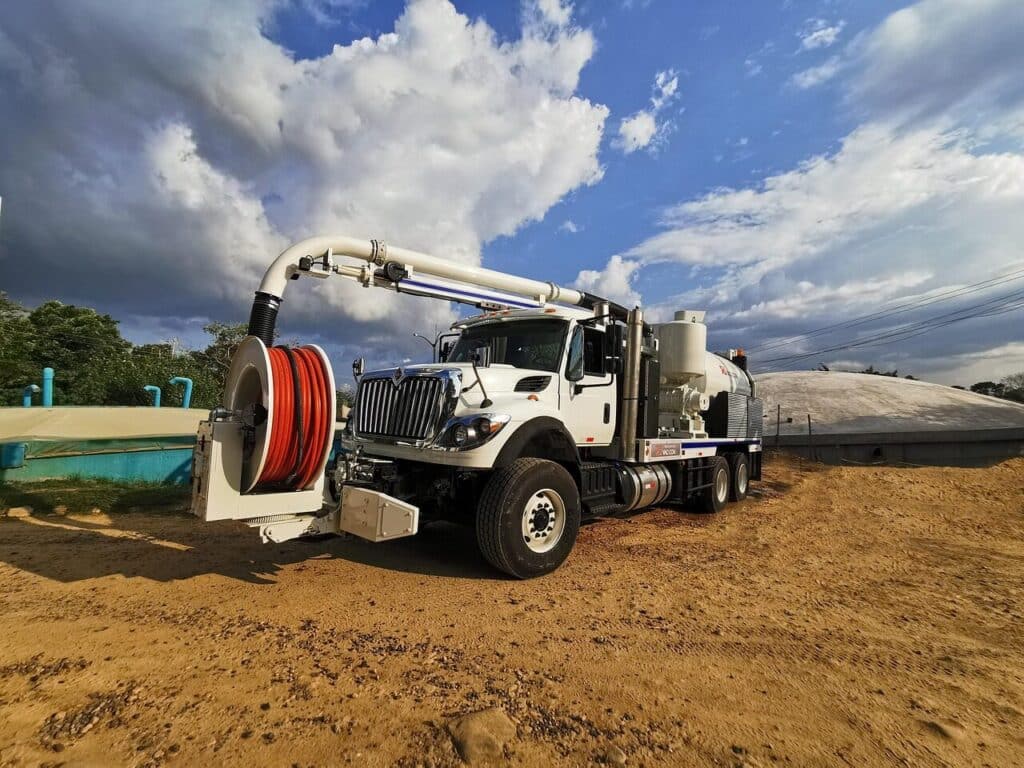
Hydro jetting is a drain cleaning method that uses high-pressure water instead of a mechanical cable. Rather than punching a path through a clog, it cleans the entire interior surface of the pipe.
How Does Hydro Jetting Work?
A specialized nozzle sends pressurized water through the pipe at roughly 3,500–4,000 PSI, though some equipment operates around 3,000 PSI depending on the application and pipe type. The water sprays in a 360-degree pattern, scouring the full pipe wall rather than just the center.
Unlike snaking, hydro jetting cleans the inside of the entire pipe instead of simply opening a path through the blockage. This is the core difference between the two methods: one clears a path, the other restores the pipe.
What Can Hydro Jetting Remove?
Because hydro jetting cleans the full diameter of the pipe, it’s effective against buildup that snaking typically leaves behind. Hydro jetting can remove:
- Heavy grease buildup
- Soap scum
- Mineral scale
- Food particles
- Sludge
- Tree roots (depending on severity)
- Organic buildup and recurring residue
- Partial blockages along the pipe wall
Years of daily use leave behind layers of residue that a cable simply glides past. Hydro jetting addresses that accumulated buildup directly, which is why it’s often recommended for pipes that have never had a thorough cleaning.
When Should You Choose Hydro Jetting?
Hydro jetting makes the most sense when a clog isn’t an isolated event but a symptom of ongoing buildup. I typically recommend it for:
- Recurring clogs in the same drain
- Multiple drains backing up at once
- Slow drainage throughout the home
- Main sewer line buildup
- Kitchen grease buildup, especially in commercial kitchens
- Recurring sewer backups
- Heavy buildup inside cast iron pipes
Picture a homeowner who calls every six months to clear the same kitchen drain. That pattern is a strong sign that snaking alone isn’t solving the underlying problem, and a full pipe cleaning is worth considering.
Why Does Hydro Jetting Require a Camera Inspection First?
Before I recommend hydro jetting, I inspect the pipe with a video camera. This step confirms the pipe can safely handle high-pressure water and helps avoid causing damage to a line that’s already compromised.
A camera inspection helps:
- Confirm the pipe’s current condition
- Identify structural defects
- Detect collapsed or damaged sections
- Flag fragile pipe materials
- Determine whether hydro jetting is the safe choice
This step is especially important for clay pipes, older cast iron, and aging sewer lines, where years of wear may have already weakened the pipe walls. Generally speaking, hydro jetting is safe for structurally sound pipes once a professional inspection confirms there’s no underlying damage.
Hydro Jetting vs Snaking: Side-by-Side Comparison
Feature |
Drain Snaking |
Hydro Jetting |
|---|---|---|
|
Cleaning Method |
Mechanical cable |
High-pressure water |
|
Removes Clog |
✔ |
✔ |
|
Cleans Pipe Walls |
✘ |
✔ |
|
Removes Grease Buildup |
Limited |
Excellent |
|
Removes Mineral Scale |
Limited |
Excellent |
|
Removes Tree Roots |
Limited |
Better for many root intrusions (depending on severity) |
|
Best for Minor Clogs |
✔ |
Sometimes |
|
Best for Recurring Clogs |
Limited |
✔ |
|
Pipe Cleaning |
Partial |
Full pipe wall |
|
Typical Cost |
$100–$400 |
$350–$900 |
|
Long-Term Results |
Temporary |
Months or years |
Which Cleaning Method Saves More Money Over Time?
On paper, drain snaking looks like the cheaper option, and for a one-time, isolated clog, it often is. The lower upfront cost makes it an easy call when the problem is simple and unlikely to recur.
Hydro jetting carries a higher upfront investment, typically $350–$900 depending on the scope of the job. But that cost reflects a different kind of service: a full pipe cleaning rather than a temporary fix.
Here’s the decision criteria I use: choose snaking if the clog is a one-time, isolated event with no history of recurrence. Choose hydro jetting if the same drain keeps clogging, since repeatedly snaking the same line often costs more in the long run than addressing the buildup once with a complete cleaning.
Can Hydro Jetting Damage Pipes?
This is one of the most common concerns homeowners raise, and it deserves an honest, balanced answer. Hydro jetting is generally safe for:
- Modern PVC piping
- Healthy cast iron
- Structurally sound plumbing of most ages
However, hydro jetting may not be recommended for:
- Collapsed pipes
- Cracked pipes
- Fragile clay sewer lines
- Severely deteriorated cast iron
This is exactly why the camera inspection comes first. Pressurized water is a powerful cleaning tool, but it’s not the right choice for every pipe. An inspection tells me whether the line can handle it or whether a gentler approach is safer.
What Are the Signs You Need Professional Drain Cleaning?
Some drain problems are more than a one-off inconvenience. Consider calling a professional if you notice:
- Multiple drains backing up at the same time
- Slow drains throughout the house
- Gurgling sounds coming from drains
- Persistent sewer odors
- Frequent, repeat clogs
- Standing water in sinks, tubs, or showers
- Water backing up into tubs when you run the washing machine
- Backups that worsen during heavy rains
- Signs of a main sewer line problem
Any of these signs point to a larger issue than a single clogged fixture, and they’re worth a professional evaluation before the problem grows.
Why I Always Recommend the Right Solution—Not the Most Aggressive One
It would be easy to recommend hydro jetting for every job. It’s thorough, it’s effective, and it tends to produce longer-lasting results. But that approach isn’t honest, and it isn’t always necessary.
My approach starts with a proper diagnosis, often including a camera inspection, so I know exactly what’s happening inside the pipe before recommending a fix. As a family-owned company with licensed technicians serving Maryland’s aging plumbing systems, I believe in upfront pricing and treating every customer like a neighbor, not a sales opportunity.
Hydro jetting isn’t automatically better. It’s simply the right tool for certain situations, just as snaking is the right tool for others.
The Right Drain Cleaning Method Starts With the Right Diagnosis
Drain snaking works well for localized, minor drain clogs, especially when the blockage is recent and limited to a single fixture. Hydro jetting excels at recurring clogs, grease buildup, and comprehensive pipe cleaning that restores the full pipe diameter.
Every plumbing system is different, and the best solution starts with a professional evaluation, not guesswork. Whether your drain needs a quick fix or a complete cleaning, getting an accurate diagnosis upfront saves time, money, and frustration down the road.
Frequently Asked Questions
Is hydro jetting worth the cost?
Hydro jetting carries a higher upfront cost than snaking, but it cleans the entire pipe wall rather than just opening a path through a clog. For drains with recurring buildup, that thorough cleaning often reduces the need for repeat service calls, making it a worthwhile investment over time.
How much does it cost to hydro jet a main sewer line?
Hydro jetting typically costs $350–$900, though pricing varies based on the severity of the clog, the length of the pipe, accessibility, and the findings from a camera inspection.
Is a clog worse after snaking the drain?
Snaking clears the immediate blockage, but it can sometimes leave residue behind or compact certain materials further into the pipe. If the underlying buildup isn’t addressed, this can lead to the clog returning, sometimes sooner than expected.
Will hydro jetting damage pipes?
Hydro jetting is generally safe for structurally sound pipes once a professional camera inspection confirms there’s no existing damage. Older or already-compromised pipes, such as collapsed, cracked, or severely deteriorated lines, may require a different, gentler approach instead.