Tree roots in a sewer line typically enter through existing cracks, loose joints, or deteriorated pipe seals rather than breaking through healthy pipe. Early signs include slow drains, recurring clogs, gurgling noises, sewage odors, and unusually lush patches of grass. A sewer camera inspection identifies the exact location and severity of root intrusion, allowing homeowners to choose between root removal, hydro jetting, pipe lining, or pipe replacement.
Few plumbing problems sneak up on homeowners quite like tree roots in a sewer line. One week, drains work fine. The next, you’re dealing with gurgling pipes, slow water flow, or a sewage backup in the basement. Tree root intrusion is one of the most common causes of residential sewer line damage, and it rarely announces itself until the problem has already progressed.
Here’s the part most homeowners don’t expect: tree roots almost never break through a perfectly intact sewer pipe. Instead, they exploit damage that’s already there — hairline cracks, loose joints, aging seals, or weakened pipe walls. Sewer lines carry warm, nutrient-rich wastewater and release trace amounts of moisture, which makes them irresistible to root systems searching for water and food.
Schedule Service Online
Get a free estimate so you know what you're signing up for
"*" indicates required fields
For Emergency Services Call: 410-255-9300
This is especially true in older Maryland homes, many of which still rely on clay or cast iron sewer lines. These materials were standard decades ago, but their joints and seams weaken over time, creating the perfect entry point for aggressive root systems from nearby trees.
The good news? Early diagnosis can mean the difference between a manageable repair and a full sewer line replacement. This guide walks through why root intrusion happens, the warning signs to watch for, and the professional solutions available to homeowners.
Why Do Tree Roots Grow Into Sewer Lines?
Tree roots grow toward moisture year-round, and sewer lines are a reliable, constant source of it. Even a small leak releases enough moisture to attract root systems from yards away. Once roots sense that moisture — along with the nutrients present in wastewater — they grow aggressively toward the pipe and work their way inside through any available opening.
Once a root makes it inside, it doesn’t stop growing. It continues to expand within the pipe, catching debris and restricting flow as it spreads.
Common entry points for tree roots
- Hairline cracks in the pipe wall
- Loose or separated joints
- Aging clay pipe connections
- Cast iron deterioration and corrosion
- Minor foundation or soil movement that shifts pipe alignment
Important to understand: Tree roots usually take advantage of existing pipe damage instead of breaking through healthy pipes. This is why removing roots without repairing the underlying damage rarely solves the problem long-term.
For more on how wastewater systems interact with groundwater and soil conditions, the U.S. Environmental Protection Agency’s septic systems resource offers helpful background on decentralized wastewater infrastructure.
Why Are Older Sewer Pipes More Vulnerable to Root Intrusion?
Homes built decades ago often have sewer lines made from materials that are more prone to root intrusion than modern alternatives, including:
- Clay sewer pipes
- Cast iron pipes
- Orangeburg piping, in some older installations
- Aging pipe joints and seals
Over decades, pipe joints weaken, soil naturally shifts and creates tiny openings, and corrosion forms weak spots along the pipe wall. Each of these factors gives roots an easier path inside.
Older Maryland neighborhoods often contain aging sewer infrastructure, which increases the risk of root intrusion compared to homes with newer PVC piping. If your home was built before the 1980s, it’s worth having your sewer line inspected even if you haven’t noticed any symptoms yet.
Homeowners interested in a general property evaluation, including sewer-related concerns, can also consult a certified home inspector through the International Association of Certified Home Inspectors.
What Are the Warning Signs of Tree Roots in a Main Sewer Line?
Catching tree root intrusion early depends on recognizing these common warning signs.
Slow drains throughout the home
A single slow drain usually points to an isolated clog. But when multiple drains throughout the home slow down at the same time — kitchen sink, bathroom sink, shower, and toilet — that’s typically a sign of a blockage in the main sewer line, not an individual fixture.
Recurring drain clogs
If you find yourself clearing the same drain every few months, roots may be the underlying cause. Clearing a clog provides temporary relief, but if roots continue growing back into the pipe, the blockage will return.
Gurgling sounds
Gurgling noises from toilets or drain lines often indicate trapped air caused by a root blockage. As wastewater tries to pass the obstruction, air gets pushed back through the pipes, creating that distinctive sound.
Sewage odors
Unpleasant sewage smells near drains or in the yard can indicate wastewater escaping around a damaged section of pipe, particularly where roots have compromised a joint or seam.
Sewage backup
Backups — especially in basement floor drains or the lowest plumbing fixtures in the home — are often one of the clearest signs of significant root blockage, since these fixtures sit closest to the main line and are the first to back up when flow is restricted.
Lush patches in the yard
Noticeably greener or lusher grass above your sewer line can indicate a leak feeding extra moisture and nutrients into the surrounding soil, which is often a sign that roots have already breached the pipe.
How Does Tree Root Intrusion Cause Sewer Line Damage?
Once roots enter a pipe, the damage compounds over time. Root growth catches grease, toilet paper, and other debris, forming an increasingly dense blockage that restricts wastewater flow. As the root mass continues expanding inside the pipe, it exerts pressure against the pipe walls leaving to pipes bursting.
This pressure, combined with continued growth, can lead to:
- Pipe cracking
- Broken joints
- Complete pipe collapse
- Structural damage along the length of the sewer line
Left unaddressed, blocked sewer lines can eventually cause sewage backups inside the home — a costly and unsanitary outcome that’s far more expensive to resolve than early intervention.
How Do Plumbers Diagnose Tree Root Intrusion?
Sewer camera inspection
A sewer camera inspection is the most reliable way to diagnose tree root intrusion. A waterproof camera is fed through the sewer line to visually locate the exact position of the blockage and assess the condition of the surrounding pipe, including root location, pipe material condition, crack severity, and available repair options.
This method offers clear benefits over guesswork: no unnecessary digging, an accurate diagnosis, and better planning for whichever repair approach makes the most sense. Many plumbing companies also recommend periodic video inspections to monitor root growth in homes with a known history of intrusion.
For general information on how wastewater infrastructure connects to public health, the CDC’s healthy water resources provide useful context on how plumbing systems affect household water safety.
Professional Solutions for Tree Roots in a Sewer Line
The right solution depends on the severity of the root intrusion and the condition of the pipe. Choose a less invasive option, like mechanical removal, if the blockage is moderate and the pipe is otherwise sound. Choose a more comprehensive repair, like pipe lining or replacement, if the pipe has sustained structural damage.
Mechanical root removal
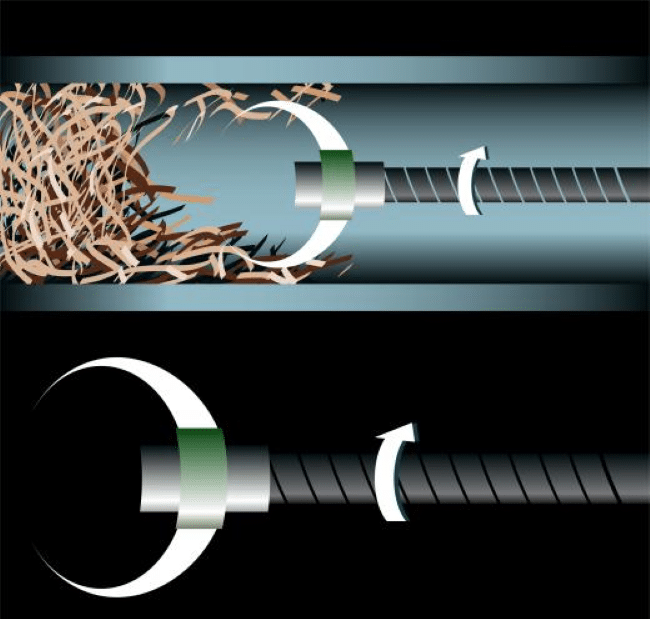
Mechanical augers, root cutters, and drain snakes physically cut through roots to restore flow. This approach works well for moderate blockages where the surrounding pipe is still in reasonably good condition.
Hydro jetting
Hydro jetting uses high-pressure water, typically in the 3,000–4,000 PSI range, to remove roots, grease, sludge, and debris from inside the pipe. Professional hydro jetting thoroughly cleans the entire sewer pipe instead of punching a small hole through the blockage, which makes it more effective than mechanical removal alone for pipes with heavy buildup. Typical cost ranges from $1,000 to $3,000.
The Plumbing Manufacturers International trade association offers additional background on plumbing product standards and water safety practices relevant to sewer system maintenance.
Chemical root treatments
Products like copper sulfate and foaming root killer can kill roots on contact when approved for sewer applications and used carefully. However, chemical treatments are not a permanent solution. They address the roots currently in the pipe but do nothing to repair the underlying damage that allowed them in. Homeowners should avoid relying solely on chemical root killers as a long-term fix.
Sewer pipe repair
Repairing the damaged section of pipe after root removal helps prevent future intrusion by closing the openings roots originally used to enter. Sewer repairs often cost 25–30% less than full replacement, making them a cost-effective option when damage is isolated to a specific section.
Pipe lining
Trenchless pipe lining creates a smooth, jointless surface inside the existing pipe, which prevents roots from re-entering through old joints or seams. This method requires less digging than traditional repair and offers a long-lasting solution for pipes with moderate, localized damage.
Sewer line replacement
Replacement becomes necessary when damage is severe: structural failure, multiple collapses, or extensive root invasion across a long section of pipe. Modern PVC pipes significantly reduce root intrusion risk compared to older clay or cast iron materials, making replacement a long-term investment in reliability. Replacement costs can run up to $10,000, depending on pipe depth, length, landscaping, and site accessibility.
Why Removing Roots Alone Doesn’t Solve the Problem
This is the part homeowners most often overlook. Removing roots clears the immediate blockage, but it leaves behind the cracks, loose joints, and damaged pipe walls that allowed the roots in to begin with. As a result, roots often regrow within 1 to 3 years, bringing the homeowner right back to square one.
Permanent repairs require fixing the damaged pipe, not just cutting back the roots. Choose root removal alone only as a short-term fix while you plan for proper repair. Choose repair or lining if you want a solution that actually addresses the root cause of the problem, pun intended.
How to Prevent Future Root Intrusion
Landscaping tips
- Plant new trees at least 10 feet away from sewer lines.
- Choose less aggressive tree species when landscaping near underground pipes.
- Install root barriers to redirect root growth away from the sewer line.
Plumbing maintenance
- Schedule regular sewer camera inspections, particularly in homes with older clay or cast iron pipes.
- Repair leaking pipes promptly before moisture attracts new root growth.
- Keep grease out of drains, since it combines with roots to accelerate blockages.
- Schedule periodic professional sewer cleaning as part of routine home maintenance.
Maintaining sound sewer pipes greatly reduces vulnerability to future root intrusion. The University of Maryland Extension offers regional guidance on tree species and landscaping choices suited to Maryland properties, which can help homeowners select trees less likely to cause future sewer problems.
Tree Root Removal Costs
| Service | Typical Cost |
|---|---|
| Root removal | $100–$3,000 |
| Hydro jetting | $1,000–$3,000 |
| Sewer repair | Varies (typically 25–30% less than replacement) |
| Sewer replacement | Up to $10,000 |
Actual pricing depends on several factors: pipe material, severity of root intrusion, accessibility of the sewer line, the repair method chosen, and the length of damaged pipe requiring attention.
When to Call a Professional
Call a professional plumber if you notice any of the following:
- Multiple slow drains throughout the home
- Frequent or recurring clogs
- Gurgling sounds from toilets or drains
- Sewage odors near drains or in the yard
- Basement or floor drain backups
- Unusually wet or lush areas in the yard
- Large trees growing near your sewer line path
- An older home with clay or cast iron sewer pipes
Early inspections often prevent much more expensive repairs down the road. A small investment in diagnosis now can save thousands in emergency repair costs later.
Protecting Your Home Starts With the Right Diagnosis
Tree roots are attracted to moisture from damaged sewer pipes, not the other way around. Root removal alone usually isn’t enough to solve the problem for good, since the underlying crack or joint that let the roots in will keep attracting new growth. A sewer camera inspection identifies the real problem, and repairing the damaged pipe is what actually prevents future root intrusion.
Regular maintenance — camera inspections, prompt leak repairs, and mindful landscaping — helps homeowners avoid expensive sewer emergencies altogether. Experienced professionals can identify the true cause of your sewer issues and recommend the most cost-effective long-term solution for your home.
If you’re experiencing recurring sewer clogs, slow drains, gurgling fixtures, or suspect tree roots in your sewer line, MD Sewer & Plumbing Services can help. We’ll inspect your sewer line with advanced camera equipment, identify the true source of the problem, and recommend the right repair — not just a temporary fix.
Schedule your service today, request your free estimate, or call now — technicians are available 24/7. Protect your home from costly plumbing repairs with your local, trusted plumber since 1989.
Frequently Asked Questions
Does homeowners insurance cover tree root damage to sewer lines?
Coverage varies by policy. Standard homeowners insurance often excludes damage caused by normal wear and tear or root intrusion, since these are typically classified as maintenance issues rather than sudden accidents. However, some policies or optional sewer line endorsements may provide coverage. Homeowners should review their specific policy or speak with their insurance provider to confirm what’s included.
What is the best chemical for killing tree roots in a sewer line?
Copper sulfate and foaming root killer products are commonly used, but they should only be applied as directed and only when approved for sewer applications. These products can kill existing roots inside the pipe, but they provide temporary control rather than a permanent fix, since they don’t repair the cracks or joints that allowed roots to enter in the first place.
How common are tree roots in a sewer line?
Root intrusion is one of the leading causes of residential sewer line problems, particularly in older neighborhoods with clay or cast iron sewer pipes. Homes built several decades ago are especially susceptible, since aging joints and seals create easy entry points for nearby tree roots.
How much does it cost to fix tree roots in a sewer line?
Costs vary depending on severity and repair method. Root removal typically ranges from $100 to $3,000, hydro jetting runs $1,000 to $3,000, sewer repairs vary depending on the extent of damage (often 25–30% less than full replacement), and full sewer line replacement can cost up to $10,000.