
Hydro jetting is a professional drain cleaning method that uses high-pressure water to scour the entire inside diameter of a sewer pipe, removing grease, sludge, mineral deposits, and certain tree roots. We recommend it for recurring clogs, slow drains, or heavy buildup—always after a camera inspection confirms the pipe can safely handle it.
If the same drain keeps clogging no matter how many times you’ve had it snaked, the problem probably isn’t sitting near the drain opening. It’s likely buildup that has coated the walls of your sewer line further down, and a basic cable snake just can’t reach it.
That’s where hydro jetting comes in. It’s one of the most effective professional drain cleaning methods available today, using high-pressure water instead of blades or chemicals to clean sewer and drain pipes from the inside out.
Schedule Service Online
Get a free estimate so you know what you're signing up for
"*" indicates required fields
For Emergency Services Call: 410-255-9300
At MD Sewer & Plumbing Services, we’ve spent more than 35 years helping Pasadena-area homeowners solve exactly this kind of problem. And while hydro jetting is a powerful tool, it isn’t automatically the right fit for every plumbing system. Older pipes and damaged lines sometimes need a different approach altogether. That’s why we always perform a professional evaluation before recommending any drain cleaning method, hydro jetting included.
In this guide, we’ll walk through what hydro jetting actually is, how it works, what it can and can’t clean, and how to know whether your sewer line is a good candidate for it.
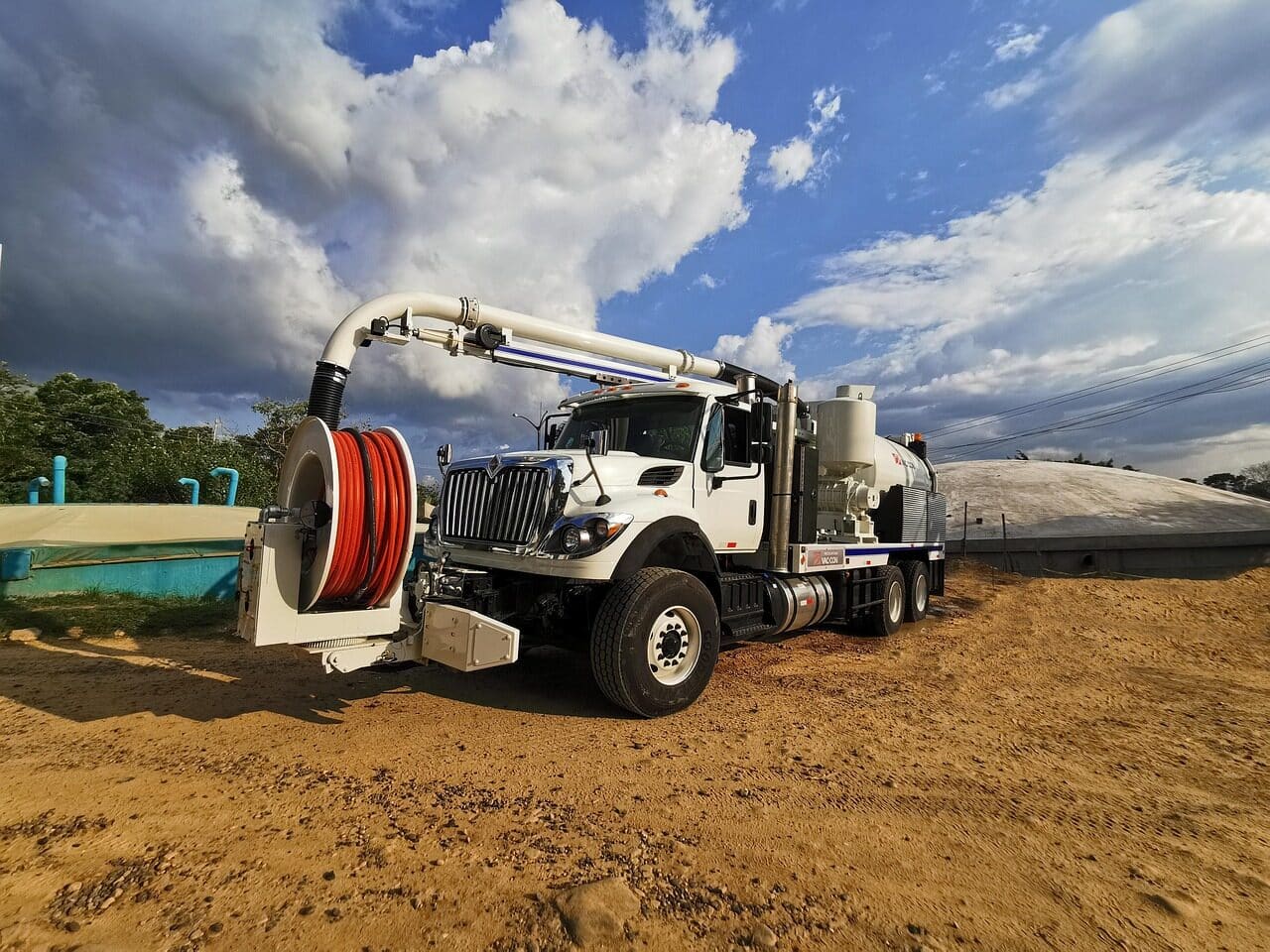
What Is Hydro Jetting?
Hydro jetting is a professional drain cleaning process that uses high-pressure water jetting to clean the full interior surface of a sewer or drain pipe. Rather than just punching a hole through a clog, it scours the pipe walls clean from end to end.
A hydro jetting machine works by feeding a specialized hose fitted with a precision nozzle into the pipe. That nozzle sprays pressurized water in multiple directions as it moves through the line, blasting away buildup on contact. Depending on the application and the equipment being used, water pressure during a professional hydro jetting service can range from several thousand PSI up to approximately 35,000 PSI.
Because that amount of force can do real damage in the wrong hands, hydro jetting should only ever be performed by a trained, licensed professional who understands how to match pressure levels to the condition of the pipe. This isn’t a rental-equipment weekend project.
Hydro jetting is used across residential and commercial plumbing systems, and it’s become a go-to maintenance tool for property managers and homeowners alike who want to avoid the cycle of repeated, temporary fixes.
How Does Professional Hydro Jetting Work?
Why Does Every Hydro Jetting Service Start With a Camera Inspection?
A responsible hydro jetting service never starts with the jetting itself. It starts with a camera inspection.
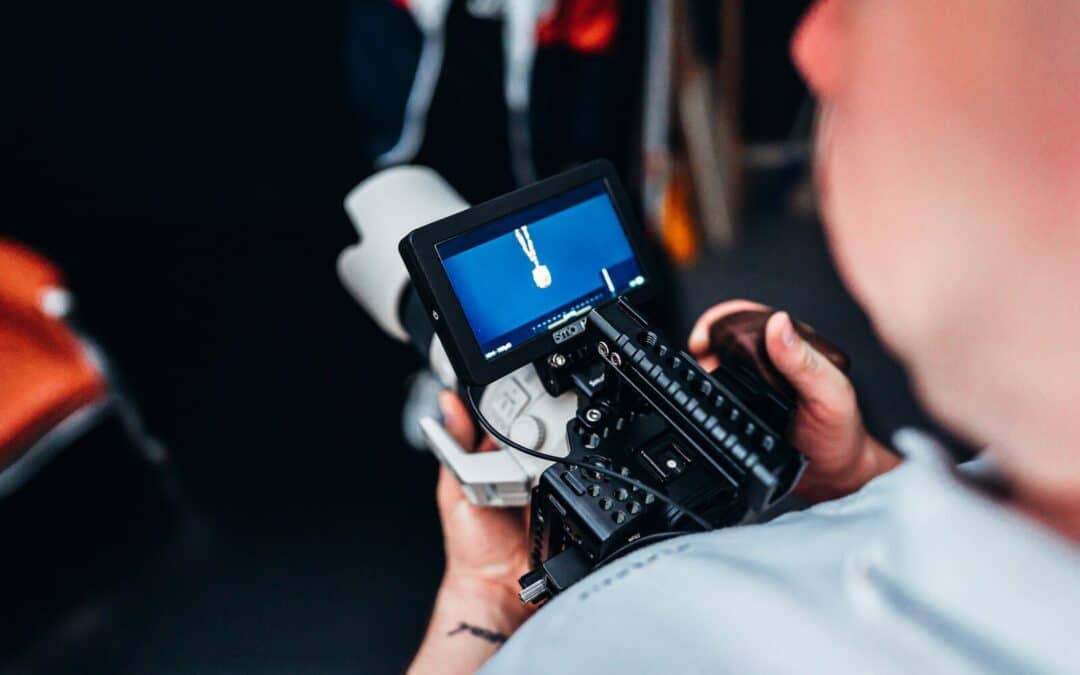
A sewer camera inspection lets our technicians see exactly what’s happening inside the pipe before any water pressure is applied. This step:
- Identifies the current condition of the pipe
- Finds root intrusion before it becomes a bigger problem
- Locates collapsed or partially collapsed sections
- Determines how severe the buildup actually is
- Prevents unnecessary damage from misapplied water pressure
A pipe that’s already compromised by cracks or deterioration should never be hydro jetted without this step first. High-pressure water directed at a weak spot can turn a manageable repair into an emergency.
How Does the Water Jet Clean the Entire Pipe?
Once an inspection confirms hydro jetting is appropriate, the nozzle is fed through the line and the water jet gets to work. As it moves, it:
- Rotates inside the pipe to reach every angle
- Cleans the complete pipe circumference, not just the center channel
- Flushes loosened debris downstream and out of the system
- Strips buildup directly off the pipe walls
- Leaves the line significantly cleaner than traditional drain clearing methods
This comprehensive cleaning is the real difference between hydro jetting and a standard snake. One clears a path; the other restores the entire line.
What Types of Buildup Can Hydro Jetting Remove?
Can Hydro Jetting Remove Grease Buildup?
Yes. Hydro jetting is especially effective against kitchen and restaurant grease, which tends to coat pipe walls in thick layers over time. Cooking oils poured down the drain are one of the most common culprits behind recurring clogs in both residential and commercial plumbing systems.
Does Hydro Jetting Clear Soap Scum and Sludge?
It does. A professional hydro jetting service can remove soap residue, hair buildup, and general organic sludge that accumulates in bathroom drains, restoring flow that a plunger or basic snake simply can’t fix.
Can Hydro Jetting Remove Mineral Deposits?
Yes. Hard water scale and other mineral buildup can narrow the inside of a pipe over the years, gradually reducing water flow. High-pressure water is effective at breaking this scale loose from pipe walls.
What About Food Waste and Debris?
Food particles, organic debris, and other foreign materials that make their way into a drain line are easily flushed out during hydro jetting, which helps prevent the kind of slow buildup that leads to repeat service calls.
Can Hydro Jetting Remove Tree Roots From a Sewer Line?
Hydro jetting can clear smaller root intrusions, but larger root masses may require a different approach. In some cases, a plumbing auger is used first to break apart the roots, and hydro jetting is then used to completely clean out the remaining debris. Severe root intrusion, however, may point to a larger issue that requires sewer repair rather than cleaning alone.
When Do We Recommend Hydro Jetting?
What Does It Mean When the Same Drain Keeps Clogging?
If a particular drain clogs again and again, snaking is likely only providing temporary relief. The underlying buildup remains on the pipe walls, ready to cause another backup within weeks or months.
Why Are Multiple Drains Draining Slowly at the Same Time?
When several drains throughout a home slow down together, it often points to buildup in the main sewer line rather than an isolated clog. This is a classic sign that whole-line cleaning, not spot treatment, is needed.
Why Do Commercial Properties Need Routine Hydro Jetting?
Restaurants, offices, apartment buildings, and other commercial properties generate heavier and more frequent drain use than a typical home. Routine hydro jetting helps these properties avoid the grease and debris buildup that leads to costly downtime.
What Causes Frequent Sewer Backups?
Repeated sewage backups or multiple drain problems happening at once are often signs of a larger blockage further down the line, and they can escalate into an emergency plumbing situation if left unaddressed.
Do Older Sewer Lines Need Hydro Jetting More Often?
Older sewer lines often carry decades of accumulated grease and mineral deposits, making them strong candidates for hydro jetting. That said, age also raises the importance of inspecting the pipe first, since older materials are more prone to existing damage.
Hydro Jetting vs. Drain Snaking: What’s the Difference?
| Drain Snaking | Hydro Jetting |
|---|---|
| Breaks through the clog | Completely cleans the pipe walls |
| Less aggressive | Uses high-pressure water |
| Good for simple clogs | Best for heavy buildup |
| Temporary results | Longer-lasting results |
| Doesn’t fully clean the pipe | Cleans the entire pipe circumference |
Drain snaking is a less intense process than hydro jetting. Basic augers work well on simple clogs located near the drain opening, and larger augers can even break apart tree roots. But snaking generally punches through a blockage rather than cleaning the pipe itself. Hydro jetting goes further, offering a much more comprehensive clean along the entire length of the line.
Photo by Sonny Sixteen on Pexels
Why Should Every Sewer Line Be Evaluated Before Hydro Jetting?
This step matters more than almost anything else in the process, and it’s worth explaining in detail.
Are Older Pipe Materials a Concern?
Yes. Cast iron pipes, clay sewer pipes, and Orangeburg pipe—a material once common in older homes—can all be more vulnerable to high water pressure than modern PVC. Aging plumbing systems need a closer look before any high-pressure cleaning is considered.
What If the Pipe Already Has Existing Damage?
Cracks, pipe separations, weak joints, and severe deterioration all change the equation. High-pressure water directed at a damaged section can worsen the problem rather than solve it, which is exactly why we don’t skip the inspection step.
Why Do Camera Inspections Matter So Much?
A video inspection gives us an accurate diagnosis instead of a guess. It allows us to choose the right solution for the specific condition of the pipe and helps prevent expensive mistakes. A professional assessment protects homeowners from paying for repairs that could have been avoided with the right first step.
Is Hydro Jetting Safe?
A professional hydro jetting service is generally very safe when performed by a licensed plumber after a proper inspection. The risk comes in when the process is attempted without the right training or equipment.
DIY hydro jetting carries real risks, including:
- Potential pipe ruptures from misapplied pressure
- Damage to already fragile plumbing
- Personal injury from high-pressure equipment
- Exposure to raw sewage
- Equipment misuse that leads to bigger, more expensive problems
Professional-grade hydro jetting equipment requires training to operate safely, which is one of the main reasons this isn’t a job for a rented machine and a weekend.
Is Hydro Jetting Better Than Chemical Drain Cleaners?
What Are the Downsides of Chemical Drain Cleaners?
Chemical drain cleaners rely on harsh chemicals that can corrode pipes over time, raise environmental concerns, and often only provide a temporary fix rather than a real solution.
What Makes Hydro Jetting a Better Long-Term Option?
Hydro jetting uses only water, making it an environmentally friendly alternative. It provides a thorough cleaning that removes buildup entirely instead of dissolving part of it, which typically leads to longer-lasting results.
For maintenance between professional cleanings, enzyme-based drain cleaners are a gentler option worth considering, since they help manage minor buildup without the harsh chemical exposure of traditional products. The U.S. EPA’s WaterSense program also offers general guidance on water-efficient fixtures and practices that can complement a well-maintained plumbing system.
How Much Does Hydro Jetting Cost?
Several factors affect hydro jetting pricing, including:
- The length of the sewer line
- The severity of the blockage
- Whether the property is commercial or residential
- Whether a camera inspection is included
- How accessible the pipe is
On average, professional hydro jetting runs approximately $350–$600, depending on the job and local market. While that’s a real investment, it’s often far less than the cost of an emergency sewer repair caused by buildup that was never properly addressed.
Benefits of Professional Hydro Jetting
- Thorough, whole-pipe cleaning
- Removes stubborn clogs that snaking can’t touch
- Cleans the pipe walls, not just the center of the line
- Helps prevent future clogs from forming
- Reduces recurring plumbing issues
- Environmentally friendly, with no harsh chemicals
- Longer-lasting results than traditional drain clearing methods
- Works across residential, commercial, and industrial plumbing systems
- Helps prevent catastrophic sewer backups and the emergency plumbing bills that come with them
For general background on sanitation and water system safety, the CDC’s Healthy Water resources and the CPSC’s home safety information are both useful starting points for homeowners