Fall plumbing maintenance in Maryland means inspecting pipes for leaks, insulating exposed plumbing, flushing your water heater, testing your sump pump, and checking outdoor faucets before temperatures drop. Homeowners in Pasadena and Anne Arundel County who complete these steps each fall significantly reduce their risk of frozen pipes, water damage, and costly repairs.
Maryland falls can be deceptive. One week you’re running the air conditioning; the next, you’re reaching for a jacket. Those swings in temperature—common across Pasadena, Anne Arundel County, and surrounding communities—put real stress on a home’s plumbing system. Pipes contract, sediment settles in water heaters, and any small leak that went unnoticed all summer becomes a much bigger problem once freezing temperatures arrive.
The good news: most of the damage that happens in winter is preventable. A focused fall inspection of your home’s plumbing system takes just a few hours and can save you thousands in repair costs. At MD Sewer & Plumbing Services, we’ve been helping Maryland homeowners protect their plumbing for over 35 years—and the homes that hold up best through winter are almost always the ones that prepared in fall.
Schedule Service Online
Get a free estimate so you know what you're signing up for
"*" indicates required fields
For Emergency Services Call: 410-255-9300
This guide walks through every step of a complete fall plumbing maintenance checklist, from checking exposed pipes to flushing sediment from your water heater. Whether you handle some of these tasks yourself or call in a professional plumber, knowing what to look for puts you ahead of the season.
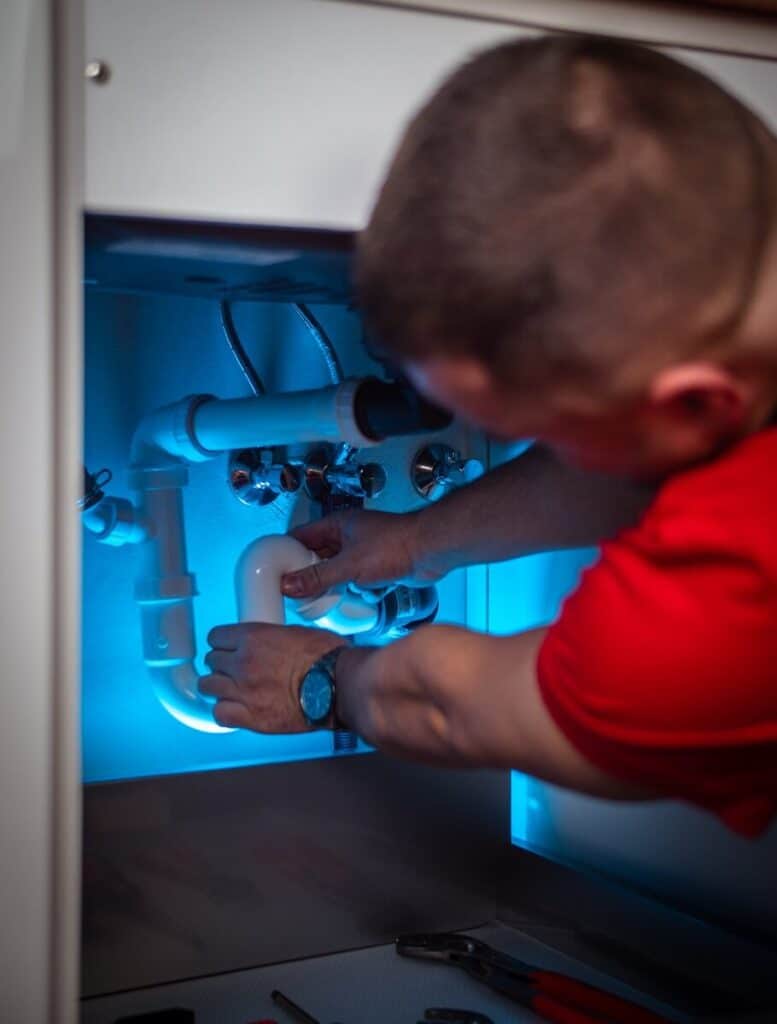
Photo by Timur Shakerzianov on Unsplash
Why Does Fall Plumbing Preventative Maintenance Matter So Much?
Plumbing problems don’t announce themselves. A slow leak under a bathroom sink, a hairline crack in an outdoor faucet, a water heater quietly losing efficiency—these issues compound quietly until something fails at the worst possible time.
According to the U.S. EPA’s WaterSense program, the average household’s leaks waste more than 9,300 gallons of water every year, and 9% of homes have leaks that waste 50 gallons or more per day. Those losses show up on your water bill long before the damage becomes visible.
The cost of doing nothing climbs sharply once temperatures drop. Data from State Farm’s 2026 frozen pipe report shows that from 2024 through June 2025, more than 20,000 frozen pipe claims were filed across the country, totaling over $628 million in paid losses—with the average claim exceeding $30,000. A small crack in a pipe can release more than 250 gallons of water per day, damaging floors, drywall, foundations, and personal belongings.
Routine fall maintenance costs a fraction of that. Catching problems now means you’re addressing them on your schedule, not during a Sunday night emergency in January.
Fall Home Plumbing Maintenance Checklist
How Do You Check Exposed Pipes for Leaks Before Temperatures Drop?
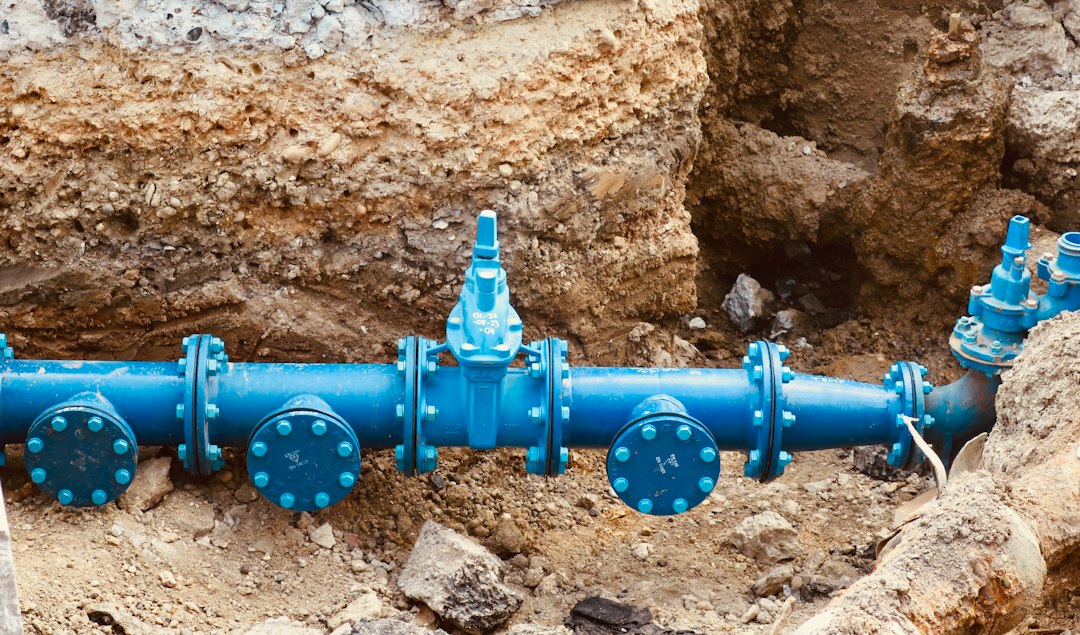
Start in the areas most homeowners rarely visit: basements, crawl spaces, garages, and utility rooms. These are the spaces where pipes are most exposed to temperature changes and least likely to be noticed when something goes wrong.
Walk through each area and look carefully for:
- Water stains on walls, floors, or pipe surfaces
- Corrosion, rust, or discoloration at joints and fittings
- Moisture or condensation on pipes
- Any dripping at connections or shutoff valves
Even a slow seep at a joint can escalate fast when temperatures fluctuate. Fixing a minor leak now is far simpler than addressing structural water damage after a pipe failure. If you find staining but no visible drip, it’s worth calling a licensed plumber to use advanced leak detection equipment—some leaks hide inside walls or beneath slabs.
Helpful resource: The EPA’s Fix a Leak Week checklist offers a practical guide to detecting and tracking household leaks on your own.
Why Should You Insulate Exposed Pipes Before Cold Weather?
Maryland winters regularly push temperatures below freezing, and pipes in unheated areas are the first to suffer. According to State Farm, pipes in uninsulated spaces—attics, crawl spaces, exterior walls, and garages—are most at risk when outdoor temperatures drop below 20°F.
Pipe insulation foam sleeves are inexpensive and widely available. Focus your efforts on:
- Pipes in unheated garages or crawl spaces
- Pipes along exterior walls
- Any supply lines in uninsulated attic spaces
- Pipes near windows or doors where drafts are common
Insulation slows heat loss but won’t stop a pipe from freezing in an extreme cold snap. Seal any gaps where cold air enters near pipe runs, and consider leaving cabinet doors open under sinks along exterior walls during cold nights to let warm air circulate.
For a thorough guide on which areas to address first, Family Handyman’s pipe-freezing prevention guide and their comprehensive winter insulation checklist are both excellent starting points.
What Should You Do with Outdoor Hoses and Exterior Faucets in Fall?
This is one of the simplest steps on the list—and one of the most commonly skipped. A garden hose left connected to an outdoor spigot traps water in the line, which can freeze, expand, and crack the faucet or the pipe behind it.
Before the first frost:
- Disconnect and drain all garden hoses, then store them indoors
- Shut off the interior valve that supplies each outdoor faucet, if your home has one
- Open the exterior faucet to drain any remaining water
- Inspect hose bibs for cracks, drips, or worn washers
If your home has frost-free sillcocks installed, they still require the hose to be disconnected. Water trapped in the hose prevents the frost-free mechanism from draining properly.
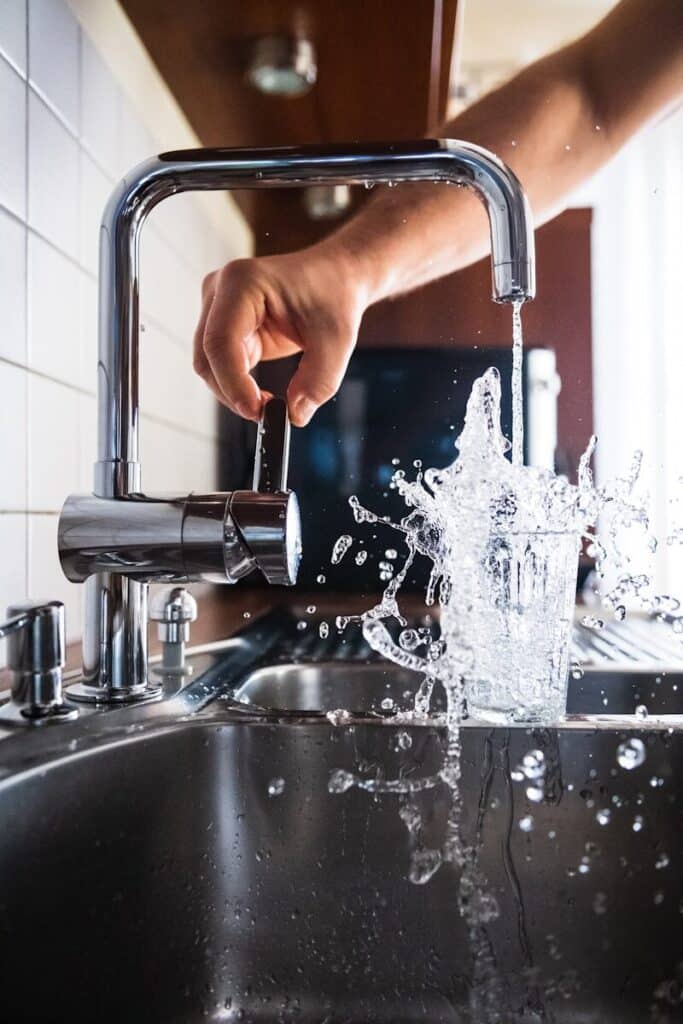
Photo by Jacek Dylag on Unsplash
How Should You Clear Slow Drains Before the Holiday Season?
Fall is the season when kitchen sinks take on extra duty—holiday gatherings, more cooking, more people in the house. A drain that’s sluggish in October becomes fully blocked by December.
Address slow drains before they become emergencies:
- Use a baking soda and hot water flush for routine drain freshening
- Follow up with an enzymatic drain cleaner for organic buildup
- Avoid harsh chemical drain cleaners, which can corrode older pipes over time
- Install hair catchers in shower and tub drains and clean them weekly
- Never pour fats, oils, or grease down kitchen drains—these solidify in the line and build up over time
- Inspect floor drains in basements and laundry rooms for proper flow
If multiple drains in your home are running slowly at the same time, that’s rarely a coincidence. It often points to a partial blockage deeper in the main drain line or a developing sewer issue.
How Do You Inspect Toilets, Faucets, and Fixtures for Hidden Leaks?
A running toilet is one of the most wasteful—and most overlooked—plumbing problems in a home. A leaky toilet can waste around 200 gallons of water per day, often without making any obvious noise.
Check each toilet by adding a few drops of food dye to the tank. Wait 10 minutes without flushing. If color appears in the bowl, the flapper is leaking and needs to be replaced—a straightforward fix that takes about 15 minutes and costs very little.
While you’re checking fixtures:
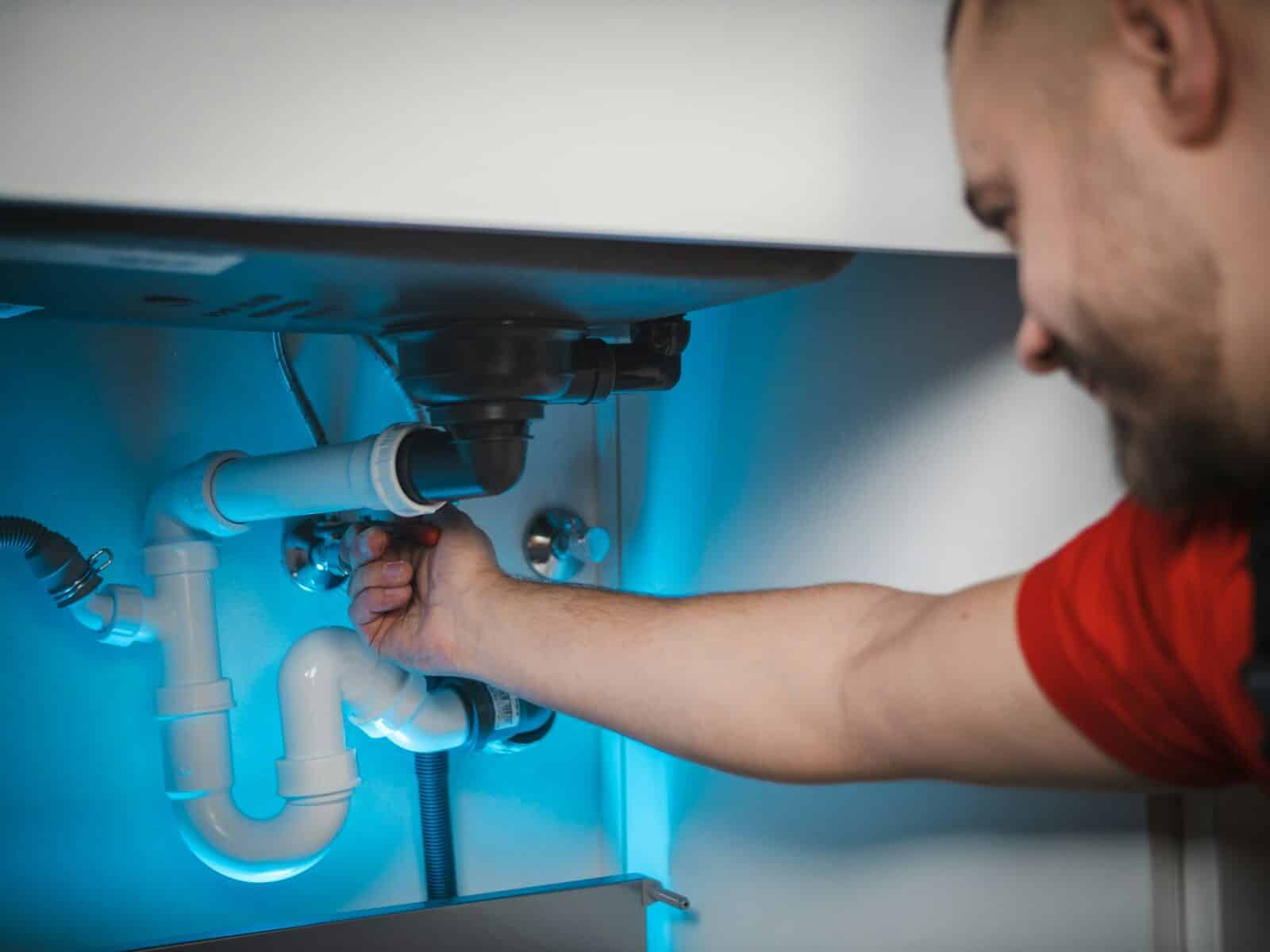
- Look under sinks for moisture, water stains, or soft cabinet floors
- Test shutoff valves beneath each toilet and sink to make sure they turn freely
- Replace worn washers or seals on any dripping faucets
- Remind household members that toilets are designed to handle human waste and toilet paper only—flushing anything else increases clog risk significantly
What Is the Right Water Pressure for a Home, and How Do You Test It?
Water pressure that’s too high puts stress on pipes, joints, appliances, and fixtures. The ideal range for residential water pressure is 40–60 PSI. Anything consistently above 80 PSI can accelerate wear on your plumbing system.
Testing is simple: attach an inexpensive pressure gauge (available at most hardware stores) to an outdoor hose bib or washing machine connection. Take a reading when no water is running elsewhere in the house.
If your pressure is running high, a pressure-reducing valve (PRV) can be installed to bring it into a safe range. Watch for warning signs of high pressure between checks: banging pipes when water shuts off (water hammer), consistently dripping faucets, or unusually short appliance lifespans.
For a deeper explanation of diagnosing and improving water pressure, This Old House’s water pressure guide is a thorough and reliable reference.
How Do You Prepare a Water Heater for Fall and Winter?
Your water heater works harder in colder months. Cold incoming water temperatures mean the heater runs more cycles to maintain the same output—and if sediment has built up inside the tank, efficiency drops further.
The EPA’s WaterSense home maintenance guidance recommends flushing your water heater once a year to reduce sediment buildup that decreases efficiency. Here’s how to do a basic flush:
- Turn off the power supply (electric) or set the burner to “pilot” (gas)
- Connect a garden hose to the drain valve and run it to a floor drain or outside
- Open the drain valve and allow several gallons to drain until the water runs clear
- Close the valve, disconnect the hose, and restore power
While you’re at the water heater, inspect the unit for rust around the base or connections, check that the pressure relief valve operates freely, and verify that the temperature is set between 120°F and 140°F. If the unit is over 10–12 years old, shows signs of corrosion, or struggles to maintain consistent hot water, it may be approaching the end of its service life.
Why Is Sump Pump Testing Critical Before Fall Rain Season?
Maryland’s fall brings heavy rainfall before temperatures fully drop, and that moisture has to go somewhere. A sump pump that fails during a storm can mean a flooded basement within hours.
Testing a sump pump takes about five minutes:
- Pour a bucket of water directly into the sump pit
- The pump should activate automatically and clear the water
- Listen for grinding, hesitation, or unusual sounds
- Verify that the discharge line is clear and draining away from the foundation
According to Family Handyman, sump pumps typically last 7–10 years. If yours is approaching that range or hasn’t been tested recently, fall is the right time to evaluate whether it’s still reliable. A battery backup system is worth considering for homes that experience frequent power outages during storms.
What Are the Warning Signs of Sewer Line Problems in Maryland Homes?
Sewer line issues tend to develop gradually before they become emergencies. Older homes throughout Pasadena and Anne Arundel County often have aging cast iron or clay sewer lines that are more vulnerable to root intrusion, corrosion, and settling over time.
Watch for these early warning signs:
- Multiple drains running slowly at the same time
- Gurgling sounds from toilets or drains
- Sewage odors inside or outside the home
- Wet or unusually green patches in the yard above the sewer line
- Frequent backups that return shortly after clearing
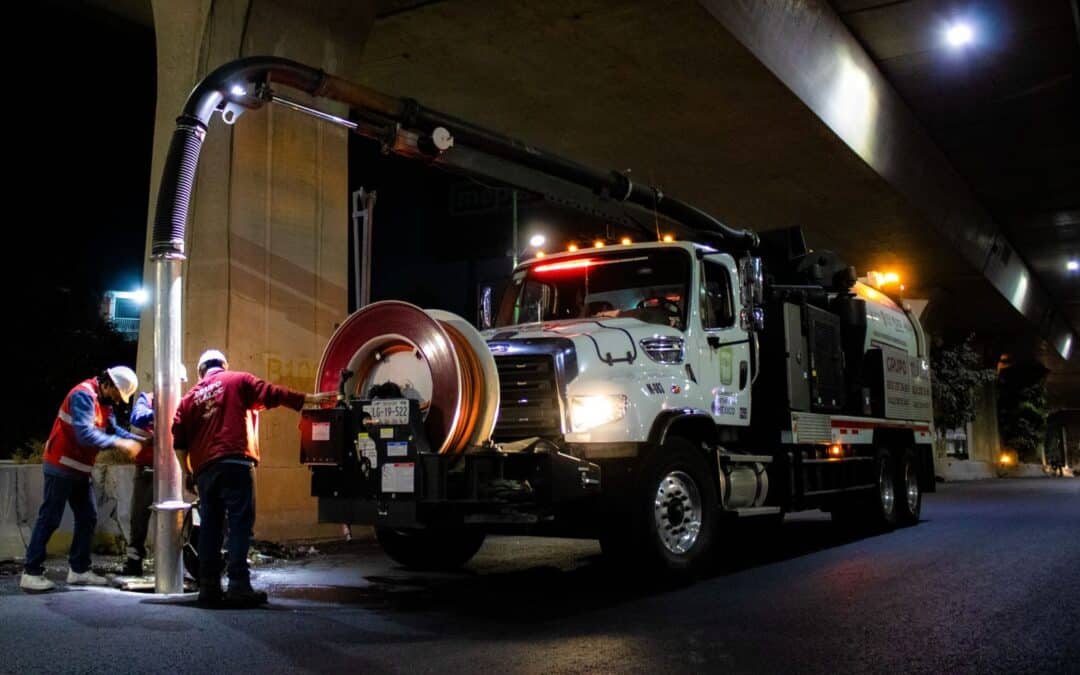
Any combination of these symptoms warrants a professional sewer inspection before winter. A camera inspection gives a clear view of what’s happening inside the line, and addressing a partial blockage or root intrusion now is significantly less disruptive than handling a full sewer backup in February.
Do You Know Where Your Main Water Shutoff Valve Is?
This one isn’t about prevention—it’s about damage control. When a pipe bursts or a fixture fails unexpectedly, the first action is shutting off the water supply. If you don’t know where that valve is, every second spent searching adds to the damage.
Locate your main shutoff valve now (typically near the water meter, in the basement, or in a utility room) and make sure every adult in the household knows where it is. Test the valve annually to confirm it turns easily—valves that go years without use can seize, which defeats the purpose entirely.
What Are the Plumbing Challenges in Older Maryland Homes?
Homes in Pasadena and surrounding Anne Arundel County communities span several decades of construction. Many properties have galvanized steel pipes that have slowly corroded from the inside out, reducing water pressure and water quality over time. Older shutoff valves may not fully close. Cast iron drain lines develop scale buildup that narrows the pipe and traps debris.
These aren’t reasons to panic—but they are reasons to have an experienced eye look at your system periodically. A plumber who knows Maryland housing stock understands what to look for in a 1960s rancher versus a 1990s colonial, and can give you an honest picture of where your system stands.
Why Do Maryland Homeowners Trust MD Sewer & Plumbing Services?
MD Sewer & Plumbing Services has been serving Pasadena, Anne Arundel County, and surrounding Maryland communities since 1989. Over 35 years, we’ve developed a thorough understanding of the plumbing challenges that Maryland homes face—from aging sewer lines to freeze-related pipe damage to water heater failures on the coldest nights of the year.
Every technician on our team is licensed and fully trained. We bring advanced diagnostic equipment to every job, use honest upfront pricing with no hidden fees, and offer free estimates so you know what to expect before any work begins. When emergencies happen outside business hours, our 24/7 service means you’re never waiting for help.
We treat our customers like neighbors—because many of them are.
Protect Your Home Before the Cold Arrives
Fall plumbing maintenance is one of the highest-return investments a Maryland homeowner can make. Spending a few hours now—checking pipes, testing the sump pump, flushing the water heater, and clearing slow drains—can prevent tens of thousands of dollars in winter damage and the stress that comes with it.
The homes that fare best through Maryland winters aren’t the ones with the newest plumbing. They’re the ones whose owners paid attention in October.
Frequently Asked Questions About Plumbing Maintenance
What does plumbing maintenance include?
Plumbing maintenance includes inspecting exposed pipes for leaks, testing water pressure, flushing the water heater to remove sediment, clearing slow drains, checking toilets and faucets for hidden leaks, testing sump pump operation, inspecting shutoff valves, evaluating sewer line health, and insulating pipes in unheated areas. A complete annual inspection covers both visible fixtures and the systems behind the walls.
What does “plumbing maintenance” mean?
Plumbing maintenance refers to the regular inspection, cleaning, and servicing of a home’s plumbing system to prevent breakdowns, maintain efficiency, and extend the lifespan of pipes, fixtures, and appliances. Preventive maintenance identifies small problems before they become large ones, reducing repair costs and lowering the risk of water damage.
What is routine plumbing maintenance, and how often should it be done?
Routine plumbing maintenance typically includes an annual whole-home plumbing inspection, water heater flushing, sump pump testing, drain cleaning, water pressure checks, and fixture inspections. Most plumbers recommend scheduling a professional inspection at least once a year, with seasonal checks (particularly in fall before winter and in spring after freezing temperatures end) for homes in climates like Maryland’s.
How much does plumbing maintenance cost?
Plumbing maintenance costs vary based on the size of the home, the age of the plumbing system, and which services are needed. Routine inspections and maintenance are consistently less expensive than emergency repairs or major water damage restoration. At MD Sewer & Plumbing Services, we offer free estimates so you know the cost upfront before any work begins. Contact us at 410-255-9300 to schedule yours.