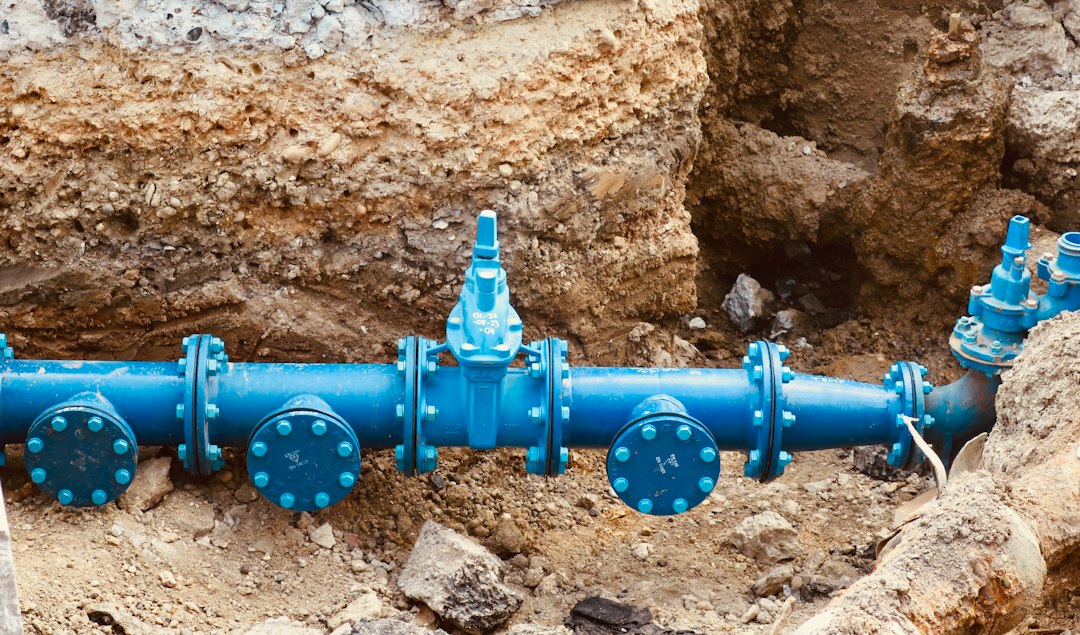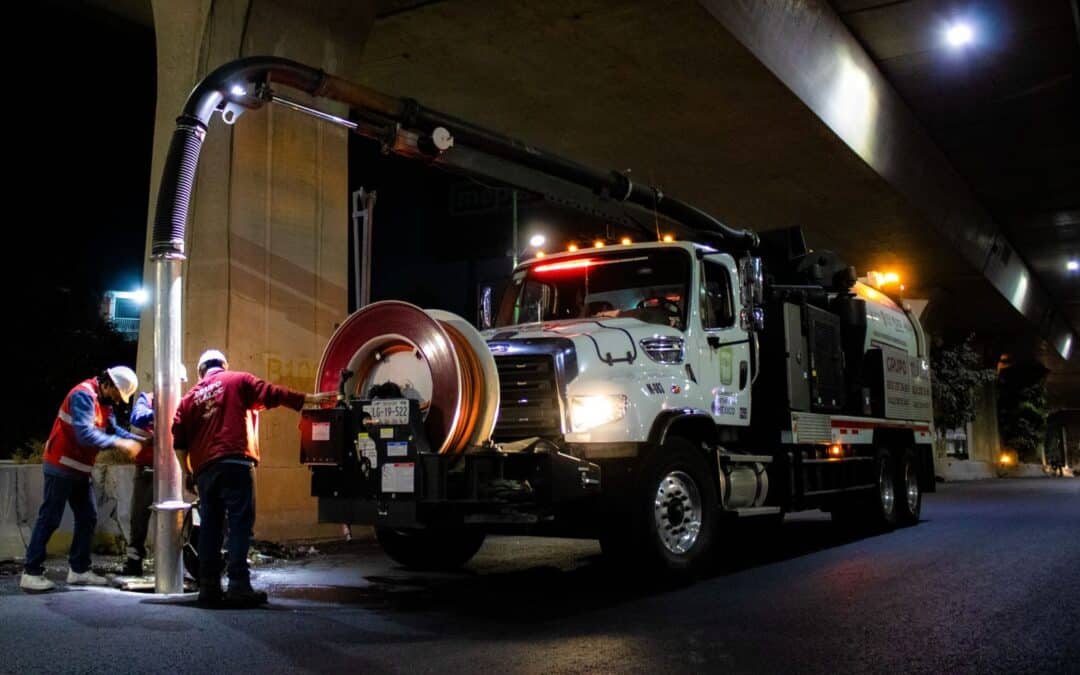
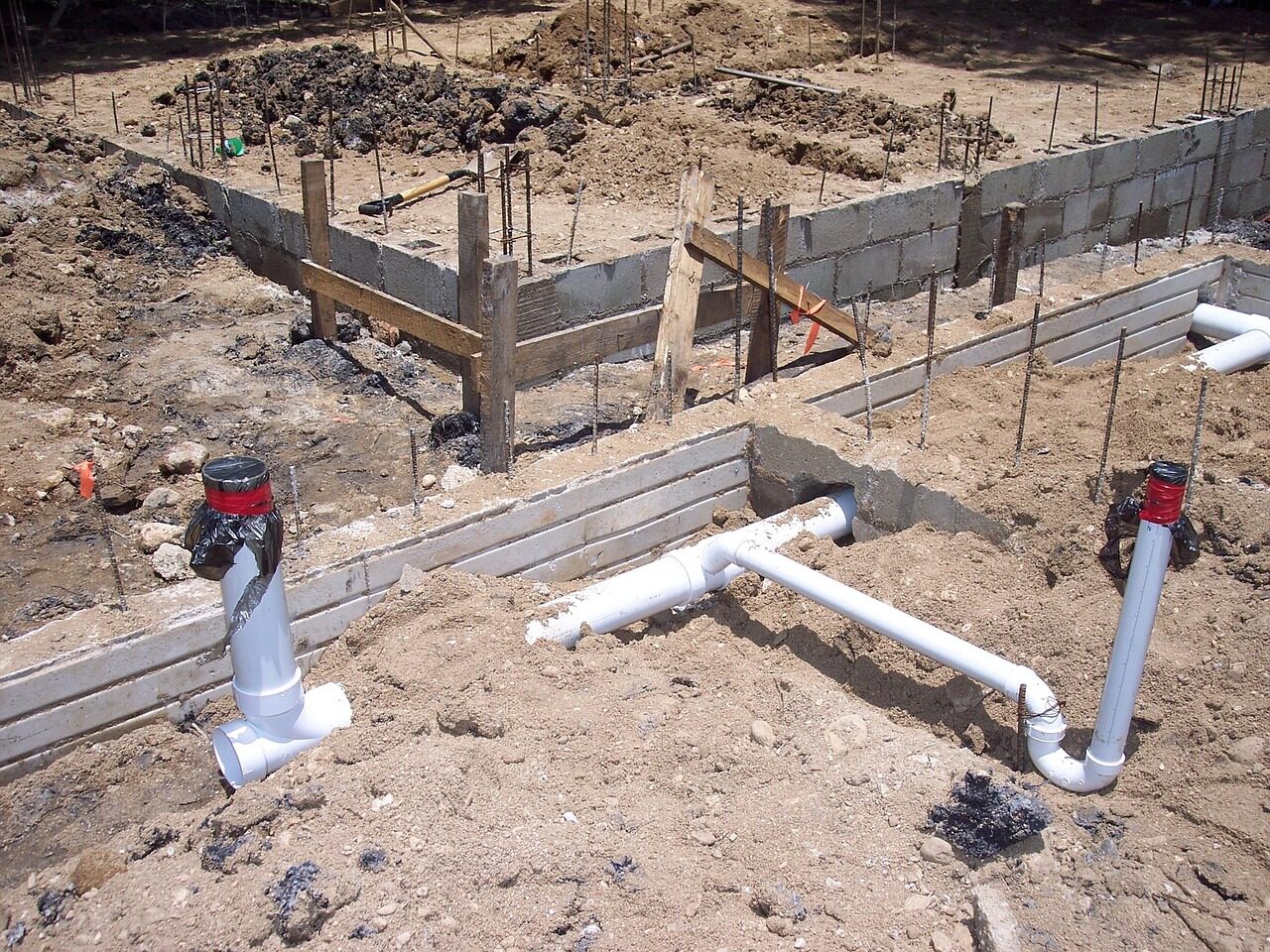
A residential sewer pipe is an underground pipe that removes wastewater from your home and sends it to the municipal sewer or a septic system. If your sewer line cracks, leaks, or gets blocked by tree roots, you may notice slow drains, bad odors, or yard sinkholes. Prompt repairs from a licensed plumber can prevent extensive property damage and costly repairs.
A sewer pipe is one of the most important parts of your home’s plumbing system, responsible for carrying wastewater away from the house. When it is in good shape and carefully installed in the right direction with materials that are manufactured to resist corrosion and avoid root intrusion, you typically never have to worry about leakage or chemical degradation.
But if problems develop—often from aging pipes, lack of assistance with maintenance, or failing to use the latest technologies—you can quickly be left with unpleasant messes and expensive damage, especially with the big ones buried many feet underground.
Schedule Service Online
Get a free estimate so you know what you're signing up for
"*" indicates required fields
For Emergency Services Call: 410-255-9300
Definition: A sewer pipe is a large, durable pipe buried underground, designed specifically to transport all wastewater from toilets, sinks, showers, tubs, and appliances like washing machines safely out of the home.
At MD Sewer & Plumbing Services, we help homeowners understand what is happening underground to make smart decisions.
With over 35 years of experience in Pasadena and the surrounding Maryland communities, our skilled technicians can quickly diagnose and resolve sewer line issues before they become major repairs.
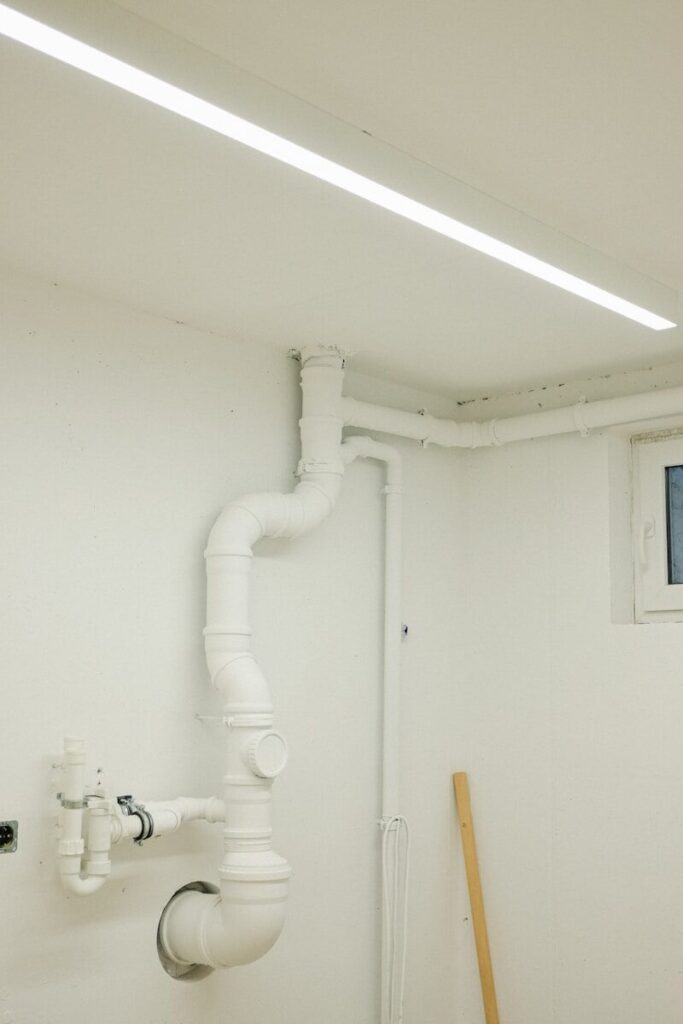
Photo by Lilia Maria on Unsplash
In This Guide, You’ll Learn
- What a sewer pipe is and what it does
- The most common sewer pipe materials
- Problems that affect older pipes
- Warning signs of sewer pipe damage
- When to repair versus replace a sewer pipe
- How regular maintenance protects your pipes
- How MD Sewer & Plumbing can help
- Answers to frequently asked questions
What Exactly Does a Residential Sewer Pipe Do?
A residential sewer pipe connects your home’s internal plumbing to the city’s public sewer or a private septic tank. Its main job is to remove wastewater and transport it safely away from your property.
Although buried out of sight, a sewer pipe plays a crucial role in keeping your living spaces healthy and functional. Toilets, faucets, showers, washing machines, and dishwashers all rely on this main pipe to efficiently carry away used water and waste.
To work properly, the pipe needs to be the right size and installed with a careful downward slope in the correct direction—usually dropping about a quarter inch per foot—so gravity can do its job. Improper installation can cause water to pool and sediment to build up, which may lead to clogs and blockages.
How Do Sewer Lines Connect to the Rest of Your Home’s Plumbing System?
The main residential sewer line collects wastewater from all the branch drain pipes inside your home and carries it out to the main sewer or septic line.
Each sink, tub, or appliance in the house drains into smaller branch pipes. Those branches connect to the main sewer pipe—think of it as the “trunk” of the system. If this main line becomes blocked, multiple fixtures in your home will be affected, causing issues like slow drains and backups.
Pro Tip: If only one fixture is slow to drain, it’s likely a localized clog. If multiple fixtures are slow or backing up, the main sewer line is probably the problem.
What Are the Most Common Pipe Materials Used in Residential Sewer Systems?
Sewer pipes can be made from a variety of materials, and the most common include:
- PVC (Polyvinyl Chloride): A durable, corrosion-resistant plastic material commonly used in modern homes. It is manufactured to resist corrosion and chemical degradation, making it suitable for a wide range of installations.
- ABS (Acrylonitrile Butadiene Styrene): Another tough plastic, often used where flexibility is needed. ABS is a suitable choice for builders who require a pipe that resists chemical degradation.
- Cast Iron: Heavy and durable, but prone to rust in older homes. While it was manufactured for strength, it does not fully resist corrosion.
- Clay: Used for decades, but easily cracked and vulnerable to root intrusion. Clay pipes are not as suitable for areas with heavy root activity or where chemical degradation is a risk.
- Concrete: Strong but susceptible to chemical or soil-based deterioration over time. Concrete pipes are manufactured for high strength but may struggle to resist long-term chemical degradation.
- Ductile Iron: An improved, more flexible form of iron pipe, found in some newer installations. Ductile iron pipes are manufactured with coatings to resist corrosion, making them more suitable than traditional cast iron for certain builders.
- Orangeburg: A bitumen and wood-fiber pipe used in the mid-20th century, now considered unreliable. Orangeburg pipes were manufactured to be affordable, but do not resist root intrusion or chemical degradation well.
- HDPE (High-Density Polyethylene): Flexible, high-quality plastic used in some new installations. HDPE pipes are manufactured to be highly resistant to corrosion, root intrusion, and chemical degradation, making them suitable for modern sewer systems.
Definition: Orangeburg pipe is a type of fiber sewer pipe made from layers of wood pulp and pitch, popular from the 1940s to the 1970s, now known for its tendency to collapse as it ages.
Why Does It Matter?
The pipe material directly affects pipe lifespan, risk of corrosion or root intrusion, and repair costs.
Why Are PVC Pipes a Common Modern Sewer Pipe Option?
PVC pipes are today’s standard for sewer lines because they’re durable, affordable, lightweight, and highly resistant to corrosion and chemicals.
PVC stands for polyvinyl chloride. Its smooth interior encourages rapid wastewater flow and reduces clog risks. PVC pipes are manufactured to resist corrosion and chemical degradation, making them a suitable choice for most homes. They hold up well for decades but still require professional installation to avoid issues like cracking due to soil pressure or improper bedding.
Tip: While PVC is ideal for many situations, homes with unstable soil or deep sewer lines may need reinforced or thicker pipe materials.
What Should Homeowners Know About ABS Sewer Pipes?
ABS (acrylonitrile butadiene styrene) pipes are lightweight, flexible, and strong. They’re often used in plumbing where flexibility and chemical resistance matter.
These pipes are easy to install and are typically manufactured to be suitable for various plumbing needs, but over the decades, some may deform or bow, especially under certain soil conditions. A professional can inspect them using a plumbing camera and advise you if replacement is necessary.
Compare: PVC is usually preferred today due to broader code approval and a longer-known track record, but ABS is still used in some homes.
How Do Cast Iron Pipes and Iron Pipes Perform in Older Homes?
Cast iron pipes are very strong and were a favorite in homes built before the 1980s, but they can corrode and clog as they age.
As cast iron rusts, its diameter narrows, and blockages are more likely. Excess corrosion, cracks, and leaks in old iron pipes often require replacement.
Definition: Cast iron pipe is a heavy-duty pipe used for decades in home plumbing. It is tough, but its biggest weakness is rust and scale buildup from constant water exposure.
Homeowner Tip: If your house is over 40 years old, have a plumber inspect your sewer line for signs of cast-iron deterioration.
What Specific Concerns Affect Concrete Pipes and Ductile Iron Pipes?
Concrete and ductile iron pipes are strong but face risks of cracking, chemical damage, or corrosion over time, especially in older sewer systems.
Concrete pipes are great for heavy loads, but can crack with ground movement or deteriorate from acidic wastewater and chemical degradation. Ductile iron has improved flexibility over cast iron and is great for commercial or high-traffic applications, but, unless it is properly coated to resist corrosion, it can still be vulnerable to rust and long-term chemical degradation.
Key Point: No pipe material is immune to problems. Age, soil conditions, and installation quality all impact durability and risk of failure.
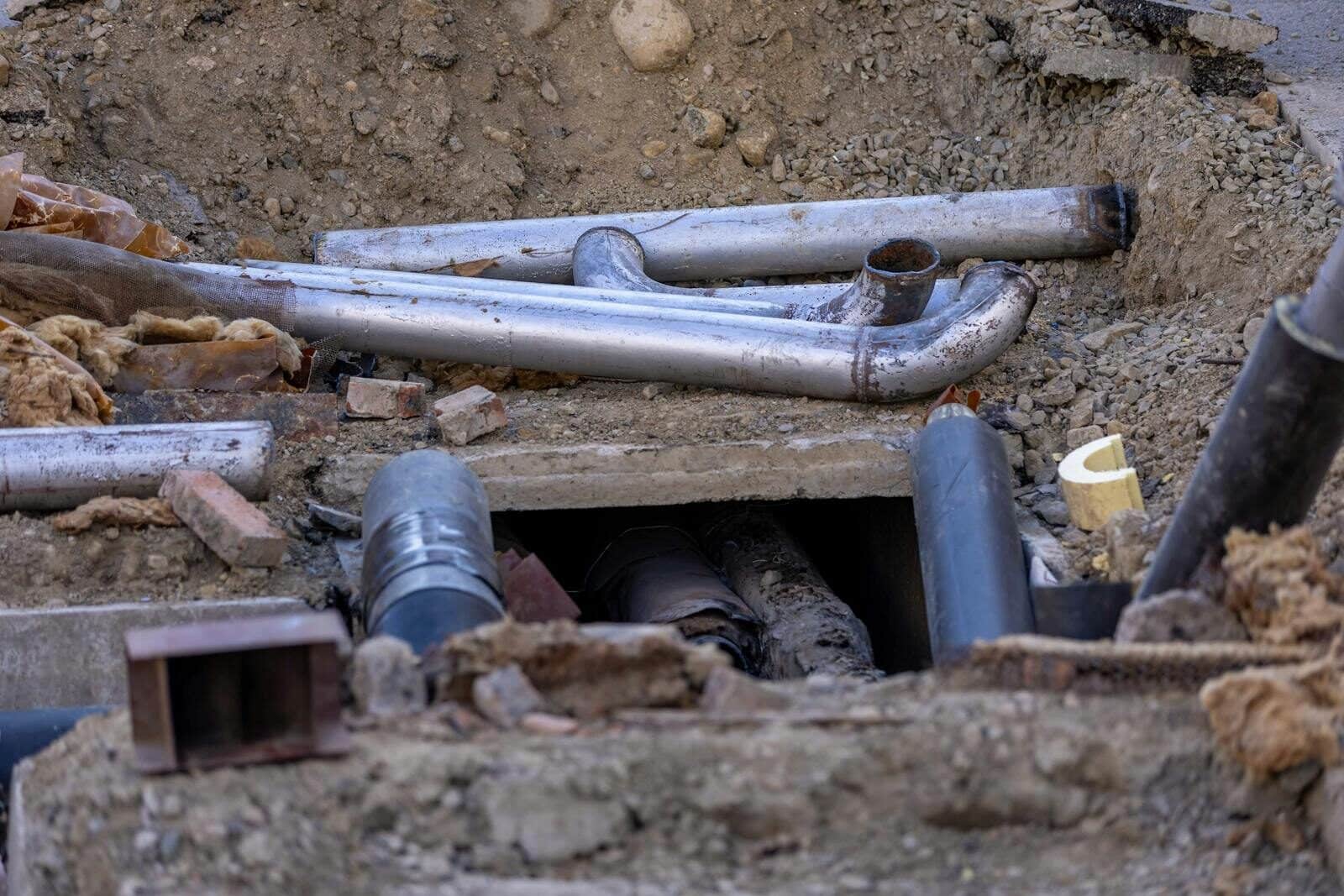
Photo by Sergei Starostin on Pexels
Why Do Orangeburg Pipes in Older Properties Need Special Attention?
Orangeburg pipe collapses after decades of use and is extremely vulnerable to root intrusion and ground pressure. It’s no longer considered safe or reliable.
Definition: Orangeburg pipe is made of layers of wood pulp held together with pitch and tar. It was a low-cost war-era alternative to metal but is prone to failure after 30-50 years.
If your home has this piping, replacement is strongly recommended to avoid major sewer disasters.
What Can Go Wrong with a Residential Sewer Pipe Over Time?
Sewer pipes face daily stresses. Over the years, they can crack, corrode, become blocked, or even collapse entirely, causing backups and property damage.
Common Causes of Sewer Pipe Problems:
- Tree root intrusion seeks water inside the pipe, which can lead to blockage and leakage—avoid root intrusion by choosing suitable materials and careful installation.
- Buildup of grease, wipes, or other unflushable materials, which can cause chemical degradation and make pipes less effective.
- Rust or internal scaling (especially in iron or steel pipes) reduces their ability to resist corrosion over time.
- Cracks, leaks, and shifting soil typically result in leakage and require professional assistance.
- Collapse from ground settling or external pressure—big ones can be buried many feet underground, making detection difficult.
- Damage from improper installation; always ensure pipes are carefully installed in the right direction using the latest technologies for best results.
- Natural age and material failure, especially for older pipes that may not have been manufactured to current standards or with the latest resistant coatings.
Pipes may fail suddenly or deteriorate over many years. Either way, quick action prevents small issues from becoming emergencies.
How Do Tree Roots and Root Intrusion Damage Sewer Pipes?
Tree roots are one of the most common and serious threats to buried sewer pipes. They grow into even tiny cracks or joints, causing blockages and pipe damage.
Once inside, roots can create a tightly packed clog and widen the gaps, letting more wastewater leak out and attracting further root invasion. To avoid root intrusion and minimize the risk of leakage, it’s important to use suitable pipe materials and ensure careful installation. Clay, cast iron, and Orangeburg pipes are most at risk.
Tip: Avoid planting large trees or shrubs near your underground sewer line. Schedule regular inspections to catch root problems early.
What Are the Warning Signs That Your Sewer Pipe May Be Damaged?
Key warning signs that your sewer pipe may be in trouble include:
- Multiple fixtures are draining slowly (not just one)
- Toilets making gurgling or bubbling sounds
- Sewer odors lingering indoors or outside
- Pools or soggy spots in your yard (especially above the pipe route)
- Greener-than-average grass patches over the sewer line
- Sinkholes or soft depressions in the yard
- Frequent, stubborn clogs that don’t clear with normal methods
- Wastewater backups in tubs, showers, or lowest drains
- Recurring plumbing problems after DIY fixes
If you spot any of these, call a licensed plumber right away for an inspection.
Why Should You Fix Sewer Pipe Problems Quickly?
The longer you wait to fix a sewer line issue, the worse (and more expensive) the damage usually becomes.
Small cracks grow bigger—especially in the big ones buried deep underground—while roots multiply, and blockages increase the risk of serious leakage, causing raw sewage to back up into your home. Water leaks may erode soil, leading to yard damage or foundation instability.
For Homeowners and Businesses: Fast professional repairs protect your investment, prevent health hazards, and minimize expensive cleanup.
How Do You Choose Between Sewer Pipe Repair vs. Sewer Pipe Replacement?
- Choose repair if the damage is minor and limited to one section of otherwise healthy pipe.
- Choose replacement if the pipe is heavily corroded, collapsed, or made of outdated/failed material like Orangeburg or old clay.
Thorough camera inspections by an experienced plumber reveal the true cause and location of the problem. The decision is based on whether the pipe is in good shape, its age, material, total damage, and repair history. We always recommend the safest and most cost-effective solution—not the most expensive one- and we are here to assist every step of the way.
Tip: If you need frequent spot repairs, it’s usually time to replace the pipe and solve the problem for good.
How Does Regular Maintenance Help Protect Your Sewer Pipes?
Regular, preventative maintenance keeps sewer pipes healthy and reduces the risk of emergency repairs.
Best Practices for Sewer Pipe Maintenance
- Schedule routine professional drain cleaning
- Book camera inspections every few years or if you suspect trouble
- Never pour grease, wipes, or chemicals down the drain
- Address slow drains promptly to prevent blockages
- Monitor the condition of older pipes
- Get professional help if you see recurring problems
Preventative care helps avoid sudden backups, saves money, and extends your sewer pipe’s lifespan.
How Does MD Sewer & Plumbing Services Handle Sewer Pipe Problems?
MD Sewer & Plumbing Services provides expert assessment, honest recommendations, and fast, reliable repair and replacement.
With over 35 years of experience in Maryland, our family-owned team uses advanced technologies—including pipe cameras and trenchless techniques—for accurate, cost-effective solutions and expert assistance. We offer free estimates, upfront pricing, and 24/7 service.
Why Choose Us? You get clear communication, honest advice, and family-style service from licensed pros who treat your home like their own.
When Should You Call a Licensed Plumber About Your Sewer Pipe?
Contact a plumber without delay if:
- More than one drain is slow or clogged
- Toilets gurgle or back up into other drains
- You smell strong sewer gas indoors or out
- There are unexplained wet areas, sinkholes, or lush grass in your yard
- You suspect tree roots or have old, original pipes
- Plumbing problems keep coming back after DIY fixes
Act fast—small leaks and clogs can quickly turn into huge messes. Don’t wait for sewer issues to get worse.
How Can You Protect Your Home with Reliable Sewer Pipe Service?
Your sewer pipe is essential to the safety and comfort of your home. Any issue can affect your entire plumbing system, lawn, and indoor environment. Older homes, in particular, need regular attention.
If something seems wrong, don’t wait for a minor leak to turn into major damage. Prompt, professional repairs protect your property and peace of mind.
Frequently Asked Questions About Sewer Pipes
What Is a Sewer Pipe?
A sewer pipe is an underground pipe that carries wastewater from your home’s plumbing to the city sewer or a septic system.
How Do I Know If My Sewer Pipe Is Damaged?
Watch for slow drains, foul odors, repeated clogs, soggy patches in your yard, visible leakage, or wastewater backups in fixtures.
Can Tree Roots Damage Sewer Pipes?
Yes. Tree roots seek water and can enter through cracks or joints, causing blockages, leaks, or full collapse.
What Are Older Sewer Pipes Made Of?
Older sewer pipes may be made of cast iron, clay, Orangeburg, or concrete. Each has its own risks as it ages.
Are PVC Pipes Better Than Cast Iron Pipes?
PVC pipes don’t rust or corrode and are manufactured to resist corrosion, making them the standard for new sewer systems. Cast iron is common in older homes but can rust over time.
Should I Repair or Replace My Sewer Pipe?
Repair is possible for small, isolated damage. Replacement is best for old, severely damaged, or failed pipes.
Who Should I Call for Sewer Pipe Repair in Pasadena, MD?
Contact MD Sewer & Plumbing Services for expert repair and replacement. We bring over 35 years of trusted service, free estimates, upfront pricing, and 24/7 emergency help.
How Can I Prevent Sewer Pipe Problems?
Schedule regular inspections, avoid flushing anything but toilet paper, never pour grease down the drain, and act quickly at the first sign of trouble to avoid root intrusion and other common problems.
What Happens If I Ignore a Sewer Pipe Problem?
Problems can get worse, leading to sewage backups, major property damage, health hazards, and higher repair costs.
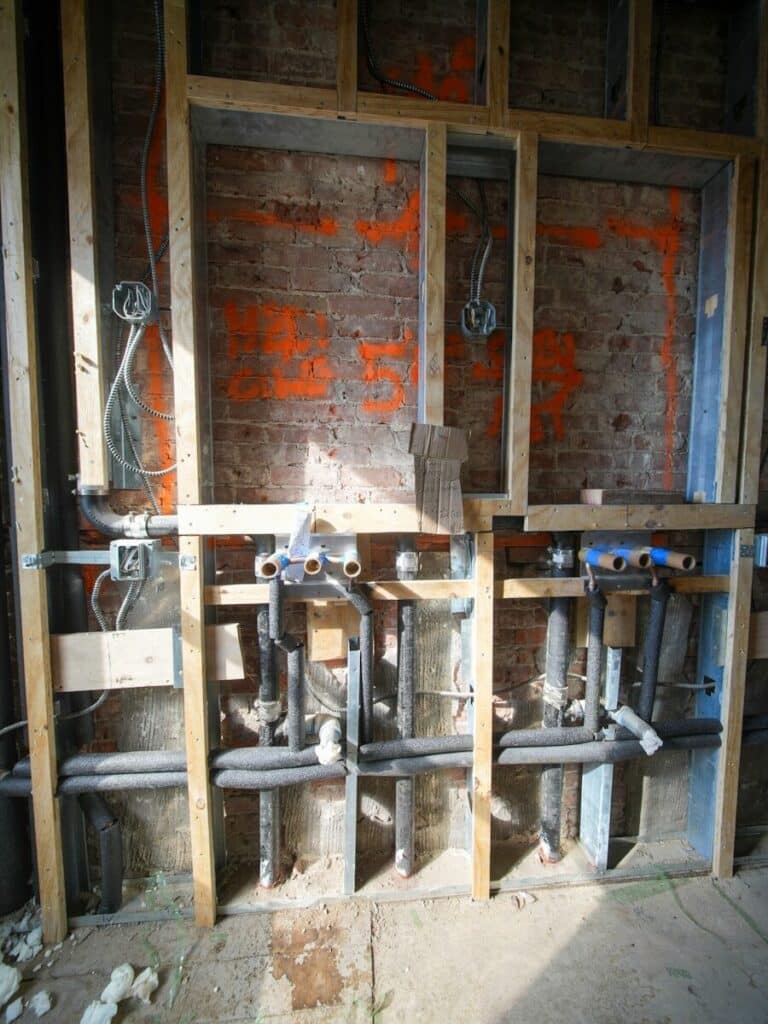
Photo by Olek Buzunov on Unsplash
Need Sewer Pipe Help?
Call MD Sewer & Plumbing Services today or schedule your inspection online for peace of mind!
Helpful Links and Resources for Sewer Pipe Services
- Environmental Protection Agency (EPA) – Wastewater Management: Learn about wastewater treatment processes, regulations, and best practices for maintaining sewer systems. Visit EPA Wastewater Management
- American Society of Civil Engineers (ASCE) – Infrastructure Report Card: Explore the state of the nation’s wastewater infrastructure and recommendations for improvement. Visit ASCE Infrastructure Report Card
- National Association of Sewer Service Companies (NASSCO): Access resources on sewer inspection, rehabilitation, and certification programs for professionals. Visit NASSCO
- Centers for Disease Control and Prevention (CDC) – Wastewater Surveillance: Discover how wastewater monitoring can help track public health trends and prevent contamination. Visit CDC Wastewater Surveillance
- Occupational Safety and Health Administration (OSHA) – Sewer Safety Guidelines: Find safety standards and guidelines for working in and around sewer systems. Visit OSHA Sewer Safety
- Water Environment Federation (WEF): Explore educational materials, training, and advocacy for water quality and wastewater management. Visit WEF
- National Environmental Services Center (NESC): Access technical assistance and resources for small communities managing wastewater systems. Visit NESC
These resources provide valuable information for homeowners, businesses, and professionals involved in sewer pipe services, ensuring safe and efficient wastewater management practices.