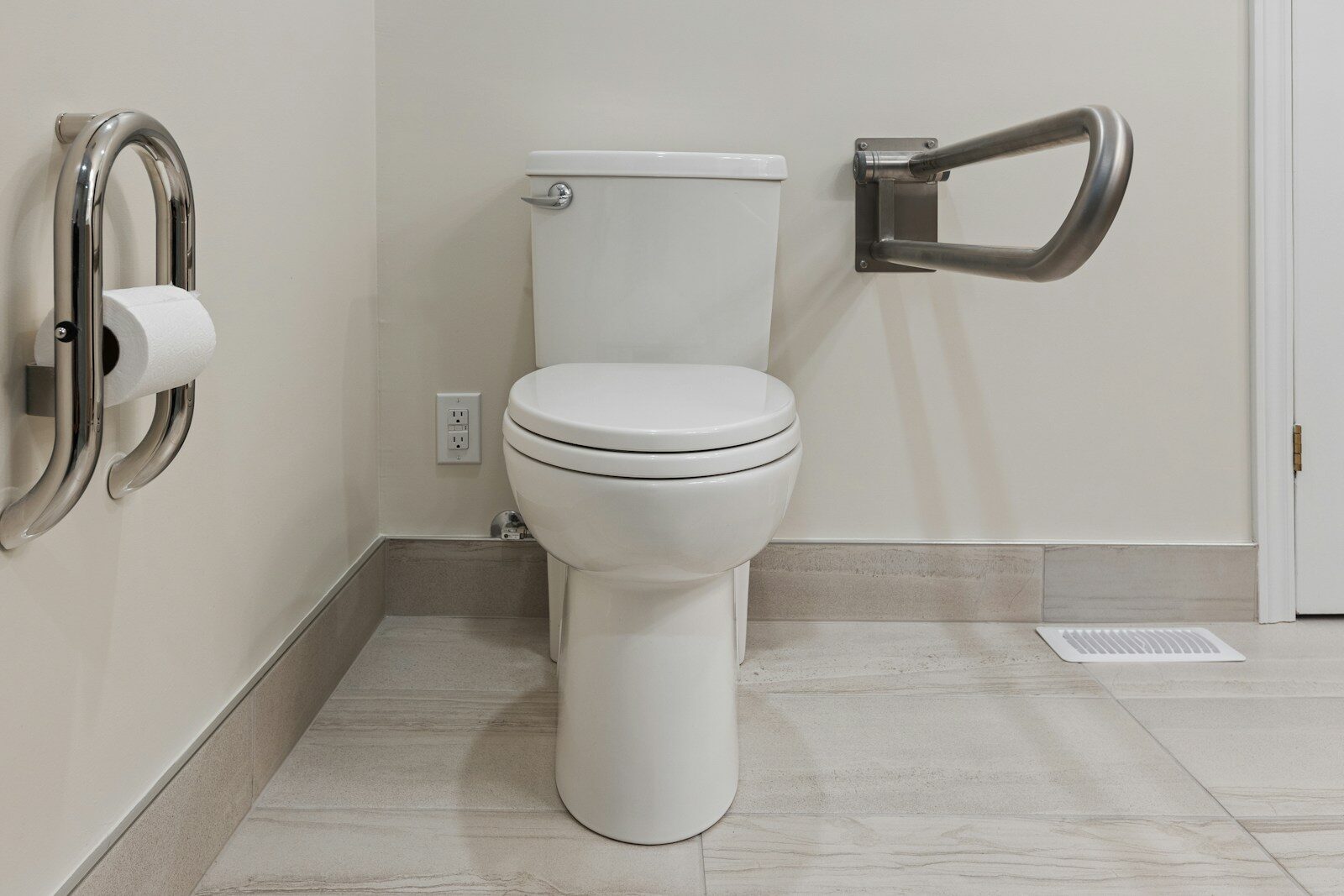
A commercial plumber installs, repairs, and maintains plumbing systems in businesses, office buildings, restaurants, and other commercial properties. Commercial plumbing systems handle heavier usage, larger occupant loads, and stricter code requirements than residential systems—making specialized expertise essential for keeping operations running without costly disruptions.
Reliable plumbing is something most businesses take for granted—right up until something goes wrong. A backed-up drain during the lunch rush. A burst pipe that floods a server room. A failing water heater that shuts down a commercial kitchen before the morning shift. These aren’t just plumbing problems. They’re business problems, and they can cost far more than a repair bill.
Commercial plumbing systems handle a level of daily demand that residential plumbing simply isn’t designed to meet. Multi-story buildings, large fixture counts, high-capacity water heaters, complex drainage networks, grease management systems, and backflow prevention devices all require specialized knowledge to install, maintain, and repair correctly.
Schedule Service Online
Get a free estimate so you know what you're signing up for
"*" indicates required fields
For Emergency Services Call: 410-255-9300
That’s why property managers, business owners, and site managers across Maryland rely on a qualified commercial plumber—not a general residential plumber—when their systems need attention.
At MD Sewer & Plumbing Services, we’ve been serving Maryland communities since 1989. For more than 35 years, our licensed technicians have helped commercial customers prevent disruptions, resolve plumbing problems fast, and keep their properties operating the way they should. Whether you need routine maintenance, a new installation, commercial drain cleaning, or emergency repairs around the clock, our team is ready to respond.
This guide covers everything you need to know about commercial plumbing services: how they differ from residential plumbing, the most common problems businesses face, and how proactive maintenance can protect your property and your bottom line.
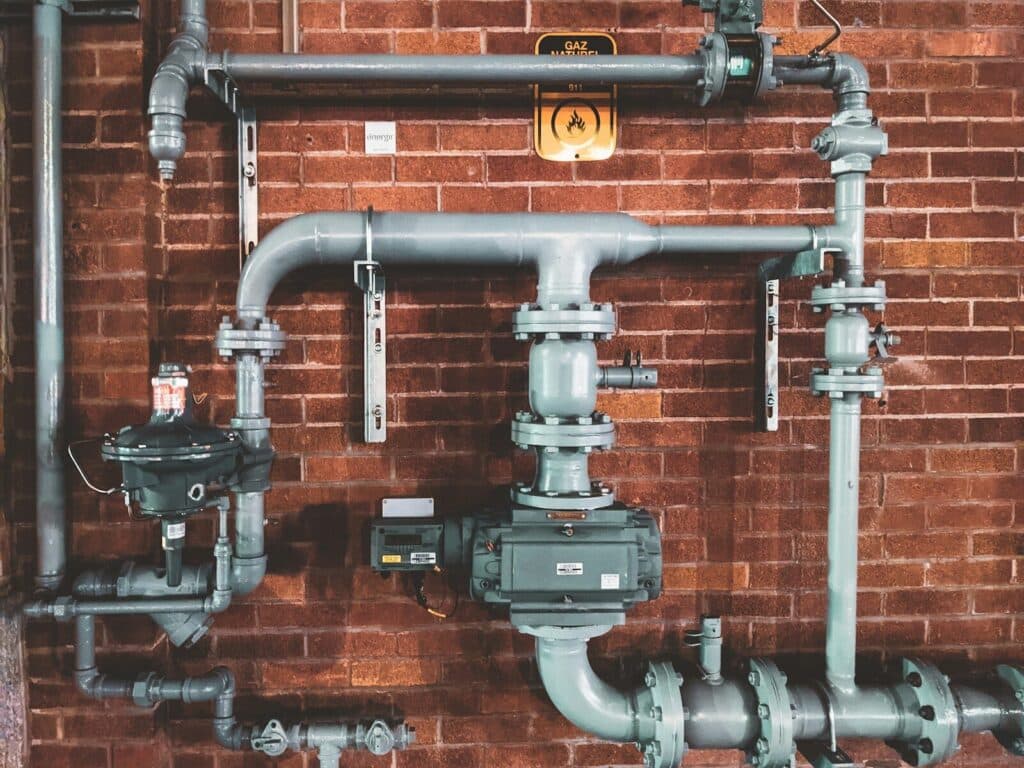
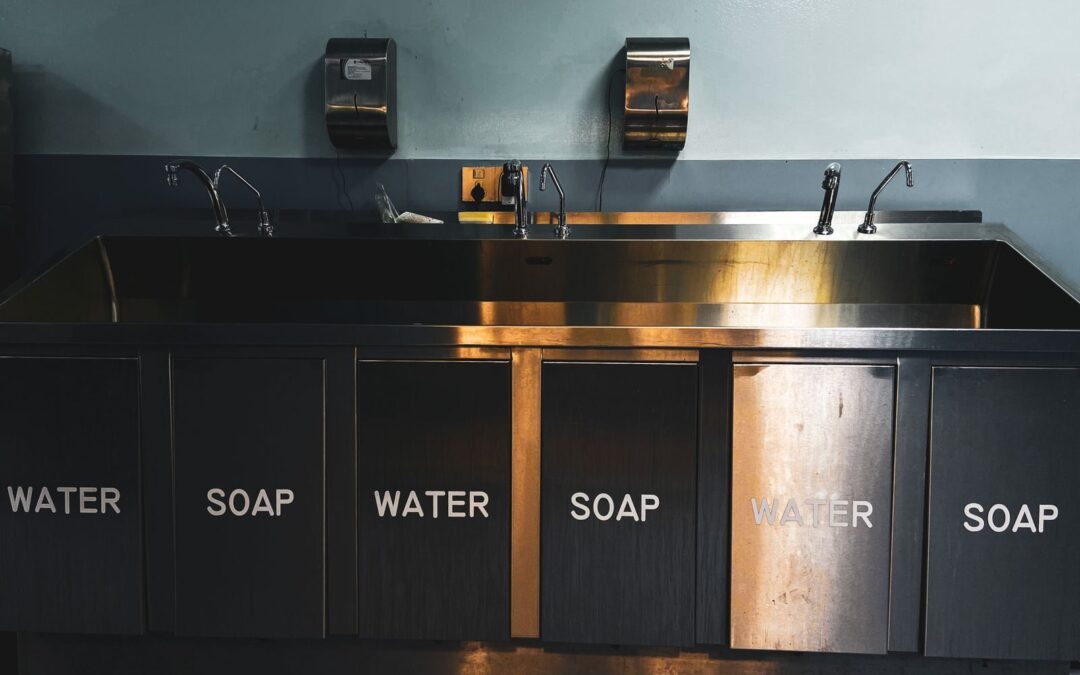
Photo by Compagnons on Unsplash
What Does a Commercial Plumber Do?
How Does Commercial Plumbing Differ From Residential Plumbing?
At first glance, the concept seems similar—pipes, fixtures, drains, water supply. But the differences between commercial plumbing and residential plumbing run deep, and they matter significantly when something goes wrong.
Residential plumbing typically serves a single household with a predictable, limited occupant load. A home might have two or three bathrooms, a kitchen, and a water heater designed for daily use by a small number of people. The layout is usually straightforward, and repairs are relatively contained.
Commercial plumbing systems operate at a completely different scale. An office building, restaurant, hotel, or retail property may serve dozens or hundreds of occupants daily. Greater occupant loads create increased demand on every component of the system—drains, fixtures, water supply lines, hot water systems, and sewer lines all absorb far more use than their residential counterparts.
Commercial systems often require:
- Larger, more extensive piping networks to accommodate higher flow rates and fixture counts
- Complex drainage and venting configurations designed for multi-story or high-occupancy buildings
- Heavy-duty commercial fixtures, including flushometer toilets rather than the tank-style toilets commonly found in homes
- High-capacity commercial water heaters and boilers engineered for sustained, heavy demand
- Grease management systems for food service environments
- Backflow prevention devices to protect the potable water supply
- More sophisticated system layouts that often span multiple floors and utility spaces
Commercial plumbing also involves a significantly higher level of code compliance, inspection, and documentation. Selecting the right commercial plumber—one with direct experience in commercial environments—isn’t just a preference. It’s a practical necessity.
What Commercial Plumbing Codes and Safety Requirements Apply to Businesses?
Commercial plumbing projects face more extensive regulatory requirements than most residential plumbing work, and understanding those requirements is part of what separates a qualified commercial plumber from a general service technician.
The International Plumbing Code (IPC), published by the International Code Council, establishes minimum standards for plumbing systems using both prescriptive and performance-based requirements. Many jurisdictions in Maryland adopt or reference the IPC as part of their local building and plumbing codes. Commercial projects must also address fixture count calculations—the number of toilets, sinks, and other plumbing fixtures required based on occupancy type and building use—which directly affects pipe sizing, drainage requirements, and overall system design.
Accessibility requirements add another layer of complexity. The 2010 ADA Standards for Accessible Design govern plumbing fixture placement, clearances, and configurations in commercial bathrooms and other accessible spaces. Non-compliant installations can create legal exposure for property owners and managers.
Beyond those frameworks, commercial plumbing must coordinate with fire-suppression systems, HVAC requirements, and applicable local ordinances. Professional installation and ongoing compliance protect employees, customers, tenants, and the property itself—while also reducing liability risk.
What Commercial Plumbing Services Do Businesses Need?
Commercial Plumbing Installation and Repairs
We handle a full range of commercial plumbing needs, from day-to-day repairs to new system installations. That includes commercial sinks, toilets, faucets, urinals, floor drains, piping systems, sewer lines, and specialized equipment.
Professional installation matters. Fixtures and piping that are improperly sized or incorrectly installed may appear to work initially, but they create problems over time—restricted flow, premature wear, code violations, and costly repairs. Getting it right from the start is almost always less expensive than correcting it later.
On the repair side, we address water leaks, damaged or deteriorating pipes, malfunctioning fixtures, low water pressure, and other plumbing issues that interfere with daily operations. Speed matters in a commercial environment. The longer a problem persists, the greater its impact on your business.
Why Does Commercial Water Heater Sizing Matter?
Reliable hot water is non-negotiable for restaurants, commercial kitchens, hotels, medical offices, and many other businesses. When a commercial water heater fails—or was never properly sized to begin with—the consequences extend well beyond discomfort.
We install and service high-capacity commercial water heaters and boilers designed for heavy, sustained demand. Choosing the right unit requires careful analysis of peak usage periods, simultaneous fixture demand, recovery rates, and fuel type. A water heater that performs adequately during slow periods may fall short during busy hours, creating operational gaps that affect service quality.
Commercial water heater installation is substantially different from a standard residential replacement. The equipment is larger, the piping connections more complex, and the performance expectations far greater. Our licensed technicians assess your property’s actual hot water needs before recommending equipment, so you’re not left with a system that can’t keep pace.
When Do Commercial Properties Need Gas Line Installation?
Many commercial properties rely on natural gas for cooking equipment, water heating, HVAC systems, and other applications. Gas line installation—or modification of existing gas infrastructure—requires licensed plumbers with up-to-date knowledge of applicable safety codes and local requirements.
This is not a project category where experience shortcuts are acceptable. Incorrect gas line work creates serious safety hazards, potential liability, and regulatory violations. Our licensed technicians handle commercial gas line work with the precision and care the task demands, from permitting through final inspection.
What Sewer Line Services Do Commercial Properties Require?
A sewer problem in a commercial property affects the entire building—not just one tenant or space. Sewer backups, recurring clogs, cracked or corroded lines, and root intrusion can render restrooms and kitchen facilities unusable, creating health code concerns and potential forced closures.
We use video inspection cameras to evaluate the interior condition of commercial sewer lines, identifying cracks, obstructions, root intrusion, and corrosion without unnecessary excavation. When pipes are damaged, trenchless pipe relining offers a minimally disruptive repair method for qualifying pipe configurations—restoring structural integrity without the timeline and disruption of full excavation.
Commercial Drain Cleaning: Solving One of the Most Common Business Plumbing Problems
Why Are Clogged Drains Such a Common Commercial Plumbing Problem?
Clogged drains are among the most frequently reported commercial plumbing problems, and the reason is straightforward: commercial drains absorb far more daily use than residential drains. Debris accumulates faster, and without regular professional cleaning, partial restrictions develop into complete blockages.
The buildup process is gradual. Soap residue, food particles, paper products, grease, hair, and other materials collect on pipe walls with each passing week. A slow drain is an early warning sign. Left unaddressed, it becomes a backup—and in high-use commercial environments, backups create unsanitary conditions, unpleasant odors, and immediate operational disruptions.
According to the EPA’s WaterSense program, restaurants and hotels each account for approximately 15% of total water use in commercial and institutional facilities, while office buildings account for around 9%. That volume of daily water flow through commercial drain systems underscores why regular maintenance is not optional—it’s essential.
Why Do Restaurant Kitchens Have Unique Drain Problems?
Food service environments present drain challenges that go well beyond what standard commercial cleaning can address. In a restaurant kitchen, fats, oils, and grease (FOG) are introduced into the drainage system constantly. They may flow easily at cooking temperatures, but once they cool inside pipes, they solidify and accumulate—progressively narrowing the drain until flow is severely restricted or completely blocked.
Grease traps are installed to capture FOG before it reaches the sewer system, but they require regular maintenance to function properly. An undersized, neglected, or improperly maintained grease trap is a liability—both for the drain system and for regulatory compliance. Recurring drain problems in commercial kitchens can contribute to sanitation concerns and health code violations that put operating licenses at risk.
Regular professional drain cleaning, combined with proper grease trap maintenance, keeps restaurant plumbing performing reliably between inspections.
How Does Hydro-Jetting Work for Commercial Drain Cleaning?
Hydro-jetting uses high-pressure water—delivered through a specialized nozzle—to clear blockages and scour buildup from the interior walls of drain pipes. Unlike mechanical snaking, which may dislodge a clog without fully clearing the pipe, hydro-jetting thoroughly removes grease, scale, debris, and sediment that accumulates over time.
The process is highly effective for commercial drain cleaning because it addresses the root cause of recurring blockages rather than just clearing the immediate obstruction. After hydro-jetting, drain lines flow more freely and are less susceptible to rapid re-clogging.
Hydro-jetting is not appropriate for every situation. Before recommending it, our technicians assess pipe condition to confirm the lines can withstand the pressure. A camera inspection may be performed first to identify any pre-existing damage that could be aggravated by high-pressure cleaning.
Clear Your Drains Today. Request Service →
Photo by David Glessner | Photographer & Director on Unsplash
Common Commercial Plumbing Problems We Help Resolve
What Causes Commercial Drain Clogs and Sewer Backups?
The most common warning signs of a developing commercial drain or sewer problem include slow drains, recurring odors, gurgling sounds from fixtures, standing water, and repeated backups at floor drains or toilets. These symptoms rarely appear suddenly—they typically develop over weeks or months as buildup accumulates or pipe conditions deteriorate.
Early service is consistently less disruptive and less expensive than emergency intervention. A blockage that causes a slow drain today can become a complete backup that closes restrooms tomorrow. We recommend addressing warning signs promptly rather than waiting to see if conditions improve on their own.
How Can Hidden Water Leaks Affect a Commercial Property?
Hidden water leaks are a significant financial risk for commercial properties. A slow leak inside a wall or ceiling may go unnoticed for months, quietly increasing water consumption and operating costs while damaging structural materials, flooring, inventory, and equipment.
The EPA’s WaterSense program estimates that household leaks alone waste nearly 900 billion gallons of water annually nationwide. Commercial properties, with their larger and more complex plumbing systems, carry proportionately significant leak risk. Unexplained increases in water usage are one of the clearest signals that a hidden leak may be present.
We use electronic leak detection methods to locate certain hidden leaks without invasive guesswork—pinpointing the source so repairs are targeted, efficient, and minimally disruptive.
What Causes Commercial Water Pressure Problems?
Excessively high or low water pressure affects fixture performance, equipment operation, and occupant experience. Low pressure can mean inadequate flow at restroom sinks or insufficient delivery to kitchen equipment. High pressure accelerates wear on fixtures, fittings, and appliances—and increases the risk of pipe joint failures.
Pressure problems sometimes indicate a larger underlying issue, such as a failing pressure-reducing valve, a partially closed isolation valve, a developing leak, or problems within the municipal supply. Professional diagnosis identifies the actual cause rather than masking symptoms with temporary adjustments.
What Is Backflow, and Why Does It Matter for Commercial Properties?
Backflow occurs when the normal direction of water flow reverses—allowing potentially contaminated water to re-enter the potable water supply. Two primary mechanisms cause backflow in commercial systems: back-pressure (when downstream pressure exceeds supply pressure) and back-siphonage (when negative pressure draws water backward from the private system into the public supply).
According to the Certified Commercial Property Inspectors Association (CCPIA), the EPA holds local water suppliers responsible for maintaining potable water purity, which is why state regulations and local municipalities require backflow preventers to be installed in most types of commercial properties. Backflow preventers are commonly required at each cross-connection point in apartments, food establishments, and most public and commercial facilities.
Backflow prevention programs typically require an annual inspection by a certified backflow prevention inspector, an annual test by a certified backflow prevention tester, and a plumbing permit for initial installation or relocation. Our licensed technicians handle backflow testing and documentation to keep your property in compliance with applicable local authority requirements.
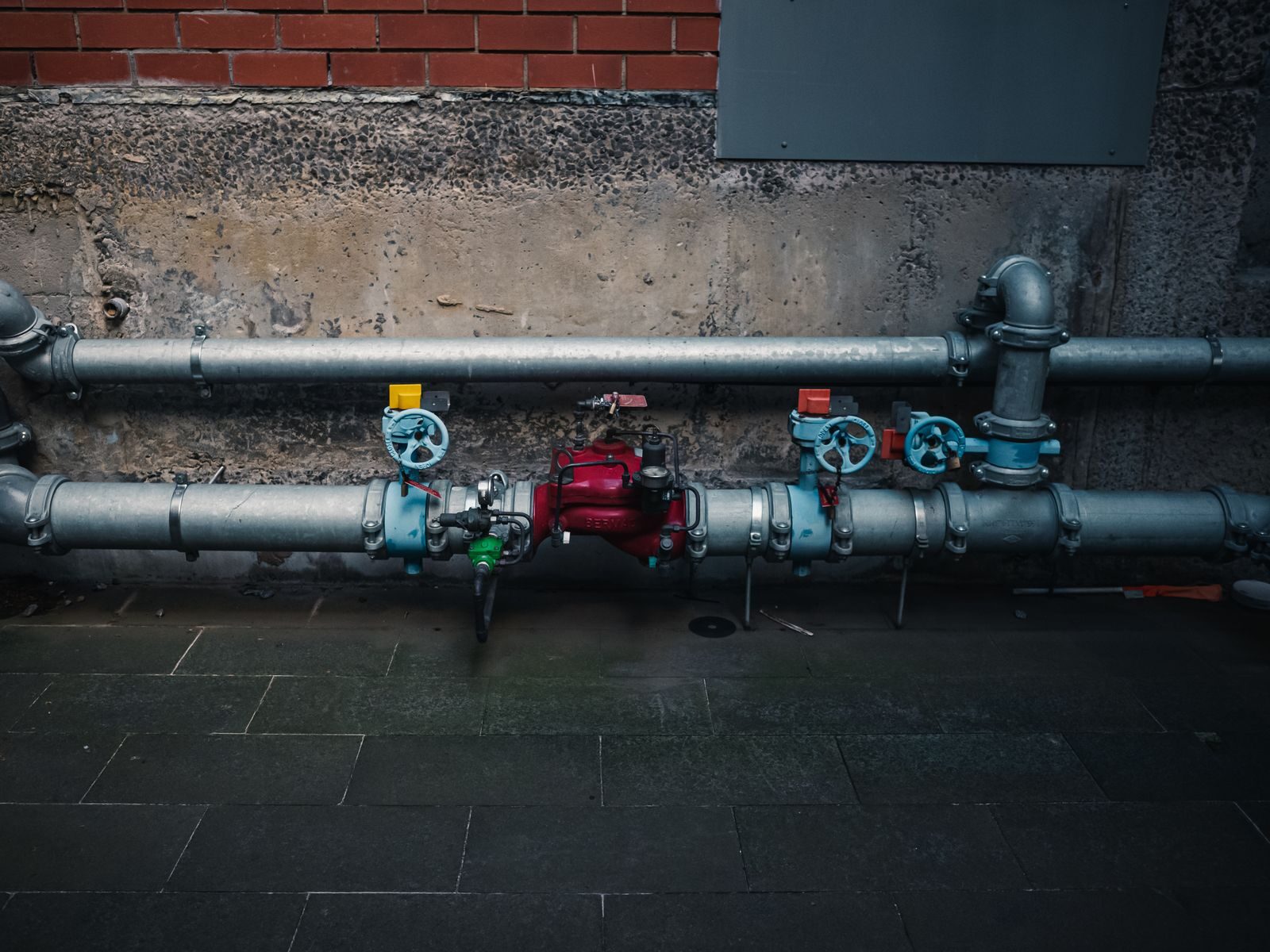
Photo by Sonny Sixteen on Pexels
Why Preventive Commercial Plumbing Maintenance Matters
How Can Preventive Maintenance Help Businesses Avoid Costly Breakdowns?
Commercial plumbing systems are under stress every day. Fixtures cycle constantly, drains carry heavy loads, and equipment runs for long hours. Preventive maintenance identifies the warning signs of developing problems—minor corrosion, slow drains, pressure irregularities, aging equipment—before they escalate into failures that disrupt operations.
The math is straightforward. An emergency repair during business hours costs more than a scheduled maintenance visit. Equipment that fails prematurely costs more to replace than equipment that’s inspected and serviced regularly. Preventive maintenance isn’t an added expense—it’s a cost-reduction strategy.
Property managers and site managers who schedule routine plumbing maintenance consistently report fewer unexpected plumbing emergencies and more predictable maintenance budgets. That kind of reliability matters when you’re managing a property that can’t afford downtime.
What Does a Commercial Plumbing Inspection Cover?
Regular plumbing inspections give property managers and business owners a clear picture of system condition. Our technicians assess drains, piping, water heaters, fixtures, valves, sewer components, and other relevant systems—looking for corrosion, leaks, drainage restrictions, and signs of equipment deterioration.
When internal pipe conditions need to be evaluated, video inspection cameras provide direct visibility inside drain and sewer lines. A camera inspection can reveal root intrusion, pipe displacement, accumulated scale, or corrosion that would be impossible to detect from the outside. Catching those conditions early allows for planned repairs rather than emergency responses.
For commercial properties with backflow prevention devices, we document inspection results and testing outcomes in accordance with applicable program requirements.
What Do Customized Plumbing Maintenance Plans Include?
No two commercial properties have identical plumbing demands. A restaurant kitchen has very different maintenance requirements than an office building, a retail space, or a medical facility. Applying a one-size-fits-all maintenance schedule often leaves critical systems under-serviced or over-serviced.
We develop customized maintenance plans based on property type, equipment, occupancy load, and known risk factors. Grease trap management, drain cleaning frequency, water heater service intervals, backflow testing schedules, and sewer line inspections are all calibrated to your specific property—not a generic template.
Scheduled service means fewer surprises. Property managers who maintain a consistent plumbing service relationship with our team benefit from technicians who are already familiar with their systems, their history, and their recurring concerns.
The EPA’s WaterSense Commercial Buildings program also notes that commercial and institutional facilities are the second largest consumer of publicly supplied water in the U.S., accounting for 17% of withdrawals from public water supplies. Proactive plumbing maintenance—including leak detection and fixture upgrades—directly supports water efficiency goals and can reduce operating costs over time.
Emergency Plumbing Services for Commercial Properties
What Qualifies as a Commercial Plumbing Emergency?
Some plumbing problems cannot be scheduled for next-week service. When a plumbing failure threatens the safety, hygiene, or continued operation of a commercial property, it requires immediate professional response.
Common commercial plumbing emergencies include:
- Burst or ruptured pipes releasing water into occupied or active areas
- Major water leaks threatening equipment, inventory, or structural materials
- Sewer backups affecting restrooms or kitchen facilities
- Severe drain blockages causing standing water or contamination
- Loss of essential plumbing service affecting building operations
- Water heater failures impacting hot water availability for food service, cleaning, or occupant needs
Uncontrolled water spreads faster than most people expect. A few minutes of delay in shutting off a supply line or calling for emergency service can mean the difference between a manageable repair and an extensive remediation project.
Why Do Fast Emergency Repairs Matter to Commercial Businesses?
A commercial plumbing emergency does more than damage property—it interrupts operations, displaces employees and customers, and generates costs that extend well beyond the plumbing repair itself. A restaurant forced to close for even a single service because of a sewer backup loses revenue that can’t be recovered. A property manager dealing with a burst pipe faces tenant disruption, water damage claims, and reputational risk simultaneously.
Fast emergency response matters because the cost of the emergency grows with every hour it goes unaddressed. Our team is available 24/7 for urgent commercial plumbing repairs. Depending on the situation and location, emergency response can be immediate or within hours—with licensed technicians arriving ready to diagnose, contain, and resolve the problem.
How Is Emergency Commercial Drain Cleaning Handled?
When a severe drain blockage has progressed to a genuine emergency—sewage backing up into kitchen or restroom spaces, complete loss of drainage function, or health-code concerns—the response needs to be fast and effective.
High-pressure hydro-jetting is one method our technicians deploy for clearing significant commercial drain blockages when pipe conditions are appropriate. It cuts through heavy grease accumulation, dislodges debris, and restores full flow quickly. Restoring proper drainage fast reduces contamination risk and helps get your property back to normal operation as quickly as possible.
How Do You Choose the Right Commercial Plumbing Company?
Why Should You Choose a Plumber With Commercial Experience?
Commercial plumbing work requires knowledge and capabilities that go well beyond standard residential service. The systems are larger, the code requirements more complex, the equipment heavier-duty, and the stakes higher when something goes wrong during operating hours.
When evaluating commercial plumbing companies, look for demonstrated experience with:
- Commercial plumbing systems and multi-occupancy buildings
- Heavy-duty fixtures, flushometers, and commercial equipment
- Complex multi-floor piping layouts
- Commercial drainage and sewer systems
- Applicable plumbing codes and accessibility requirements
- Emergency response and same-day service
- Preventive and ongoing maintenance programs
Maryland’s licensing requirements are significant—a master plumber must have held a journeyman license for at least two years and completed 3,750 hours of qualified training before receiving that credential. When you’re trusting someone with a complex commercial plumbing system, verifying licensure is a reasonable and important step.
What Advantages Does a Full-Service Commercial Plumbing Company Offer?
Working with a commercial plumbing company capable of handling installations, repairs, drain cleaning, sewer services, backflow testing, maintenance, and emergencies—all under one roof—offers real practical advantages.
Continuity of service matters. A company that has worked on your property over time develops familiarity with your systems, understands the recurring concerns, and can make faster, more accurate diagnoses when problems arise. For property managers overseeing multiple buildings or systems, that institutional knowledge is valuable.
It also simplifies vendor management. One trusted plumbing partner, one point of contact, one established service relationship—that’s more efficient than coordinating multiple specialized contractors for different aspects of your plumbing system.
Why Should Transparent Pricing and Dependable Scheduling Be Non-Negotiable?
Businesses and property managers depend on predictable costs and reliable scheduling. Surprise fees, unclear scopes of work, and missed service windows create operational headaches on top of the plumbing problems themselves.
We operate with upfront, transparent pricing—no hidden charges and no surprises when the invoice arrives. Our free estimates give property managers and business owners clear information before work begins, making budget planning straightforward. And because we understand that commercial downtime has real costs, responsive scheduling and reliable communication are built into how we work, not treated as extras.
Why Maryland Businesses Choose MD Sewer & Plumbing Services
Since 1989, MD Sewer & Plumbing Services has been the plumbing company Maryland businesses call when reliability matters. As a family-owned operation serving Pasadena and the surrounding communities for more than 35 years, we’ve built our reputation on honest service, skilled technicians, and the kind of straightforward communication that keeps customers coming back.
Our licensed technicians bring deep expertise across the full range of commercial plumbing services—from routine maintenance and drain cleaning to complex sewer repairs and emergency response. We use advanced diagnostic tools, including video inspection cameras and electronic leak detection equipment, to identify problems accurately and resolve them efficiently.
What sets us apart isn’t just technical capability. It’s the way we work. We treat commercial customers like neighbors, not service call numbers. We show up when we say we will. We explain what we find and what we recommend, in plain language, before any work begins. And when emergencies happen—because they do—we’re available 24 hours a day, 7 days a week, including weekends and holidays.
Free estimates, easy online scheduling, and upfront pricing make the process simple. Whether you need a one-time repair or ongoing maintenance support for your commercial property, our team is ready to be the plumbing partner your business can count on.
Experience the Difference of Family-Owned Service. Request Your Free Estimate →
Keep Your Commercial Plumbing—and Your Business—Running Smoothly
Commercial plumbing systems are complex, heavily used, and held to a higher standard than residential plumbing in almost every measurable way. They require specialized expertise to install correctly, ongoing attention to operate reliably, and fast professional response when problems arise.
Routine maintenance extends the lifespan of your equipment and fixtures. Regular inspections catch developing problems before they become emergency repairs. Commercial drain cleaning prevents the gradual buildup that turns slow drains into full backups. Backflow testing keeps your water supply compliant and safe. And when something urgent does happen, 24/7 emergency service means the disruption gets controlled quickly.
Waiting for a small problem to resolve itself rarely works out in a commercial environment. A dripping fitting, a sluggish drain, or an aging water heater that’s running less efficiently than it should—these are signals, not inconveniences to defer.
At MD Sewer & Plumbing Services, we help Maryland businesses address plumbing concerns at the right time, with the right solution, and at a price they can plan for. Reach out today and let us show you what 35 years of trusted plumbing service looks like in practice.
Frequently Asked Questions About Commercial Plumbers
What is a commercial plumber?
A commercial plumber specializes in installing, repairing, inspecting, and maintaining plumbing systems in businesses, office buildings, restaurants, retail spaces, and other commercial properties. Commercial plumbing systems typically involve higher daily usage, larger and more complex equipment, specialized commercial fixtures, more extensive piping networks, and stricter code and safety requirements than residential plumbing systems. A qualified commercial plumber must understand those differences and have direct experience working in commercial environments.
What are the three types of plumbers?
Plumbers are commonly categorized by the type of work they perform. The three primary categories are residential plumbers (who service single-family homes and small multi-unit properties), commercial plumbers (who work in businesses, office buildings, restaurants, and other commercial facilities), and industrial plumbers (who handle large-scale systems in manufacturing plants, processing facilities, and other industrial settings). Some licensed plumbers work across more than one category, and some companies—like MD Sewer & Plumbing Services—serve both residential and commercial clients.
What type of plumber is paid the most?
Plumber compensation varies significantly based on licensing level, specialization, geographic location, years of experience, employer type, and whether the individual operates their own business. Specialized commercial and industrial work, supervisory roles, and advanced licenses such as master plumber generally command higher compensation. However, no single category is universally the highest-paid—market conditions, local demand, and individual expertise all play meaningful roles in earning potential.
What is the highest level of plumber?
Licensing titles and structures vary by jurisdiction, but master plumber is widely considered the highest traditional plumbing license. In Maryland, the path to a master plumber or master gas fitter license requires the applicant to have held a journeyman plumber license for at least two years and to have completed 3,750 hours of qualified training, according to the Maryland Department of Labor’s licensing requirements. Master plumbers can typically obtain permits, supervise licensed plumbers, and take legal responsibility for the work performed under their license.