A sewer backup happens when wastewater can’t exit through your home’s main sewer line and flows back into sinks, tubs, and drains instead. Common causes include grease buildup, tree root intrusion, aging pipes, flushed debris, and heavy rainfall overwhelming municipal systems. If it happens to you, stop using water immediately, avoid contact with the sewage, and call a licensed plumber to inspWect the line.
A sewage backup emergency ranks among the most stressful plumbing emergencies a homeowner can face. One minute you’re running the dishwasher; the next, you’re watching water rise in your bathtub or bubble up through a floor drain you forgot existed. It’s messy, it smells awful, and if it’s not handled quickly, it can cause thousands of dollars in damage.
There’s an important distinction to understand here. A single clogged sink or slow-draining toilet is usually a localized issue. But when multiple fixtures back up at once—especially lower-level drains, basement drains, or a floor drain—the sewer system issues are often much bigger than a simple clog. It typically points to an issue with the main sewer line, the pipe responsible for carrying all of your home’s wastewater to the municipal system or septic tank.
Schedule Service Online
Get a free estimate so you know what you're signing up for
"*" indicates required fields
For Emergency Services Call: 410-255-9300
I’ve spent over 35 years serving homeowners throughout Pasadena and the surrounding Maryland communities, and sewer backups are one of the calls we take most seriously. They’re not just inconvenient. They create water damage, encourage mold growth, and expose your family to serious health hazards. In this guide, I’ll walk you through what causes a sewer backup, the warning signs to watch for, what to do the moment one occurs, and how to prevent it from happening again.
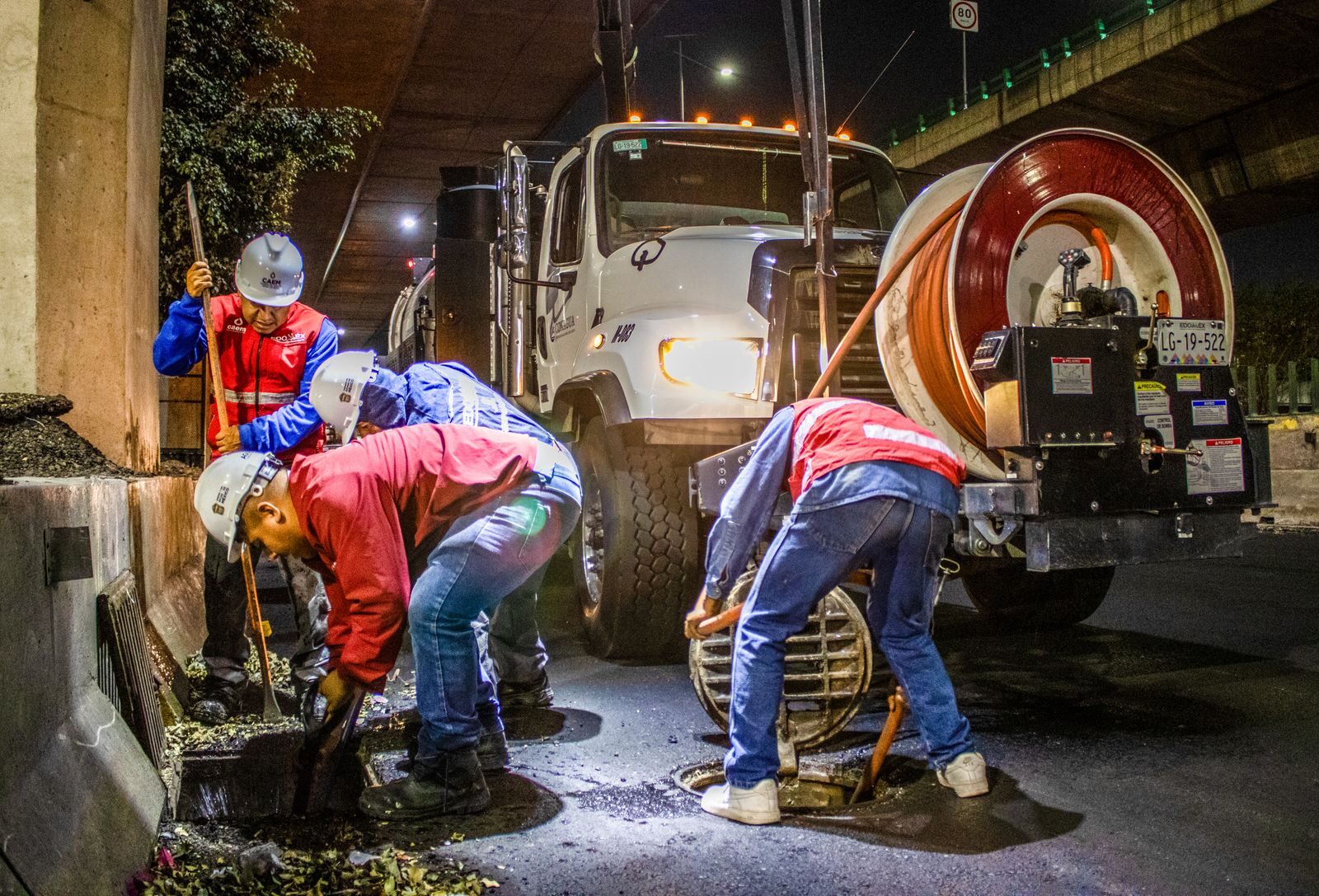
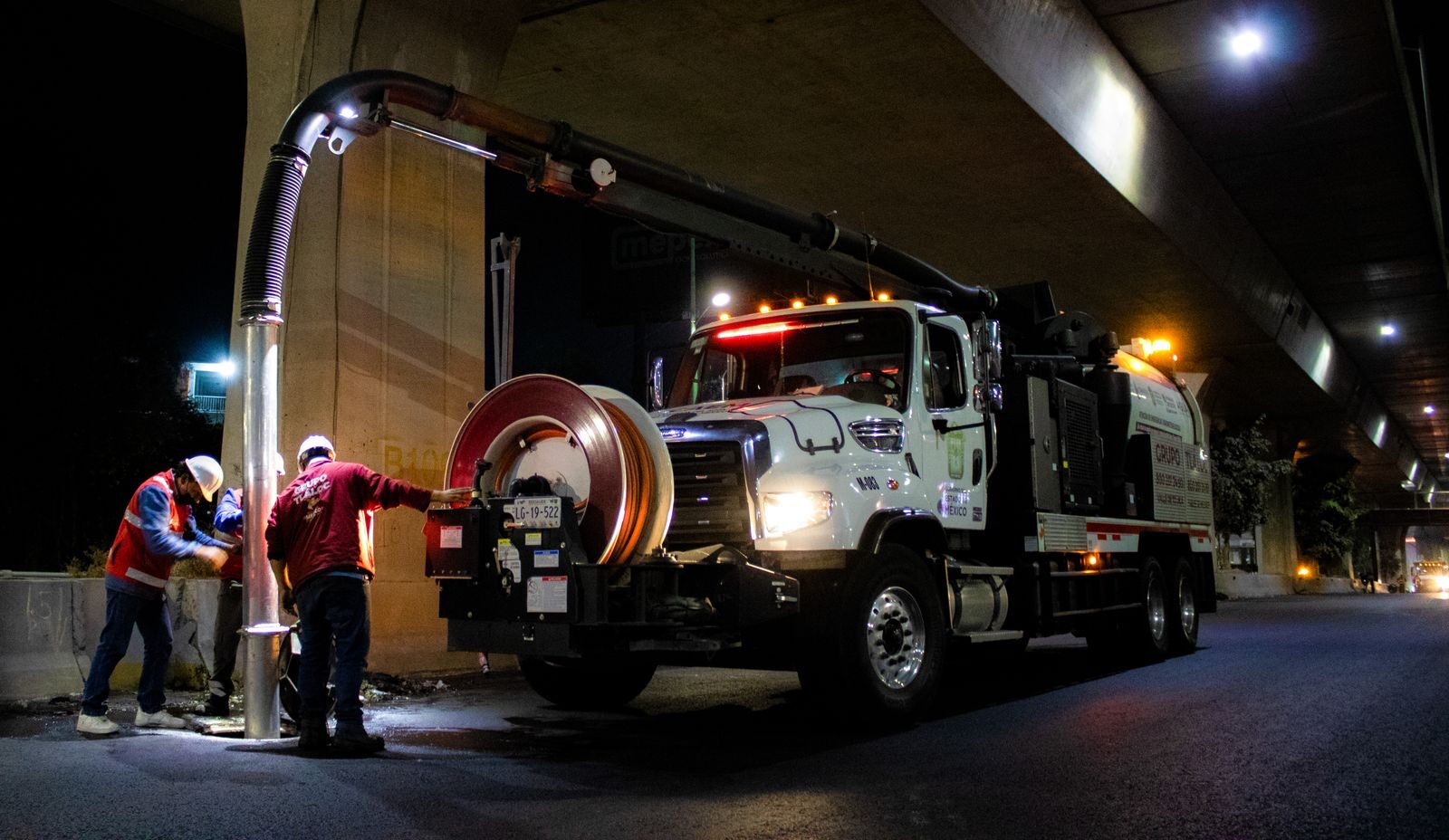
Photo by JESUS ADRIÁN SAAVEDRA on Pexels
What Is a Sewer Backup?
A sewer backup occurs when wastewater that should be flowing away from your home instead flows backward into it. Under normal conditions, water and waste travel from your fixtures through your home’s drain lines, into the main sewer line, and out to the municipal sewer system or septic tank. When something blocks or restricts that path, pressure builds inside the pipe. That pressure has to go somewhere, and unfortunately, the path of least resistance is often back up through your home’s lowest drains.
This is why basements and lower-level bathrooms are usually the first places to show signs of trouble. The water that comes back isn’t clean. It’s raw sewage, sometimes called black water, and it can carry harmful bacteria, viruses, and other pathogens. According to the EPA, the key to preventing the mold growth that often follows water intrusion is controlling moisture quickly and thoroughly.
What Are the Most Common Causes of a Sewer Backup?
Sewer backups rarely happen for just one reason. More often, it’s a combination of buildup, damage, and time. Here are the culprits I see most often in Maryland homes.
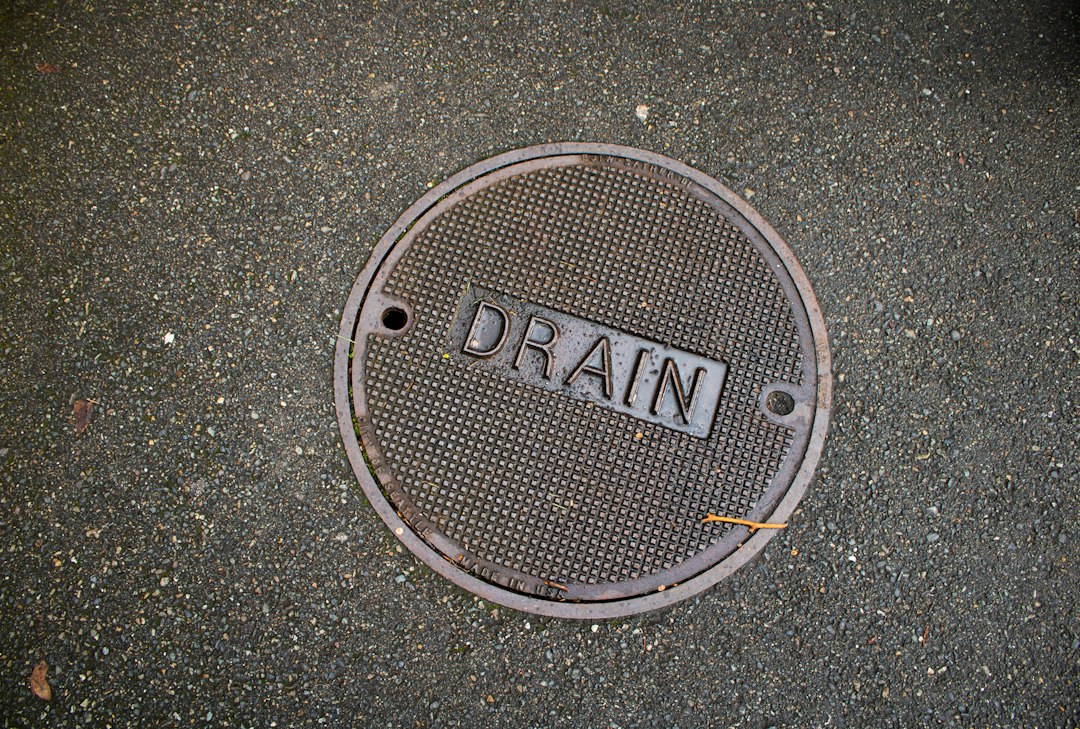
Severe Drain Blockages In The Main Sewer Linedrains
Toilet paper is designed to break down in water. Most other things flushed down a toilet are not. Wipes (even ones labeled “flushable”), paper towels, feminine hygiene products, and other debris don’t dissolve the way toilet paper does. Over time, these items accumulate inside the main sewer line and create a blockage that stops wastewater in its tracks.
Grease Buildup Inside Sewer Pipes
Cooking grease, oils, and fats might go down the drain as a liquid, but they don’t stay that way. As they cool inside your pipes, they harden into a waxy substance that clings to the interior walls, gradually narrowing the passage for wastewater. Combined with soap scum, this buildup is one of the most common causes of sewer blockages nationwide.
According to municipal public works data, accumulated grease causes approximately 70% of sewer overflows in Houston. While that figure comes from one city, it reflects a pattern plumbers see across the country: grease is a leading cause of sewer backups regardless of location. The fix is simple. Let grease cool, scrape it into the trash, and never pour it down the drain. The EPA offers additional guidance on properly disposing of household grease and other waste.
Tree roots are relentless in their search for water, and an underground sewer pipe—especially an older one with small cracks or loose joints—is an attractive target. Once a root finds its way in, it grows, spreads, and gradually breaks the pipe apart from the inside. What starts as a hairline crack can eventually become a collapsed section of pipe. This is one of the reasons camera inspections are so valuable. They let us see root intrusion before it becomes a full collapse, so we can address it with root removal or hydro jetting instead of a full pipe replacement.
Aging Pipes
Homes with cast iron, clay, or Orangeburg pipes face a higher risk of sewer backups simply due to age. These materials corrode, crack, and shift over the decades, restricting flow and allowing groundwater to seep in. If you live in one of the many older homes throughout Pasadena and the surrounding area, aging pipes are worth having inspected, even if you haven’t noticed a problem yet.
Heavy Rain and Sewer System Overload
Sometimes, a sewer backup isn’t caused by anything happening inside your home at all. During periods of heavy rainfall, municipal sewer systems can become overwhelmed with stormwater, pushing wastewater back through residential lines. This is particularly common in older neighborhoods where storm drains and sewer lines share infrastructure. The National Weather Service offers useful guidance on preparing for and responding to flood conditions that can contribute to this kind of backup.
What Are the Early Warning Signs of a Sewer Backup?
Sewer backups rarely happen without warning. Catching the signs early can mean the difference between a simple drain cleaning and a full sewage cleanup. Watch for:
- Multiple drains running slowly at the same time
- Gurgling sounds coming from toilets or drains
- Toilets bubbling when you run water elsewhere in the house
- Water appearing in shower or tub drains when you flush a toilet
- Water or sewage backing up through a basement or floor drain
- Persistent sewage smells inside the home
- Frequent clogs that keep coming back no matter how often you clear them
If you notice more than one of these signs at the same time, it’s time to call a professional rather than wait it out.
What Should You Do During a Sewer Backup?
If you’re dealing with an active sewer backup, here’s exactly what to do.
Step 1: Stop All Water Use Immediately
Don’t flush toilets, run the dishwasher, start a load of laundry, or take a shower. Every drop of water you send down a drain adds more pressure to an already overwhelmed plumbing system.
Step 2: Keep Everyone Away From the Affected Area
Children and pets are especially vulnerable to the bacteria and pathogens found in raw sewage. Keep them out of any room where backup has occurred until it’s been properly cleaned and disinfected.
Step 3: Avoid Direct Contact With the Sewage
If you need to be near the affected area, wear rubber gloves and boots. Raw sewage backups carries harmful bacteria and viruses that can cause serious illness.
Step 4: Document the Damage
Take photos and videos of the affected areas and any damaged belongings before you begin cleanup. This documentation will be essential if you need to file an insurance claim.
Step 5: Remove Standing Water as Quickly as Possible
The longer water sits, the more likely you are to deal with mold, mildew, and structural damage. If it’s safe to do so, begin removing standing water right away.
Step 6: Disinfect Thoroughly
Standard cleaning products often aren’t enough after sewage exposure. Use an EPA-registered disinfectant to properly sanitize affected surfaces.
Step 7: Call a Professional Plumber
Even if you’ve managed the immediate mess, the underlying cause of the backup still needs to be identified and fixed. This is where a camera inspection becomes invaluable.

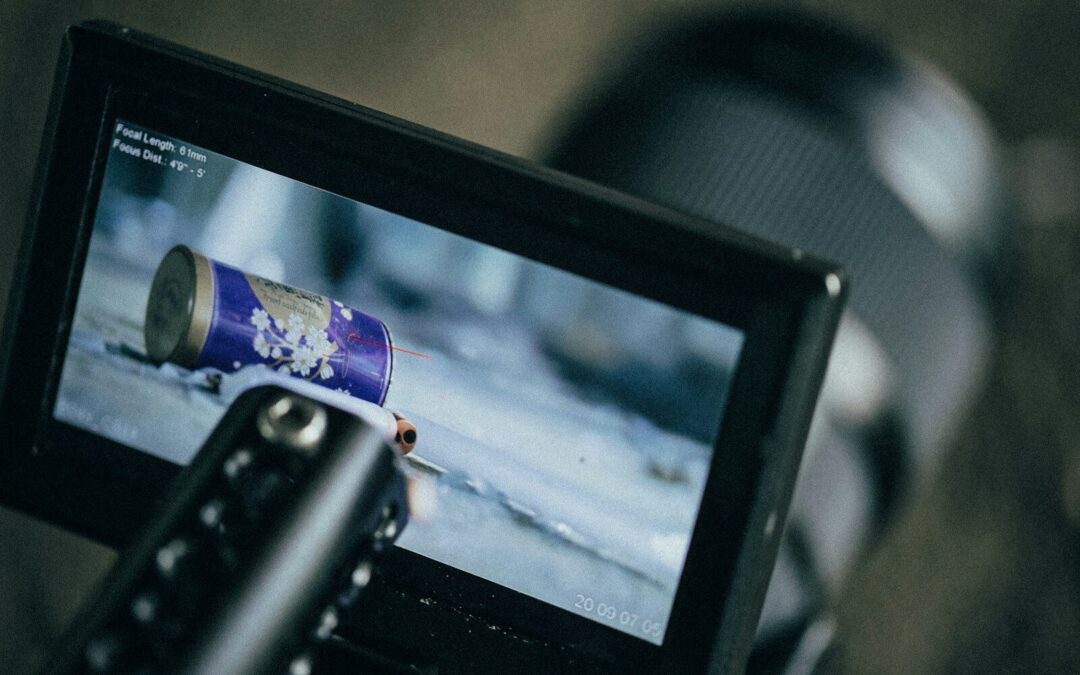
Photo by David Glessner | Photographer & Director on Unsplash
Why Is a Camera Inspection Better Than Guessing?
I can’t tell you how many times I’ve met a homeowner who’s snaked the same drain three or four times, only for the clog to return a few weeks later. Snaking treats the symptom, not the cause. A camera inspection lets us see exactly what’s happening inside the pipe: root intrusion, a collapsed section, an offset joint, grease buildup, or a foreign object lodged somewhere a snake can’t reach. Once we know the actual cause, we can recommend the right fix instead of a temporary one.
How Do We Diagnose Sewer Backup Problems?
When a homeowner calls us about a sewer backup, our first step is almost always a sewer camera inspection. This lets us pinpoint the exact cause and location of the problem before recommending a solution. Depending on what we find, that might mean drain cleaning, hydro jetting, root removal, a targeted pipe repair, or in some cases, pipe lining or replacement. Our goal is always to determine what’s actually needed. We won’t recommend a full pipe replacement if a thorough hydro jetting will solve the problem.
How Can You Prevent Future Sewer Backups?
A little prevention goes a long way with sewer lines. Here’s what I recommend to every homeowner:
- Use drain strainers in sinks and tubs to catch hair and debris before they enter the pipe.
- Dispose of grease in the trash, never down the drain.
- Never flush wipes, paper towels, feminine products, or cotton swabs, even if the packaging says “flushable.”
- Schedule regular maintenance so small problems get caught before they become expensive ones.
- Replace aging pipes before they fail rather than after.
- Install a backwater valve, a device that prevents sewage from flowing back into your home during a municipal system backup. FEMA offers helpful resources on protecting your home from flood-related risks, including backups tied to heavy rain.
- Know where your cleanout cap is. This access point makes diagnosing and clearing main line issues much faster.
Why Does Sewer Backup Cleanup Often Require Professional Restoration?
Because raw sewage contains contaminated, or “black,” water, proper cleanup involves more than mopping up the mess. It requires water extraction, thorough drying, disinfection, and odor removal to prevent mold growth and ensure the space is genuinely safe again. For significant exposure, it’s worth hiring a restoration company whose technicians are certified by the Institute of Inspection, Cleaning and Restoration Certification (IICRC), the organization that sets nationally recognized standards for cleaning and restoration work.
Does Homeowners Insurance Cover Sewer Backups?
This catches a lot of people off guard: standard homeowners insurance typically does not cover sewer backup damage. According to the Insurance Information Institute, sewer and water backup coverage usually needs to be added as a separate endorsement to your policy. If you’ve never checked whether you have this coverage, it’s worth a call to your insurance agent today, before you ever need it.
Why Do Homeowners Trust Us for Sewer Backup Solutions?
At MD Sewer & Plumbing Services, we’ve been helping homeowners throughout Pasadena and the surrounding Maryland communities for more than 35 years. We’re a family-owned business, and we treat every customer like a neighbor, not just a service call. That means honest, upfront pricing, licensed technicians, and camera inspections that tell us exactly what’s happening in your pipes before we recommend a solution.
If you’re experiencing a sewer backup, or you’ve noticed any of the early warning signs discussed above, we’re available 24/7 to identify the cause and help protect your home before the problem gets more costly.
Protecting Your Home Starts With Knowing the Signs
Sewer backups stem from a handful of common causes: grease buildup, tree root intrusion, aging pipes, flushed debris, and heavy rainfall overwhelming municipal systems. Catching the early warning signs, like gurgling drains or recurring clogs, gives you the chance to address a problem before it turns into a full backup. And if one does occur, knowing how to respond safely while you wait for a professional can limit the damage significantly.
A camera inspection remains the most reliable way to identify the actual cause of a sewer backup instead of guessing. If you’re dealing with a backup right now, or you want to get ahead of a potential problem, reach out to our team. We’re ready to help.
Frequently Asked Questions
What should you do with a sewer backup?
Stop using all water in your home immediately, avoid direct contact with the sewage, and keep children and pets away from the affected area. Document the damage with photos for insurance purposes, remove standing water if it’s safe to do so, and call a licensed plumber to inspect the line and identify the underlying cause.
How long does sewer gas take to dissipate?
It depends on ventilation and what’s causing the smell in the first place. Sewer gas shouldn’t be treated as a minor annoyance. Its presence often signals a plumbing or sewer line issue, such as a dry trap or a cracked pipe, that needs professional inspection.
Is water backup coverage worth it?
For most homeowners, yes. Standard homeowners insurance policies typically exclude sewer and water backup damage, and cleanup costs can run into the thousands of dollars. Adding this coverage as an endorsement is usually inexpensive relative to the protection it provides.
Can a sewer cleanout be in the basement?
Yes. Some homes have an interior cleanout located in the basement or a utility area, while others have an exterior cleanout near the foundation or property line. The location depends on your home’s specific plumbing layout, which is something we can identify during an inspection.