Hydrojet drain cleaning uses high-pressure water—typically 1,500 to 4,000 PSI—to scour the full interior circumference of a drain or sewer line, removing grease, sludge, mineral buildup, tree roots, and other stubborn obstructions. Unlike snaking, which clears a path through a clog, hydro jetting cleans the pipe walls themselves, making it a more thorough solution for recurring or severe blockages.
You’ve plunged it. You’ve poured the chemicals down. You’ve even had it snaked—twice. And yet, the same drain backs up again a few weeks later, sending water pooling across your basement floor or gurgling up through the toilet when you run the dishwasher. Sound familiar?
For many Maryland homeowners, a recurring clog is a sign of something more than a simple obstruction. Grease, soap scum, sludge, and mineral deposits can coat the inside of drain pipes over time, building layer upon layer until even a freshly snaked line clogs again within weeks. Standard drain clearing can open a narrow pathway through the obstruction—but it rarely removes the buildup along the pipe walls that keeps creating the same problem.
Schedule Service Online
Get a free estimate so you know what you're signing up for
"*" indicates required fields
For Emergency Services Call: 410-255-9300
That’s where hydrojet drain cleaning comes in. Using specialized professional equipment and high-pressure water, hydro jetting scours the full interior of your drain or sewer line, flushing out the accumulated material that basic methods leave behind. The result is a pipe that doesn’t just have a hole poked through the middle of a clog—it’s genuinely clean.
At MD Sewer & Plumbing Services, we’ve been diagnosing and solving exactly these kinds of persistent plumbing problems for Maryland homeowners since 1989. Serving Pasadena and surrounding communities for over 35 years, our team has seen every variety of clogged drain and sewer line that Maryland homes can throw at a plumber. This guide explains how hydrojet drain cleaning works, when it’s the right choice, how it compares with snaking, what the process involves, and why professional assessment matters before any high-pressure water enters your pipes.
What Is Hydrojet Drain Cleaning?
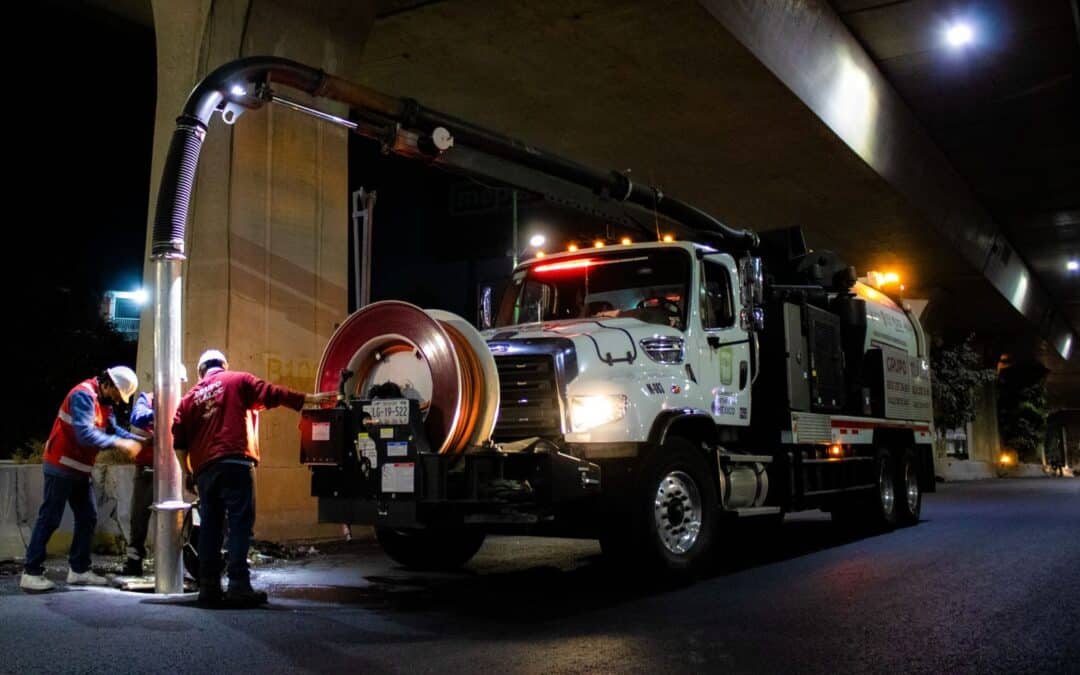
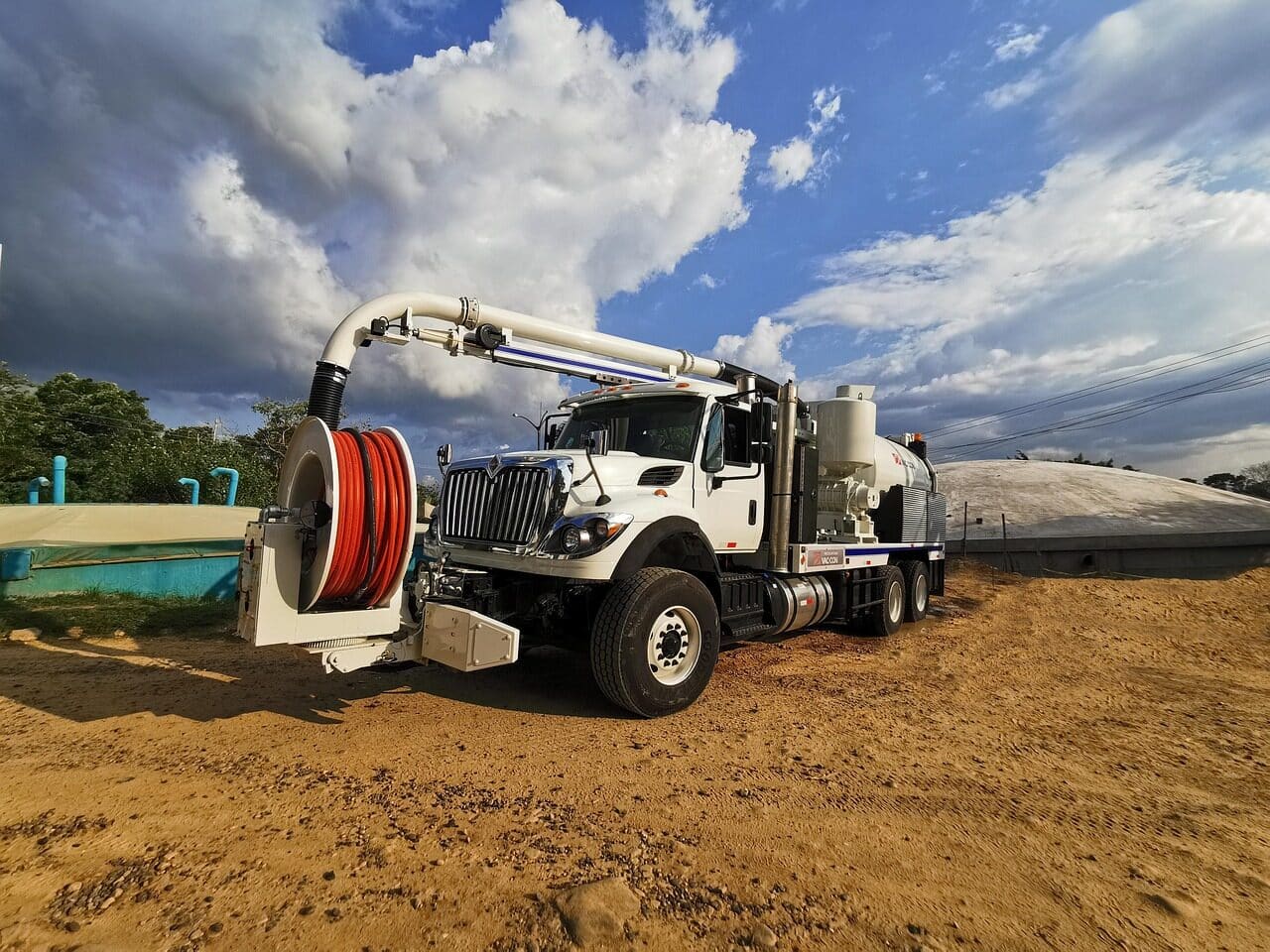
Hydrojet drain cleaning is a professional plumbing method that uses a high-pressure water system to clean the interior of drain pipes and sewer lines. A trained technician feeds a specialized hose equipped with a precision-engineered nozzle into the pipe through a cleanout access point. Pressurized water is then pumped through the hose and expelled through the nozzle at carefully controlled pressure—commonly in the range of 1,500 to 4,000 PSI for residential pipes, according to Today’s Homeowner’s Homeowner’s Guide to Hydrojetting.
That water pressure is directed both forward—to break apart obstructions—and backwardhyd along the pipe walls, physically scrubbing debris loose from the interior surface. Unlike a drain snake, which mechanically dislodges or retrieves a blockage, hydrojet drain cleaning works across the entire pipe diameter. Material that breaks loose is flushed downstream and out of the line.
The types of buildup that professional hydro jetting can remove include:
- Grease and cooking fats
- Kitchen and bathroom sludge
- Soap scum and soap residue
- Mineral scale and hard water deposits
- Organic matter and debris
- Certain tree root intrusions
- Other stubborn accumulated material
Because the cleaning process relies on water rather than harsh chemical drain cleaners, it avoids the corrosive effects that repeated chemical treatments can have on pipe interiors. Sodium hydroxide—the active ingredient in most store-bought drain cleaners—is hazardous to handle and rarely dissolves an entire clog. Hydro jetting removes the problem without those risks.
How High-Pressure Water Cleans the Entire Pipe
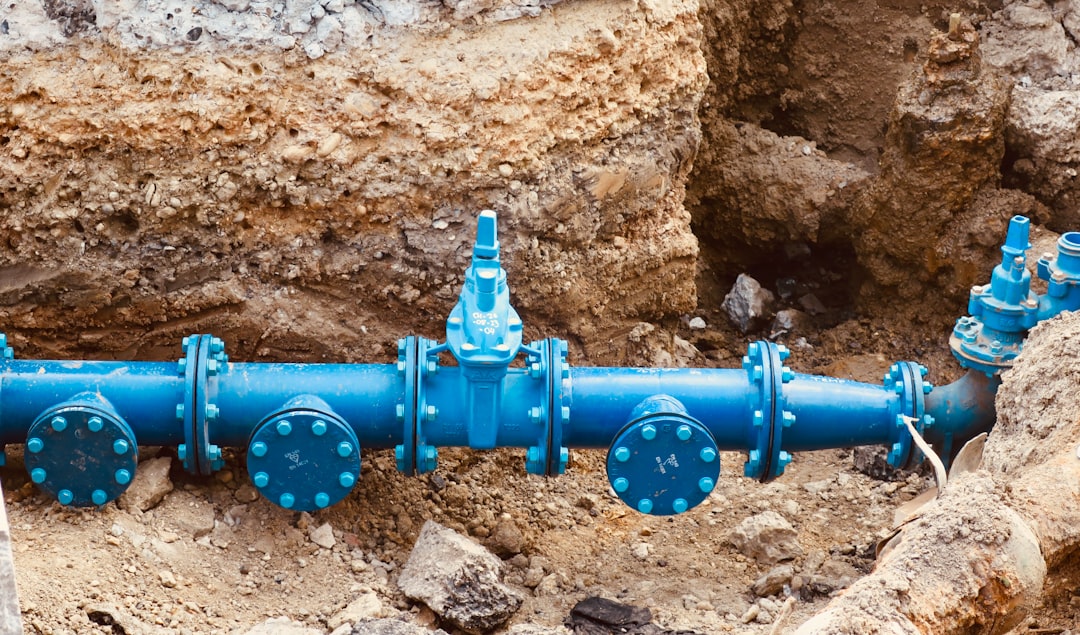
The nozzle used in professional hydro jetting is designed to direct pressurized water in multiple directions simultaneously. Forward-facing jets break apart clogs and cut through roots, while rear-facing jets propel the hose upstream through the pipe and scour debris from the pipe walls as the hose advances. Loosened material flows downstream with the water, exiting through the cleanout rather than accumulating at a new spot inside the line.
This is the fundamental difference between hydro jetting and simply poking a hole through a clog. When buildup is distributed along a significant length of pipe, snaking may clear enough space for water to move—but everything left behind on the pipe walls becomes the foundation of the next blockage. Hydro jetting addresses the interior of the pipe itself, restoring a level of flow capacity that partial clearing cannot achieve.
Hydro jetting can be applied to individual drain lines as well as a main sewer line, provided the pipe is in suitable condition for the procedure. A professional assessment determines which approach is appropriate.
Hydro Jetting vs. Traditional Drain Snaking: What’s the Difference?
Drain snaking remains a practical and effective tool for many plumbing situations. A mechanical drain snake—also called a drain auger—uses a rotating cable to bore through or retrieve an obstruction. For a hair clog near a bathroom drain opening or a localized soft blockage, snaking can resolve the problem quickly and at a lower cost than hydro jetting.
The distinction between the two methods comes down to what each one actually accomplishes:
- Snaking breaks through or retrieves a specific obstruction in the pipe.
- Hydro jet drain cleaning scours buildup from a much larger section of the pipe wall, addressing not just the current clog but also the accumulated material surrounding it.
According to Angi’s hydro jetting cost guide, drain snaking typically costs between $100 and $400—making it a reasonable first approach for a simple, first-time clog. Hydro jetting averages around $475, with most residential jobs ranging from $350 to $600. The higher cost reflects the more thorough work being performed.
If a clog returns within weeks of snaking, that pattern often indicates that buildup remains on the pipe walls. Treating the underlying accumulation—rather than opening the same pathway through the same material—is what makes hydro jetting worth considering for recurring problems.
When Hydrojet Drain Cleaning Makes More Sense Than Snaking
Hydro jetting is worth discussing with a plumber when:
- Multiple fixtures are draining slowly at the same time
- The same clog returns after conventional drain cleaning
- Grease or sludge has built up extensively inside the line
- Tree root intrusion is present in the sewer line
- A sewer line needs cleaning to restore optimal flow
- Preventive maintenance is needed in areas with regular grease or debris accumulation
- A thorough pipe cleaning is needed rather than simply creating a narrow opening through a blockage
Signs That Stubborn Clogs May Require Hydro Jetting
What Does It Mean When Multiple Fixtures Drain Slowly?
One slow sink often points to a localized clog near that particular drain. When several fixtures throughout the house—two or more sinks, a tub, a toilet—are all draining poorly at the same time, the problem is more likely located further down the line, in a shared drain or the main sewer line itself. Buildup accumulating inside a main line restricts flow for every fixture connected to it. That slow, worsening drainage is a sign that the pipe interior—not just one blockage—may need attention.
Why Do Clogs Keep Coming Back After Snaking?
A clog that returns within weeks of being snaked is one of the clearest indicators that residual buildup remains on the pipe walls. Grease, sludge, soap scum, and mineral deposits don’t disappear when a snake passes through them—they cling to the interior surface and continue trapping new debris. Treating the recurring problem with the same approach each time doesn’t address what’s actually causing it. A more thorough cleaning method, combined with a diagnosis of what’s accumulating and why, may break the cycle.
What Do Gurgling Drains and Toilets Indicate?
Gurgling sounds from a sink, tub, or toilet—especially when another fixture is in use—suggest that air or water is struggling to move through a restricted section of pipe. A partial blockage can cause pressure fluctuations that produce that distinctive bubbling sound. Gurgling is worth taking seriously because it typically means the drainage system is already under stress. A professional diagnosis determines whether the restriction is a localized clog, sewer line buildup, or a venting issue.
Can Foul Drain Odors Point to a Buildup Problem?
Trapped food particles, grease, sludge, and decomposing organic matter inside pipes produce unpleasant odors that travel back up through drain openings. Temporary fixes—baking soda, vinegar, commercial deodorizers—may mask the smell briefly. If the odor returns consistently, the source is likely a buildup of material that routine cleaning hasn’t removed. A thorough pipe cleaning that addresses that accumulated material at the source is a more lasting solution than odor treatment alone.
What Should Older Home Owners in Maryland Know About Recurring Backups?
Many homes in Pasadena and the surrounding Maryland communities were built several decades ago, and their sewer lines reflect that age. Recurring backups in an older home deserve careful investigation rather than repeated snaking. Deteriorated pipe sections, corroded joints, tree root intrusion, offset pipe connections, and other structural issues can all contribute to persistent drainage problems. Before deciding whether hydro jetting is appropriate, a camera inspection of the sewer line is especially valuable in older properties. It reveals whether the pipe can handle high-pressure water and whether structural repairs need to come first.
Sewer Line Hydro Jetting for Grease, Roots, and Tough Blockages
A main sewer line carries wastewater from every drain in the property—kitchen, bathrooms, laundry—to the municipal sewer or septic system. When a main sewer line is partially restricted by years of accumulated grease, sludge, and debris, the effects are felt throughout the entire home. Water drains slowly from every fixture. Backups occur in lower drains. Gurgling sounds come from multiple locations.
Sewer line hydro jetting addresses this type of widespread accumulation by cleaning a significant portion of the pipe interior rather than just the most severe point of restriction. Pressurized water removes grease and fat deposits, soap residue, mineral scale, organic debris, and—in many cases—tree root intrusions that have penetrated the pipe wall. Removing that distributed buildup can restore proper flow and reduce the frequency of future service calls.
It’s important to be clear about what hydro jetting can and cannot do for a sewer line. Severe root intrusion—where roots have substantially collapsed or displaced the pipe—may require mechanical root cutting followed by jetting, or potentially sewer line repair or replacement. Hydro jetting is a cleaning method, not a structural repair. When a sewer line has cracks, collapsed sections, or badly offset joints, those structural problems require separate attention, regardless of how well the line is cleaned.
What Are the Warning Signs of a Main Sewer Line Problem?
According to Bob Vila’s hydro jetting guide, the most common signs that a sewer line may need professional cleaning or inspection include:
- Multiple drains backing up at the same time
- Water appearing in a floor drain or tub when a toilet is flushed
- Gurgling sounds from toilet or drain fixtures
- Persistent slow drainage throughout the house
- Foul odors coming from multiple drains
- Wastewater appearing in lower-level fixtures when upper-level fixtures are used
Any combination of these symptoms warrants a call to a professional plumber rather than a DIY attempt—especially when a main sewer line is involved.
Why Does a Camera Inspection Matter Before Hydro Jetting?
Professional hydro jetting doesn’t begin with inserting a hose into a pipe and turning on the pressure. It begins with understanding what’s actually inside the pipe and whether the pipe is capable of handling the procedure safely.
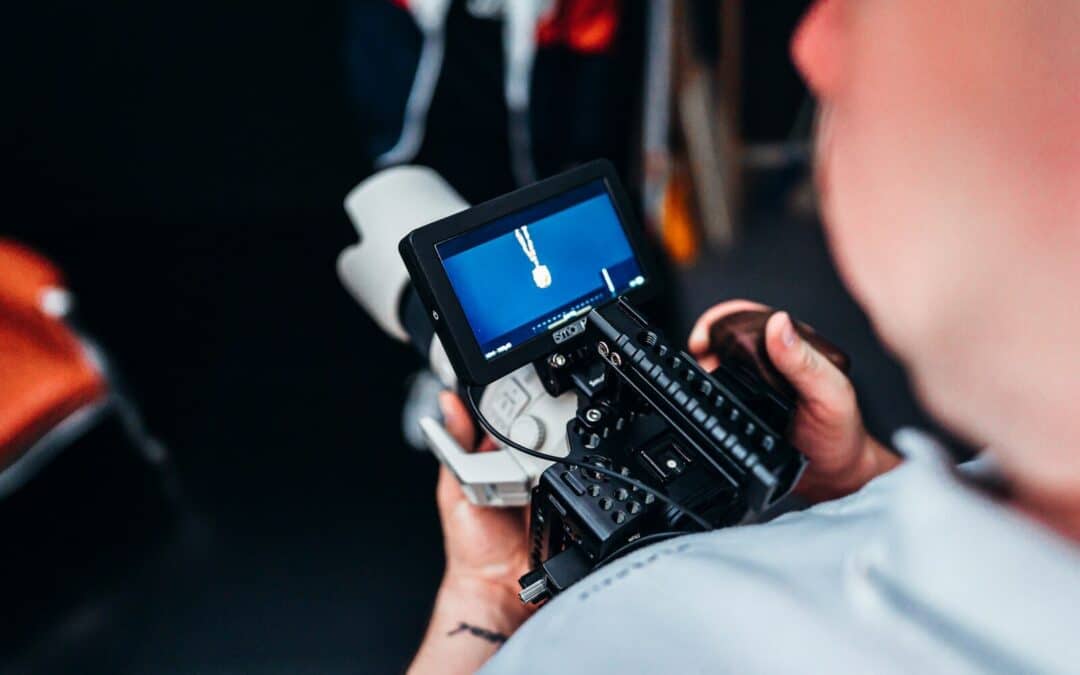
A video camera inspection involves feeding a small waterproof camera on a flexible cable through the sewer line. The live footage shows the technician exactly what’s inside—the type and location of the blockage, the presence of root intrusion, the condition of the pipe walls, and any cracks, corrosion, collapsed sections, or deteriorated joints that might be hidden beneath years of buildup.
According to Angi’s sewer camera inspection cost data, a professional camera inspection typically costs between $275 and $1,175 for most residential applications. That investment protects against a far more expensive outcome: applying high-pressure water to a pipe that can’t handle it and turning a blockage into a structural failure.
A camera inspection before hydro jetting helps our technicians:
- Locate the blockage precisely
- Identify what the blockage is made of
- Detect tree roots, grease, mineral deposits, or organic debris
- Assess the overall pipe condition and material
- Determine whether hydro jetting is appropriate or whether repairs are needed first
An inspection after hydro jetting can also confirm that the buildup was successfully removed and reveal any structural concerns that were previously obscured by accumulated debris. For older Maryland homes in particular, this two-step approach—inspect, then clean, then inspect again if needed—provides the most complete picture of sewer line health.
Can Hydro Jetting Damage Sewer Pipes?
Professionally performed hydro jetting, on pipes that are in suitable structural condition, is designed to be a non-invasive cleaning method. For lines that are structurally sound, the water pressure removes debris without harming the pipe itself.
PVC, cast iron, and clay pipes can all be candidates for hydro jetting—but condition matters more than material type. A PVC line that is cracked or poorly supported may be just as vulnerable as an old clay line with deteriorated joints. The water pressure used is calibrated based on the pipe’s diameter, material, and assessed condition, not applied uniformly regardless of what the camera inspection reveals.
Pipes that are old or weakened can be damaged by the intense pressure involved in hydro jetting. This is precisely why camera inspection before the procedure isn’t optional when pipe condition is uncertain—it’s the step that makes hydro jetting safe rather than risky.
For Maryland homeowners with older properties, professional evaluation before any high-pressure water enters the sewer line is essential. The age of the home doesn’t automatically disqualify hydro jetting, but it does mean the assessment step carries additional weight.
DIY Hydro Jetting: Why Most Homeowners Should Avoid It
Homeowners researching this topic will find pressure washer attachments and consumer-grade sewer jetter kits marketed as DIY solutions for clogged drains. Understanding what professional hydro jetting actually involves makes the risks of DIY attempts clearer.
Professional hydro jetting equipment operates at pressures between 1,500 and 4,000 PSI for residential lines, and specialized commercial equipment can reach far higher pressures for larger pipes. Water at that pressure can cause serious personal injury in seconds. A hose that suddenly reverses direction, a nozzle that slips out of the cleanout, or a spray that contacts skin at operating pressure can result in injuries that require immediate medical attention.
Beyond personal safety, Bob Vila’s guide notes that a portable professional hydro jetting machine costs between $1,500 and $2,000—and professional-grade commercial equipment runs far higher. Consumer-grade pressure washer attachments operate at significantly lower pressures, which may be inadequate for serious sewer line buildup while still carrying enough pressure to cause injury or pipe damage when misused.
The specific risks of DIY attempts include:
- Pipe damage: Applying inappropriate pressure to compromised older pipes can crack or break sections that were already weakened
- Getting the hose stuck: Without professional-grade equipment and technique, a hose can become tangled or lodged inside the pipe
- Cleaning the wrong line: Without camera guidance, a homeowner may jet a branch line rather than the main line causing the problem
- Creating a larger mess: If the hose is inserted downstream of the blockage or at the wrong access point, the pressure can push debris further into the system
- No verification: Without a follow-up camera inspection, there’s no way to confirm that the line was actually cleaned
Why a Pressure Washer or Power Washer Is Not a Substitute for Professional Equipment
A pressure washer is designed for surface cleaning—concrete, siding, vehicles. Adapting it for sewer line work introduces a different set of challenges entirely. Professional hydro jetting requires specialized nozzles calibrated for specific pipe diameters, hoses engineered to navigate bends and joints in a sewer line, and pressure settings chosen based on a camera inspection that a DIYer typically hasn’t performed.
The expertise behind professional hydro jet sewer cleaning is as important as the equipment itself. Knowing how much pressure a specific pipe can safely handle, where to enter the line for effective hydro jet cleaning, how to recognize warning signs during the process, and how to safely manage the hose inside an active sewer line—these are skills developed through professional training and field experience. A DIY mistake with high-pressure water can turn a clogged drain into a broken sewer line that requires excavation to repair.
How Much Does Hydro Jetting Cost in Maryland?
For most straightforward residential hydro jetting jobs, professional services commonly fall in the $350 to $600 range, with an average cost of approximately $475, according to both Angi and Bob Vila. HomeGuide’s 2026 cost data places some estimates somewhat higher, at $600 to $1,400, for more severe or complex situations. Actual pricing in Maryland varies based on several factors.
Factors that affect the final cost include:
- The length of the sewer line being cleaned
- Pipe diameter and pipe material
- Pipe condition, particularly in older homes
- The severity and location of the blockage
- Accessibility of the cleanout or pipe entry point
- Whether tree root intrusion is present
- Whether a camera inspection is required
- Whether structural issues are discovered that require additional repair
DIY hydro jetting equipment rentals may be available at roughly $200 to $300 per day in some markets, depending on the equipment and rental supplier. That cost does not include the camera inspection needed to determine whether jetting is safe, the professional training required to operate the equipment correctly, or the liability of damaging a pipe that wasn’t properly assessed before high-pressure water was applied. For most Maryland homeowners, professional service is the more cost-effective choice when the full picture is considered.
Key Advantages of Professional Hydrojet Drain Cleaning
Thorough pipe wall cleaning: Hydro jetting removes buildup from around the full circumference of the pipe interior, not just a narrow path through the clog.
Versatile for multiple blockage types: One procedure addresses grease, sludge, mineral deposits, soap scum, organic debris, and certain root intrusions.
No harsh chemicals: The process uses pressurized water, avoiding the corrosive effects of repeated chemical drain cleaner applications.
Better long-term results: Removing accumulated material from the pipe walls reduces the debris base that causes recurring clogs to form.
Restored flow capacity: Effective cleaning can bring a significantly restricted line much closer to its original flow capacity.
Preventive value: For properties that regularly develop grease buildup or other predictable accumulation, scheduled hydro jetting can be more cost-effective than repeated emergency service calls.
Addresses root cause: Hydro jetting treats the buildup that causes recurring problems rather than repeatedly opening the same clog through the same material.
Can Hydro Jetting Help Prevent Future Clogs?
Every clog starts somewhere. Grease that enters a drain slowly coats the pipe wall. Soap scum accumulates on top of that grease. Food particles, hair, and mineral deposits add to the layers over time. Eventually, the pipe interior narrows enough that water flow slows and blockages form more easily—and more frequently.
Hydro jetting that removes this distributed accumulation reduces the surface area available for new debris to catch and build upon. A clean pipe wall, by definition, has less to trap the next wave of material flowing through it. That’s why many homeowners with recurring grease or sludge problems find that hydro jetting delivers longer-lasting results than repeated snaking.
Hydro jetting cannot prevent every future plumbing problem. It doesn’t repair structural damage to sewer lines, and it won’t stop tree roots from continuing to grow toward moisture in a sewer pipe. The most effective approach combines a thorough professional cleaning with the drain habits and preventive care that reduce how quickly buildup returns. The Family Handyman’s plumbing tips and HGTV’s guide to keeping drains clog-free both offer practical guidance on everyday maintenance habits worth building.
Simple Ways to Protect Your Sewer Lines Between Services
- Keep cooking grease, fats, and cooking oils out of drains—dispose of them in the trash
- Avoid flushing wipes, paper products, and other non-flushable materials, even those labeled “flushable”
- Address slow drainage early rather than allowing it to worsen over weeks or months
- Pay attention to recurring odors or gurgling sounds—they rarely resolve on their own
- Schedule professional drain cleaning when recurring problems develop rather than waiting for a full backup
- Have older or problematic sewer lines inspected when symptoms suggest structural concerns beyond simple buildup
- Consider scheduled preventive cleaning for properties where grease or sludge accumulation is a known pattern
Why Trust MD Sewer & Plumbing Services for Hydrojet Drain Cleaning in Maryland?
MD Sewer & Plumbing Services has served Pasadena and surrounding Maryland communities since 1989—more than 35 years of diagnosing, treating, and preventing the kind of persistent plumbing problems that send homeowners searching for answers in the middle of the night. We’re a family-owned business, and that means our technicians treat your home the way they’d treat their own.
Our capabilities cover the full range of drain and sewer services Maryland homeowners need:
- Hydrojet drain cleaning for stubborn buildup, grease, sludge, roots, and recurring clogs
- High-pressure jetting for main sewer lines and residential drain systems
- Traditional drain cleaning for straightforward blockages that don’t require high-pressure water
- Video camera inspections to diagnose what’s inside the pipe before and after service
- Sewer line services, including repair and maintenance
- 24/7 emergency plumbing for situations that can’t wait until morning
- Preventive maintenance to help homeowners avoid expensive breakdowns
Every job begins with an honest assessment. Our licensed technicians use professional equipment, explain what they find, and provide clear pricing before any work begins. There are no surprise charges and no pressure to approve services that aren’t necessary.
Whether you’re dealing with a drain that’s been slow for months, a main sewer line backup that’s affecting multiple fixtures, or an older Maryland home with a history of plumbing problems, we have the experience and equipment to diagnose the cause and recommend the right solution—not just the quickest fix.
Frequently Asked Questions About Hydrojet Drain Cleaning
Is Hydro Jetting Worth the Cost for Recurring Clogs?
Hydro jetting tends to be worth considering when a clog keeps returning after snaking, when multiple fixtures are draining slowly, or when grease, sludge, or root intrusion has accumulated extensively inside the line. The value comes from treating the buildup causing the recurring problem rather than repeatedly clearing the same path through the same material. Whether it’s the right and most cost-effective solution for a specific situation is best determined through a professional assessment and, where appropriate, a camera inspection.
Can I Do Hydro Jetting Myself?
Most homeowners should not attempt DIY hydro jetting. The water pressure involved—up to 4,000 PSI in residential professional applications—can cause serious personal injury if mishandled. Consumer-grade pressure washer attachments lack the nozzle design, hose engineering, and pressure control of professional equipment. Attempting to jet a pipe without a prior camera inspection risks damaging deteriorated or compromised sections of older sewer lines. Professional diagnosis, pipe assessment, and trained operation of specialized equipment are necessary for hydro jetting to be performed safely and effectively.
How Much Does Hydro Jetting Equipment Cost to Rent?
Rental equipment for consumer use may be available at approximately $200 to $300 per day in some markets, though rates vary by location and equipment type. Renting equipment does not provide the camera inspection needed to determine whether jetting is safe for a specific pipe, the professional training needed to operate the equipment correctly in a live sewer line, or the liability protection that comes with hiring a licensed, insured plumber. For most Maryland homeowners, professional service provides better value when the full scope of what’s required is considered.
Can Hydro Jetting Damage Older Sewer Pipes?
Hydro jetting is generally safe for sewer pipes that are in good structural condition, including PVC, cast iron, and clay lines that have been properly assessed. Pipes that are cracked, severely corroded, collapsed, or have significantly deteriorated joints may be vulnerable to damage from high-pressure water. A video camera inspection before the procedure is the key step that determines whether the pipe can safely handle hydro jetting. For older Maryland homes in particular, this assessment is essential rather than optional.
How Often Should a Sewer Line Be Hydro Jetted?
As a preventive measure, professionals generally recommend hydro jetting a sewer line every one to two years, according to Bob Vila. Properties with older plumbing systems, heavy grease accumulation, or established tree root intrusion may benefit from more frequent service. The appropriate schedule depends on the pipe’s condition, the property’s history, and what a professional assessment reveals. An MD Sewer & Plumbing technician can help establish a maintenance schedule that fits the specific needs of your home.
What’s the Difference Between Hydro Jetting and Snaking for a Sewer Line?
Snaking mechanically breaks through or removes a specific obstruction—it’s effective for localized clogs and straightforward blockages. Hydro jetting scours the full interior circumference of the pipe, removing distributed buildup along the pipe walls rather than just creating a path through the clog. For a sewer line with years of accumulated grease, sludge, or mineral deposits, hydro jetting addresses more of the material causing repeated problems. Snaking remains appropriate for many situations; hydro jetting is the better fit when the pipe walls themselves need cleaning rather than just a single blockage removed.
Clear Tough Blockages With Professional Hydrojet Drain Cleaning
A drain that keeps clogging is telling you something. Not just that there’s a blockage—but that the conditions inside the pipe keep creating one. Hydrojet drain cleaning addresses those conditions directly, removing the grease, sludge, mineral buildup, roots, and debris from the pipe walls themselves rather than temporarily clearing a path that debris will fill again within weeks.
The distinction between opening a clog and cleaning a pipe is the core of what makes hydro jetting valuable for recurring problems. But it’s a procedure that should start with proper diagnosis. Especially for older sewer lines, a camera inspection before applying high-pressure water protects the pipe—and the homeowner—from outcomes far more expensive than the original problem.
MD Sewer & Plumbing Services has been the trusted local choice for hydrojet drain cleaning, drain services, sewer line work, camera inspections, and emergency plumbing throughout Pasadena and surrounding Maryland communities since 1989. Family-owned. Licensed technicians. Honest pricing. Available 24/7.