Professional drain cleaning removes blockages, buildup, grease, hair, and root intrusions from your pipes before they cause water damage or expensive sewer repairs. MD Sewer & Plumbing has served Maryland homeowners for over 35 years with hydro jetting, camera inspections, and emergency drain services available 365 days a year.
A slow drain is easy to ignore. It’s not an emergency—until it is. What starts as water pooling around your feet in the shower can quietly escalate into a backed-up sewer line, water damage, or a plumbing repair that costs far more than a routine drain cleaning ever would.
Drain cleaning is one of the most overlooked preventative plumbing services a Maryland homeowner can invest in. Most people only call a plumber when something has already gone wrong. But your drains are quietly collecting grease, hair, soap scum, and mineral deposits every single day. Over time, that accumulation narrows your pipes and strains your entire plumbing system—often without any obvious warning until a drain stops working altogether.
Schedule Service Online
Get a free estimate so you know what you're signing up for
"*" indicates required fields
For Emergency Services Call: 410-255-9300
Slow drains don’t always mean a localized clog. Sometimes they signal a deeper problem in your main sewer line. A gurgling toilet, an odor near floor drains, or multiple fixtures backing up at once—these are all symptoms of something working its way into a larger issue underground.
MD Sewer & Plumbing Service, Inc. has been Maryland’s trusted, family-owned plumbing company since 1989. With over 35 years of hands-on experience serving Pasadena and surrounding communities, the MD Sewer & Plumbing team brings honest pricing, licensed technicians, and advanced equipment to every job. From a stubborn kitchen sink clog to a full sewer line repair, MD Sewer & Plumbing is available 24/7—including nights, weekends, and every single day of the year.
This guide covers everything Maryland homeowners need to know about drain cleaning: what causes clogs, which methods work best, when DIY falls short, and how to protect your home before a slow drain becomes a serious problem.
Why Professional Drain Cleaning Services Is More Than Just Clearing a Clog
Most homeowners think of drain cleaning as a reactive fix—something you do when water won’t go down. Professional drain cleaning is actually a proactive service that protects your entire plumbing system.
Healthy drains keep water flowing freely, reduce pressure on pipe joints, and prevent the kind of buildup that leads to cracked or corroded pipes. When a drain is partially blocked, water backs up, sits, and puts stress on fixtures and connections throughout your home. Left long enough, that pressure leads to leaks, water damage, and mold growth.
Regular professional drain cleaning delivers real, measurable benefits:
- Prevents costly water damage before backups overwhelm your fixtures and floors
- Restores normal drainage quickly, so your household routines aren’t disrupted
- Eliminates foul odors caused by trapped organic matter, soap scum, and grease accumulating inside your pipes
- Prevents backups that can introduce sewage into your living space
- Extends the life of your plumbing system by reducing internal pressure, corrosion, and buildup on pipe walls
- Avoids costly repairs by catching developing problems before they become emergencies
Regular professional drain cleaning also helps you catch hidden problems early. A camera inspection performed during a routine cleaning can reveal cracked pipes, root intrusions, or section collapses before they turn into costly sewer line repairs. According to the EPA’s WaterSense program, routine plumbing maintenance—including regular drain inspection—is one of the most effective ways homeowners can protect their water systems and avoid unnecessary waste.
The bottom line: waiting until a drain is fully blocked costs more, takes longer to fix, and often causes collateral damage that a timely cleaning would have prevented.
What Are the Warning Signs That Your Drains Need Attention?
Knowing the early warning signs of a drain problem can save you from a much bigger—and more expensive—situation. Watch for these indicators:
- Slow-draining water in a sink, shower, or tub is one of the earliest signs of a developing blockage
- Gurgling sounds after using a sink suggest trapped air in the pipes caused by a partial obstruction
- Bad odors near drains signal a buildup of organic debris, grease, or soap scum that needs to be cleared
- Recurring clogs that return shortly after being cleared may indicate a deeper plumbing issue further down the line
- Multiple slow drains throughout the house are a strong indicator of a main line blockage that needs urgent attention
- Backed-up water appearing in a tub, floor drain, or toilet when you use another fixture is a clear sign to call a plumber immediately
These symptoms—especially when they occur together—indicate a main sewer line problem that poses a real risk of sewage backup inside your home. Don’t wait. MD Sewer & Plumbing’s emergency drain service is available every day of the year, around the clock.
What Are the Most Common Drain Problems in Maryland Homes?
Slow Kitchen Sink Drains
Kitchen sinks take a heavy load. Grease from cooking coats the inside of pipes and solidifies as it cools. Food particles, coffee grounds, and soap residue add to the buildup over time, steadily narrowing the pipe until water barely moves. Grease-based clogs are some of the most stubborn to break through because they cling to pipe walls rather than sitting in a single blockage.
Bathroom Sink and Shower Clogs
Hair is the number-one culprit in bathroom drains. It tangles around the drain stopper and catches soap scum, turning into a dense, fibrous plug that worsens with every shower. Mineral deposits from hard water compound the problem, building up on pipe walls and creating rough surfaces where debris catches even faster. Standing water in a shower is a reliable sign that the drain needs attention. The Family Handyman’s guide to drain warning signs outlines additional early indicators that homeowners often miss until the blockage is well established.
Overflowing Toilets
Toilets clog from toilet paper overuse, flushed wipes, and foreign objects. A toilet that clogs repeatedly—or backs up into the tub—can signal a blockage in the main sewer line rather than a localized issue. This distinction matters significantly for how the problem gets diagnosed and resolved.
Laundry Tub Backups
Laundry drains collect lint, soap residue, and fabric fibers with every wash cycle. Floor drains in laundry rooms and basements are particularly vulnerable because they’re rarely used actively, which means debris settles without being flushed through.
Multiple Fixtures Backing Up at Once
This is the warning sign Maryland homeowners should never dismiss. When two or more drains slow down or back up simultaneously—a toilet gurgling when you run the dishwasher, or a tub draining slowly when you flush—the problem is almost certainly in the main sewer line. A single-fixture clog affects only that drain. A main line issue affects everything connected to it.
What Causes Clogged Drains?
Understanding the cause of a clog determines the right solution. Not all blockages are the same, and treating the wrong cause rarely delivers lasting results.
Grease Buildup
Cooking grease poured down drains seems harmless in liquid form. Once it cools inside pipes, it solidifies into a thick, waxy coating that catches everything passing through. Over time, grease accumulations narrow the pipe bore significantly. This is one of the strongest reasons to avoid disposing of cooking grease down the drain entirely.
Hair and Soap Scum
Hair doesn’t dissolve—it accumulates. Combined with the sticky residue from soap, it forms a plug that gets denser and more compacted with every shower. This is the most common cause of bathroom drain clogs in residential homes.
Food Waste
Even with a garbage disposal, starchy foods, fibrous vegetables, and fine particles build up inside kitchen drain lines. Eggshells, coffee grounds, and pasta are frequent offenders that accumulate faster than most homeowners expect.
Mineral Deposits
Maryland’s water supply can carry minerals that deposit on pipe walls over time, a condition known as scaling. This narrows pipes gradually and creates rough surfaces that accelerate debris buildup. Older plumbing systems are especially vulnerable.
Tree Roots Entering Sewer Pipes
Tree roots naturally seek moisture, and sewer pipes are an ideal source. Roots enter through small cracks or loose joints, then expand inside the pipe, causing blockages, structural damage, and eventually full collapse if untreated. This is one of the more serious drain problems, requiring professional root removal tools and often a camera inspection to assess the extent of the intrusion. This Old House’s guide to clearing clogged drains provides a helpful overview of DIY methods and explains clearly when root intrusion requires professional intervention.
Older Plumbing Systems
Many homes in Pasadena and the surrounding Maryland area were built decades ago. Older cast iron and clay pipes degrade, scale, and crack over time, making them far more susceptible to blockages, root intrusion, and collapse. These systems require technicians who understand how to work with aging infrastructure without causing additional damage.
How Does MD Sewer & Plumbing’s Professional Drain Cleaning Process Work?
MD Sewer & Plumbing approaches every drain call as a diagnostic opportunity, not just a quick fix. The goal is to identify the true cause of the problem and resolve it completely—not just push the blockage further down the line.
A Brief History of Professional Drain Cleaning
It’s worth noting how far drain cleaning technology has come. In 1933, Roto-Rooter invented the first electromechanical sewer cleaning machine—a breakthrough that transformed what had previously been a slow, labor-intensive process. Today’s professional drain cleaning equipment, from motorized augers to high-definition sewer cameras, builds on that legacy with far greater precision and effectiveness.
Thorough Inspection
Every service call begins with a thorough evaluation. Technicians identify the blockage location, assess pipe materials and condition, and determine the severity of the problem before recommending a method. This step prevents unnecessary work and ensures the right approach is used the first time.
Camera Inspections
A sewer camera inspection involves feeding a waterproof, high-definition camera through your drain lines to view the interior of your pipes in real time. Camera inspections are invaluable for locating the exact position of a blockage, identifying broken or collapsed pipe sections, detecting root intrusion, and confirming that a cleaning was fully effective. Camera inspections typically cost between $300 and $500 and routinely prevent misdiagnosis expenses far greater than that by pinpointing the actual problem before repair begins.
Hydro Jetting
Hydro jetting uses highly pressurized water—up to 4,000 PSI—to blast through stubborn blockages and scour the interior walls of pipes clean. Unlike snaking, which punches through a clog, hydro jetting removes the entire accumulation: grease, sludge, soap scum, mineral deposits, and fine debris that snaking simply cannot reach. It restores pipes to near-original flow capacity and is particularly effective for recurring clogs, grease-heavy kitchen lines, and pipes affected by years of mineral scaling. The David Suzuki Foundation’s guide on unclogging drains without harsh chemicals also highlights the environmental advantages of high-pressure water cleaning over chemical drain openers.
Mechanical Drain Snaking
Drain augers and electric snakes are the right tool for many standard residential clogs located near fixtures. Drain snaking—using a motorized cable fed through the drain—handles the majority of typical household blockages and is usually the most cost-effective starting point for single-fixture clogs. Technicians select the appropriate cable length and head type based on the pipe diameter and blockage type.
Root Removal
Tree root intrusions require specialized cutting equipment designed to sever and extract root masses without further damaging the pipe. After mechanical root removal, a camera inspection confirms the pipe interior is clear and assesses whether any structural repair is needed.
What Is the Best Method for Cleaning Drains Professionally?
The best drain cleaning method depends entirely on the cause and location of the blockage.
| Situation | Recommended Method |
|---|---|
| Minor single-fixture clog near a fixture (hair, soap, debris) | Drain snaking / augering |
| Grease buildup or sludge in kitchen lines | Hydro jetting |
| Years of buildup that snaking hasn’t resolved | Hydro jetting |
| Recurring clogs after previous cleanings | Camera inspection first, then hydro jetting |
| Tree root intrusion | Root cutting + camera inspection |
| Multiple fixtures affected | Camera inspection + main line cleaning |
| Unknown blockage location | Camera inspection to diagnose before treatment |
Camera inspection before cleaning is especially important for older homes, properties with mature trees near the sewer line, and any situation where the blockage location or cause is unclear. Treating the wrong problem wastes money and leaves the real issue unresolved.
When Does Drain Cleaning Become Sewer Line Repair?
Professional drain cleaning solves most residential clog problems. Some drain calls, however, reveal underlying conditions that require more than cleaning to fix.
A camera inspection may uncover a broken sewer pipe, a pipe collapse, significant corrosion, pipe separation at joints, or a bellied sewer line—a section that has sagged and now holds standing water and debris. In these cases, drain cleaning removes the immediate blockage, but the structural issue must also be addressed to prevent recurrence.
MD Sewer & Plumbing’s licensed technicians always perform a thorough inspection before recommending any repair. When sewer line repair is necessary, the team offers multiple solutions depending on the severity and location of the damage:
- Pipe lining (CIPP): A resin-coated liner is inserted and cured inside the existing pipe, creating a new interior surface without excavation.
- Pipe bursting: A bursting head fractures the old pipe outward while simultaneously pulling a new pipe into place—a trenchless method that avoids digging up your yard.
- Traditional excavated repair: For severe collapses or extensive damage, full pipe replacement may be necessary.
Technicians make these recommendations based on inspection data, not assumptions. Homeowners receive honest, upfront guidance before any work begins. The Better Business Bureau’s guide to hiring a plumber recommends always getting a clear explanation of the diagnosis and repair options before authorizing work—a standard MD Sewer & Plumbing holds itself to on every job.
What Are the Warning Signs That You Need Emergency Drain Cleaning?
Some drain symptoms require a same-day response. Contact MD Sewer & Plumbing immediately if you notice:
- Standing water that won’t drain from a sink, tub, or shower
- An overflowing toilet that won’t clear after plunging
- Gurgling sounds from multiple drains simultaneously
- Sewage odors coming from drains, especially in the basement
- Multiple fixtures backing up or draining slowly at the same time
- Water backing up into a tub or floor drain when you flush
- Slow drainage that is progressively worsening over days or weeks
Sewage backups and complete drain stoppages require immediate professional attention. These situations pose real health risks and will worsen quickly without intervention. MD Sewer & Plumbing’s emergency drain service is available 24 hours a day, 365 days a year—including every holiday.
Should You Try DIY Drain Cleaning Before Calling a Professional?
For very minor clogs, a few DIY approaches are worth trying first.
What can help:
- A cup plunger is effective for moderate clogs and can dislodge a fresh, shallow blockage in a sink or tub using suction
- A flexible plastic drain snake is useful specifically for hair clogs located within a few inches of the drain opening in showers and bathroom sinks
- Boiling water poured slowly down a kitchen drain can soften and clear minor grease clogs before they harden into a more stubborn buildup
- Salt and baking soda combined and flushed with hot water can help dissolve light greasy buildup inside pipes
- Baking soda and vinegar can clear very light soap or grease buildup near the drain surface and neutralize mild odors
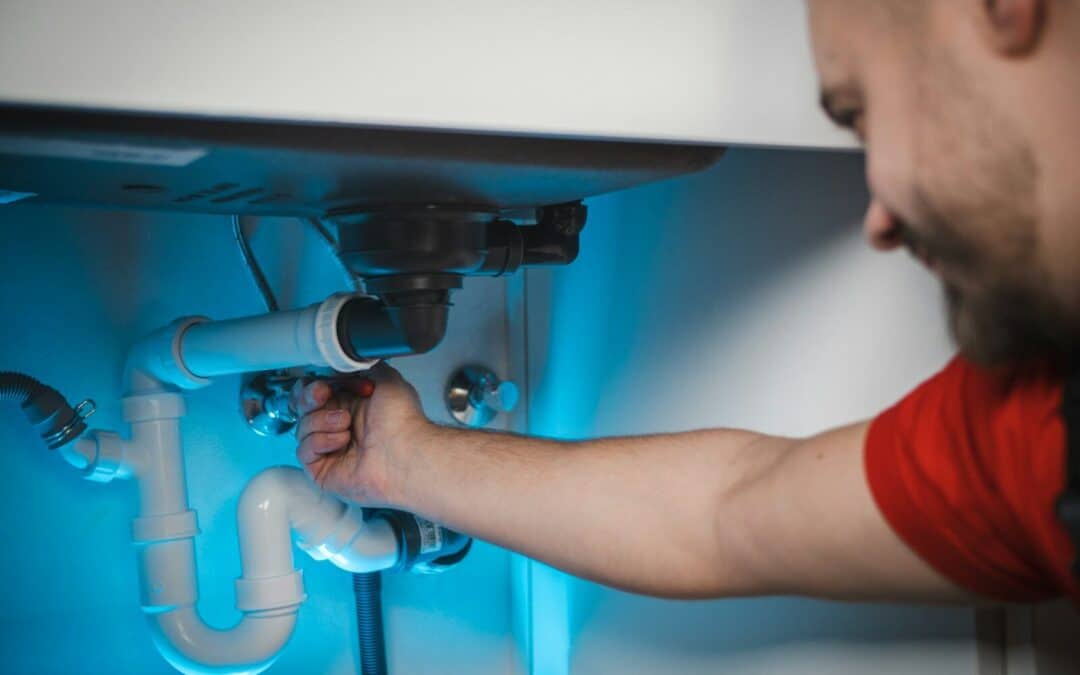
- Cleaning the P-trap—the curved pipe section beneath the sink—can directly remove severe clogs that are lodged in that section of the line
- A drain strainer or mesh strainer catches food particles and hair before they enter the drain, preventing the most common blockages from forming in the first place
Using physical tools like plungers, plastic drain snakes, and P-trap cleaning is generally more effective than chemical solutions for the blockage types they’re designed to address.
What to avoid:
Chemical drain cleaners are widely sold but carry significant risks. The caustic compounds in many over-the-counter products—sodium hydroxide and sulfuric acid are common active ingredients—can soften or crack PVC pipes, damage the rubber seals in older plumbing, and create a hazardous situation if they contact skin or eyes during use. They also generate heat inside pipes, which accelerates corrosion in metal lines. This makes chemical cleaners particularly dangerous for older plumbing systems. More critically, chemical cleaners often dissolve just enough of a clog to restore minimal flow, leaving the bulk of the blockage in place to reform within weeks. The Bob Vila guide to homemade drain cleaners provides safer, non-caustic alternatives for minor maintenance—though these options have real limitations for anything beyond a surface-level clog.
If DIY methods don’t fully restore normal drainage within one or two attempts, stop. Repeated DIY attempts can push debris deeper into the line, making professional cleaning more difficult and expensive.
Do Baking Soda and Vinegar Actually Unclog Drains?
This combination is one of the most widely shared DIY plumbing tips—and one of the most frequently misunderstood.
Quick answer: Baking soda and vinegar can neutralize mild odors and loosen very minor surface buildup—particularly light soap or grease deposits—near the drain opening. They will not remove a dense grease clog, a hair blockage, a mineral deposit, or a tree root. The fizzing reaction created when the two substances combine is mostly carbon dioxide gas—it produces visible activity but delivers very little mechanical force against a real obstruction.
For a drain that smells but still flows normally, a baking soda and vinegar flush followed by hot water is a reasonable maintenance step. For a drain that is actually slow or blocked, it is not a substitute for professional drain cleaning. The Plumbing-Heating-Cooling Contractors Association (PHCC) recommends consulting a licensed plumber for any persistent drainage issue rather than relying on home remedies that may delay proper diagnosis.
How Much Does Drain Cleaning Cost in Maryland?
Drain cleaning costs vary depending on several factors. Here are typical price ranges for common services:
| Service | Typical Cost Range |
|---|---|
| Basic drain cleaning | $93–$600 |
| Main sewer line cleaning | $450–$900 |
| Hydro jetting | $700–$2,300 |
| Camera inspection | $300–$500 |
| Roto-Rooter basic drain clearing | $69–$99 |
| Emergency / after-hours service | Adds 30–50% to base cost |
| Tree root removal | Adds $200–$500 depending on severity |
These are general reference ranges. Actual pricing depends on the specific blockage, pipe accessibility, and whether additional services are required. MD Sewer & Plumbing provides free estimates and honest, upfront pricing—you’ll know exactly what the job costs before any work begins, with no hidden fees.
How Does Regular Drain Maintenance Save You Money?
Preventive drain maintenance is one of the highest-return investments a homeowner can make in their plumbing system.
A routine drain cleaning—before a clog becomes a backup—costs a fraction of what an emergency service call, water damage remediation, or sewer line repair would run. Keeping drains clear also extends the service life of pipes by reducing the corrosive effect of standing water and chemical buildup inside the line.
Here are the most effective prevention habits for Maryland homeowners:
- Install mesh strainers or drain screens in kitchen sinks, showers, and tubs to catch food particles, hair, and debris before they enter the drain
- Never pour cooking grease down the drain—collect it in a container and dispose of it in the trash
- Run hot water regularly through drains, especially kitchen lines, to prevent grease from accumulating and solidifying on pipe walls
- Schedule routine professional drain cleaning for high-use lines at least once a year to avoid costly buildup
- Use enzyme-based cleaners for ongoing maintenance—they’re gentler on plumbing than chemical cleaners and won’t damage pipe materials or rubber seals
- Avoid chemical drain cleaners for routine use, especially in older homes, as they can degrade older plumbing systems over time
- Use natural cleaners like baking soda and hot water periodically to help preserve pipe integrity and control odors between professional cleanings
Most plumbing professionals recommend scheduling drain cleaning for high-use lines—kitchen drains especially—at least once a year. Homes with older pipes, mature trees near the sewer line, or a history of recurring clogs benefit from more frequent service. MD Sewer & Plumbing can assess your home’s specific needs and recommend a maintenance schedule that fits.
According to the EPA’s WaterSense home maintenance guidelines, proactive maintenance of household water systems consistently prevents the kind of failures that result in costly repairs and wasted water.
Why Do Maryland Homeowners Trust MD Sewer & Plumbing?
MD Sewer & Plumbing Service, Inc. has been serving Pasadena and the surrounding Maryland communities since 1989—over 35 years of consistent, reliable service from a company that treats every customer like a neighbor.
What sets MD Sewer & Plumbing apart:
- Family-owned and community-focused: This is not a national franchise. Every technician represents a local business built on reputation and repeat customers.
- Licensed, experienced technicians: The team handles everything from routine drain cleaning to complex sewer line repair with the same level of expertise and care.
- Advanced equipment: Hydro jetting systems, high-definition sewer cameras, and professional root removal tools deliver results that DIY methods simply cannot match.
- Honest, upfront pricing: No hidden fees. No surprise charges. You receive a clear explanation of the problem and the cost before any work begins.
- 24/7 emergency availability, 365 days a year: Plumbing problems don’t keep business hours, and neither does MD Sewer & Plumbing—including holidays.
- Free estimates: Request a free estimate online or by calling 410-255-9300.
- Preventive maintenance mindset: The goal is never just to fix the immediate problem—it’s to help homeowners avoid the next one.
The reviews reflect this commitment. Customers consistently praise technicians like Brandon and Ronnie for clear communication, professional workmanship, and genuine care for getting the job done right. “Brandon was incredible. He was able to fix a clog in my main sewer drain, as well as identify an issue on the city’s side of the pipe that they need to repair,” noted one Maryland homeowner. “He took extra time to ensure I was happy with the job and fully understood the process.”
Keep Your Drains Flowing with Expert Help from MD Sewer & Plumbing
Drain cleaning protects your plumbing system, extends the life of your pipes, and prevents small problems from becoming expensive sewer line repairs. Early maintenance delivers longer-lasting results than waiting for a full blockage—and professional equipment reaches places no plunger or baking soda mix ever will.
Whether you’re dealing with a slow kitchen sink, a recurring shower clog, standing water that won’t drain, or multiple fixtures backing up at once, MD Sewer & Plumbing has the tools, experience, and local knowledge to solve it right the first time. Serving Pasadena and the surrounding Maryland area for over 35 years, the team is ready to help—day or night, every day of the year.
Frequently Asked Questions
What is professional drain cleaning, and how does it differ from DIY methods?
Professional drain cleaning uses specialized equipment—motorized augers, hydro jetting systems operating at up to 4,000 PSI, and sewer cameras—to fully remove blockages and clean pipe walls. DIY methods like plungers, flexible plastic drain snakes, and hand tools can address shallow, minor clogs near the drain opening but cannot reach deeper blockages, remove grease coating from pipe walls, or detect structural damage. Professional cleaning delivers more thorough, longer-lasting results.
How often should Maryland homeowners schedule drain cleaning?
For most homes, once a year is a reasonable baseline for high-use drains like kitchen sinks. Homes with older plumbing, mature trees near the sewer line, a history of recurring clogs, or hard water buildup may benefit from cleaning every six months. MD Sewer & Plumbing can evaluate your home’s specific plumbing conditions and recommend an appropriate maintenance schedule.
Can chemical drain cleaners damage pipes?
Yes. Many chemical drain cleaners contain sodium hydroxide or sulfuric acid, which can soften PVC pipes, degrade rubber seals, and accelerate corrosion in older metal plumbing. They also generate heat inside the pipe, which adds additional stress—making them especially harmful to older plumbing systems. Beyond pipe damage, they often dissolve only part of a clog, leaving the blockage to reform. Enzyme-based cleaners are a gentler, safer alternative for routine maintenance. Professional cleaning removes the entire obstruction without chemical risk.
What does hydro jetting do that snaking cannot?
A drain snake punches through the center of a blockage, creating a channel for water to pass. Hydro jetting delivers high-pressure water—up to 4,000 PSI—in multiple directions simultaneously, scouring the entire interior of the pipe, including grease, sludge, mineral scale, and years of debris clinging to the walls. Hydro jetting is more thorough, more effective for recurring clogs, and far less likely to leave resid