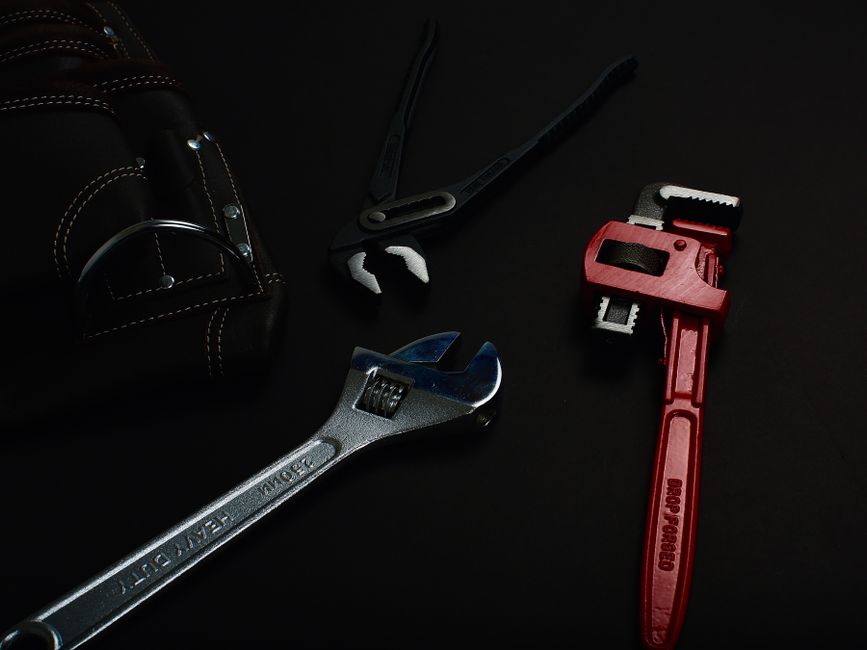
The most useful plumbing tools for Pasadena and Anne Arundel County homeowners include plungers, drain snakes, toilet augers, pipe wrenches, tubing cutters, and sewer cameras. These tools handle minor clogs and simple fixes, but the single most valuable “tool” for any serious plumbing problem is a licensed professional plumber. MD Sewer & Plumbing has served Maryland homeowners for over 35 years and knows exactly when a DIY fix will hold and when it won’t.
Every home in Pasadena has a junk drawer, a garage shelf, or a basement bin with a mismatched collection of plumbing supplies: a plunger with a cracked handle, a roll of Teflon tape from three moves ago, maybe a wrench that’s never actually fit anything. Plumbing tools have a way of accumulating in homes without anyone ever learning what they’re for or when to use them.
That’s a problem, because a clogged drain, a slow leak, or a dripping faucet doesn’t wait for a convenient time. Knowing which tool solves which problem can save you a service call for something minor, and just as importantly, it can help you recognize when a job is too big, too risky, or too dangerous to handle yourself.
Schedule Service Online
Get a free estimate so you know what you're signing up for
"*" indicates required fields
For Emergency Services Call: 410-255-9300
This guide walks through 15 essential plumbing tools that show up in almost every home and professional tool kit, from the humble plunger to the sewer inspection camera. Along the way, we’ll explain what each tool actually does, when it’s the right choice, and why the most important tool of all isn’t something you can buy at a hardware store. For homeowners throughout Pasadena and Anne Arundel County, that “tool” is a trusted, licensed plumber.
Why Pasadena Homeowners Should Understand Basic Plumbing Tools
Anne Arundel County has plenty of older homes with plumbing systems that have been patched, repaired, and upgraded over decades. Understanding what a pipe wrench, crescent wrench or fitting systems does or why plumber’s putty matters isn’t about becoming your own plumber. It’s about making smarter decisions.
Knowing your tools helps you:
- Diagnose a problem before calling for service, so you can describe it clearly
- Handle small, low-risk fixes like a clogged sink without waiting on an appointment
- Recognize signs that a job requires professional-grade equipment or licensing
- Avoid making a minor leak or clog worse through improper technique
With that context in mind, here’s the rundown of tools every homeowner should recognize.
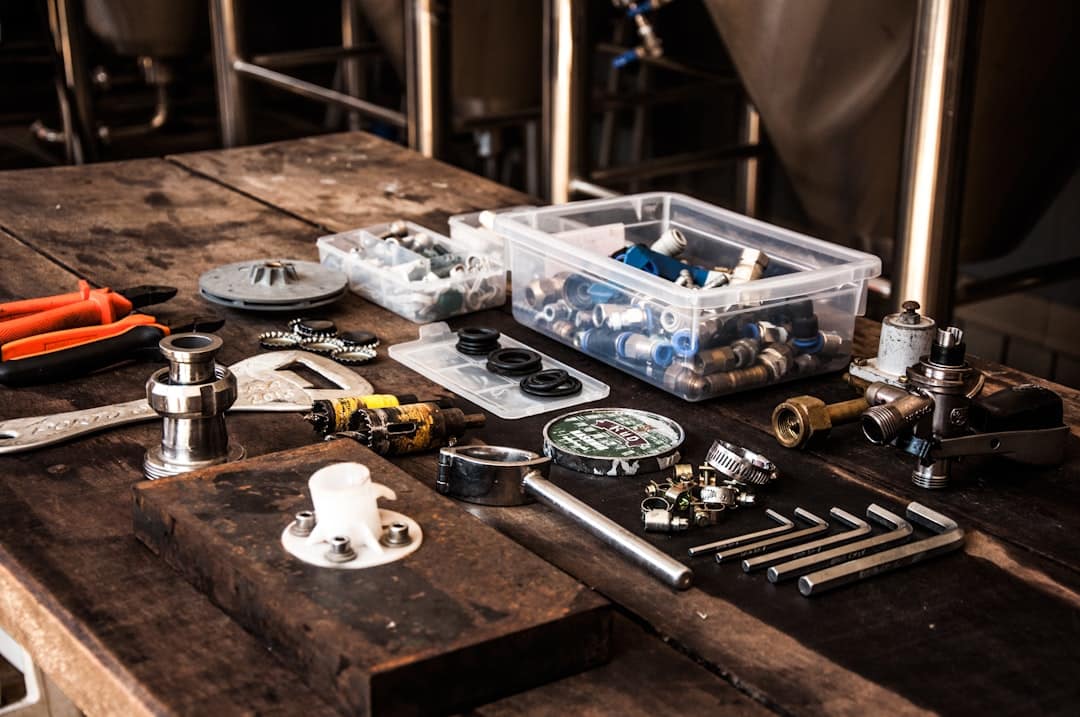
15 Essential Plumbing Tools Every Homeowner Should Know
1. The Plunger: Your First Line of Defense Against Clogs
A plunger is the most basic plumbing tool, and it comes in two main types. A cup plunger has a flat rubber cup designed for sinks, tubs, and showers, where it forms a seal against a flat surface. A flange plunger has an extra flap of rubber that folds out from the cup, creating a tighter seal inside a toilet’s curved drain opening. Using the wrong type for the job (say, a cup plunger on a toilet) often means weaker suction and a clog that doesn’t budge. Using the right plungers produce more suction than consumer models
2. Pipe Wrench: Heavy-Duty Grip for Threaded Pipes
A pipe wrench has serrated, self-tightening jaws designed to grip round pipes without slipping. Plumbers typically use two at once: one to hold the pipe steady and another to turn a fitting. Because the teeth can leave marks, a traditional wrench is best suited for pipes that will be hidden or replaced, not for polished, visible fixtures.
3. Drain Snake (Hand Auger): When a Plunger Isn’t Enough
A drain snake, also called a hand auger, is a flexible metal cable that feeds down into a drain to break up or pull out a clog that a plunger can’t reach. Homeowners commonly use a 25-foot handheld version for sinks, tubs, and showers. Deeper or more resistant clogs may need a motorized auger, which is one of the tools a professional plumber can bring for larger blockages.
4. Toilet Auger (Closet Auger): Specialized for Toilet Clogs
A toilet auger, sometimes called a closet auger, is built specifically for toilets. Its curved shaft is designed to slide through the toilet’s trap without scratching the porcelain, while a longer cable reaches clogs that sit deeper in the line. This is the tool to reach for when a flange plunger doesn’t clear a stubborn toilet clog.
5. Basin Wrench: The Under-Sink Essential
Anyone who has tried to work in the cramped space beneath a bathroom sink knows why a basin wrench exists. Its long, pivoting jaw reaches nuts that hold faucets in place, in spots where a standard wrench simply can’t fit. It’s a go-to tool for faucet installation or replacement.
6. Adjustable Wrench: Versatile and Indispensable
An adjustable wrench has a movable jaw that fits a range of nut and bolt sizes, making it one of the most-used tools in any plumbing kit. It’s suited for tightening supply lines, valves, and fittings of various sizes without needing a full set of fixed wrenches.
7. Plumber’s Tape (Teflon Tape): Sealing Threaded Connections
Plumber’s tape, better known as Teflon tape, wraps around threaded pipe connections to create a tighter, leak-resistant seal. It’s inexpensive, quick to apply, and used constantly, on everything from showerheads to supply lines. Yellow Teflon tape is typically reserved for gas line connections, while white tape is standard for water lines.
8. Plumber’s Putty: Waterproof Seals Around Fixtures
Plumber’s putty is a soft, moldable sealant placed around the base of fixtures like drains and faucets to prevent water from seeping underneath. Unlike Teflon tape, which seals threaded connections, putty seals flat surfaces against fixtures. As one plumbing discussion on Reddit put it plainly: “Plumber’s putty to fill small gaps under faucet. Teflon tape or liquid is for sealing threaded connections that do not have an o-ring or washer” (Reddit r/Plumbing). It’s worth noting that plumber’s putty shouldn’t be used on plastic fixtures, since it can cause staining or damage over time.
9. Copper Tubing Cutter (Pipe Cutter): Clean Cuts for Leak-Free Connections
A tubing cutter slices cleanly through copper, plastic, pvc pipes or other tubing without crushing or deforming the material. A clean, straight cut matters because a ragged edge can prevent fittings from sealing properly, leading to leaks down the road.
10. Water Pump Pliers (Channel Locks): Grip for Pipes and Fittings
Water pump pliers and tongue and groove pliers, often called channel locks, have adjustable, serrated jaws that grip pipes and fittings of different sizes. They’re a flexible alternative to a pipe wrench for lighter-duty turning and gripping tasks.
11. Faucet Key: Outdoor Spigot Access
A faucet key is a small tool used to open and close outdoor spigots, also known as sillcocks or hose bibs. It’s especially useful for seasonal maintenance, like shutting off outdoor water access before Maryland’s first hard freeze.
12. Plumbing Torch: For Copper Pipe Soldering
A plumbing torch heats copper pipe joints so solder can flow in and create a permanent, watertight bond. This is one of the tools where risk starts to climb quickly for a DIYer. Soldering involves open flame, and OSHA classifies torch brazing and soldering as tasks requiring proper ventilation, protective equipment, and fire safety precautions. Working around a home’s framing, insulation, or older materials without that training raises real fire and injury risks, which is exactly the kind of job best left to a licensed plumber.
13. Sewer Camera (Inspection Camera): Diagnosing Hidden Problems
A sewer camera is a waterproof, high-resolution camera fed through pipes to locate clogs, cracks, root intrusion, or other hidden damage without tearing into walls or digging up a yard. This equipment is expensive, specialized, and generally reserved for professional use. It’s also one of the clearest examples of why an experienced plumber can solve in an hour what a homeowner might spend a full weekend investigating.
14. Safety Equipment: Protecting Yourself on the Job
Gloves, safety glasses, and knee protection aren’t glamorous, but they matter every time a socket wrench, cutter, or torch comes out. The Consumer Product Safety Commission has long tracked hand and eye injuries connected to home repair tools, a reminder that basic protective equipment belongs in every home plumbing kit, right alongside the wrenches and cutters.
15. Main Water Shut-Off Valve Key: Know Where Your Water Stops
This isn’t a tool you use often, but knowing the location of your main water shut-off valve, and having a valve key or wrench that fits it, can prevent a small leak from becoming a flooded basement. When water is actively flowing from a burst pipe, shutting off the main water supply lines is the single most effective first step a homeowner can take before calling for emergency help.
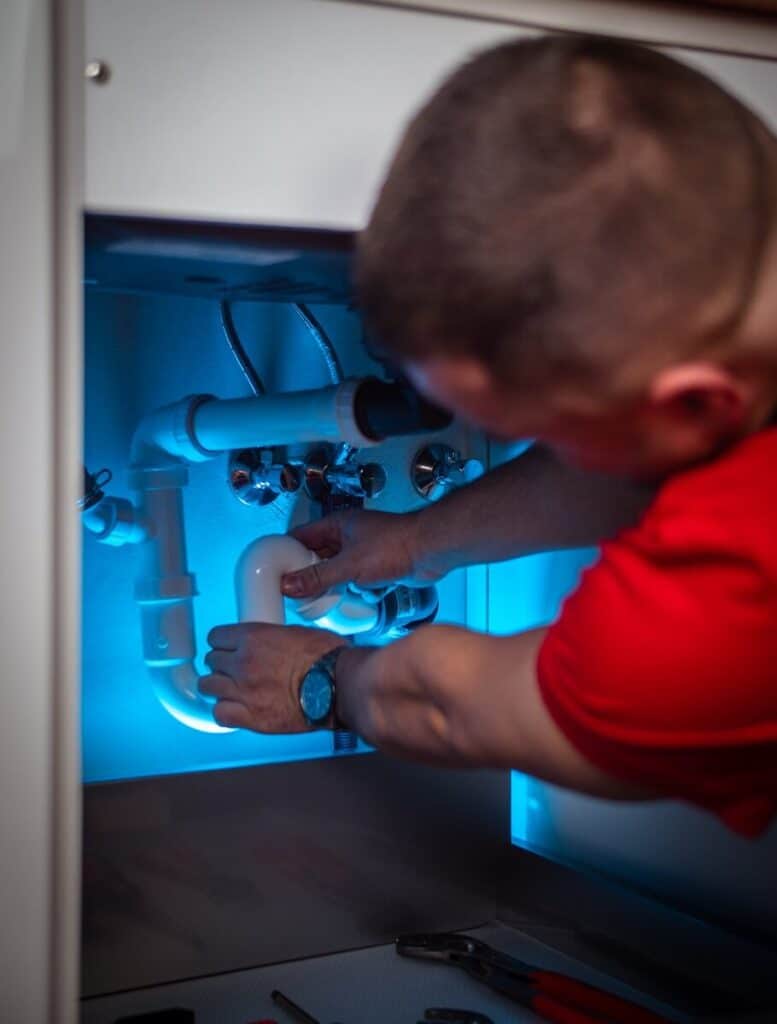
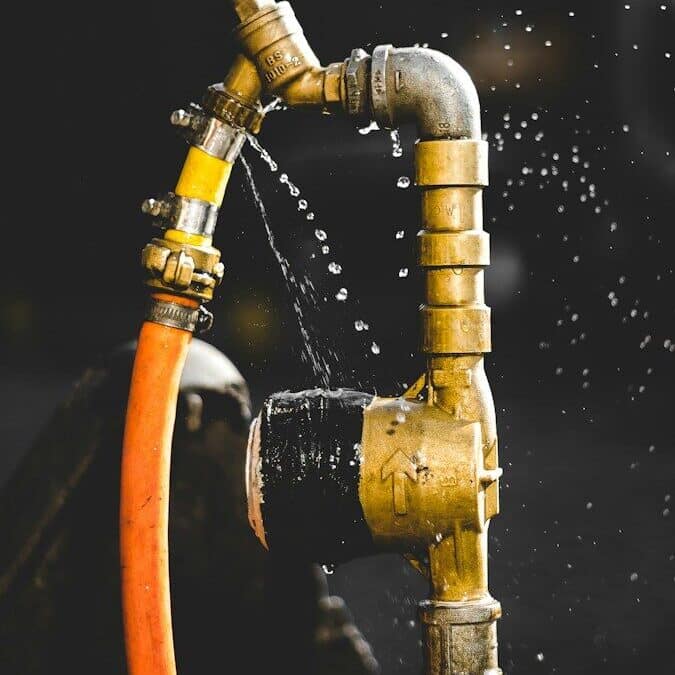
Photo by Timur Shakerzianov on Unsplash
Tool #1 That Matters Most On The Plumbing Tools List: A Licensed Professional Plumber
Here’s the truth behind this whole list: none of these 15 tools matter as much as knowing when to put them down and call a professional for a plumbing job. A drain snake can clear a simple clog. It can’t diagnose why that same drain backs up every few months. A plunger can handle a minor toilet clog. It won’t help with a cracked sewer line 15 feet underground.
Choose to call a licensed plumber if the situation involves gas lines, sewer systems, water heaters, or anything requiring a permit; these carry legal, safety, and structural risks that go well beyond what a hand tool can address. Choose to try a DIY fix first if you’re dealing with a simple, visible clog or a minor drip that responds to basic tools without repeated attempts.
At MD Sewer & Plumbing, our technicians bring the training, licensing, and specialized equipment (from motorized augers to sewer cameras to hydro jetting systems) that go beyond what any homeowner’s toolkit can offer. We’ve spent over 35 years serving Pasadena and Anne Arundel County, and that experience is what turns a diagnosis into a lasting fix instead of a temporary patch.
When Should Maryland Homeowners Call MD Sewer & Plumbing Instead of DIYing?
A few situations call for a professional every time:
- Recurring clogs. If the same drain clogs repeatedly despite snaking or plunging, there’s likely a deeper issue in the line.
- Sewer odors or backups. These can indicate venting problems or sewer line damage that requires camera inspection.
- Gas line or water heater work. These carry safety risks and often require licensing and permits under Maryland regulations.
- No hot water or a leaking water heater. Diagnosing whether the unit needs repair or replacement takes professional evaluation.
- Low water pressure throughout the house. This can point to a broader issue than a single plumbing fixture.
- Any job involving soldering, torches, or open flame. The fire and injury risks outweigh the savings of doing it yourself.
If your situation matches any of these, it’s time to call in a team that knows Anne Arundel County’s homes, older plumbing systems, and local permitting requirements. Request a free estimate from MD Sewer & Plumbing today.
Helpful Plumbing Tool Resources for Maryland Homeowners
Want to learn more about plumbing tools, water conservation, and home plumbing safety? These trusted, independent resources are worth bookmarking:
- EPA WaterSense: Fix a Leak Week — Learn how to spot and fix common household leaks that waste water and money.
- EPA WaterSense Technical Reference — Detailed guidance on common types of household leaks and how they’re detected.
- Consumer Product Safety Commission — Safety guidance on hand tools and injury prevention for home repair projects.
- OSHA: Brazing and Soldering Safety — Guidelines on the safe use of torches and open-flame tools in confined or residential spaces.
- Family Handyman — DIY guides covering plumbing basics, tool use, and home repair tips.
- This Old House — In-depth home improvement resources, including plumbing tool tutorials.
- InterNACHI (International Association of Certified Home Inspectors) — Educational resources on residential plumbing systems and inspection standards.
Frequently Asked Questions
What plumbing hand tools should every homeowner own?
At minimum, a homeowner should keep a cup plunger, a flange plunger, an adjustable wrench, Teflon tape, plumber’s putty, and a hand auger on hand. These tools cover the most common household issues: clogged drains, minor leaks, and loose fittings.
How much does it cost to hire a plumber versus doing it myself?
DIY plumbing tools typically cost between $10 and $50 each, while professional plumber visits vary based on the complexity of the job. However, attempting a repair beyond your skill level can lead to water damage, code violations, or repeat service calls that cost more than hiring a professional from the start. MD Sewer & Plumbing offers free estimates so homeowners know the cost upfront before any work begins.
Is it risky to use a plumbing torch myself?
Yes. Soldering copper pipe involves an open flame near a home’s framing, insulation, and other materials. Without proper training, ventilation, and fire safety precautions, the risk of fire or injury increases significantly. This is one task best left to a licensed plumber.
What are the alternatives to DIY plumbing repairs?
Homeowners can schedule routine maintenance visits, request an inspection using a sewer camera, or set up a preventative maintenance plan with a local plumbing company. These options catch small issues early, often before they require an emergency repair.
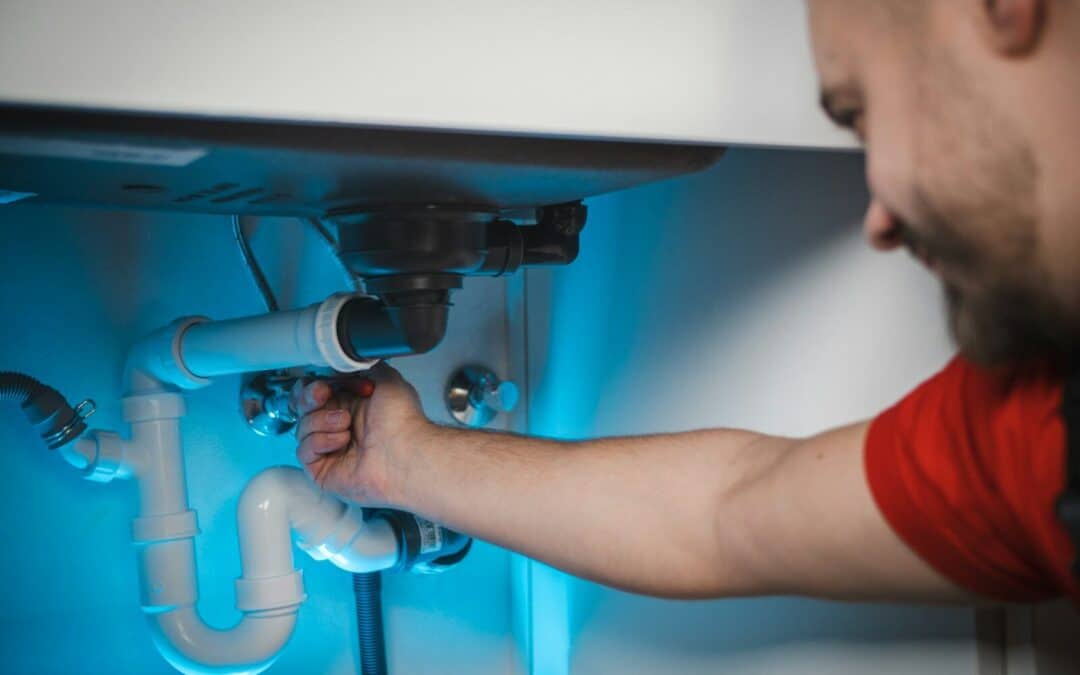
Photo by actually_jet on Pexels
The Right Power Tool for the Job Is Sometimes a Phone Call
A well-stocked toolkit can handle the everyday stuff: a slow drain, a dripping faucet, a loose fitting. But plumbing problems have a way of hiding their true size until you’re a few steps into the repair. When that happens, the smartest tool in the box is picking up the phone.
MD Sewer & Plumbing has served Pasadena, Annapolis, and Anne Arundel County for more than 35 years with honest pricing, licensed technicians, and 24/7 emergency availability. Whether you’re dealing with a stubborn clog or a problem you can’t quite diagnose, schedule your service today or call 410-255-9300 to talk with a real person who knows Maryland plumbing.