Residential plumbing is the network of pipes, fixtures, valves, and vents that supplies fresh water to a home and safely removes wastewater. Maryland homeowners should watch for slow drains, low pressure, rising water bills, and sewer odors — early signs of problems that, left unchecked, can lead to costly water damage. Routine maintenance and professional inspections are the best ways to protect an aging or growing home.
A home’s plumbing system rarely gets attention until something goes wrong. Yet it’s one of the hardest-working systems in any house, quietly delivering fresh water and removing waste every single day. For homeowners in Pasadena, Anne Arundel County, and surrounding Maryland communities, understanding the basics of residential plumbing can mean the difference between catching a small leak early and facing a costly repair down the road.
Residential plumbing includes everything that brings clean water into a home, distributes hot and cold water to fixtures, carries wastewater away, and vents sewer gases safely outside. Good plumbing design keeps one rule sacred: potable water and wastewater must remain completely separated to protect household water quality. When that separation fails, or when aging components start to wear down, the consequences can range from minor annoyances to serious health and property risks.
Schedule Service Online
Get a free estimate so you know what you're signing up for
"*" indicates required fields
For Emergency Services Call: 410-255-9300
Many homes throughout Maryland were built decades ago, and older properties often come with aging drain pipes, outdated fixtures, corrosion, or plumbing configurations that no longer meet current standards. That’s where local expertise matters. MD Sewer & Plumbing Services has served Pasadena and the surrounding area for more than 35 years, offering 24/7 emergency response, upfront pricing, and deep experience with Maryland’s unique mix of older and newer homes.
What Is Residential Plumbing?
Residential plumbing is the network of pipes, fixtures, valves, appliances, drains, and vents that supplies water to a home and removes wastewater safely. A typical residential plumbing system includes:
- Water supply systems
- Drainage systems
- Drain-waste-vent (DWV) systems
- Fixtures and appliances
- Water-heating equipment
- Sewer or septic tank connections
Residential plumbing services differ from commercial plumbing in scale and complexity, but the underlying principles are the same: clean water in, wastewater out, and no cross-contamination between the two. For homeowners, this means understanding how these systems work together — and recognizing when something isn’t functioning as it should.
Understanding the Main Parts of a Home Plumbing System
How Do Water Supply Systems Work in a Home?
Water supply systems deliver fresh water under pressure to every fixture in the house. In Maryland, most homes draw from municipal water systems, while some rural properties rely on private wells. Either way, the system depends on a main water line, individual supply lines, shut-off valves, and — in many homes — pressure-regulating equipment that keeps water flowing safely to hot and cold lines throughout the house.
Every homeowner should know where the main shut-off valve is located. In a plumbing emergency, being able to stop the water flow quickly can prevent a manageable problem from turning into a major one. If you notice unusually low water pressure, it could point to a leak, sediment buildup, or a restriction somewhere in the system — all reasons to schedule an inspection.
For more on maintaining healthy water pressure and spotting early warning signs, the EPA’s Home Maintenance guide is a helpful resource. It notes that household water pressure should generally fall between 45 and 60 pounds per square inch (psi) for fixtures to perform properly.
What Do Drainage Pipes Do in a Plumbing System?
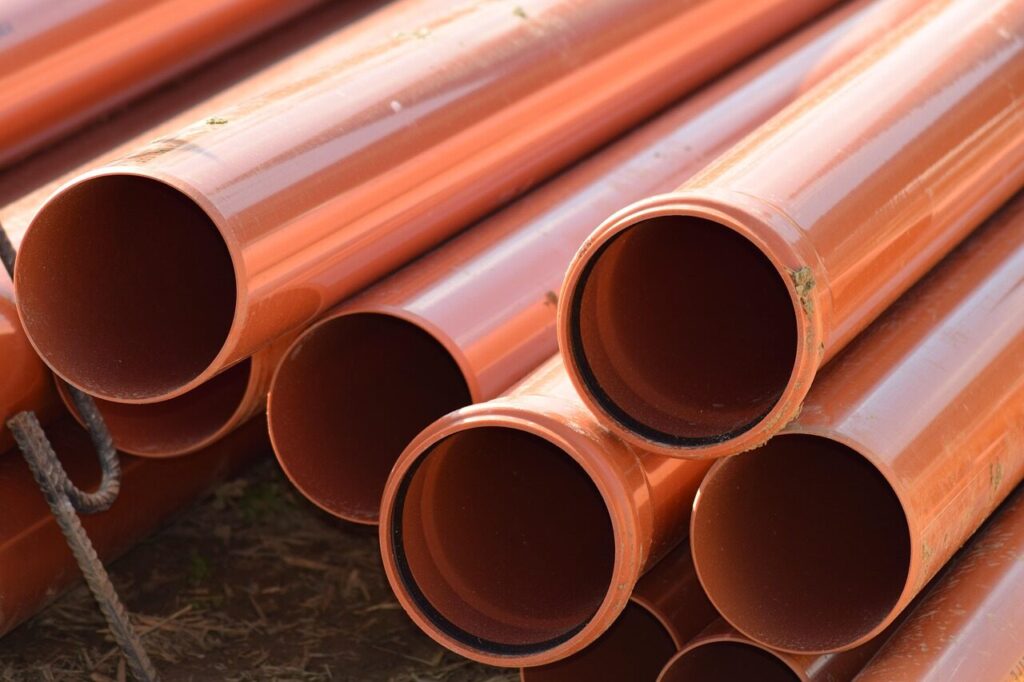
Drainage pipes carry wastewater away from sinks, tubs, showers, toilets, and appliances, relying on gravity and proper pipe slope to keep water moving in the right direction. These pipes eventually connect to either the municipal sewer system or a private septic system, depending on the property.
Clogged drains are one of the most common plumbing complaints, and they’re usually caused by:
- Hair
- Soap scum
- Grease
- Food waste
- Foreign objects
- Improperly disposed products (like wipes or feminine hygiene products)
What Is a Drain-Waste-Vent (DWV) System and Why Does It Matter?
The drain-waste-vent (DWV) system does more than remove wastewater. It also allows air into the drainage system, which helps maintain proper drainage flow and — critically — prevents sewer gases from entering the home. Blocked or improperly installed vent pipes can disrupt this balance, leading to slow drains or gurgling sounds.
P-traps play a key supporting role here. These curved sections of pipe under sinks and other fixtures hold a small amount of water, creating a barrier that blocks sewer gases from rising into your living space. If you notice a persistent sewage-like odor, it may mean a trap has dried out (common in rarely used fixtures), a vent is blocked, or there’s a deeper drainage issue worth investigating.
Common Plumbing Materials Found in Maryland Homes
Copper Pipes
Copper has been a go-to material for residential water supply lines for decades, prized for its durability and resistance to corrosion under normal conditions. Depending on water chemistry, installation quality, and overall conditions, copper plumbing can last 50 years or more — making it a long-term investment in a home’s infrastructure.
PEX Pipes
PEX (cross-linked polyethylene) has become a popular choice for water supply lines because of its flexibility and resistance to freeze-related damage compared to more rigid piping materials. This flexibility also makes PEX especially useful when repiping sections of an older home, since it can snake through tight spaces without as many joints and fittings.
CPVC Pipes
CPVC is commonly used for both hot and cold water distribution. Some CPVC plumbing products are rated for temperatures up to 200°F, though the exact rating depends on the specific product and its intended application.
PVC and ABS Drainage Pipes
PVC and ABS are the plastics of choice for many drainage and vent applications. PVC is lightweight and cost-effective, while ABS offers similar performance in drain-waste-vent systems. Local and national plumbing codes specify exactly which materials are permitted for which applications, so it’s worth consulting a professional before making changes.
For homeowners curious about the technical standards behind DWV materials, the International Code Council’s 2024 International Residential Code plumbing provisions offer a detailed reference on sanitary drainage requirements.
Galvanized Steel and Cast Iron
Older Maryland homes may still have galvanized steel or cast-iron plumbing in place. Galvanized steel can corrode internally over time, gradually reducing water flow, while cast iron — though durable — can eventually crack or deteriorate depending on its age and condition. Pipe material alone doesn’t determine whether replacement is necessary. Age, condition, leak history, water quality, and overall performance all factor into that decision, which is best made with a professional assessment.
Photo by Wallace Chuck on Pexels
Common Residential Plumbing Fixtures and Appliances
Toilets
Running toilets, weak flushing, frequent clogs, and leaks around the tank or base are among the most common toilet complaints. A continuously running toilet can waste hundreds of gallons of water per day depending on the severity of the leak — a problem that’s usually inexpensive to fix but easy to overlook if the sound isn’t obvious.
Sinks and Faucets
Dripping or leaking faucets are often caused by worn washers, O-rings, or cartridges inside the fixture. Even a small, steady drip can add up to significant water waste over time — a persistent faucet leak can waste more than 10,000 gallons annually in some cases. According to the EPA’s Fix a Leak Week resource, the average household’s leaks waste more than 9,300 gallons of water every year, and roughly 9% of homes have leaks severe enough to waste 50 gallons or more per day. A faucet dripping at just one drop per second can waste over 3,000 gallons annually — and fixing these common leaks can lower a water bill by around 10%.
Garbage Disposals
Garbage disposals are convenient, but they’re not designed to handle everything. Excessive grease, coffee grounds, fibrous food scraps, and inappropriate objects can all contribute to clogged drains further down the line. Using the disposal properly — and running water while it operates — helps keep the drainage system clear.
Water Heaters
The water heater plays a central role in daily comfort, supplying hot water for bathing, cleaning, laundry, and more. Watch for these warning signs that something may be wrong:
- Lack of hot water
- Inconsistent water temperature
- Strange or unusual noises
- Leaking around the tank
- Discolored hot water
- Water pooling around the unit
Sediment buildup inside the tank is a common cause of unusual noises and can contribute to premature equipment failure if left unaddressed. For guidance on choosing an efficient replacement unit or understanding water heater performance, ENERGY STAR’s water heater resources provide helpful comparisons for homeowners.
Sump Pumps and Floor Drains
In homes where groundwater or basement flooding is a concern, a functioning sump pump is essential — especially before major storms. Floor drains work alongside sump pumps to remove unwanted water from basements, utility rooms, and other low-lying areas of the home.
Warning Signs You May Have a Plumbing Problem
Slow Drains
Slow drainage often signals buildup or a developing blockage. Recurring slow drains deserve attention rather than repeated temporary fixes, since the underlying cause tends to worsen over time.
Recurring Clogs
A fixture that clogs again and again, despite repeated attempts to clear it, may point to a deeper drainage issue. At that point, a professional inspection is usually more effective than another round of chemical drain cleaner.
Low Water Pressure
Low water pressure can result from a leaking pipe, mineral buildup, a partially closed valve, or issues with supply lines or pressure-regulating equipment. The EPA’s WaterSense program identifies unusually low service pressure as a reason to investigate for leaks or other underlying problems.
Leaks and Water Stains
Visible dripping, damp cabinets, ceiling stains, and unexplained wall discoloration are all signs of a leak — even if the source isn’t immediately obvious. Hidden leaks can cause structural damage and create conditions for mold growth, so it’s worth investigating even minor moisture issues right away.
Plumbing Odors and Sewer Gas
Persistent sewage or sewer-gas odors should never be ignored. Common causes include dry P-traps, drainage problems, venting issues, or a developing sewer line problem.
Rising Water Bills
An unexplained jump in your water bill often means a hidden leak somewhere in the system. The EPA recommends comparing current water usage to previous bills and checking the water meter during a period of no water use as part of basic leak detection.
Sewer Backups
Sewer line backups can cause multiple drains to back up at once — a clear sign of trouble. Watch for several slow drains happening simultaneously, toilets backing up, wastewater appearing in tubs or floor drains, or sewer odors throughout the home. These blockages can create significant property damage and health concerns, so suspected sewage contamination should always be handled carefully and by a professional. For safety guidance around wastewater exposure, the CDC’s Guidelines for Septic and Onsite Wastewater Systems is a useful resource.
Common Causes of Residential Plumbing Problems
Many plumbing issues can be traced back to a handful of recurring culprits:
- Aging pipes
- Corrosion
- Hard-water and mineral buildup
- Grease and food waste
- Hair and soap buildup
- Improper disposal habits
- Tree-root intrusion into sewer lines
- Freezing temperatures
- Excessive water pressure
- Worn fixtures and valves
- Poor previous repairs
- Improper installation
Older homes generally need more frequent inspections simply because more of these factors have had time to accumulate. Preventative maintenance won’t eliminate every risk, but it significantly reduces the odds of an expensive emergency repair.
When Does a Homeowner Need Plumbing Maintenance, Repair, Inspection, or Emergency Service?
When Should You Schedule Routine Plumbing Maintenance?
Routine maintenance makes sense when fixtures are starting to show wear, drains are running slower than usual, water pressure has changed, or your home has older plumbing that hasn’t been inspected recently. Regular check-ins can catch leaks, corrosion, and failing components before they escalate into emergencies.
When Should You Schedule a Plumbing Repair?
Book a repair when you notice a persistent leak, a malfunctioning or leaky faucet or toilet, a water heater that isn’t performing properly, a drain that clogs repeatedly, abnormal water pressure, or visible signs of pipe deterioration.
When Should You Schedule a Professional Plumbing Inspection?
An inspection is worth scheduling when buying or selling an older home, purchasing a property with unknown plumbing history, or dealing with plumbing problems that keep coming back. Sudden increases in water bills, signs of hidden leaks, or suspected sewer line issues are also good reasons to bring in a professional for a full evaluation.
When Should You Call for Emergency Plumbing Service?
Some situations can’t wait. Call for emergency service immediately if a pipe bursts, water is rapidly flooding the home, a major water line breaks, sewage is backing up, a serious leak won’t stop, or a water heater is actively leaking and causing damage. Knowing the location of your main water shut-off valve — and using it as soon as it’s safe to do so — can limit damage while help is on the way.
Call Now — Technicians Available 24/7.
How to Prevent Common Plumbing Problems
Insulate Exposed Pipes
Maryland winters can be harsh on plumbing that isn’t properly protected. Insulating exposed pipes — especially those in crawl spaces, garages, basements, and other unconditioned areas — reduces the risk of freezing and bursting. A burst pipe can cause extensive water damage in a short amount of time, making this one of the most cost-effective preventative steps a homeowner can take.
Clean Drains Regularly
Simple habits go a long way toward preventing clogs. Use strainers in sinks and tubs, and keep grease, coffee grounds, food scraps, and other inappropriate materials out of the drain altogether. Regular attention here means fewer clogs and fewer emergency calls.
Monitor for Leaks
Check under sinks, around toilets, and near water heaters and exposed plumbing on a regular basis. Keep an eye on your water usage for unexplained increases, and consider investing in leak-detection technology for added peace of mind. The EPA’s Leak Detection and Flow Monitoring Devices guide walks through how these systems work and what to look for when choosing one.
Know Your Shut-Off Valves
Every homeowner should know how to shut off the main water supply, individual fixture supplies, and the water heater supply. Being able to act quickly during a burst pipe or major leak can significantly reduce the resulting damage.
Schedule Professional Inspections
Periodic professional inspections — particularly for older homes — can catch problems that aren’t visible behind walls, beneath floors, or underground. Think of these inspections as a way to stay ahead of expensive repairs rather than reacting to them after the fact.
How Plumbing Maintenance Can Protect Your Home
Regular maintenance helps catch leaks early, reduce clogs, protect fixtures, and improve overall system performance. Well-maintained plumbing systems tend to experience fewer emergency repairs and often last longer than neglected ones, though the exact benefit varies widely depending on pipe material, age, water chemistry, installation quality, usage patterns, and environmental conditions. There’s no universal formula that applies to every home, but the principle holds true across the board: proactive care extends the useful life of your plumbing and helps you avoid costly water damage down the road.
Residential Plumbing for Older Maryland Homes
Many homes throughout Pasadena and the surrounding communities were built decades ago, which often means dealing with galvanized steel, aging copper, cast iron, outdated fixtures, aging sewer lines, corrosion, or the lingering effects of previous repairs. The good news: an older home doesn’t automatically require a full plumbing system replacement. The right approach is a professional evaluation based on actual condition, performance, and risk — not simply the age of the house.
Why Professional Residential Plumbing Services Matter
Simple maintenance tasks are well within reach for many homeowners, but complex problems call for a licensed, experienced professional. A qualified plumber brings accurate diagnosis, proper repair techniques, code compliance, advanced diagnostic tools, and the right equipment for safer sewer and water-line work. This expertise also helps prevent the kind of repeat problems that come from a quick, incomplete fix.
DIY solutions have their place for routine upkeep, but they shouldn’t replace professional service when you’re dealing with a serious leak, a sewer issue, a hidden pipe problem, or any other significant plumbing concern. For homeowners who want to dig deeper into water-efficient fixtures and system design, the EPA’s WaterSense Homes Technical Reference Manual offers additional detail
 .
.
Why Maryland Homeowners Choose MD Sewer & Plumbing Services
When something goes wrong with your plumbing, you want a team that treats your home like it matters — because it does. We’ve been serving Pasadena and the surrounding Maryland communities for more than 35 years, and in that time, we’ve built our business around a simple idea: treat every customer like a neighbor, not just a service call.
Here’s what that looks like in practice:
- 24/7 emergency plumbing services with fast response times, day or night
- Comprehensive plumbing and sewer expertise — one call covers drains, leaks, water heaters, and sewer lines
- Family-owned and community-focused, with deep roots in the area we serve
- Honest, upfront pricing with no hidden fees or surprises
- Licensed and highly trained technicians equipped with advanced tools and techniques
- Preventive maintenance options to help you avoid costly breakdowns
- Free estimates and easy online scheduling for a stress-free experience
Whether you’re a homeowner, landlord, property manager, busy commuter, or small business owner, we offer a one-stop solution for residential plumbing — from routine maintenance and minor repairs to major sewer and plumbing emergencies.
Protect Your Home With Professional Residential Plumbing Services
Understanding your home’s plumbing system is the first step toward protecting it. Slow drains, recurring clogs, unexplained leaks, persistent odors, changing water pressure, rising water bills, and sewer backups are all signals worth paying attention to — not waiting out. Addressing these issues early, backed by routine maintenance and professional inspections, is one of the most effective ways to avoid costly water damage down the line.
For homeowners in Pasadena and across Anne Arundel County, MD Sewer & Plumbing Services has spent more than 35 years earning the trust of local families with fast response times, transparent pricing, and genuine local expertise.
Frequently Asked Questions About Residential Plumbing
What is residential plumbing?
Residential plumbing refers to the water-supply, drainage, drain-waste-vent, fixture, appliance, and sewer or septic components that allow a home to receive fresh water and safely remove wastewater.
How can I avoid getting ripped off by a plumber?
Choose a licensed professional and ask for a clear explanation of the problem along with the proposed repair. Request upfront pricing or a written estimate before work begins, and confirm exactly what’s included. Be cautious of unexplained fees or pressure to authorize additional work on the spot. It’s worth comparing qualifications, warranties, and experience — not just the lowest quoted price.
What are the three main types of plumbing?
Residential plumbing is generally broken into three categories: water supply systems, drainage/waste systems, and venting systems. Modern homes combine all three into an integrated network commonly referred to as the drain-waste-vent (DWV) system.
How long does copper or PEX plumbing typically last?
Copper piping can last 50 years or more under favorable conditions, while PEX is valued for its flexibility and resistance to freeze-related damage. Actual lifespan for either material depends on water chemistry, installation quality, and overall usage.
Do I need to replace all the plumbing in an older home?
Not necessarily. Age alone doesn’t determine whether a plumbing system needs full replacement. A professional evaluation of actual condition, performance, and leak history is the best way to decide what repairs or upgrades make sense.
Good Plumbing Is About More Than Fixing Leaks
Protecting your home’s plumbing isn’t just about responding to problems after they appear — it’s about staying ahead of them. Regular maintenance, timely repairs, and professional inspections help Maryland homeowners avoid the kind of damage that turns a small issue into a major expense.