Plumbing problems rarely resolve on their own, and small issues like leaking pipes, clogged drains, or water heater trouble can quickly turn into costly repairs. MD Sewer & Plumbing Services, a family-owned plumber in Pasadena, Maryland since 1989, helps homeowners catch these warning signs early through residential and commercial plumbing services, emergency plumbing, and preventative maintenance.
A dripping faucet seems harmless enough. A slow drain feels like a minor inconvenience. But plumbing problems rarely stay small. What starts as a $20 fix can snowball into a five-figure repair bill if it’s ignored long enough—especially when water finds its way into walls, flooring, or slab foundations.
Most plumbing emergencies don’t happen without warning. They begin with subtle signs: a faint musty smell, a slight drop in water pressure, a gurgling drain. Homeowners who know what to watch for can catch these problems before they become disasters.
Schedule Service Online
Get a free estimate so you know what you're signing up for
"*" indicates required fields
For Emergency Services Call: 410-255-9300
For more than 35 years, MD Sewer & Plumbing Services has been the trusted, family-owned plumber in Pasadena and the surrounding Maryland communities. The company provides residential and commercial plumbing services, 24/7 emergency plumbing, sewer line repair, drain cleaning, water heater installation, and preventative maintenance designed to catch problems before they escalate.
This guide walks through nine plumbing problems that deserve immediate attention, explains why older homes may have galvanized plumbing from the 1900’s face unique challenges, and outlines how to choose a dependable local plumber when something goes wrong.
Why Is It Important to Address Plumbing Problems Early?
Water damage doesn’t wait for a convenient time. A leak behind a wall can soak drywall and insulation within hours, and mold can begin developing in as little as 24 to 48 hours after water exposure. What begins as a small, manageable repair can quickly become a major renovation project if left unaddressed.
Delayed plumbing repairs tend to cause:
- Rapid water damage to walls, ceilings, and floors
- Mold growth that threatens indoor air quality
- Higher water bills from ongoing leaks or running fixtures
- Structural damage to flooring, drywall, cabinetry, and even foundations
- Emergency repair costs that far exceed the cost of routine maintenance
Calcium and magnesium from hard water corrode water heater tanks.Professional plumbing inspections are valuable because they identify hidden problems—corroded pipes, slow leaks, early-stage root intrusion—before they turn into full-blown emergencies.
1. Leaking Pipes: What Are the Warning Signs and Risks?
Leaking pipes are one of the most common plumbing issues homeowners face, and they’re not always obvious.
What does a hidden pipe leak look like?
Watch for wet spots on walls or ceilings, visible water stains, musty odors, unexplained increases in your water bill, or a dripping sound coming from inside walls.
What causes pipes to leak?
Leaks typically stem from corrosion, loose pipe fittings, frozen pipes that crack during winter, aging plumbing systems, or water pressure that’s too high for the pipes to handle.
Why shouldn’t you wait to fix a leaking pipe?
A small leak left unaddressed can escalate into a burst pipe, causing significant structural damage. Mold can begin forming within 24 to 48 hours of water exposure, and repair costs climb the longer a leak goes unresolved. For homeowners looking to understand the broader impact of water waste, the EPA’s Fix a Leak Week resources offer useful context on how even small leaks add up over time.
When should you call a professional plumber?
Any suspected hidden leak—especially one behind walls, under ceilings, or near the foundation—warrants a professional inspection. These are rarely DIY-friendly repairs.
2. Low Water Pressure Throughout Your Home: What’s Causing It?
If every faucet in your home has weak water flow, the cause is often more serious than a single clogged showerhead.
What are the signs of a whole-home water pressure problem?
Weak flow at multiple fixtures, inconsistent pressure throughout the day, or sudden changes in pressure after a specific event (like a cold snap) all point to a systemic issue rather than an isolated one.
What causes low water pressure?
Pasadena’s water hardness exceeds 15 grains per gallon. Hard water causes sediment buildup in tank-style water heaters. Common culprits include pipe corrosion that narrows the interior of pipes, mineral buildup from hard water, hidden leaks that divert water before it reaches your fixtures, or a failing pressure regulator.
What risks come with ignoring low water pressure?
Appliances like dishwashers and washing machines can suffer reduced performance or damage, fixtures won’t operate as designed, and the underlying cause—often a hidden leak—continues to worsen.
How do professionals fix low water pressure?
A licensed plumber will typically perform leak detection, inspect pipes for corrosion or blockages, and run water pressure tests to pinpoint the source of the problem.
3. Constantly Clogged Drains: Why Do They Keep Coming Back?
A drain that clogs once is an inconvenience. A drain that clogs repeatedly is a warning sign of a deeper issue.
What typically causes recurring clogs?
Grease buildup, hair, soap scum, tree roots infiltrating sewer lines, and even broken or collapsed sewer pipes can all cause drains to back up again and again.
What does professional drain cleaning involve?
A plumber typically starts with a camera inspection to identify the exact cause and location of the clog, then uses tools like hydro-jetting or mechanical root removal to clear the line.
For homeowners curious about the relationship between landscaping and plumbing, the University of Missouri Extension offers general educational resources on tree roots and underground utility lines.
4. A Running Toilet That Never Stops: How Much Is It Really Costing You?
A toilet that runs continuously isn’t just annoying—it’s wasting water around the clock.
A running toilet usually points to a worn flapper, a failing fill valve, or a degraded seal inside the tank. While the fix is often simple and inexpensive, the cost of ignoring it isn’t. A single running toilet can waste hundreds of gallons of water in a day, which adds up fast on a monthly water bill. The EPA’s Fix a Leak Week page is a helpful reminder of just how much water seemingly small leaks and running fixtures can waste over time.
5. Sewer Odors Around Your Home: Why Does It Smell Like a Sewer?
A sewer-like smell inside your home is never something to brush off.
Sewer gas can escape into your home through dry P-traps (common in rarely used drains), broken sewer pipes, or ventilation issues within the plumbing system. Beyond the unpleasant smell, sewer gas can carry dangerous bacteria and should be treated as a health concern, not just a nuisance. If a sewer smell has been accompanied by any visible water damage, the CDC’s guidance on mold after water damage explains why prompt remediation matters for indoor air quality.
6. Water Heater Problems: When Should You Repair vs. Replace?
Hot water issues tend to show up gradually before they fail completely.
What are the warning signs of water heater trouble?
No hot water, rust-colored water coming from the tap, strange popping or rumbling noises from the tank, water pooling around the base of the unit, or inconsistent water temperatures are all signs your water heater needs attention.
What typically causes these problems?
Sediment buildup can increase energy costs for water heaters. Sediment buildup inside the tank, an aging unit nearing the end of its lifespan, a faulty thermostat, or internal corrosion are the most common causes.
How can you prevent water heater failure?
Annual flushing to remove sediment, regular maintenance checks, and periodic tank inspections go a long way toward extending the life of a water heater. MD Sewer & Plumbing Services installs and services both traditional tank water heaters and tankless systems, giving homeowners flexibility based on their hot water needs. For general guidance on water heater efficiency and lifespan, the U.S. Department of Energy’s water heating resources are a solid reference point.
7. Strange Noises Coming From Your Pipes: What Do They Mean?
Banging, rattling, or whistling pipes aren’t just an odd quirk of an older home—they’re a sign something’s wrong.
These noises are often caused by water hammer (a pressure surge when a valve closes quickly), pipes that have come loose from their mounting straps, trapped air in the plumbing system, or pressure fluctuations throughout the home. Ignoring persistent pipe noise can eventually lead to loosened joints, leaks, or even burst pipes.
8. Water Damage Around Your Home: What’s Hiding Behind the Walls?
Visible water damage is often just the surface of a larger, hidden problem.
Watch for ceiling stains, warped flooring, wet or discolored drywall, peeling paint, or standing water near appliances and fixtures. Professional leak detection equipment can pinpoint the exact source of hidden water intrusion before it causes structural damage, which ultimately saves homeowners money compared to discovering the problem after it’s already spread. FEMA’s Ready.gov flood preparedness page offers general guidance on protecting homes from water-related damage.
9. Plumbing Problems That Keep Coming Back: What’s the Root Cause?
Recurring clogs, frequent leaks, constant drain backups, or repeated water heater repairs are rarely coincidences.
When the same plumbing problem keeps resurfacing, it’s usually a sign of something deeper: aging plumbing throughout the home, sewer line damage, tree root intrusion, or a previous repair that was never done correctly. A professional plumber can diagnose the root cause—sometimes literally—rather than treating the same symptom over and over.
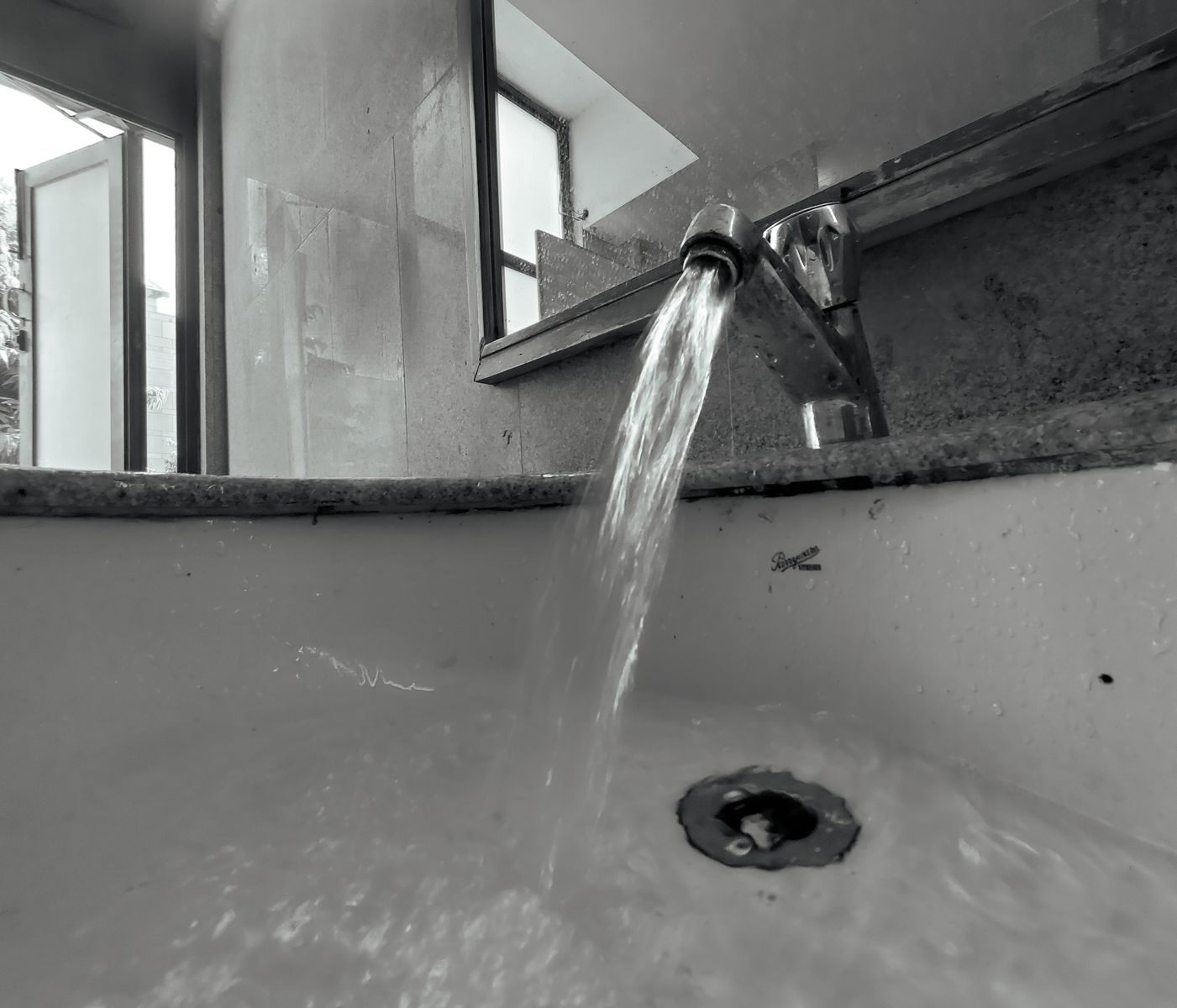
Photo by Ashwani Babbar on Pexels
What Common Plumbing Challenges Do Older Pasadena Homes Face?
Homes in established Pasadena, Maryland neighborhoods often carry decades of plumbing history, and that history comes with challenges. Older plumbing materials, aging supply lines, sewer line deterioration, corrosion, tree root intrusion, and general long-term wear are all more common in homes that have been standing for 30, 40, or more years.
An experienced local plumber who understands the plumbing systems typical of older Pasadena homes can diagnose issues faster and recommend solutions that account for a home’s age and infrastructure, rather than applying a one-size-fits-all fix.
How Do Tree Roots Cause Sewer Line Problems?
Tree roots are a leading cause of sewer line damage in established neighborhoods, but the relationship between roots and pipes is often misunderstood.
Do tree roots actually break through healthy pipes?
Not typically. According to NC State Extension’s Union County office, roots seek out nutrients and moisture and exploit existing cracks or gaps in a pipe rather than breaking through intact piping (NC State Extension, Union County, Feb. 2023). A tiny root enters an existing crack or poorly sealed joint and gradually widens it as it grows. In other words, finding roots inside a sewer line usually means the pipe already had a leak or defect. Montgomery County, Maryland’s own 311 service echoes this: county guidance notes that growing root tips are too tender to break through intact pipe, and that pre-existing defects or poor joints are what let roots in in the first place (Montgomery County, MD 311, last updated 06/14/2022).
Why do roots head toward sewer lines in the first place?
Sewer lines offer a steady source of moisture and nutrients, which makes them naturally attractive to root systems. Roots can spread two to three times as wide as a tree is tall, so even trees planted a reasonable distance from a sewer line can eventually reach it.
How are tree root problems in sewer lines diagnosed and fixed?
A camera inspection allows a plumber to see exactly where roots have entered a line and assess the extent of the damage. Hydro-jetting effectively clears roots and mineral scale in pipes. From there, hydro-jetting can clear roots and buildup from the pipe, and more significant damage may require a sewer line repair or replacement. For general background on how tree root systems grow and spread, the USDA Forest Service provides educational resources on tree biology.
Because sewer and septic systems share some of the same root-intrusion risks, the EPA’s overview of septic systems is another useful reference for homeowners wanting to understand how underground wastewater systems are affected by nearby vegetation.
How Can You Prevent Plumbing Emergencies Before They Start?
A few consistent habits can significantly reduce the odds of a plumbing emergency:
- Schedule annual plumbing inspections with a licensed professional.
- Have drains professionally cleaned rather than relying solely on chemical cleaners.
- Monitor water pressure for sudden changes.
- Don’t ignore small leaks, even ones that seem insignificant.
- Know the location of your home’s main water shut-off valve.
- Replace aging fixtures before they fail completely.
- Schedule regular water heater maintenance, including annual flushing.
- Address slow drains early, before they become complete blockages.
How Do You Choose the Right Plumber in Pasadena for Quality Plumbing Services?
Not all plumbers offer the same level of service, so it’s worth knowing what to look for before an emergency hits.
Does the plumber have real experience?
MD Sewer & Plumbing Services brings more than 35 years of hands-on experience to every job, having served Pasadena and the surrounding Maryland communities since 1989.
Are the technicians licensed and insured?
Plumbers should carry general liability insurance and workers’ compensation coverage.
Working with licensed, insured technicians protects homeowners from liability and ensures the work meets professional standards.
Does the company offer upfront pricing?
A trustworthy plumber provides clear, upfront pricing before work begins, so there are no surprises on the final bill.
Will you receive a written estimate?
Written estimates give homeowners a clear understanding of the scope and cost of a project before any work starts.
Is emergency plumbing service available from local plumbers?
Plumbing emergencies don’t follow business hours. A plumber offering 24/7 emergency availability can make a significant difference when a pipe bursts at midnight.
Does the company have a strong reputation?
Look for a plumber with a track record of positive customer experiences and consistent, reliable service.
Is the business locally owned?
A family-owned, local plumber tends to bring a deeper understanding of the specific plumbing challenges common to the area’s homes.
MD Sewer & Plumbing Services checks each of these boxes, which is part of why homeowners throughout Pasadena continue to rely on the company for both routine maintenance and emergency repairs.
Why Do Homeowners Trust MD Sewer & Plumbing Services For Commercial and Residential Plumbing Serving Pasadena?
MD Sewer & Plumbing Services has been a family-owned plumbing company since 1989, bringing more than 35 years of experience to residential and commercial customers throughout Pasadena and the surrounding Maryland communities. The company’s licensed plumbing technicians handle everything from emergency plumbing and drain cleaning to sewer line services, tankless water heater installation and repair, and leak detection.
Homeowners choose MD Sewer & Plumbing Services for upfront pricing, preventative maintenance programs, friendly customer service, and fast response times—whether it’s a scheduled inspection or a middle-of-the-night emergency.
Don’t Let a Small Plumbing Problem Become a Big One
Plumbing problems rarely resolve themselves, and the warning signs are usually there long before a full-blown emergency hits. A faint musty smell, a slow drain, or an unexplained spike in your water bill are all worth investigating sooner rather than later.
Routine maintenance and early repairs protect your home from the kind of water damage, mold growth, and structural issues that come with a neglected plumbing system. As a trusted, family-owned plumber in Pasadena since 1989, MD Sewer & Plumbing Services is ready to help homeowners address issues before they escalate—and respond quickly when they don’t.
Frequently Asked Questions
How much should I pay for a plumber?
A clear labor warranty should be provided by reputable Pasadena plumbers. Plumbing costs vary based on the type of repair, labor involved, materials needed, and whether the job requires emergency service. More complex projects, like sewer line repair, typically cost more than straightforward fixes like a leaking faucet. It’s always worth requesting a written estimate before work begins so you know exactly what to expect.
What is the 135 rule in plumbing?
The “135 rule” is commonly used to describe combining 45-degree and 90-degree fittings (which together total 135 degrees) to help improve drainage flow and reduce the likelihood of clogs in certain plumbing configurations. Application of this principle can vary depending on the specific plumbing layout and local code requirements, so it’s best discussed with a licensed plumber familiar with Maryland plumbing standards.
What is the best way to find a good plumber?
Look for a plumber who is licensed and insured, has significant hands-on experience, offers transparent upfront pricing, provides written estimates, and has a strong reputation with past customers. Local expertise matters too, since plumbers familiar with an area’s housing stock and common issues can often diagnose problems faster.
How much for a plumber for 3 hours?
Pricing for a multi-hour plumbing job depends on the company’s hourly rate, the materials required, and whether the work falls during regular business hours or requires emergency service. Requesting a detailed estimate upfront is the best way to understand the total cost for a specific job.