A plumbing emergency is any issue that threatens your health, damages your property, or eliminates access to essential water service — think burst pipes, sewage backups, gas leaks, active flooding, or a complete loss of water. These situations require an emergency plumber immediately. Slow drains and minor drips, by contrast, can usually wait for a scheduled appointment.
Not every plumbing hiccup demands a 2 a.m. phone call. A running toilet or a slow bathroom drain is annoying, but it won’t flood your basement by morning. However, some plumbing problems escalate by the minute, and knowing the difference can save you thousands of dollars in water damage, mold remediation, and structural repairs.
According to industry data, the average water damage insurance claim now costs $13,954, and roughly 1 in 60 insured homes files a water or freezing-related claim every year. Water damage is the second most common home insurance claim in the country, behind only wind and hail. For Maryland homeowners in Pasadena, Anne Arundel County, and the surrounding communities, that risk is real — older homes, seasonal freezes, and heavy regional rainfall all raise the odds of a plumbing emergency striking when you least expect it.
Schedule Service Online
Get a free estimate so you know what you're signing up for
"*" indicates required fields
For Emergency Services Call: 410-255-9300
At MD Sewer & Plumbing Services, we’ve spent more than 35 years helping local families tell the difference between “it can wait” and “call now.” This guide walks through the plumbing emergencies that require immediate professional help, what you can safely do while you wait for a technician, and how to prevent the next crisis before it starts.
What Is Considered a Plumbing Emergency?
A plumbing emergency is any issue posing an immediate risk to your health, your home, or your ability to use essential plumbing fixtures. If a problem is actively worsening, causing water damage, or creating a safety hazard, it qualifies as urgent. If it’s a nuisance that isn’t getting worse and isn’t threatening your property, it can typically wait for regular business hours.
What is considered a plumbing emergency?
A plumbing emergency includes any of the following: burst pipes, sewage backups, active flooding, suspected gas leaks, complete loss of water, overflowing toilets that won’t stop, and major water heater leaks. Each of these situations has the potential to cause rapid property damage or expose your household to contaminated water, dangerous bacteria, or gas hazards, so they require an emergency plumber right away.
Common Plumbing Emergencies That Require Immediate Professional Help
Some plumbing problems are more than just inconvenient — they’re urgent. Here are the most common plumbing emergencies homeowners across Maryland run into, and what makes each one dangerous if left unaddressed
Burst Pipes
A burst pipe can release gallons of water within minutes, and in Maryland’s colder months, frozen pipes are frequently the culprit. As water expands inside a frozen pipe, pressure builds until the pipe splits open. The result is immediate property damage: soaked flooring, ruined drywall, and — if the water sits for more than 24 to 48 hours — mold growth that can spread throughout your home.
If you discover a burst pipe, shut off your main water supply immediately, then contact a licensed emergency plumber. Every minute counts here; the longer water flows, the more expensive the repair.
Major Water Leaks
Ceiling leaks, broken supply lines, slab leaks, and weeping pipe joints may not gush like a burst pipe, but they can cause just as much damage over time. While you wait for help, place buckets beneath active leaks, use towels or a wet/dry vacuum to control spreading water, and move furniture, electronics, and valuables away from the affected area. If water is approaching outlets or appliances, shut off electricity to that area if it’s safe to do so. Take photos of the damage for insurance purposes before cleanup begins.
The U.S. Environmental Protection Agency notes that the average household leak wastes more than 9,300 gallons of water every year, and fixing leaks promptly can save homeowners about 10% on their water bills. A dripping faucet alone can waste more than 3,000 gallons annually — proof that even “small” leaks add up fast.
Sewage Backups
A backed-up main sewer line, overflowing drain, or toilet that won’t stop backing up is one of the most serious plumbing problems a homeowner can face. Sewage carries dangerous bacteria and poses real sanitation risks. The Centers for Disease Control and Prevention warns that contact with contaminated water can cause wound infections, gastrointestinal illness, and other health hazards.
If you suspect a sewage backup, stop using every sink, toilet, and plumbing fixture in your home immediately, and call an emergency plumber. Continuing to run water anywhere in the house can make the backup worse.
Overflowing Toilet
An overflowing toilet is often fixable in the short term. Remove the tank lid and lift the float manually to stop water flow, or turn off the shutoff valve located behind the toilet. Avoid flushing again until the issue is resolved, and clean the area safely once the water has stopped. If the toilet continues to overflow after shutting off the valve, that points to a deeper clogged drain or sewer line issue requiring professional attention.
Water Heater Emergencies
Whether it’s a major leak, a complete loss of hot water, or a malfunctioning gas water heater or electric unit, water heater emergencies can damage flooring and walls quickly. If your water heater is leaking, attach a hose to the drain valve, carefully drain the tank, and shut off the water heater along with its power or gas supply. A failing water heater often needs same-day water heater repair, especially in homes with young children, elderly residents, or medical equipment that depends on hot water.
No Running Water
A complete loss of water is more than an inconvenience — it disrupts cooking, hygiene, and sanitation for your entire household. This is especially critical for families with small children, medical needs, or elderly residents, and it typically signals a serious issue such as a main line break or valve failure that needs immediate diagnosis.
Suspected Gas Leak
If you smell gas or hear a hissing sound near a gas line or water heater, evacuate the home immediately. Do not operate light switches, appliances, or anything electrical, as a spark could ignite escaped gas. Contact your utility company and call emergency services if needed. According to the Consumer Product Safety Commission, carbon monoxide is a colorless, odorless gas responsible for more than 200 accidental deaths in the U.S. every year, underscoring why gas-related plumbing issues should never be treated casually.
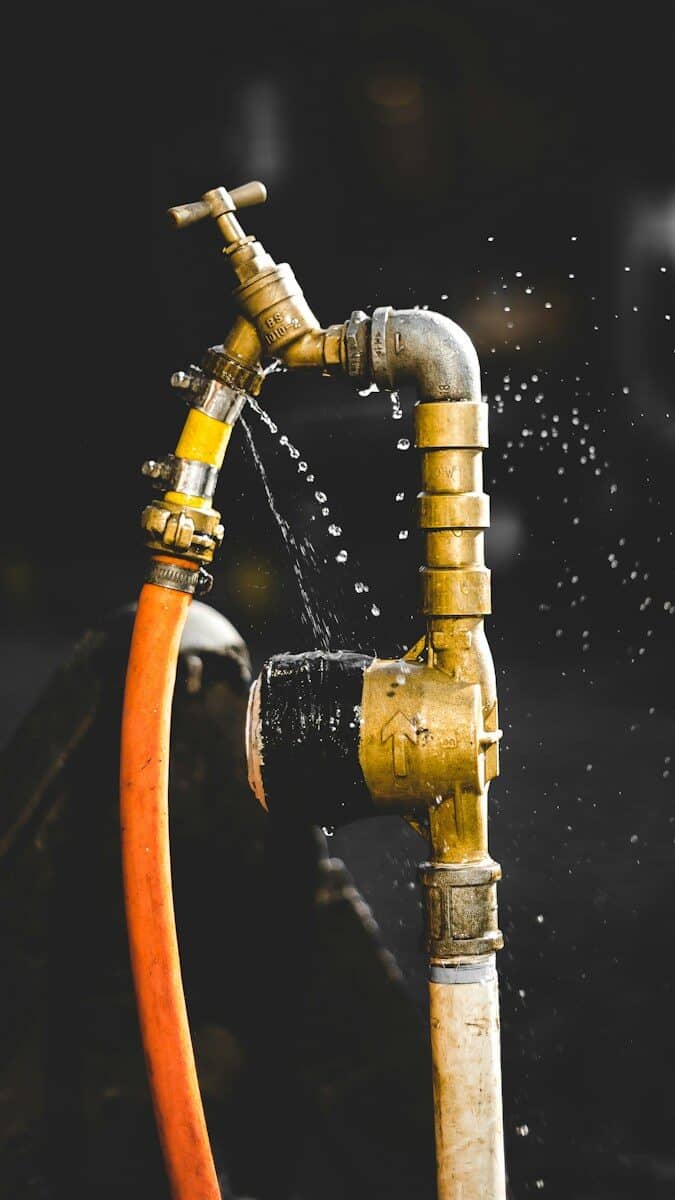
Photo by Timur Shakerzianov on Unsplash
Can It Wait or Should You Call Now?
| Call an Emergency Plumber Immediately | Usually Can Wait for Regular Service |
|---|---|
| Burst pipes | Slow drain |
| Sewage backups | Dripping faucet |
| Active flooding | Minor toilet running |
| No running water | Small, isolated leak |
| Major water leak | Garbage disposal jam |
| Suspected gas leak | Low water pressure (gradual, not sudden) |
| Overflowing toilet that won’t stop | — |
| Water heater flooding | — |
What I Recommend Doing While Waiting for an Emergency Plumber
Even the fastest emergency plumbing service takes a few minutes to arrive. Here’s what to do in the meantime to limit damage and stay safe.
Shut off the main water supply. The shutoff valve is typically located near your water meter or electric water heater. Turning it off stops water flow throughout the entire house, buying you time.
Drain remaining water. Once the main valve is off, open outdoor spigots and the lowest faucets in your home to relieve pressure and drain standing water from the pipes.
Turn off the water heater. This prevents the unit from overheating and protects the equipment. Shut off the gas or electrical supply as well.
Shut off electricity if necessary. Only do this if it’s safe — particularly important if water is pooling near outlets or appliances.
Contain the water. Buckets, towels, and a wet/dry vacuum can protect flooring from further soaking while you wait.
Protect your belongings. Move valuables, furniture, and electronics out of the affected area, and raise anything you can’t move to higher ground.
Avoid chemical drain cleaners. These can worsen the problem, damage your pipes, and create hazards for the technician who arrives to help.
Take photos. Documenting the damage makes both insurance claims and emergency water heater repair estimates faster and easier.
Call a licensed professional. A trained emergency plumber arrives fully equipped with leak detection tools, sewer cameras, and the right parts to make lasting repairs the first time.
If your plumbing emergency stems from broader flooding, the American Red Cross offers helpful guidance on staying safe during and after a flood event, including what to avoid touching and how to protect your family. And if flooding is a recurring concern in your area, the Federal Emergency Management Agency’s flood safety resources are worth bookmarking for future reference.
Why Fast Emergency Plumbing Service Matters
Time is the biggest factor separating a manageable plumbing problem from a costly disaster. Fast action prevents mold growth, limits structural damage, lowers overall repair costs, and protects both your family and your investment in your home.
That’s the reasoning behind offering 24/7 emergency plumbing service in the first place. Emergencies don’t wait for business hours, so neither should the response. A fully equipped service vehicle, staffed by a licensed technician who can diagnose and repair the issue on the first visit, is the difference between a same-day fix and a multi-day ordeal.
How I Respond to Plumbing Emergencies Across Anne Arundel County
MD Sewer & Plumbing Services has spent more than 35 years responding to plumbing emergencies throughout Pasadena, Glen Burnie, Severna Park, Arnold, Millersville, Annapolis, and the surrounding Anne Arundel County communities. As a family-owned, community-focused business, our licensed technicians show up with honest, upfront pricing, free estimates, and the tools needed to solve the problem in one visit — not just patch it temporarily.
Homeowners can schedule service online or call directly for urgent needs, and our team is standing by around the clock for the urgent plumbing problems that simply cannot wait.
Preventing Your Next Plumbing Emergency
While not every plumbing emergency is avoidable, regular maintenance dramatically reduces your risk. Consider the following:
- Schedule annual plumbing inspections to catch small issues before they escalate.
- Keep drains clean to prevent buildup that leads to backups.
- Perform routine water heater maintenance to avoid sudden failures.
- Invest in professional leak detection, especially in older homes.
- Insulate exposed pipes before winter to prevent freezing and bursting.
- Replace aging plumbing systems before they fail unexpectedly.
- Know the location of your main shutoff valve before you need it.
- Address small leaks right away, before they become major water damage claims.
If you’re in Maryland and want guidance on regional water quality or environmental regulations that may affect your home’s plumbing, the Maryland Department of the Environment is a useful resource for local homeowners.
Don’t Wait Until It’s Too Late
Plumbing emergencies rarely announce themselves in advance. One moment your home is running normally, and the next you’re standing in an inch of water wondering where the shutoff valve is. Knowing the warning signs — and acting on them quickly — is what protects your home, your family, and your budget from the worst of it.
MD Sewer & Plumbing Services has been the trusted plumbing partner for Pasadena and Anne Arundel County families for more than 35 years, with technicians standing by 24/7 for the moments that can’t wait. Call now for emergency service, or schedule a free estimate today to get ahead of your next plumbing problem before it becomes one.
Frequently Asked Questions
What is considered a plumbing emergency?
A plumbing emergency includes burst pipes, sewage backups, suspected gas leaks, active flooding, complete loss of water, an overflowing toilet that won’t stop, and major water heater leaks. These situations threaten your health, safety, or property and require an emergency plumber immediately rather than a scheduled appointment.
How much do plumbers charge for emergencies?
Emergency plumbing costs vary based on location, time of day, and the severity of the problem. Many companies charge an emergency or diagnostic fee, often in the range of $75 to $150, in addition to repair costs. Always ask for an upfront estimate before work begins so there are no surprises on your bill.
What plumbing problems are considered emergencies?
The most common plumbing emergencies are burst pipes, sewer backups, major water leaks, suspected gas leaks, complete water loss, active flooding, and water heater failures that cause leaking or flooding. Each of these can cause rapid damage or health risks if not addressed immediately.
Do you provide 24/7 emergency plumbing services in Pasadena, MD?
Yes. MD Sewer & Plumbing Services offers 24/7 emergency plumbing service throughout Pasadena, Anne Arundel County, and surrounding Maryland communities, including Glen Burnie, Severna Park, Arnold, Millersville, and Annapolis. Technicians are available day or night, including weekends and holidays, for plumbing problems that can’t wait.