Professional plumbing installation protects your home from leaks, water damage, and code violations by ensuring pipes, fixtures, and water heaters are installed correctly the first time. At MD Sewer & Plumbing Services, I’ve spent over 35 years helping Pasadena and Anne Arundel County homeowners avoid the safety hazards and expensive repairs that come from improper installation work.
I’ve walked into more homes than I can count where a well-intentioned repair or a rushed installation turned into a much bigger problem. Whether it’s a new water heater, a bathroom remodel, or an entirely new plumbing system for new construction, every installation I complete affects the safety, efficiency, and long-term reliability of that home.
Pasadena and the surrounding Anne Arundel County communities present some unique plumbing challenges. Waterfront properties deal with moisture and flooding concerns that inland homes rarely see. Older homes often still have galvanized piping that’s decades past its intended lifespan. New construction and renovations require careful coordination between plumbing plans and the rest of the build. In every one of these situations, the way plumbing installation is handled determines whether a homeowner enjoys years of trouble-free service or faces recurring leaks, low water pressure, and expensive repairs.
Schedule Service Online
Get a free estimate so you know what you're signing up for
"*" indicates required fields
For Emergency Services Call: 410-255-9300
This guide walks through what plumbing installation actually involves, why professional work matters so much, and what Maryland homeowners can expect when it’s time to install or replace plumbing in their home. Schedule your service today, and let’s make sure your plumbing system is built to last.
What Is Plumbing Installation?
Plumbing installation is the process of designing, permitting, and building the water supply, drainage, and vent systems that keep a home running. It starts long before a single pipe goes into the wall. I review blueprints, map out plumbing routes, secure the necessary permits, and follow local building codes at every step. Once the work is complete, it has to pass inspection before anyone can use it.
For a new home, plumbing installation typically unfolds in several distinct phases.
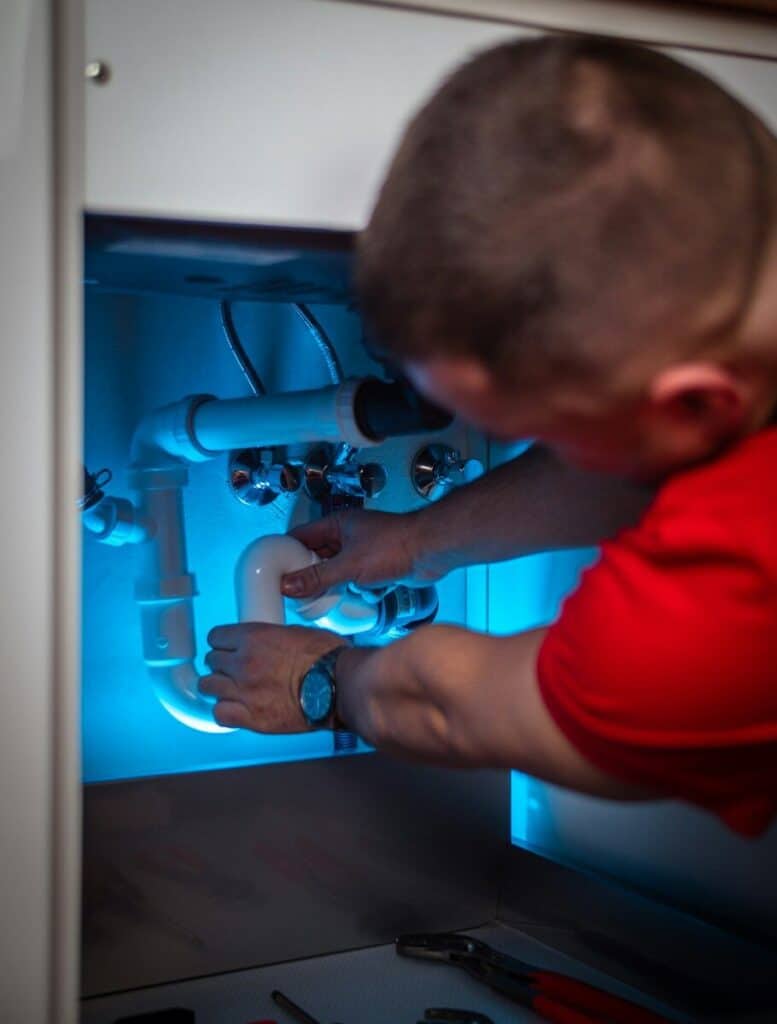
Photo by Timur Shakerzianov on Unsplash
Planning and Layout Design
This is where I review architectural blueprints and plan plumbing paths before any construction begins. I determine fixture locations, select the right pipe materials for the project, and secure the permits required by the local jurisdiction. Skipping this step is one of the fastest ways to end up with a plumbing system that doesn’t work well with the rest of the house.
Underground Plumbing
Sewer lines, drain pipes, and water service lines all need to go in before the foundation is poured. Getting this stage right matters because correcting underground plumbing after a foundation is in place is disruptive and costly.
Rough-In Stage
Once the foundation is set, I install the pipes that will run inside walls and floors, including water supply lines, drain pipes, and vent pipes. This is also when I pressure test the system, before drywall goes up and everything gets covered.
Fixture Installation (Trim-Out)
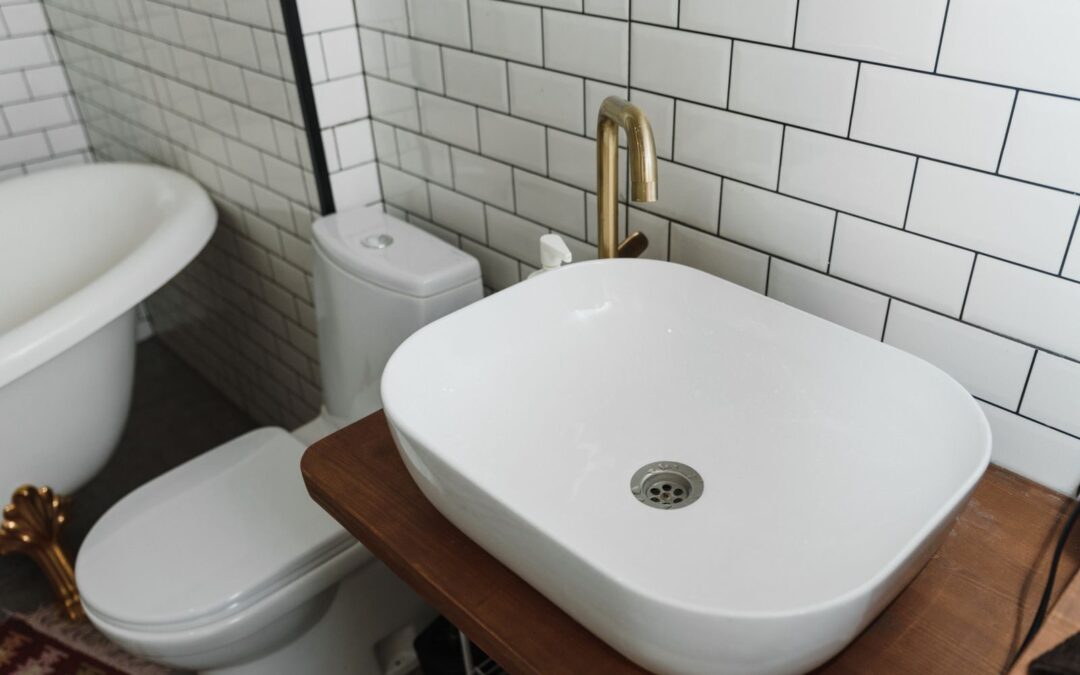
After the drywall is hung and painted, it’s time to install toilets, faucets, sinks, showers, garbage disposals, and water heaters. I test every fixture for water pressure, drainage, and proper operation before calling the job complete.
Final Testing and Inspection
Inspectors verify pipe sizing, pipe slopes, connections, and code compliance. I also run final leak tests to confirm everything functions correctly before the system gets approved for use.
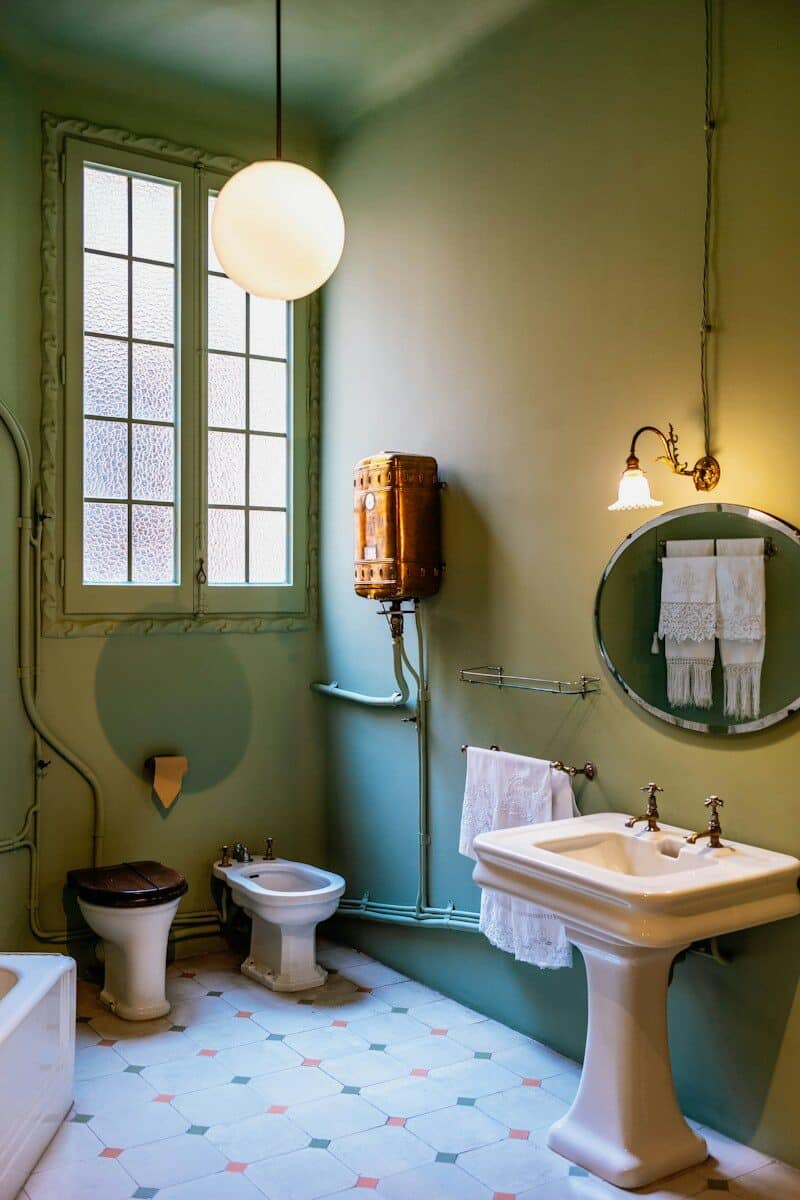
Photo by tommao wang on Unsplash
Understanding the Parts of a Plumbing System
A home’s plumbing system relies on three main components working together.
Water supply lines deliver clean water under pressure throughout the home. I typically install these using copper or PEX piping, depending on the project and the homeowner’s needs.
The drainage system relies on gravity to remove wastewater. Proper flow is essential here, which is why drain pipes require the correct slope, generally around ¼ inch per foot. Without that slope, homeowners end up with slow drainage, standing water, and frequent clogs.
Vent pipes prevent vacuum pressure from forming in the drainage system, protect plumbing traps, and allow sewer gases to safely exit the home rather than backing up into living spaces.
When these three systems are installed correctly and work together, a home’s plumbing runs quietly in the background. When they’re not, homeowners notice it fast.
Why Hiring a Professional Plumber Is the Safest Choice
Local Codes Matter
Plumbing permits exist for a reason, and local authorities in Maryland issue them to ensure installation work meets safety and performance standards. Local plumbing codes dictate the materials and installation techniques allowed for a given project. The International Association of Plumbing and Mechanical Officials (IAPMO) develops the Uniform Plumbing Code (UPC), one of the major model codes used across the United States, though local jurisdictions adopt and modify their own versions. The International Code Council (ICC) also plays a significant role in developing the building codes that govern construction projects nationwide.
Ignoring these codes can lead to illegal installations, failed inspections, costly corrections, and fines. Noncompliant plumbing work almost always has to be redone before it can pass inspection, which ends up costing homeowners more time and money than doing it right the first time.
Safety Benefits
Professional installation helps prevent a long list of problems: water damage, low water pressure, sewer gas leaks, gas line hazards, mold growth, costly repairs, and premature equipment failure. The Consumer Product Safety Commission (CPSC) publishes guidance on home safety related to appliances and gas lines, underscoring why gas line installation specifically should never be a DIY project.
Common Plumbing Installation Mistakes I Help Customers Avoid
Over the years, I’ve seen the same installation mistakes cause problems again and again:
- Ignoring local building codes, which leads to failed inspections and mandatory rework.
- Skipping permits, which can create legal and resale complications down the road.
- Improper cementing of pipes, resulting in joint failure and leaks.
- Mixing incompatible metals, which causes electrochemical corrosion over time.
- Overtightening plastic fittings, which can crack fittings and cause future leaks.
- Incorrect pipe slope, leading to standing water, slow drainage, and frequent clogs.
- Poor venting, which allows sewer gases to enter the home and disrupts proper drainage.
- Inadequate freeze protection, a real concern during Maryland winters, when unprotected pipes can freeze and burst.
Each of these mistakes is preventable with proper training and attention to detail, which is exactly what a licensed plumber brings to the job.
Plumbing Installation Services We Commonly Perform
Fixture installation covers toilets, faucets, sinks, showers, and kitchen sinks. These are some of the most requested installation services because fixtures wear out or become outdated over time.
Water heater installation includes both tank and tankless models. According to the U.S. Department of Energy, tankless water heaters can save approximately 33% on hot water heating costs compared to conventional storage water heaters, and ENERGY STAR-certified models can save a family of four roughly $95 per year, or $1,800 over the unit’s lifetime. You can find more details on water heater efficiency through the U.S. Department of Energy’s water heating resources.
Repiping older homes is a service I perform often in Pasadena, where many houses still have aging galvanized piping. Replacing it with new copper or PEX piping improves water pressure and long-term reliability.
Garbage disposal installation adds convenience and improves kitchen efficiency and waste removal.
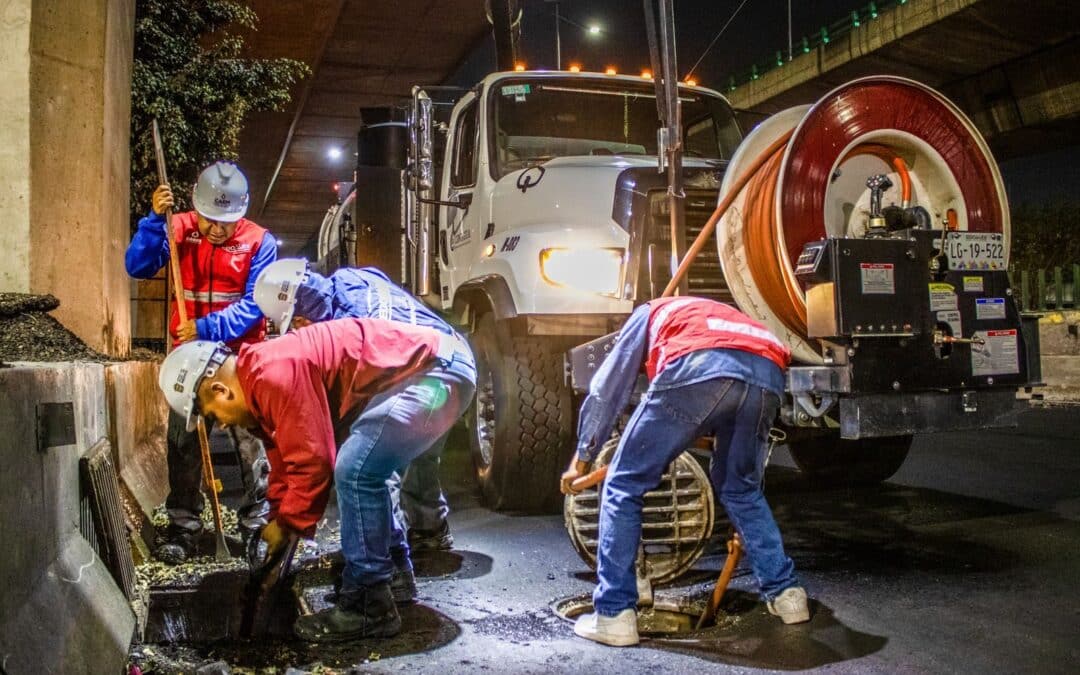
Sewer line installation requires proper slope and modern materials to keep wastewater moving efficiently away from the home.
Gas line installation for appliances and water heaters requires strict adherence to safety requirements and should only be handled by a licensed professional.
Sump pump installation helps prevent flooding, controls moisture, and protects basements, which is especially important for the waterfront properties common throughout our service area. The Federal Emergency Management Agency (FEMA) offers helpful guidance on flood preparedness and protective measures like sump pumps and drainage improvements for homes in flood-prone areas.
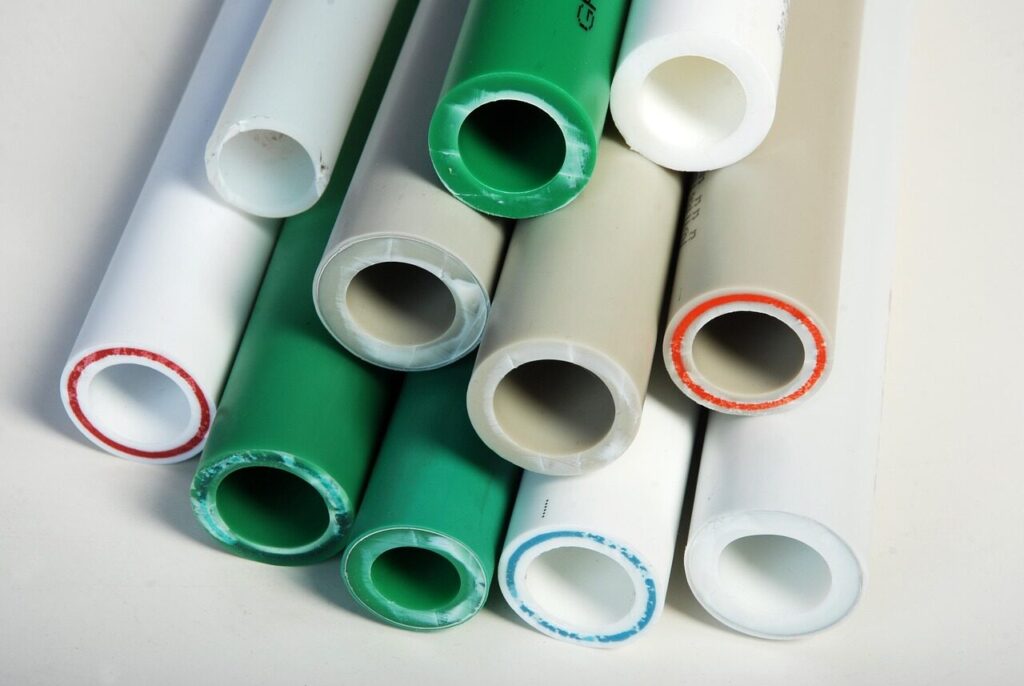
Photo by vedatzorluer on Pixabay
Choosing the Right Pipe Materials
Copper has long been a trusted choice for water supply lines thanks to its durability and resistance to bacteria. PEX has become increasingly popular because it’s flexible, resistant to freezing damage, and often faster to install.
The right material for your project depends on several factors: the age of your home, your budget, local water quality, freeze resistance needs, and how much future maintenance you want to plan for. I walk every customer through these considerations before recommending a material for their specific project.
Plumbing Installation and Water Pressure
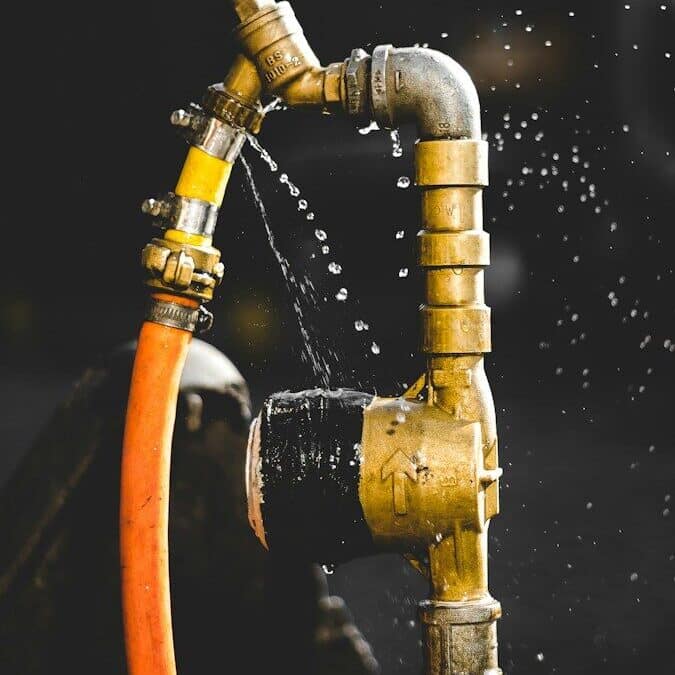
Water pressure problems often trace back to installation issues. Improper pipe sizing, poor pressure balancing, or a system that wasn’t designed to support multiple fixtures running at once can all lead to weak water pressure throughout a home. When plumbing installation is done correctly from the start, homeowners rarely have to think about water pressure at all.
Plumbing Installation Can Improve Energy Efficiency
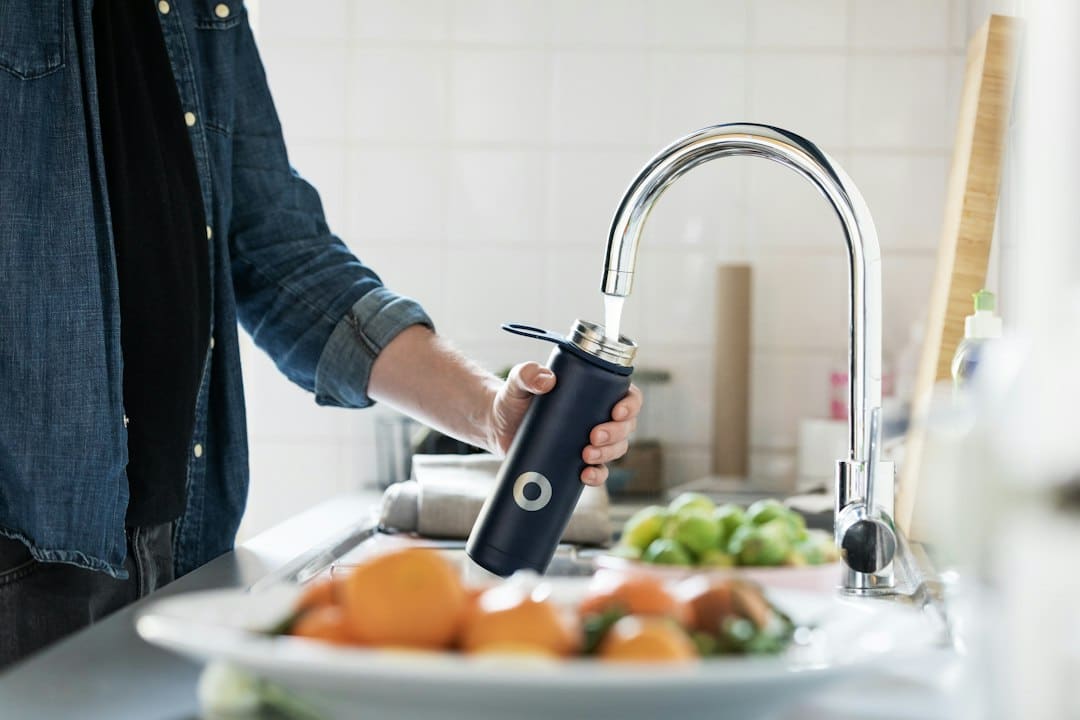
Modern plumbing installation isn’t just about function. It’s also an opportunity to improve a home’s overall efficiency. Efficient fixtures, tankless water heaters, and water-conserving models all reduce utility bills over time. The EPA’s WaterSense program reports that each American uses an average of 82 gallons of water per day at home, and that installing water-efficient fixtures can reduce that usage by at least 20%. The average family spends more than $1,000 per year on water costs but can save upward of $380 annually by retrofitting with WaterSense labeled fixtures and ENERGY STAR certified appliances. Choose water-efficient fixtures if lowering your monthly utility bills matters as much to you as the upfront installation cost.
Why Professional Plumbing Work Saves Money
I understand why some homeowners consider handling plumbing work themselves or hiring the cheapest available option. But professional installation saves money over the long run by avoiding repeat repairs, reducing emergency calls, and ensuring proper workmanship and inspections from the start. According to the Insurance Information Institute, water damage and freezing claims made up nearly 24% of all homeowners insurance claims in 2021, with the average claim exceeding $12,500. Household leaks alone waste an estimated 900 billion gallons of water annually nationwide, according to EPA WaterSense data. Professional installation dramatically reduces the odds that your home becomes part of those statistics, while also protecting your property value over time.
Plumbing Installation Costs: What Maryland Homeowners Should Expect
Installation costs vary based on several factors: the scope of the project, whether it’s new construction or a remodel, home size, the number of fixtures involved, pipe materials, labor rates, permit fees, inspection fees, and site accessibility. Crawl spaces, waterfront homes, and older plumbing systems can all add complexity and cost to a project.
Because so many variables affect the final price, an itemized estimate from a licensed plumber gives you the clearest picture of what to expect before work begins. Request your free estimate and I’ll walk you through exactly what your project involves.
Why Maryland Homeowners Trust MD Sewer & Plumbing
For more than 35 years, I’ve served Pasadena and the surrounding communities as a licensed, family-owned plumbing business. My technicians bring honest pricing, advanced equipment, and a preventative maintenance mindset to every job, along with 24/7 emergency availability when problems can’t wait. I’ve worked on countless older homes and waterfront properties throughout Anne Arundel County, which means I understand the specific installation challenges this area presents. When you hire MD Sewer & Plumbing, you’re getting installations done correctly the first time. Experience the difference of family-owned service.
Protecting Your Home Starts With Professional Plumbing Installation
Safe plumbing installation protects your entire plumbing system, prevents expensive future repairs, and keeps your home in compliance with local codes. Whether you’re installing a new water heater, repiping an older home, or building a plumbing system from scratch for new construction, professional workmanship provides safety, efficiency, and long-term peace of mind.
Don’t wait until a small installation mistake turns into a costly repair. Schedule your service today, or call now—our technicians are standing by 24/7 to protect your home from costly plumbing problems.
Frequently Asked Questions
What is a plumbing installation?
Plumbing installation is the complete process of building a home’s water supply, drainage, and vent systems. It includes planning, obtaining permits, installing underground piping, completing rough-in work, installing fixtures, and passing final inspections before the system is approved for use.
How much does it cost to install plumbing in a house?
Plumbing installation costs depend on home size, project scope, the number of fixtures, pipe materials, labor rates, permit fees, and whether the work is part of new construction or a remodel. The clearest way to understand your total cost is to request an itemized estimate from a licensed plumber.
What is the 135 rule in plumbing?
The “135 rule” generally refers to using a 135-degree change in direction, often achieved with two 45-degree fittings, instead of a sharp 90-degree turn in drainage systems where appropriate. This approach can improve flow and reduce the chance of clogs. Specific requirements depend on the plumbing code adopted by your local jurisdiction, so it’s worth checking with a licensed plumber familiar with your area’s codes.
Can you install plumbing yourself?
Some minor fixture replacements may be manageable as a DIY project. However, most plumbing installations involving water supply lines, drain systems, sewer lines, gas lines, or water heaters require permits, code compliance, and inspections. Hiring a licensed professional ensures the work meets safety standards and holds up over the long term. For additional guidance on residential water safety, the CDC’s Healthy Water program offers helpful consumer resources on maintaining safe drinking water in the home.