Commercial plumbing serves offices, restaurants, schools, and other businesses with heavy-duty systems built for constant use. Unlike residential plumbing, it requires industrial-grade materials, stricter health codes, and specialized expertise. I’ve spent over 35 years helping Maryland businesses install, repair, and maintain these systems, including 24/7 emergency response throughout Pasadena, Anne Arundel County, and the surrounding communities.
I’ve walked into more flooded break rooms and backed-up restaurant kitchens than I can count, and I understand exactly how disruptive a plumbing issue can be for a business. When a pipe bursts in your home, it’s stressful. When it happens at your restaurant during the lunch rush, it’s lost revenue, unhappy customers, and a scramble to get things fixed before word gets out.
Commercial plumbing isn’t just a bigger version of residential plumbing. It’s a different discipline altogether, with different equipment, different codes, and a much higher cost of downtime. Business owners who understand how their systems work, and who invest in the right maintenance, tend to avoid the kind of emergencies that shut their doors.
Schedule Service Online
Get a free estimate so you know what you're signing up for
"*" indicates required fields
For Emergency Services Call: 410-255-9300
I’ve spent more than three and a half decades working on commercial plumbing throughout Pasadena, Anne Arundel County, and the surrounding Maryland communities. This guide covers what I wish every business owner knew before their next plumbing emergency happens, not after.
What Is Commercial Plumbing?
What Commercial Plumbing Includes
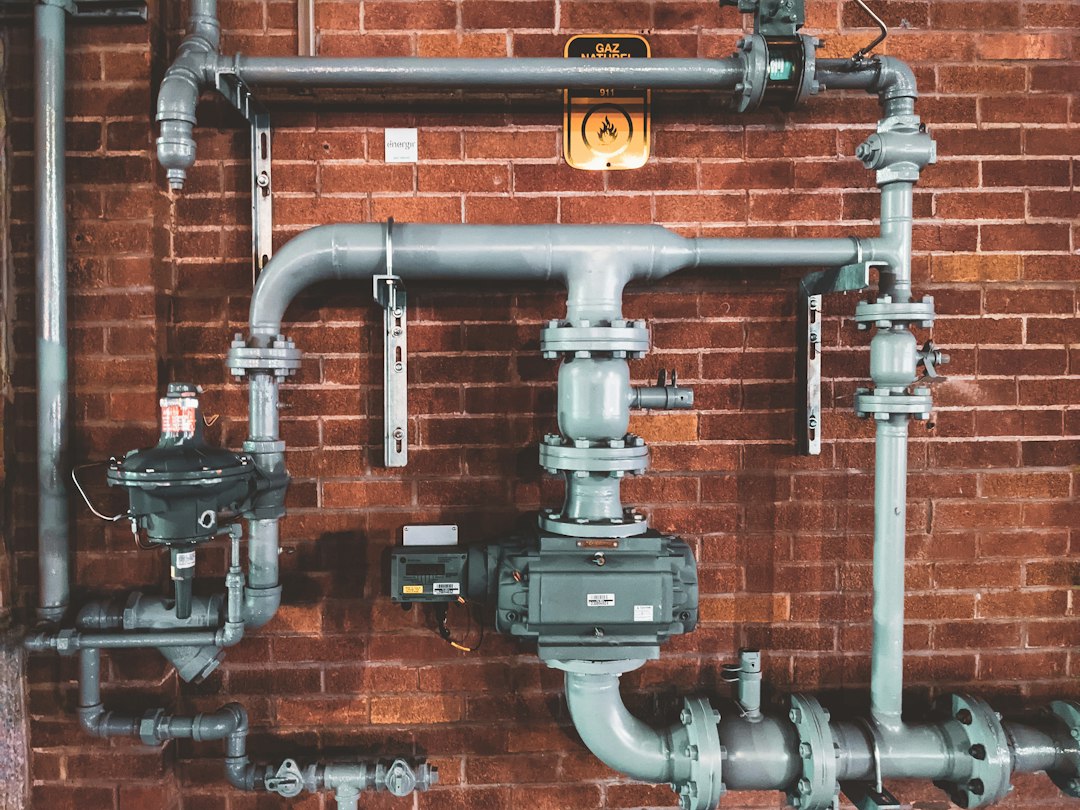
Commercial plumbing covers the water supply, drainage, and waste removal systems installed in non-residential buildings. That includes offices, restaurants, schools, hospitals, retail stores, apartment complexes, warehouses, and industrial facilities.
These systems are built to handle constant, heavy use from dozens or even hundreds of people every day. A restaurant kitchen runs water almost nonstop during service hours. An office building with multiple floors needs water pressure and drainage that reach every restroom without fail. Commercial plumbing keeps all of it running, and it also plays a direct role in maintaining sanitation and public health standards.
Because the stakes are higher, commercial plumbing requires specialized training, commercial-grade equipment, and a deeper understanding of how large-scale systems interact.
How Commercial Plumbing Differs from Residential Plumbing
Residential plumbing serves one household, with usage that rises and falls throughout the day. Commercial plumbing serves many people at once, often across multiple floors and complex layouts that residential systems never have to account for.
A few of the biggest differences I see on the job:
- Materials: Commercial systems use industrial-grade, durable materials designed for constant strain.
- Regulations: Commercial buildings must follow stricter public health and safety codes than private homes.
- Fixtures: Commercial restrooms typically use flushometer toilets instead of the tank-style toilets found in homes.
- Water heaters: Commercial-grade water heaters are significantly larger than residential units, built to serve many people simultaneously.
Understanding these differences matters because a residential plumber without commercial experience can misjudge a system’s demands, leading to repeat failures.
Helpful resource: The National Institute of Building Sciences offers detailed guidance on building systems standards, including plumbing infrastructure for commercial properties.
Commercial Plumbing Services Every Business Should Know About
Commercial Plumbing Installations
New construction, tenant improvements, and plumbing remodels all fall under this category. I provide commercial water heater installation, complete plumbing systems, water supply lines, drainage and sanitary sewer systems, commercial sinks and fixtures, gas lines, and commercial-grade water heaters. Every installation has to be sized correctly for the building’s occupancy and use, or problems show up fast.
Commercial Plumbing Repair
Repairs are where fast, accurate work matters most. This includes fixing water leaks, burst pipes, broken fixtures, sewer line damage, drain blockages, gas line issues, and water heater or boiler failures. Emergency repairs fall here too, and they’re often the calls that come in when a business genuinely can’t wait.
Plumbing Maintenance Services
Routine and preventative maintenance is where I try to steer every commercial client. Annual inspections and equipment checks catch small problems before they become expensive ones. This kind of maintenance extends equipment lifespan, reduces downtime, and prevents the costly breakdowns that hit a business’s bottom line.
Common Commercial Plumbing Problems I See
Clogged Drains
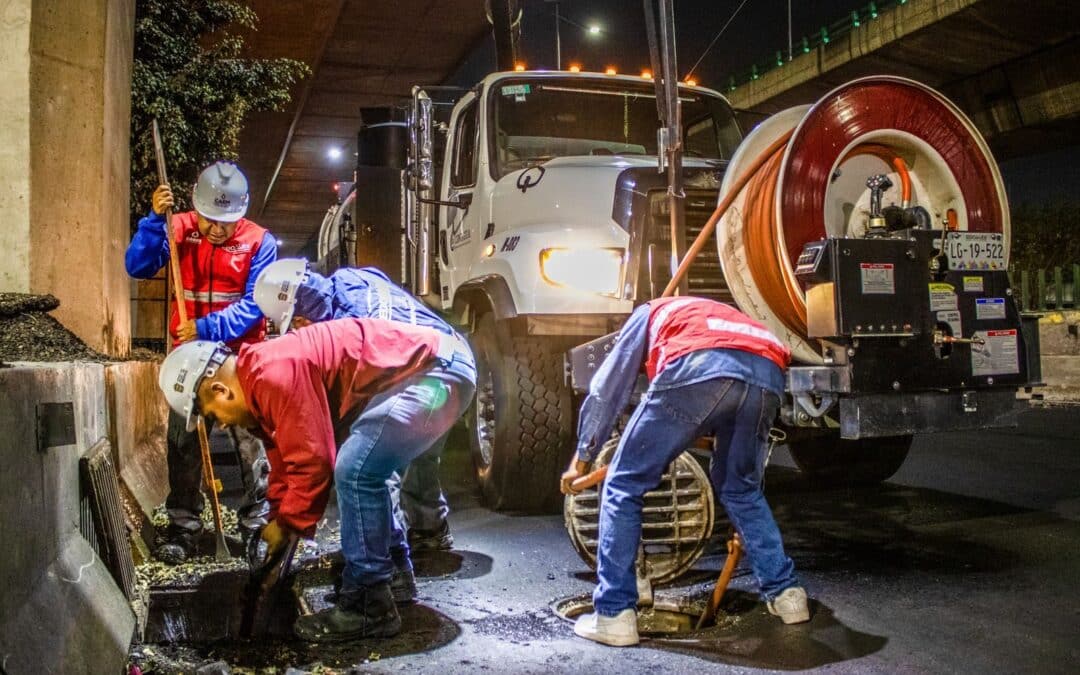
Grease buildup, food waste, and paper products cause constant trouble in commercial kitchens and restrooms. Heavy daily usage accelerates the problem. For severe blockages, hydro jetting uses high-pressure water to clear the line completely, rather than just punching a temporary hole through the clog.
Sewer Line Problems
Root intrusion, pipe deterioration, and blockages lead to backups that can shut down an entire building. Broken sewer lines are among the most disruptive issues a commercial property can face, since they affect every fixture connected to the system.
Water Heater Problems
Commercial-grade water heaters and boilers face constant demand. Scale buildup, equipment failures, and hot water shortages are common, especially in restaurants, salons, and medical facilities that rely on consistent hot water.
Hidden Water Leaks
A leak behind a wall or under a slab can run for weeks before anyone notices, quietly driving up utility bills while water damage spreads. Left unchecked, hidden leaks lead to mold concerns and structural damage that cost far more to fix than the original leak.
Fixture Failures
Commercial sinks, faucets, flush valves, toilets, and urinals see far more use than their residential counterparts, and they wear out accordingly. Regular fixture inspections catch failures before they cause a mess in front of customers.
Backflow Problems
Backflow prevention protects a building’s drinking water from contamination, and it’s a public safety issue, not just a plumbing one. Many commercial properties are required to complete annual backflow testing to stay compliant with local regulations.
Helpful resource: The EPA’s WaterSense program provides best management practices for water efficiency in commercial buildings, including guidance on fixtures and facility types.
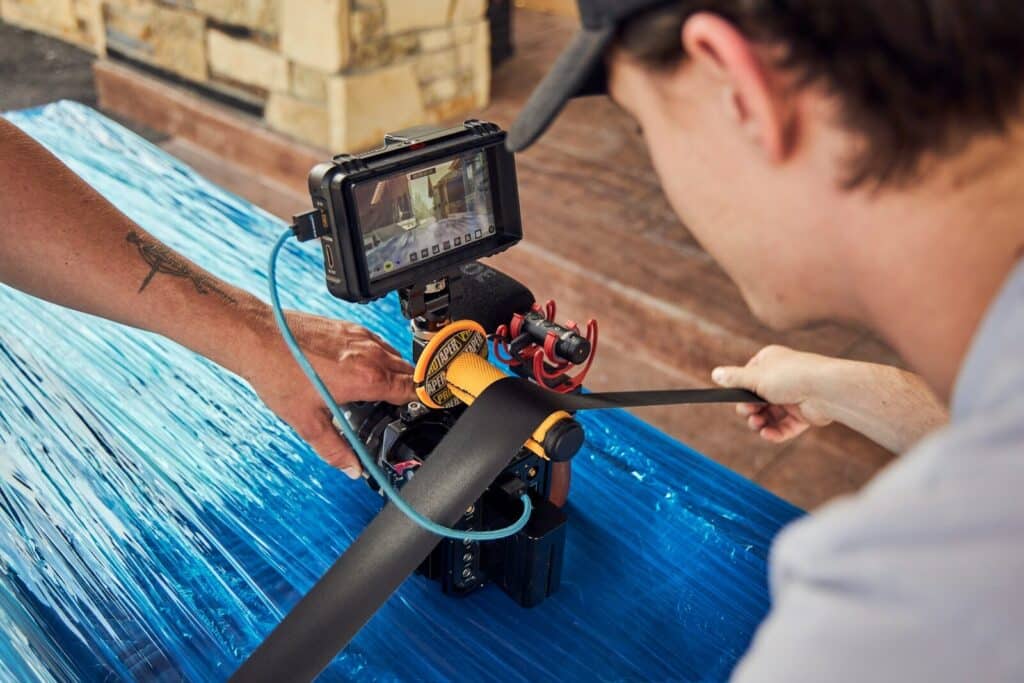
Photo by David Glessner | Photographer & Director on Unsplash
Advanced Commercial Plumbing Technology Makes Repairs Faster
Video Camera Inspections
Pipe inspection cameras let me see exactly what’s happening inside a line, whether it’s cracks, corrosion, offsets, root intrusion, or blockages. This saves time because I’m diagnosing the actual problem instead of guessing.
Electronic Leak Detection
Electronic leak detection finds hidden leaks without tearing into walls or floors. That means lower repair costs and far less disruption to a business that needs to stay open.
Hydro Jetting
High-pressure water clears grease, sludge, debris, and roots from pipes, restoring full flow without the need for harsh chemicals.
Trenchless Pipe Relining
Trenchless technology repairs damaged sewer lines without extensive digging. That means less damage to parking lots and landscaping, and a faster turnaround for the business.
Complex Troubleshooting For Plumbing Solutions
Large commercial properties often have multiple water supply zones and extensive drainage systems. Diagnosing problems in these layouts requires specialized testing that goes well beyond what a residential plumber typically handles.
Helpful resource: The CDC’s Healthy Water program offers information on water quality standards relevant to commercial facilities, including restaurants and healthcare settings.
Why Preventative Plumbing Maintenance Saves Businesses Money
Annual Plumbing Inspections
Catching problems early is always cheaper than fixing an emergency. Annual inspections identify wear and weak points before they turn into failures.
Routine Preventative Maintenance
Drain cleaning, leak inspections, water heater servicing, sewer inspections, and fixture maintenance all belong in a regular maintenance schedule for any commercial property.
Preventing Costly Breakdowns
A plumbing emergency doesn’t just cost money to fix. It costs downtime, tenant complaints, water damage, and sometimes lost inventory. Preventative maintenance minimizes all of it.
Equipment Lifespan
Systems that receive proactive care last longer and run more reliably, which means fewer replacement costs down the road.
Helpful resource: OSHA publishes workplace safety standards that apply directly to plumbing systems in commercial and industrial settings.
Emergency Commercial Plumbing Services
Why Fast Response Matters
Water leaks, sewer backups, burst pipes, no hot water, overflowing toilets, and gas line concerns don’t wait for business hours. When any of these hit, every hour of downtime means lost revenue and frustrated customers.
Fast emergency response helps businesses reopen sooner, protects property from further damage, and limits the financial hit of an unexpected shutdown. I provide 24/7 emergency plumbing services with fast response throughout Pasadena, Anne Arundel County, and the surrounding Maryland communities, because plumbing emergencies don’t check the clock before they happen.
Helpful resource: FEMA offers business continuity and emergency preparedness resources that help commercial property owners plan for disruptions, including plumbing-related emergencies.
Why Maryland Businesses Trust Me for Reliable Commercial Plumbing Services
Experience Matters
I run a family-owned business that’s served Maryland for more than 35 years. That means licensed technicians, honest pricing, advanced equipment, and complete plumbing solutions under one roof.
Industries I Serve
I’ve worked with restaurants, retail stores, offices, medical facilities, schools, churches, warehouses, apartment buildings, HOAs, property managers, and industrial facilities across the region. Every industry has different plumbing demands, and I’ve spent decades learning what each one needs.
Why Customers Choose MD Sewer & Plumbing
Fast scheduling, free estimates, upfront pricing, and 24/7 emergency service keep my commercial clients coming back. So does reliable workmanship and knowing exactly who’s showing up at their door.
Helpful resource: IAPMO, the International Association of Plumbing and Mechanical Officials, develops the codes and standards that protect public health and safety in plumbing systems nationwide.
Photo by Vladimir Srajber on Pexels
Protect Your Business with Professional Commercial Plumbing
Commercial plumbing systems are the backbone of daily operations for every business I work with. When they’re running properly, nobody thinks about them. When they fail, everything else stops.
Regular maintenance prevents most emergencies before they start. Advanced diagnostic tools mean repairs get done right the first time. And working with a plumber who understands the specific demands of commercial systems protects your employees, your customers, your tenants, and your property.
I’ve spent over 35 years helping Maryland businesses stay open and running with dependable commercial plumbing solutions, and I’m not planning to slow down anytime soon.
Don’t wait for a plumbing emergency to shut your doors. Schedule Your Service Today or Call Now—Technicians Available 24/7.
Frequently Asked Questions
What does commercial plumbing mean?
Commercial plumbing refers to the water supply, drainage, and waste removal systems installed in non-residential buildings, such as offices, schools, hospitals, retail stores, and industrial facilities. It differs from residential plumbing because it’s built for heavier daily use, larger fixtures, and stricter public health regulations.
How much does a commercial plumber charge?
Commercial plumbing costs vary based on building size, system complexity, the type of repair needed, whether emergency service is required, and the materials involved. The best way to get an accurate number is to request a free estimate for your specific property.
Is commercial plumbing a good career?
Commercial plumbing offers strong demand, specialized training opportunities, and long-term career stability. Because commercial systems require more advanced skills than residential work, experienced commercial plumbers are often in high demand.
Do commercial plumbers make good money?
Experienced, licensed commercial plumbers often earn competitive wages due to the specialized skills, code knowledge, and problem-solving ability the work requires.
Helpful resource: For business owners planning facility upgrades or emergency preparedness budgets, the U.S. Small Business Administration offers guidance on funding, planning, and operational resilience.