
Sewer line repair in Maryland addresses damage from tree root intrusion, aging pipes, ground shifting, and debris buildup. Warning signs include slow drains, sewage backups, foul odors, wet yard spots, cracks in concrete slabs, and visible leaks in exposed pipes. MD Sewer & Plumbing—serving Pasadena and surrounding Maryland communities for over 35 years—offers camera inspections, trenchless repair, pipe lining, hydro jetting, spot repair, and full sewer line replacement.
A sewer problem rarely announces itself with much warning. One day your drains run fine. The next, there’s a gurgling sound from the toilet, a faint smell you can’t quite place, or water backing up where it shouldn’t. These aren’t random nuisances—they’re your plumbing system sending a clear message.
Ignoring that message is expensive. Subtle warning signs of sewer line problems can lead to major emergencies if ignored. What starts as a slow drain or a minor root intrusion can escalate into a collapsed pipe, a flooded basement, or raw sewage in your yard. The longer the problem sits, the more damage accumulates—and the higher the repair bill climbs.
Schedule Service Online
Get a free estimate so you know what you're signing up for
"*" indicates required fields
For Emergency Services Call: 410-255-9300
That’s why prompt, professional sewer line repair matters so much for Maryland homeowners and businesses. At MD Sewer & Plumbing, we’ve been solving exactly these problems since 1989. With over 35 years of experience serving Pasadena and the surrounding communities, our licensed technicians provide a full range of sewer services—from emergency repairs and drain cleaning to video camera inspections, hydro jetting, root removal, and complete sewer line replacement.
This guide covers everything you need to know: the warning signs to watch for, what causes sewer line damage, the repair methods available to you, what it costs, and how to protect your system long-term.
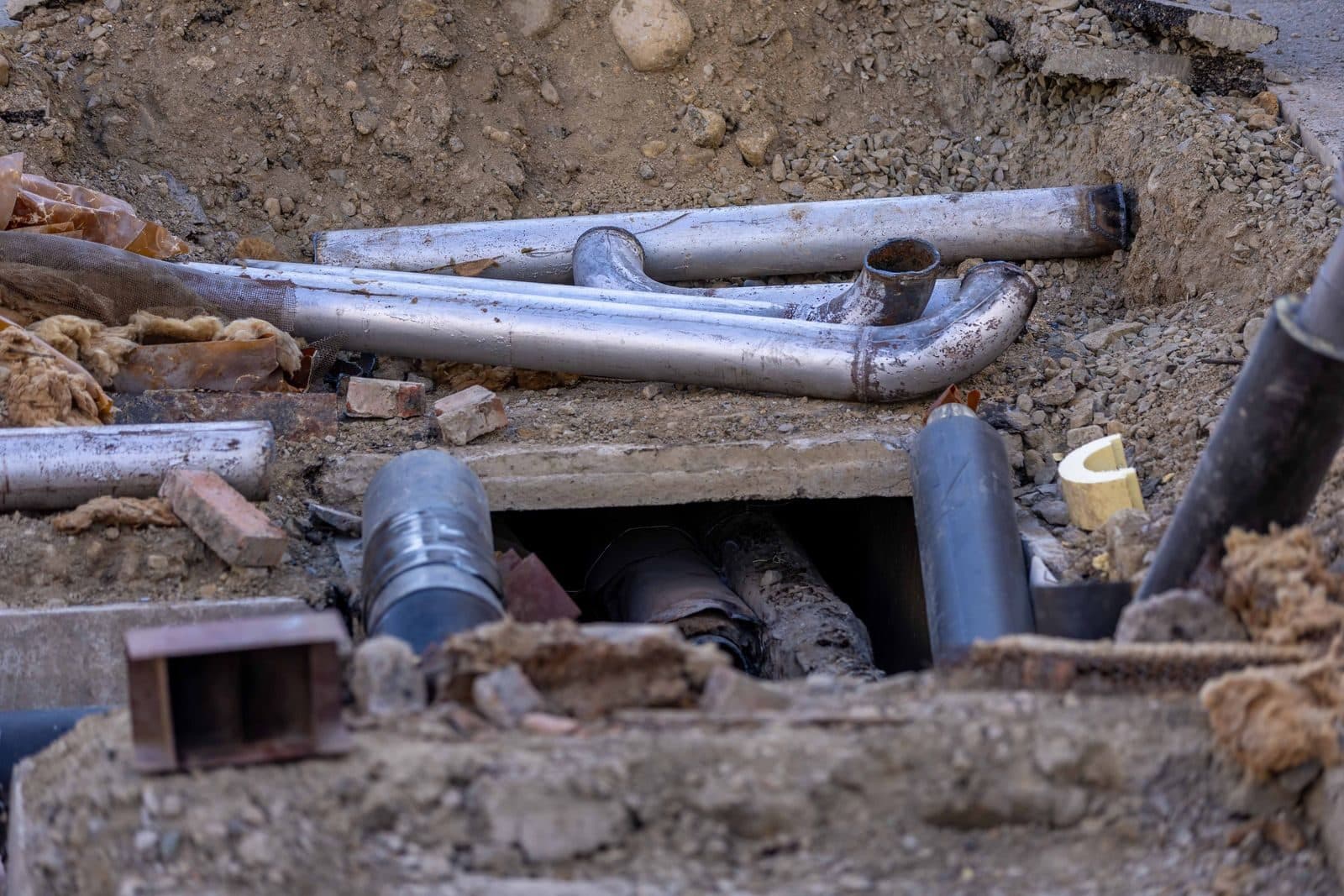
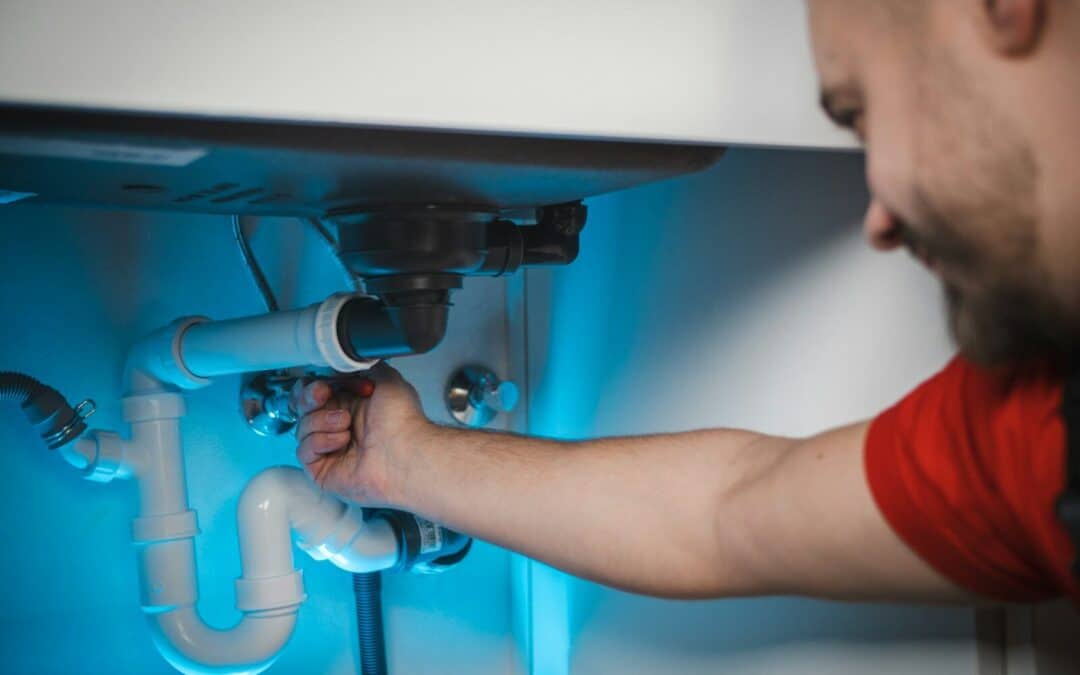
Photo by Sergei Starostin on Pexels
Why Sewer Line Repair Matters for Your Home or Business
Understanding Your Main Sewer Line
Your home’s main sewer line is the single pipe that carries all wastewater away from your property and connects it to the municipal sewer system. Every drain in your home—every toilet, sink, shower, and appliance—feeds into that one line. When something goes wrong with it, the entire plumbing system feels the impact.
Healthy sewer lines work invisibly in the background. Damaged ones make themselves known fast. A cracked or partially blocked line restricts flow, creates pressure imbalances, and forces wastewater to find the path of least resistance—which may be back into your home. Prompt repairs don’t just fix a pipe; they protect your foundation, your indoor air quality, and the structural integrity of your property.
What Are the Warning Signs You Need Sewer Line Repair?
Why Do Multiple Slow Drains Point to a Main Sewer Line Problem?
A single slow drain usually means a localized clog—hair in the shower, grease in the kitchen sink. When multiple fixtures drain slowly at the same time, the problem is almost always deeper in the system. That pattern points to a blockage or damage in the main sewer line itself, not in any one branch.
If your bathroom sink, shower, and toilet all seem sluggish at the same time, don’t reach for a bottle of drain cleaner. Call a professional for a proper inspection.
Why Do Sewage Backups Require Immediate Professional Sewer Line Repair?
Sewage backup is an emergency—full stop. When wastewater reverses direction and pushes back through your drains or toilets, it brings with it bacteria, viruses, and pathogens that pose serious health risks. Frequent backups are a strong indicator of a significant obstruction or break in the sewer line—not a surface-level clog. According to the U.S. Environmental Protection Agency, raw or partially treated sewage can expose households to dangerous contaminants and should be treated as a public health hazard.
Do not attempt to clean up sewage backup without protective equipment, and contact a licensed plumber immediately. The underlying pipe damage will not resolve itself.
What Do Foul Sewer Odors Around Your Property Indicate a Broken Sewer Line?
If you detect a rotten egg smell inside your home or near your yard, sewer gas is likely escaping through a crack or breach in your sewer pipe. Sewer gas odors suggest a blockage or broken sewer line—and that gas contains hydrogen sulfide, which the CDC’s NIOSH Pocket Guide identifies as a serious inhalation hazard at higher concentrations. Even at lower levels, persistent exposure is unpleasant and warrants immediate investigation.
Sewer odors can appear indoors near floor drains, in basements, or outdoors over the pipe’s path through the yard. Neither location should be dismissed.
What Causes Gurgling Noises from Toilets and Drains?
Gurgling sounds happen when air becomes trapped in your drain system. This occurs when a partial blockage or pipe damage disrupts the normal flow of wastewater, forcing air to bubble back up through the water in your traps and fixtures. The gurgling noise itself isn’t dangerous—but it signals that something is obstructing the line before a more serious failure occurs.
What Do Wet Spots, Puddles, or Extra-Green Grass Mean for Your Sewer Line?
A soggy patch of lawn that appears without rain—or a slight depression forming over the path of your sewer line—often means a pipe is leaking underground. Puddles and patches of unusually green, lush grass in your yard can both indicate a sewer line leak, as escaping wastewater acts as an unintended fertilizer. Left unaddressed, this moisture can migrate toward your home’s foundation. In more serious cases, shifting or saturated soil can cause cracks to form in concrete slabs, which can also signal underlying sewer line damage.
What Do Visible Leaks in Exposed and Broken Sewer Pipes Indicate?
If you can see exposed sections of your sewer pipe—in a basement, crawl space, or utility area—visible leaks or moisture around those pipes are a clear warning that your sewer line has a problem. These visible leaks indicate potential issues further in the line as well, and should prompt an immediate professional inspection.
How Can Recurring Clogs Signal a Bigger Sewer Line Problem?
The occasional clog is a normal part of home ownership. Clogs that keep coming back, despite repeated snaking or cleaning, are a different story. Recurring blockages in the same drain—or across multiple drains simultaneously—often indicate a structural problem in the pipe: a partial collapse, root intrusion, significant buildup, or pipe separation that no amount of snaking will permanently fix.
What Causes Sewer Line Damage?
Common causes of sewer line damage include tree root intrusion and aging pipes—two problems that affect a significant number of Maryland homes, particularly older properties.
How Do Tree Roots Get Into Sewer Lines?
Tree roots can penetrate sewer lines, causing blockages and structural damage. Even a hairline crack in an aging pipe releases enough moisture vapor to attract nearby roots, which then infiltrate the opening and expand. Over time, roots can fill the entire pipe diameter, causing blockages and eventually fracturing the pipe wall entirely.
Preventive landscaping helps—avoid planting trees or large shrubs directly over your sewer line’s path. But if roots have already invaded, professional root removal and camera inspection are the appropriate next steps.
How Does Pipe Age and Material Affect Sewer Line Durability?
Different pipe materials age at very different rates. According to Rangeline Group’s 2025 pipeline lifespan guide, cast iron pipes typically last 50 to 100 years depending on soil conditions and maintenance, while PVC pipes offer a lifespan of 70 to 100 years. Steel pipes with proper coatings can reach 80 to 100 years.
Older Maryland homes—particularly those built before the 1970s—may still have clay or Orangeburg pipes. Clay is brittle and susceptible to cracking under ground movement. Orangeburg, a fiber-based pipe material once common in mid-century construction, degrades and deforms over time. Older or deteriorating pipe materials like these may require complete replacement rather than repair. If your home is more than 40 to 50 years old and has never had a sewer inspection, it’s worth scheduling one.
How Does Ground Settling and Soil Shifting Damage Sewer Pipes?
Maryland’s varied soil conditions, combined with seasonal freeze-thaw cycles, create ground movement that pipes must withstand over decades. When soil shifts or settles unevenly, it can cause pipes to crack, separate at their joints, or develop a negative slope—meaning wastewater pools rather than flows away. A “bellied” pipe (one that sags and collects waste) is a common result of this kind of ground movement.
What Household Products Cause Sewer Line Buildup and Damage?
Grease, cooking oils, and fats are among the most common causes of sewer line buildup. They solidify inside the pipe and create a sticky surface that catches everything else passing through. Flushing items like wipes—even those labeled “flushable”—along with paper towels, cotton balls, or feminine hygiene products compounds the problem significantly. These materials don’t break down the way toilet paper does, and they accumulate into blockages that require professional intervention to clear.
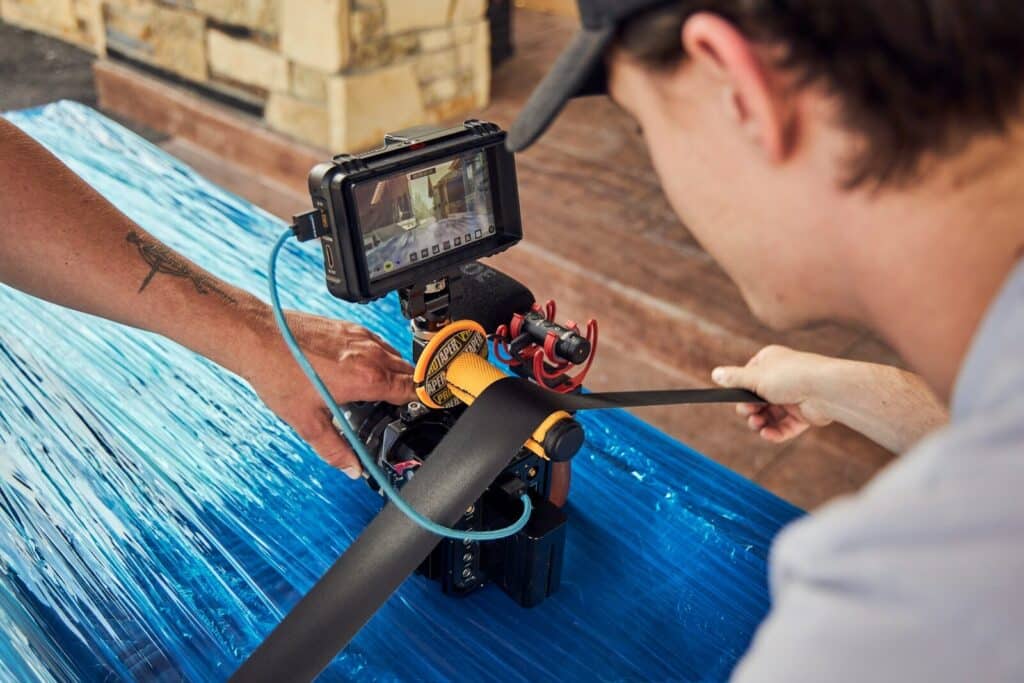
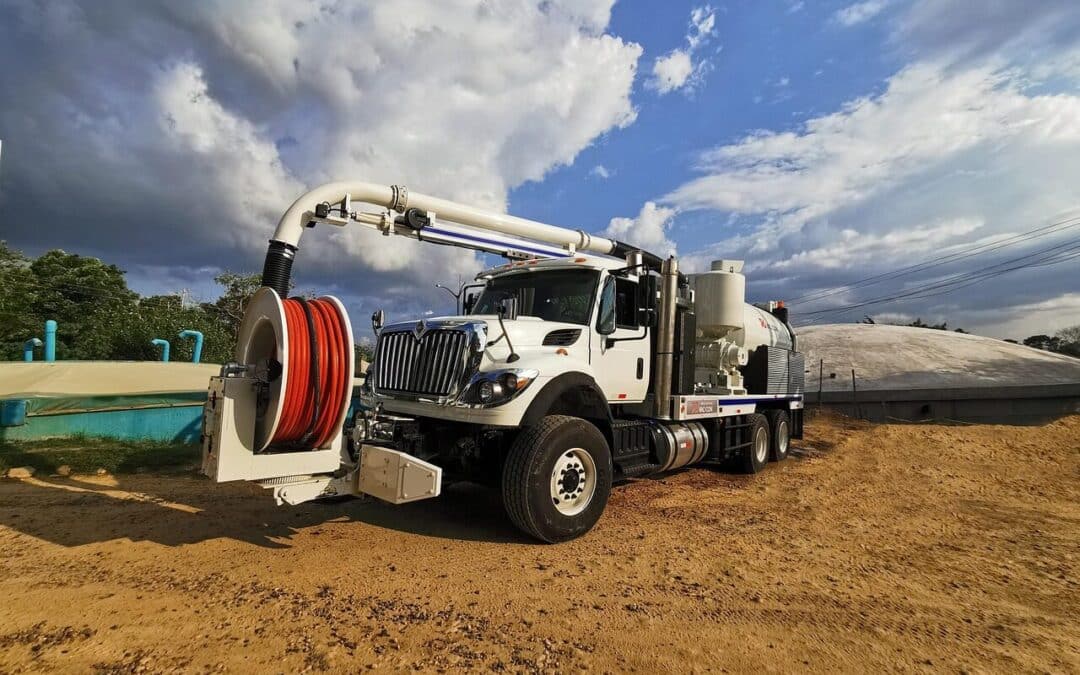
Photo by David Glessner | Photographer & Director on Unsplash
Why Do Professional Camera Inspections Come Before Sewer Line Repair?
How Do Video Camera Inspections Save Time and Money?
Video camera inspections are essential for accurately diagnosing sewer problems. Without seeing inside the pipe, even experienced plumbers are making educated guesses. A camera inspection eliminates that guesswork entirely—revealing the pipe’s exact condition and determining the most appropriate repair method.
A high-definition camera is fed through the sewer line, transmitting real-time footage that shows exactly what’s happening inside the pipe: root intrusion, cracks, pipe collapse, separation at joints, grease buildup, or foreign object blockages. The camera also pinpoints the precise location of the problem, so excavation—if needed—is targeted rather than exploratory. Structural integrity of the pipe, as revealed by camera inspection, determines whether trenchless repair or traditional excavation is the right path forward.
According to HomeAdvisor’s 2026 cost data, video sewer inspections typically cost between $100 and $500. That investment consistently saves homeowners far more by ensuring the right repair is performed in the right location from the start. MD Sewer & Plumbing provides camera inspections as part of its diagnostic process, ensuring every repair recommendation is based on what we can actually see.
Licensed plumbers with the right equipment can accurately diagnose sewer line issues that DIY methods simply cannot identify. Attempting a DIY sewer line repair without this diagnostic foundation can lead to costly damage—fixing the wrong section, using the wrong method, or missing an underlying structural failure entirely.
What Are the Professional Sewer Line Repair Options Available?
The sewer line repair process typically starts with inspection and diagnosis, followed by selecting the appropriate repair method. The extent of damage, the structural integrity of the pipe, site conditions, and landscaping all influence which approach is right for your situation. Common sewer line repair methods include traditional excavation and trenchless techniques, and repair time can vary from a few hours to several days depending on the scope of work.
What Is Spot Repair and When Is It Used?
Spot repair addresses localized issues by replacing a small section of the pipe rather than the entire line. If a camera inspection identifies one cracked joint, a short section of root damage, or a single point of pipe separation, spot repair replaces only that segment—minimizing excavation and keeping costs lower than a full-line replacement. It’s an efficient option when the rest of the pipe is in sound condition.
When Is Traditional Sewer Line Repair and Replacement Necessary?
Traditional sewer line repair requires digging a trench to access the damaged pipe directly. Some damage is too extensive for minimally invasive methods: a collapsed pipe, severely shifted section, or pipe with an improper slope often requires this direct excavation and full replacement. In these cases, the damaged section is exposed, removed, and replaced with new pipe—PVC being the most common modern choice for its durability and smooth interior surface.
Professional sewer line repairs using traditional methods can take 1 to 5 days, depending on the depth, length, and accessibility of the pipe. MD Sewer & Plumbing carries out full sewer line replacement with proper permitting and site restoration, minimizing disruption wherever possible.
What Is Trenchless Sewer Line Repair and When Is It the Right Choice?
Trenchless sewer repair minimizes ground disturbance during repairs by using existing access points rather than digging up the entire yard. Trenchless repairs are generally more cost-effective than traditional methods when site conditions make excavation expensive—such as when pipes run under driveways, mature landscaping, or finished hardscape. Two primary trenchless approaches exist:
Pipe lining (CIPP — Cured-in-Place Pipe): An epoxy-saturated liner is pulled through the existing pipe and cured in place, creating a smooth new pipe wall inside the old one. This method works well when the existing pipe is cracked or deteriorating but still structurally present. CIPP liners can extend pipe life by up to 50 years. Costs run between $90 and $250 per linear foot, according to Angi’s 2026 sewer cost data.
Pipe bursting: A hydraulic or pneumatic head is pulled through the old pipe, fracturing it outward while simultaneously pulling a new pipe into place behind it. This approach replaces old pipes with new ones in as little as one day and works well when the old pipe needs full replacement but trench excavation is not practical. Pipe bursting typically costs $60 to $200 per linear foot.
Both trenchless methods use existing access points for repairs, preserving driveways, landscaping, and hardscape and eliminating the secondary cost of restoring everything that excavation would otherwise tear up.
How Does Hydro Jetting Help Prevent Future Sewer Line Problems?
Hydro jetting uses high-pressure water—delivered at up to 4,000 PSI—to scour the interior walls of sewer pipes. It removes grease accumulation, mineral deposits, sludge, and even breaks apart softer root intrusions. Unlike snaking, which punches a hole through a clog, hydro jetting removes stubborn clogs and buildup effectively by cleaning the entire pipe diameter and leaving the walls nearly free of residue.
According to Southern Vac’s guide to hydro jetting, the technique is particularly effective for removing heavy buildup from sewer pipes that snaking cannot fully address. Regular drain cleanings and periodic hydro jetting help avoid cracks and clogs in pipes by preventing the kind of buildup that stresses pipe walls over time. MD Sewer & Plumbing recommends periodic hydro jetting—particularly for older homes or properties with mature trees nearby—as part of a proactive plumbing maintenance plan.
How Much Does It Cost to Repair Your Sewer Line?
Sewer line repair costs vary considerably based on the severity of the damage, the method required, the depth and accessibility of the pipe, and the length of the affected section. According to HomeAdvisor’s 2026 national cost data, the national average cost for sewer line replacement is around $5,000, with most projects falling between $1,388 and $5,323. Sewer line repair costs range from $50 to $250 per linear foot depending on the pipe material and repair method used. Where excavation is required, excavation costs add an extra $30 to $70 per cubic foot to the total.
Here’s a general breakdown of common repair costs:
- Video inspection: $100–$500
- Root removal: $100–$600
- Spot repair (cracked pipe section): $600–$1,050
- Pipe lining (CIPP): $90–$250 per linear foot
- Pipe bursting: $60–$200 per linear foot
- Full sewer line replacement: $50–$250 per linear foot
- Excavation: $30–$70 per cubic foot (where applicable)
These are national figures. Actual costs in Maryland will depend on your property’s specific conditions. That’s why MD Sewer & Plumbing always begins with a camera inspection before quoting repair work—so estimates reflect the actual scope of the problem, not a generic number. Request your free estimate today and get an honest assessment from a licensed technician.
Does Homeowners Insurance Cover Sewer Lines?
Standard homeowners insurance policies generally do not cover sewer line damage caused by wear and tear, root intrusion, or normal aging. However, certain situations—such as accidental damage from a fallen tree—may qualify for coverage depending on your policy terms.
Some insurers offer optional sewer line endorsements or service line protection add-ons that extend coverage to underground pipes. These endorsements are relatively affordable and can offset a significant portion of repair costs if a major problem develops. The Angi cost guide recommends reviewing policy fine print carefully and contacting your insurer before assuming coverage exists.
One practical note: acting quickly when a sewer problem appears can strengthen an insurance claim if coverage does apply, because delayed action that allows damage to worsen may be treated as negligence. Call MD Sewer & Plumbing at the first sign of trouble—our technicians document findings with camera footage that provides clear evidence of cause and condition.
Is Relining a Sewer Pipe Worth It?
For pipes that are cracked or deteriorating but still structurally intact, pipe relining is frequently the most cost-effective and least disruptive repair option available. It costs less than full excavation and replacement when factoring in the secondary expenses of breaking up and restoring driveways, patios, or landscaping. It’s completed faster than traditional replacement. And a properly installed CIPP liner can extend pipe life by 50 years—without the disruption of digging up your yard.
Pipe relining is not appropriate for every situation. Collapsed pipes, severely misaligned sections, or pipes with an improper slope typically require excavation and replacement. A camera inspection determines eligibility before any repair method is recommended. If relining is a viable option for your pipe, MD Sewer & Plumbing will tell you so—and if it isn’t, we’ll explain exactly why.
What Is the Average Lifespan of a Sewer Line?
Sewer pipe lifespan varies significantly by material. Based on data from Rangeline Group’s 2025 pipeline materials guide:
| Pipe Material | Expected Lifespan |
|---|---|
| Cast iron | 50–100 years |
| PVC | 70–100 years |
| Steel (coated) | 80–100 years |
| HDPE | 50–100 years |
| Clay | Variable; prone to cracking |
| Orangeburg | 50 years or less; commonly failing in older homes |
Maintenance habits, soil conditions, tree root proximity, and ground movement all affect how long a pipe lasts within these ranges. A sewer line approaching the upper end of its material’s lifespan—especially in a home that has never had a professional inspection—deserves attention before it fails.
Annual sewer camera inspections can prevent costly repairs by catching deterioration, root infiltration, or early-stage blockages before they become emergencies. MD Sewer & Plumbing recommends scheduling a camera inspection for any Maryland home more than 25 to 30 years old that has no documented sewer maintenance history.
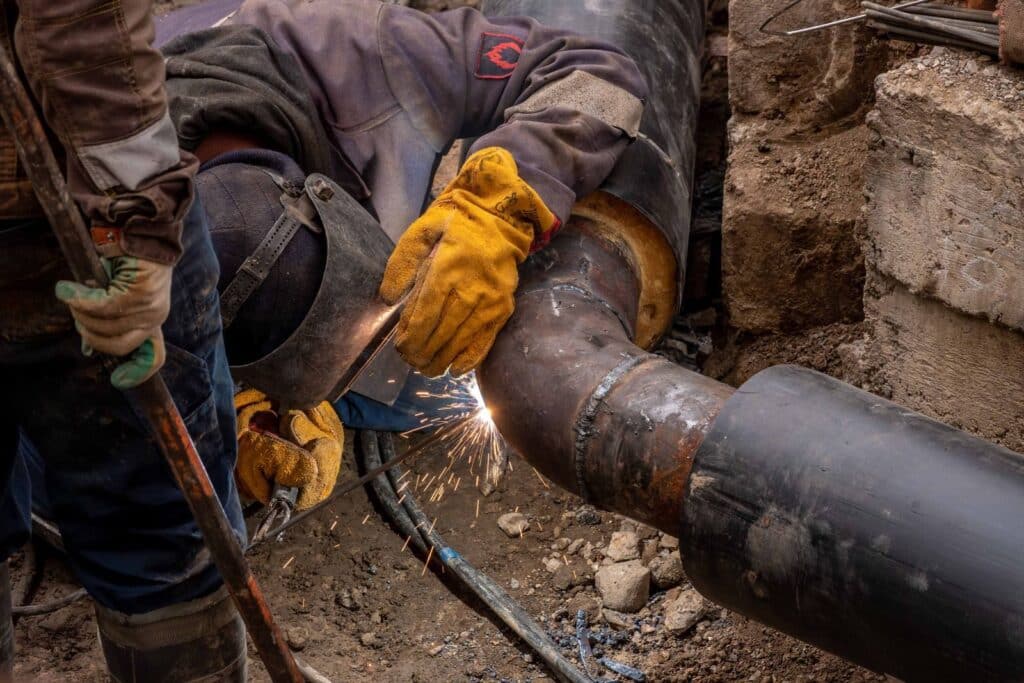
Photo by Sergei Starostin on Pexels
How MD Sewer & Plumbing Helps Maryland Homeowners Solve Sewer Line Problems
MD Sewer & Plumbing has served Pasadena and the surrounding Maryland communities since 1989. Over 35 years, the team has built a reputation for honest assessments, upfront pricing, and repairs that last—qualities that show up consistently in customer reviews.
As a family-owned business, MD Sewer & Plumbing treats every service call with the same care we’d give a neighbor’s home. Licensed technicians handle the full spectrum of sewer services:
- Video camera inspections to diagnose problems accurately before repair begins
- Hydro jetting to clear buildup and maintain pipe performance
- Root removal for tree intrusion before it causes structural damage
- Spot repair for localized pipe damage that doesn’t require full-line replacement
- Pipe lining and pipe bursting for minimally invasive sewer line repair
- Traditional sewer line replacement when the damage warrants it
- Drain cleaning for recurring clogs across the plumbing system
- Emergency sewer repair, 24 hours a day, 7 days a week
Every job starts with honest communication. Technicians explain what the camera shows, present the available options, and provide upfront pricing with no hidden fees before work begins. Free estimates are available—book online in minutes or call to speak with a real person who can help right away.
How Can You Prevent Sewer Line Problems Before They Start?
Prevention is significantly cheaper than emergency repair. Prevention measures include managing tree roots near your sewer line and avoiding harsh chemical drain cleaners, which can corrode pipe walls and cause long-term damage. Here are practical steps Maryland homeowners can take to protect their sewer system:
- Schedule annual sewer camera inspections, particularly for homes over 25 years old or with mature trees nearby—annual inspections can prevent costly repairs by catching problems early
- Address slow drains early, before they signal a deeper problem
- Never flush paper towels, “flushable” wipes, grease, hygiene products, or foreign objects—these cause blockages that require professional intervention
- Avoid harsh chemical drain cleaners, which can deteriorate pipe walls over time
- Manage tree roots by avoiding planting trees or large shrubs directly over your sewer line’s path and scheduling root removal if intrusion is detected
- Know your pipe material and age—understand when your system is approaching the end of its lifespan
- Schedule periodic drain cleaning or hydro jetting as routine maintenance—regular drain cleanings help avoid cracks and clogs in pipes before they become structural problems
- Watch for early warning signs: gurgling drains, faint odors, soft spots or puddles in the yard, unusually green patches of grass, or slow drains throughout the home
The EPA’s guidance on preventing municipal sewage backups reinforces that proactive maintenance at the homeowner level plays a measurable role in preventing the kind of overflow events that cause the most damage. Small, consistent actions protect both your property and the broader sewer infrastructure your home connects to.
Don’t Let a Sewer Problem Become a Costly Emergency
Sewer line issues follow a consistent pattern: they start small, they get ignored, and they become expensive. A hairline crack becomes a root intrusion. A slow drain becomes a sewage backup. A manageable repair becomes a full replacement—plus yard restoration, foundation remediation, and potential health hazards.
The smartest move any Maryland homeowner can make is to act at the first sign of trouble. MD Sewer & Plumbing is ready to respond fast, diagnose accurately, and repair the right way—backed by over 35 years of experience, licensed technicians, and a commitment to honest service.
Call now—technicians are available 24/7. Whether you need an emergency repair today or want to schedule a preventive camera inspection, MD Sewer & Plumbing is your trusted local partner for sewer line repair throughout Maryland.
📞 410-255-9300 | Schedule Your Free Estimate Online
Frequently Asked Questions
How much does it cost to repair a sewer line in Maryland?
Sewer line repair costs in Maryland vary based on the type and extent of damage, the pipe material, depth, and repair method used. The national average cost for sewer line replacement is around $5,000, with most projects falling between $1,388 and $5,323 according to HomeAdvisor’s 2026 data. Repair costs generally range from $50 to $250 per linear foot, with excavation adding $30 to $70 per cubic foot where digging is required. Simpler repairs—such as root removal or a spot crack repair—cost significantly less. A video camera inspection ($100–$500) is the most reliable way to determine exact scope and cost before any repair begins. MD Sewer & Plumbing provides free estimates after a proper diagnosis.
Does homeowners insurance cover sewer line repair?
Standard homeowners insurance policies generally exclude sewer line damage caused by wear, aging, or root intrusion. Some policies cover accidental damage—such as pipe damage caused by a fallen tree. Many insurers offer optional service line endorsements that provide sewer line coverage at an additional premium. Review your policy carefully and consult your insurer before assuming coverage exists. Acting promptly when damage occurs can also support a claim by demonstrating the damage wasn’t the result of prolonged neglect.
Is pipe relining worth the cost compared to full sewer replacement?
Pipe relining (CIPP lining) is worth the cost when the existing pipe is cracked or deteriorating but still structurally intact. It costs $90–$250 per linear foot and can extend pipe life by up to 50 years without requiring excavation. The total cost advantage grows when you factor in preserved landscaping, driveways, and hardscape. Full replacement is necessary when the pipe has collapsed, shifted significantly, or developed an improper slope. A camera inspection determines which option applies to your specific situation.
What is the average lifespan of a residential sewer line?
Lifespan varies by material. PVC pipes last 70–100 years; cast iron pipes last 50–100 years; steel pipes (with coatings) last 80–100 years. Clay and Orangeburg pipes—common in older Maryland homes—have much shorter effective lifespans and are frequently in need of replacement. Ground conditions, tree root proximity, and maintenance history all influence actual longevity. Homes older than 25–30 years with no documented sewer history should schedule a camera inspection to assess current pipe condition.
What are the most common signs that a sewer line needs repair?
The most common warning signs include multiple slow drains throughout the home, sewage backing up in toilets or floor drains, gurgling sounds from drains or toilets, persistent foul sewer odors indoors or outdoors, wet spots or puddles in the yard, unusually green grass over the sewer line’s path, cracks in concrete slabs, visible leaks in exposed pipes, and recurring clogs despite repeated cleaning. Any one of these symptoms warrants a professional inspection. Multiple symptoms appearing simultaneously almost always indicate a main sewer line problem.
How long does sewer line repair take?
Repair time can vary from a few hours to several days depending on the extent of damage and the method used. Trenchless repairs such as pipe bursting can replace old pipes in as little as one day, while traditional excavation and full replacement typically takes 1 to 5 days for professional sewer line repairs. A camera inspection at the start of the process helps technicians plan the work accurately and minimize unnecessary delays.
How quickly can MD Sewer & Plumbing respond to a sewer emergency in Maryland?
MD Sewer & Plumbing offers 24/7 emergency service throughout Pasadena and the surrounding Maryland communities. Technicians are available days, nights, weekends, and holidays. Many customers report same-day response, and the company prioritizes sewer emergencies—including backups, overflows, and collapsed lines—for fastest dispatch. Call 410-255-9300 for immediate assistance.